
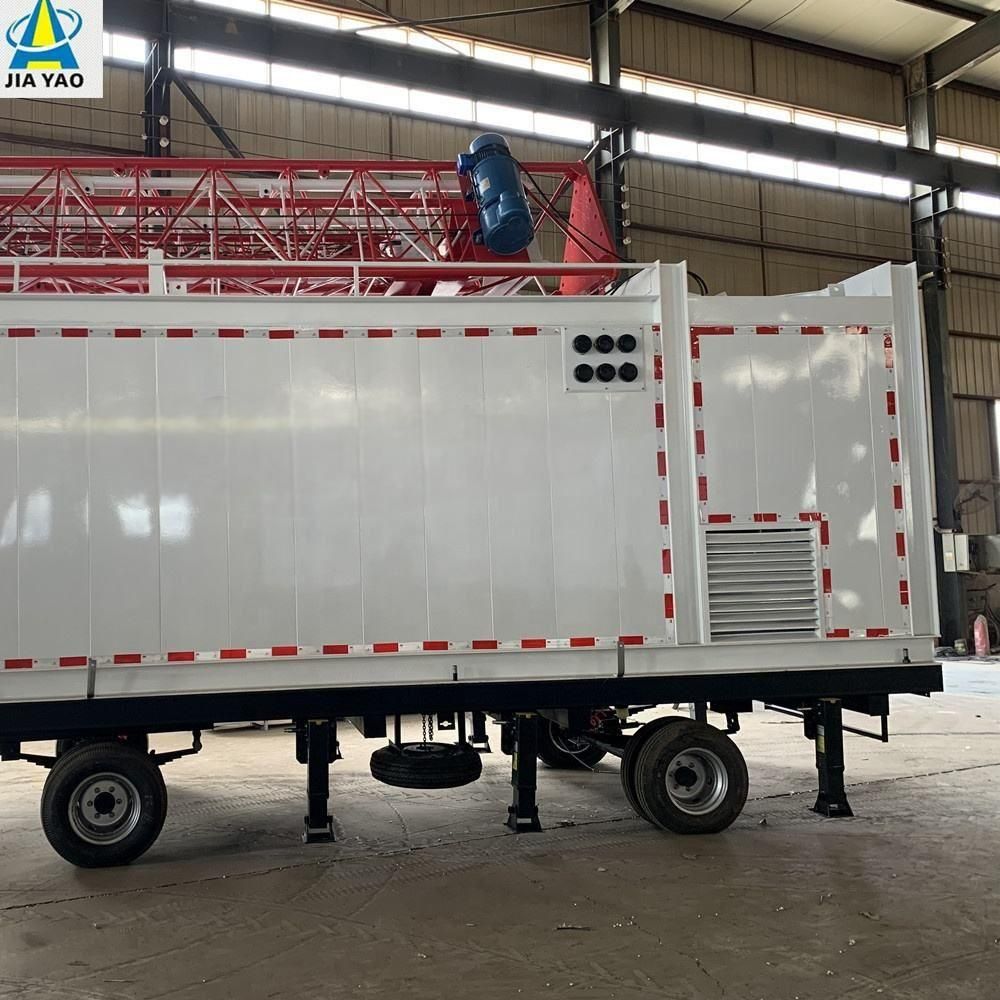
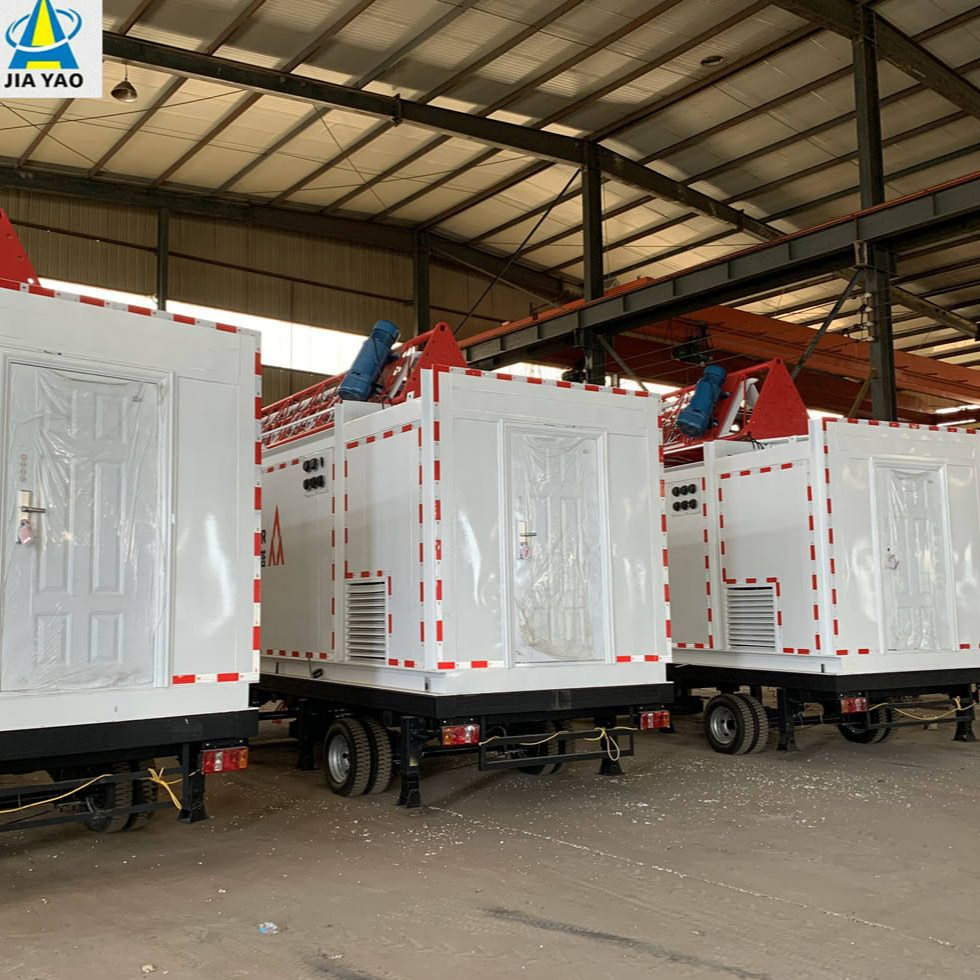
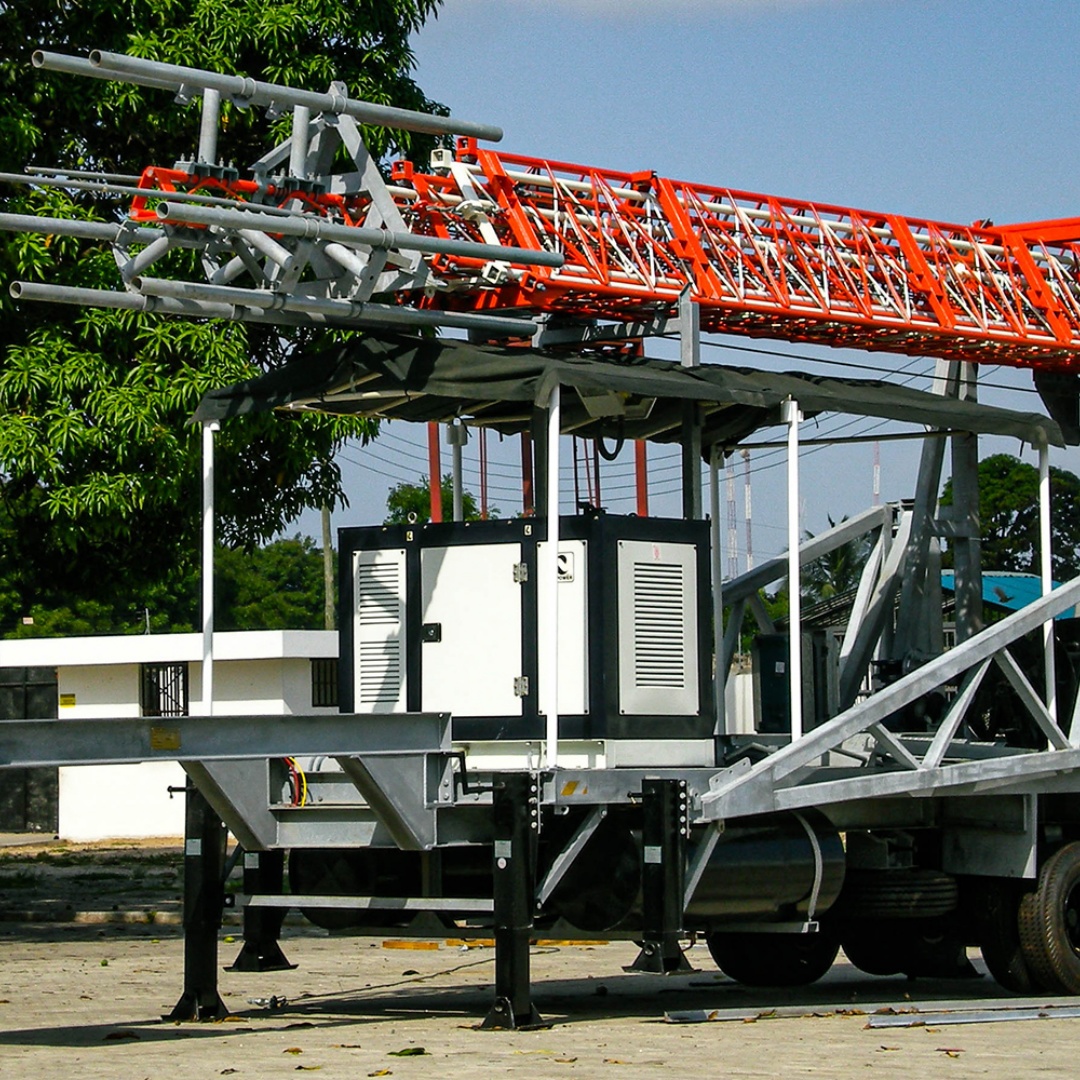

Telescopic Tower


Product Details | |
Height | 15-30M |
Wind Speed | 40M/S |
Main Material | Steel Tube, Solid rod |
Vertical Deviation | <1/1000 |
Preservative Treatment | Hot Dipped Galvanized and painting |
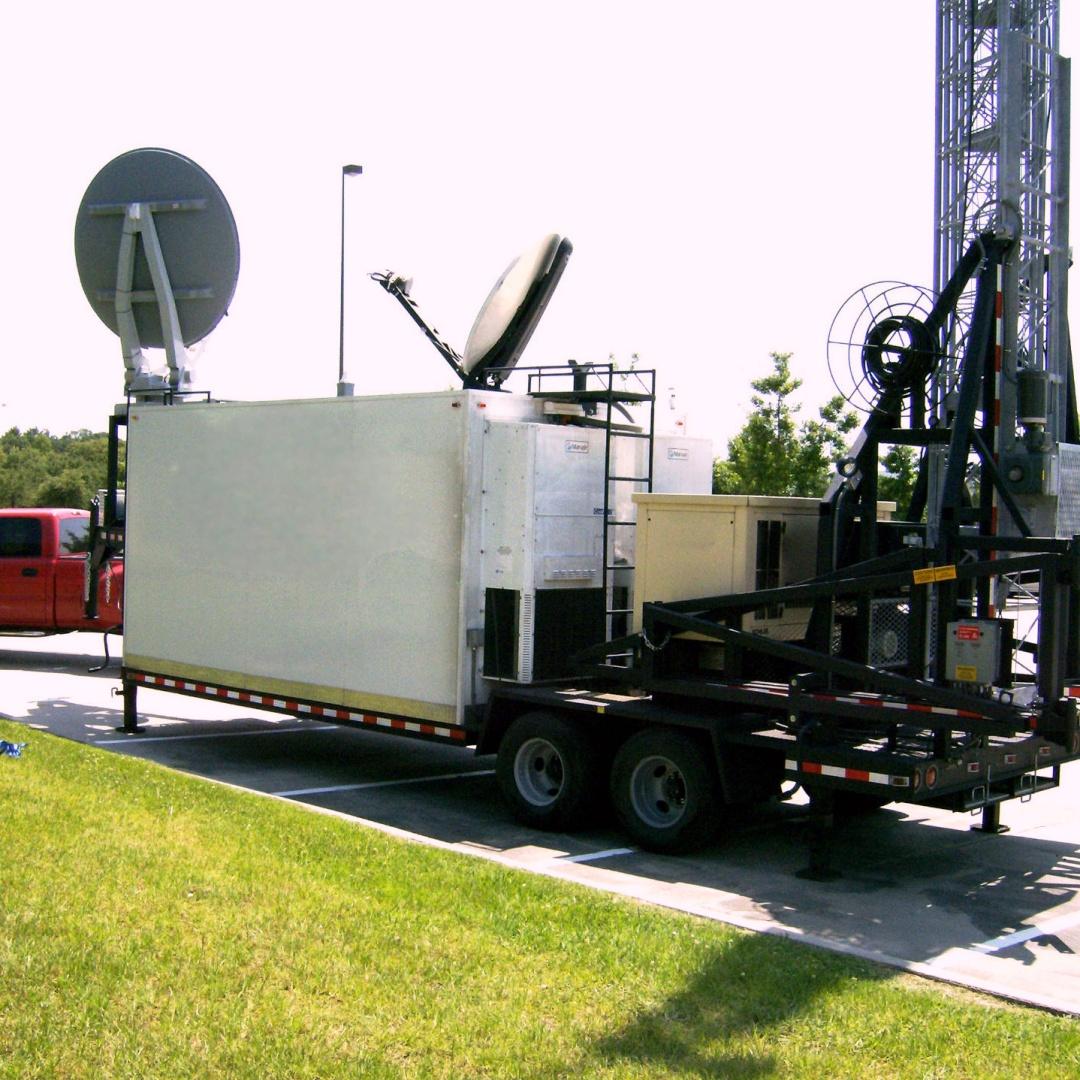
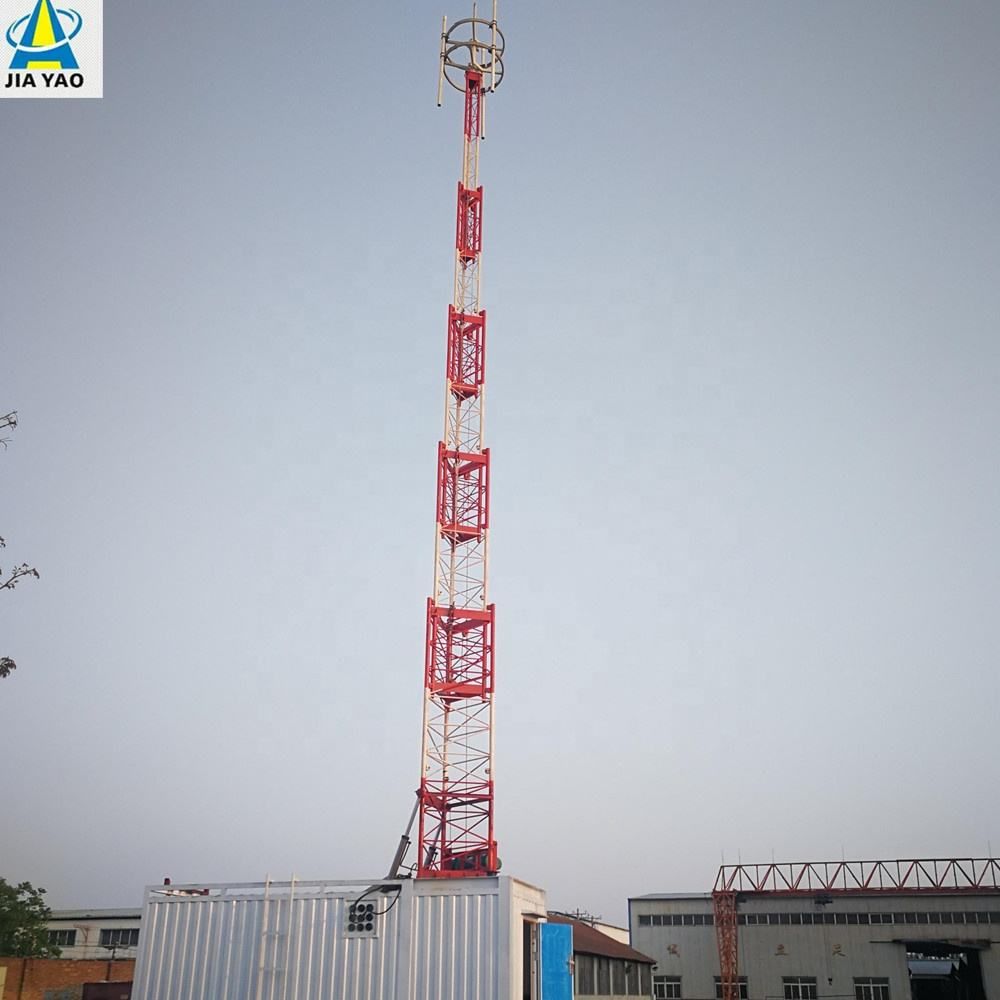
What is the rising state of COW?
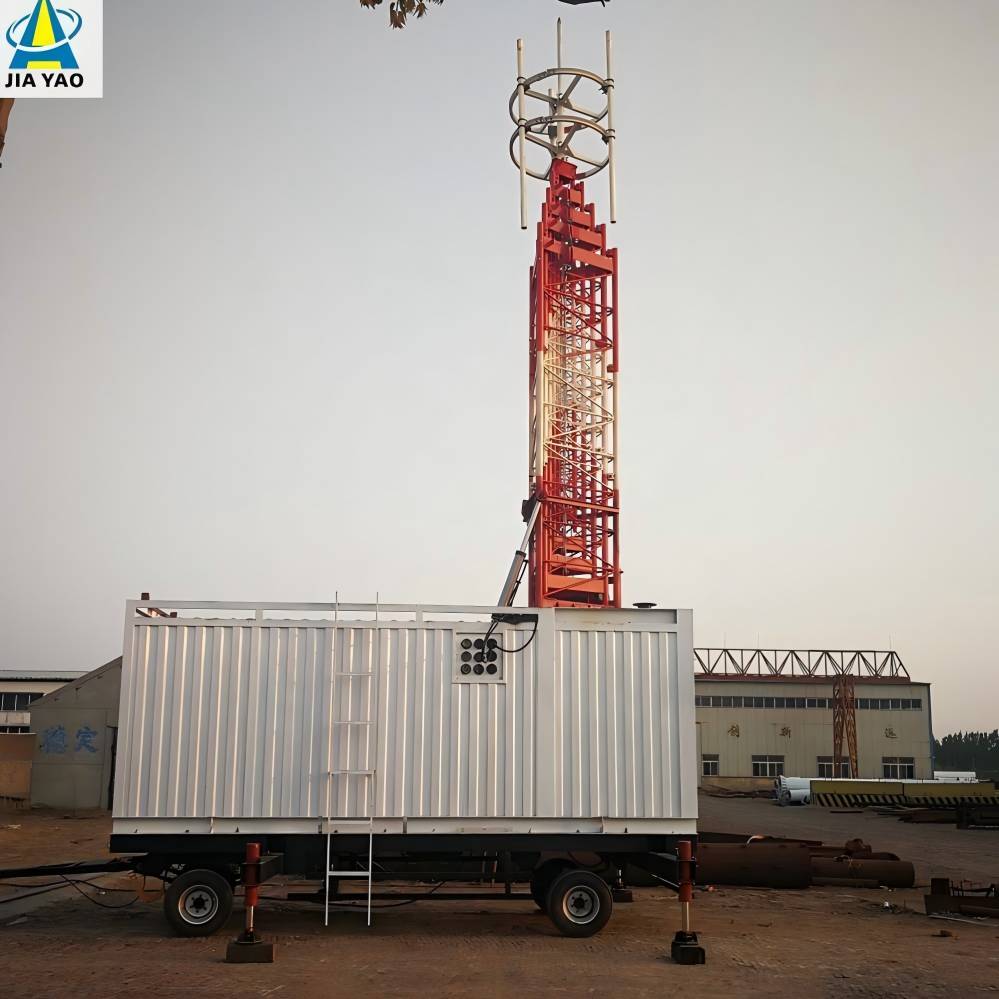
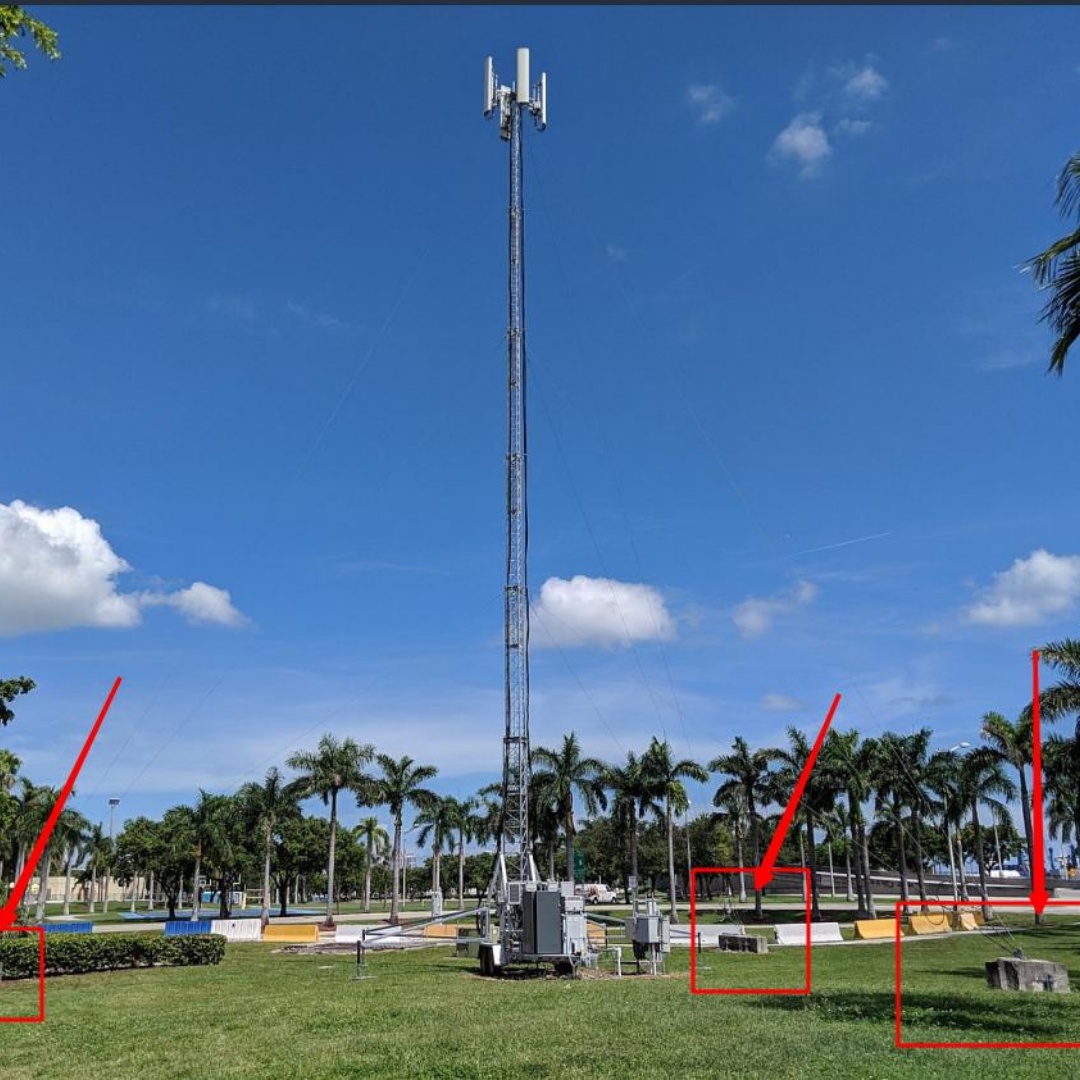
Rising State of COW (Telescopic Tower).The rising state refers to the vertical extension phase, where the telescopic tower deploys its nested sections sequentially using hydraulic or electric actuators. Each section slides outward along precision-guided rails, maintaining structural alignment and load stability. This process is typically controlled via a centralized interface, allowing incremental height adjustment from 6 to 30 meters depending on design. The system incorporates load sensors and anti-tilt mechanisms to ensure safety during ascent. Common applications include mobile communication towers, temporary surveillance platforms, and high-intensity lighting systems deployed at construction or emergency sites.
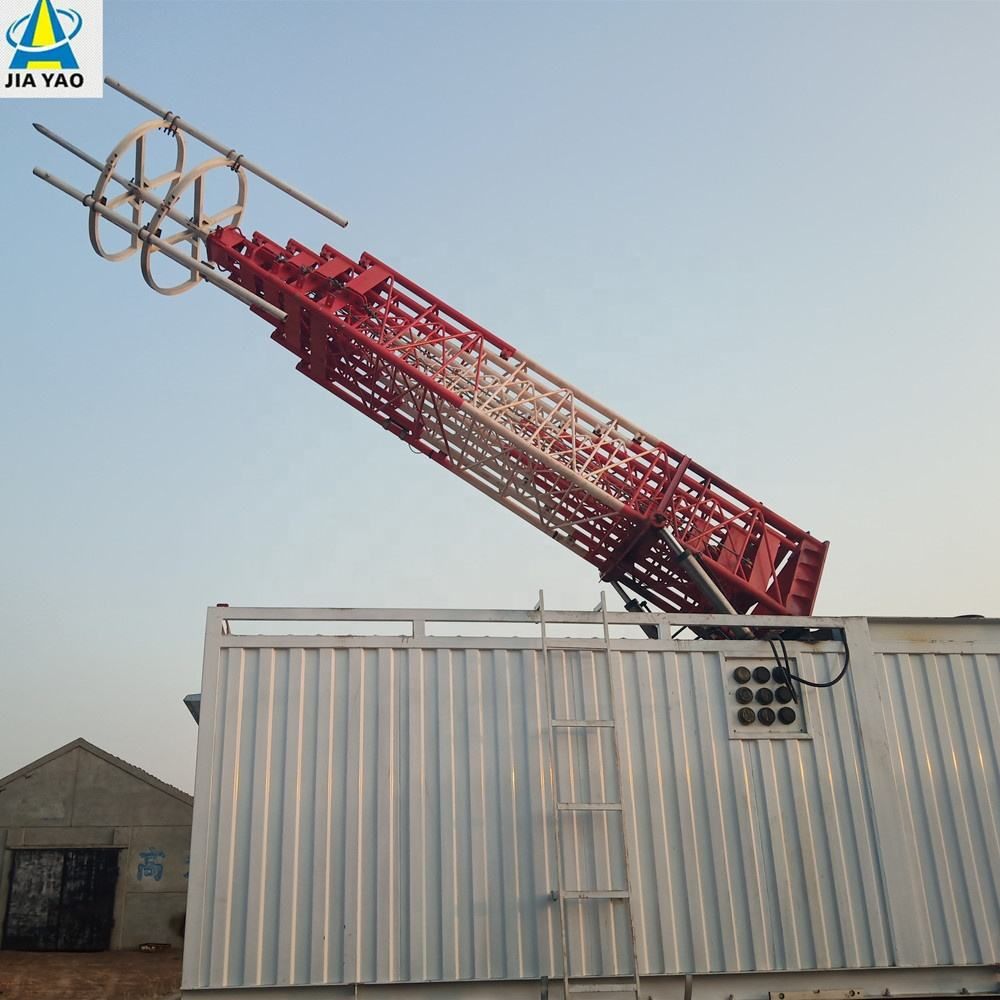
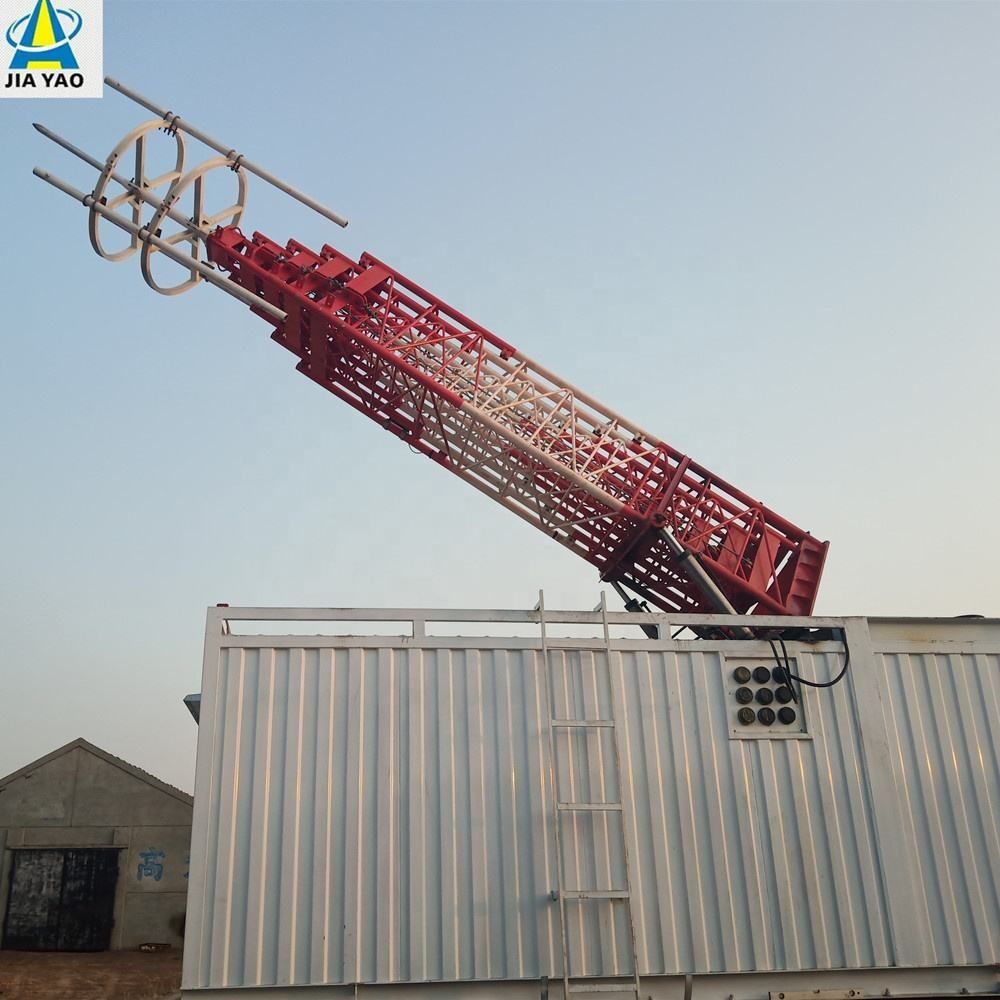
Lying Down Process of COW (Telescopic Tower).The lying down process — more accurately termed stowing to horizontal position — involves rotating the fully retracted or partially extended tower from vertical to horizontal orientation around a pivot point at its base. This is achieved through a hydraulic hinge mechanism that lowers the mast slowly and controllably, often with counterweights to balance torque. The process is critical for transportation, storm preparedness, or storage. Safety interlocks prevent movement unless all sections are fully retracted and locking pins are disengaged. Mobile lighting towers and radar masts commonly employ this feature to reduce wind load and enable trailer transport.
Retracting State of COW (Telescopic Tower).The retracting state is the axial contraction of individual tower sections back into one another, reducing overall height while maintaining vertical alignment. Unlike the lying down process, retraction occurs with the tower still upright. Each section is pulled inward by winches or hydraulic cylinders, guided by telescoping sleeves and secured by mechanical locks at each stage. The sequence is reverse of extension: outermost section retracts first, followed by inner layers. This phase is typically performed before stowing to minimize structural stress and ensure compactness. Retraction is often automated and monitored via position encoders to prevent jamming or misalignment.