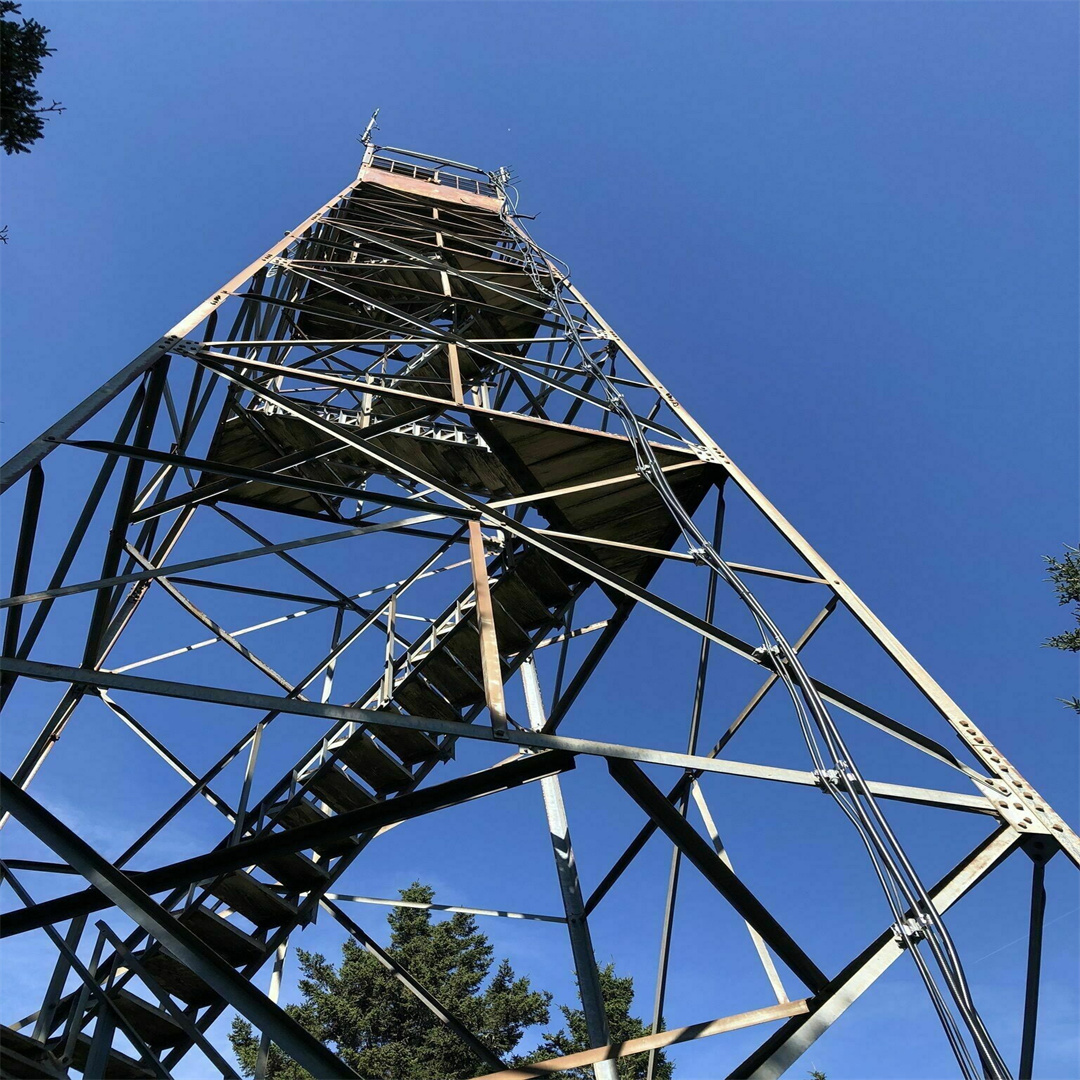
Telecom towers are the backbone of every communication network. Selecting the right tower type, specification and supplier directly determines network performance, construction cost, and 30+ year service life. Many project teams face overspending, structural safety risks or approval failures simply because they choose the wrong tower solution for their specific scenario.
As a professional telecom tower manufacturer with 10+ years of export experience across 55+ countries, JiaYao has sorted out this practical procurement guide based on global project cases. This article explains core selection factors, tower-scenario matching rules, quality verification standards and common pitfalls to help you make the most cost-effective and reliable choice.
Before comparing tower types, clarify these 6 core project parameters first — they are the basis of all design decisions.
Calculate the required tower height based on target coverage radius, terrain elevation and surrounding obstacle height.
Rule of thumb: 10m of height adds roughly 3–5km of coverage radius on flat ground for macro base stations.
Reserve 20% height margin for future network upgrading and equipment addition.
List all equipment to be installed: 5G Massive MIMO antennas, microwave dishes, RRUs, power modules and auxiliary devices.
Calculate total static weight and wind-facing area. Always reserve 30–50% extra load margin for future 5G/6G upgrades.
Note: Antennas contribute 60–80% of total wind load on the tower, not just self-weight.
Wind speed: Use local 10-minute average maximum wind speed as the design basis. Typhoon-prone coastal areas require reinforced structures.
Ice thickness: Cold and high-altitude regions need dedicated ice load reinforcement.
Corrosion grade: Coastal, industrial and high-humidity areas require enhanced anti-corrosion treatment.
Seismic intensity: Earthquake-prone zones need higher structural safety factor and ductility design.
Urban sites with limited land: prioritize compact monopole towers.
Rural sites with sufficient land: cost-effective lattice towers are preferred.
Poor soil or high water table: pile foundation is required instead of conventional pad foundation.
Rooftop installation: verify building load-bearing capacity first.
Large-scale rural rollout with tight budget: guyed wire towers deliver the lowest cost per meter.
Urban fast deployment projects: monopole towers with shorter construction cycle.
Emergency and temporary projects: portable telescopic or COW systems.
Confirm local structural safety codes, aviation warning rules, municipal landscape regulations.
Towers must comply with local import standards and certification requirements.
There is no universally best tower — only the most suitable one for your specific scenario.
| Tower Type | Best Application Scenario | Core Advantage |
|---|---|---|
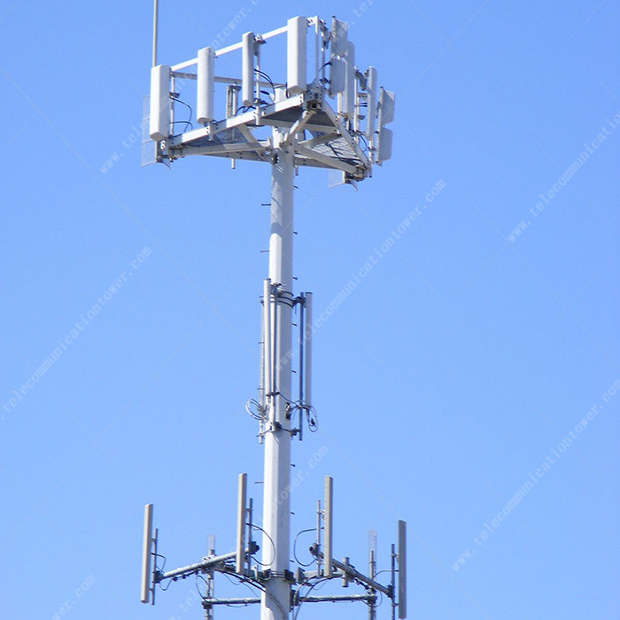
| Monopole Tower | Dense urban areas, residential communities, scenic spots, roadside 5G densification | Small footprint, low visual impact, fast installation |
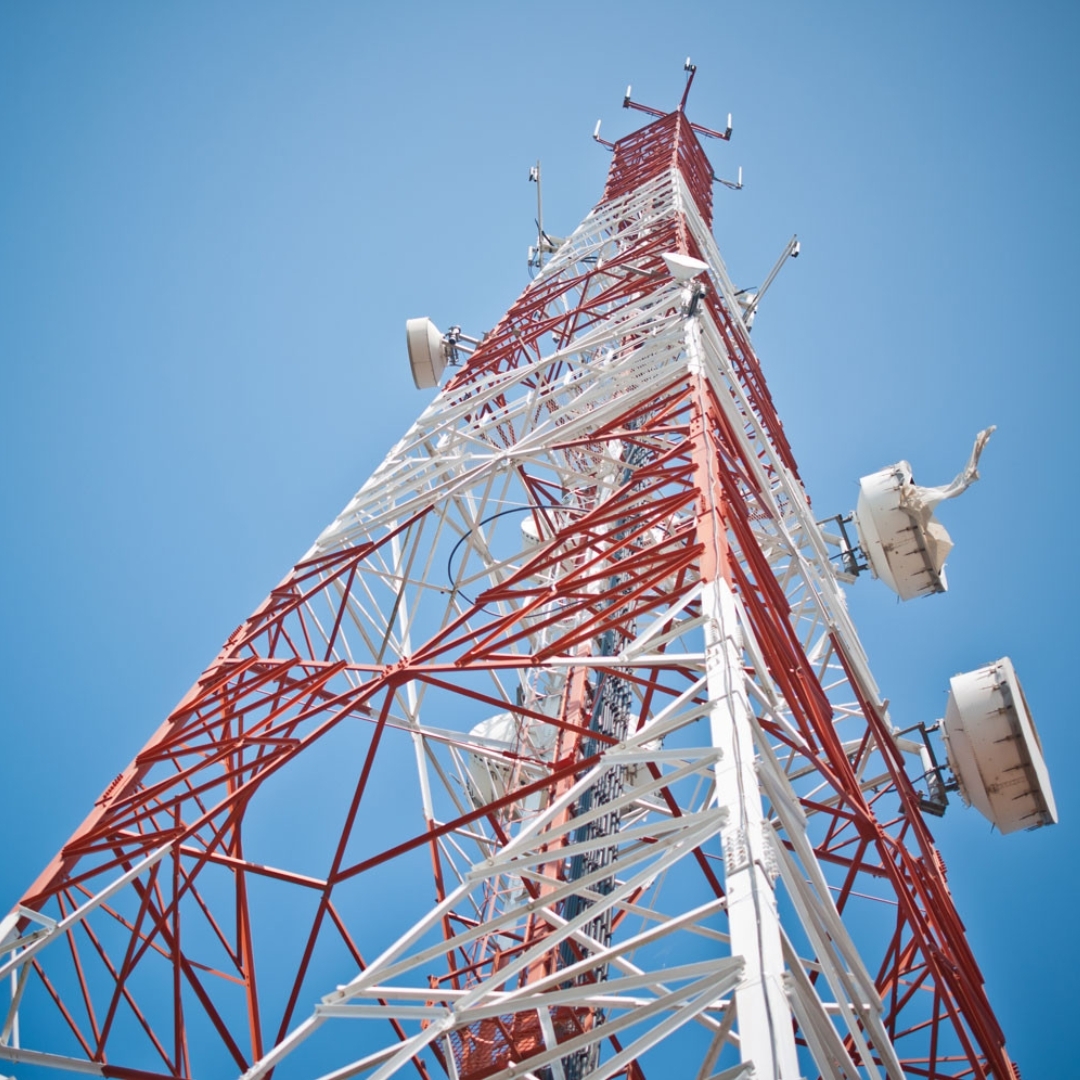
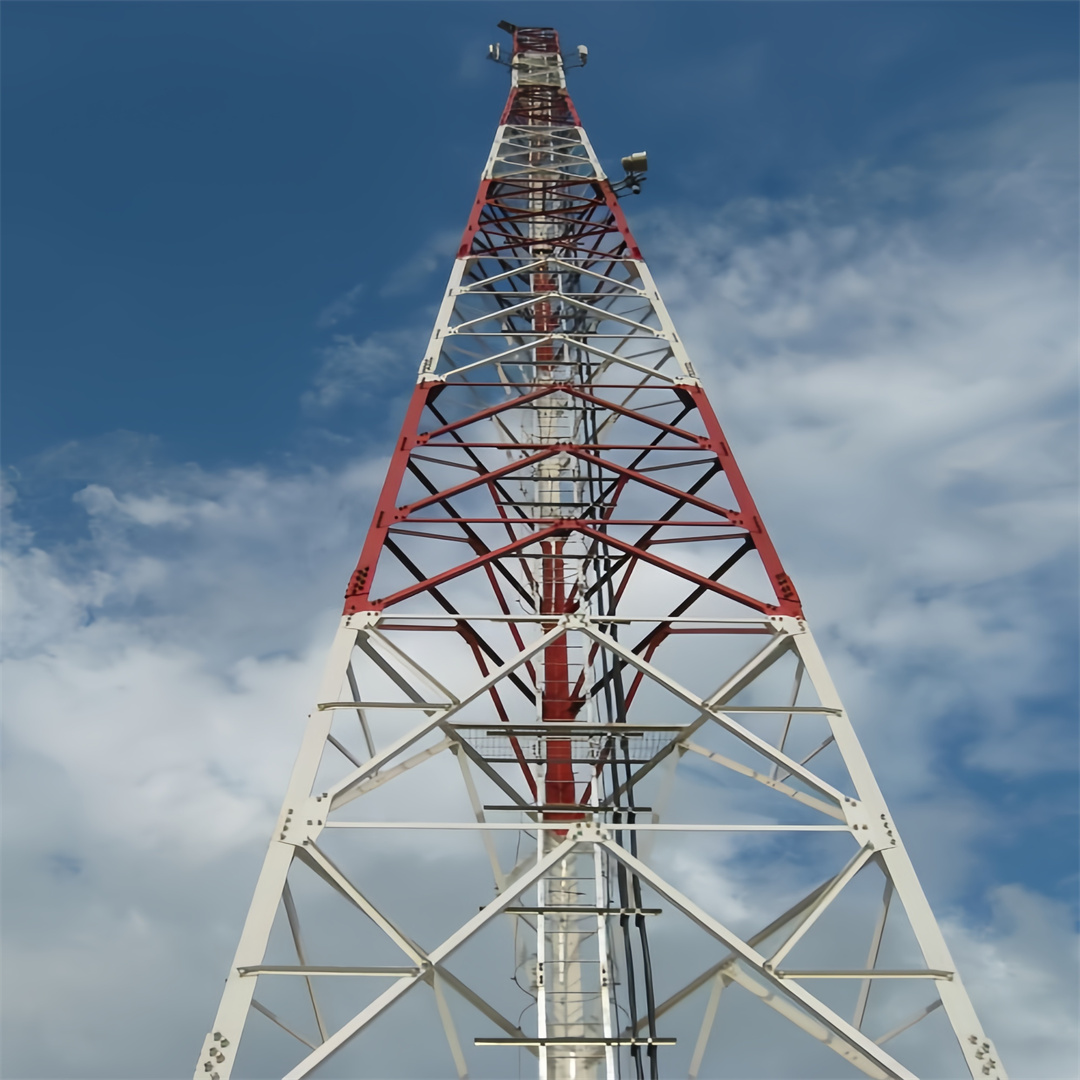
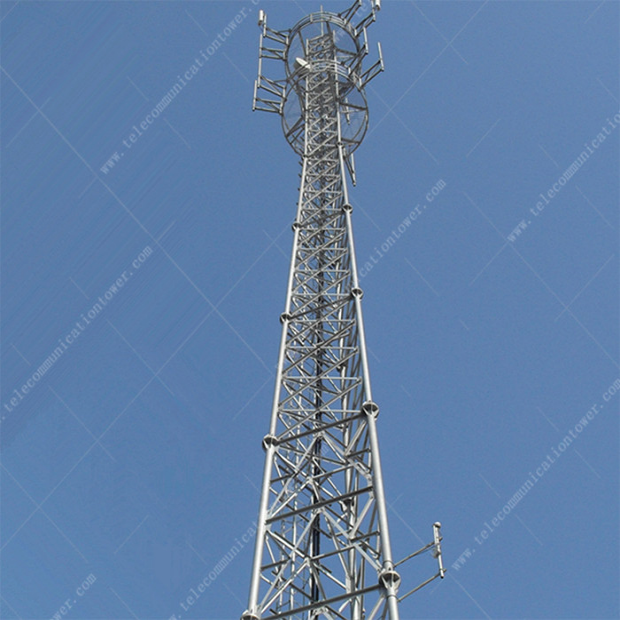
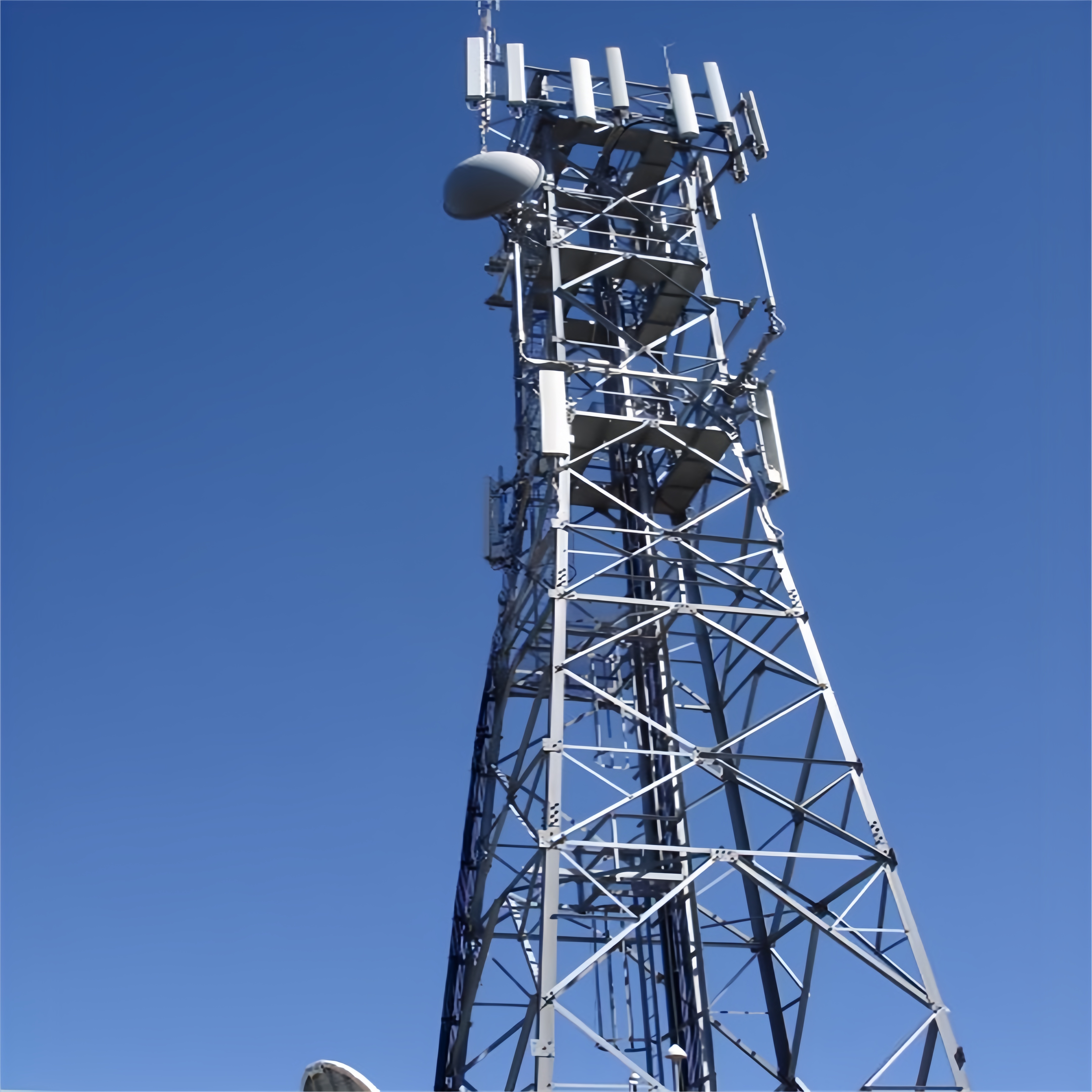
| Tri-Tubular / 4-Legged Lattice Tower | Suburban and rural macro base stations, microwave links, high-wind areas | High load capacity, excellent stability, cost-effective |
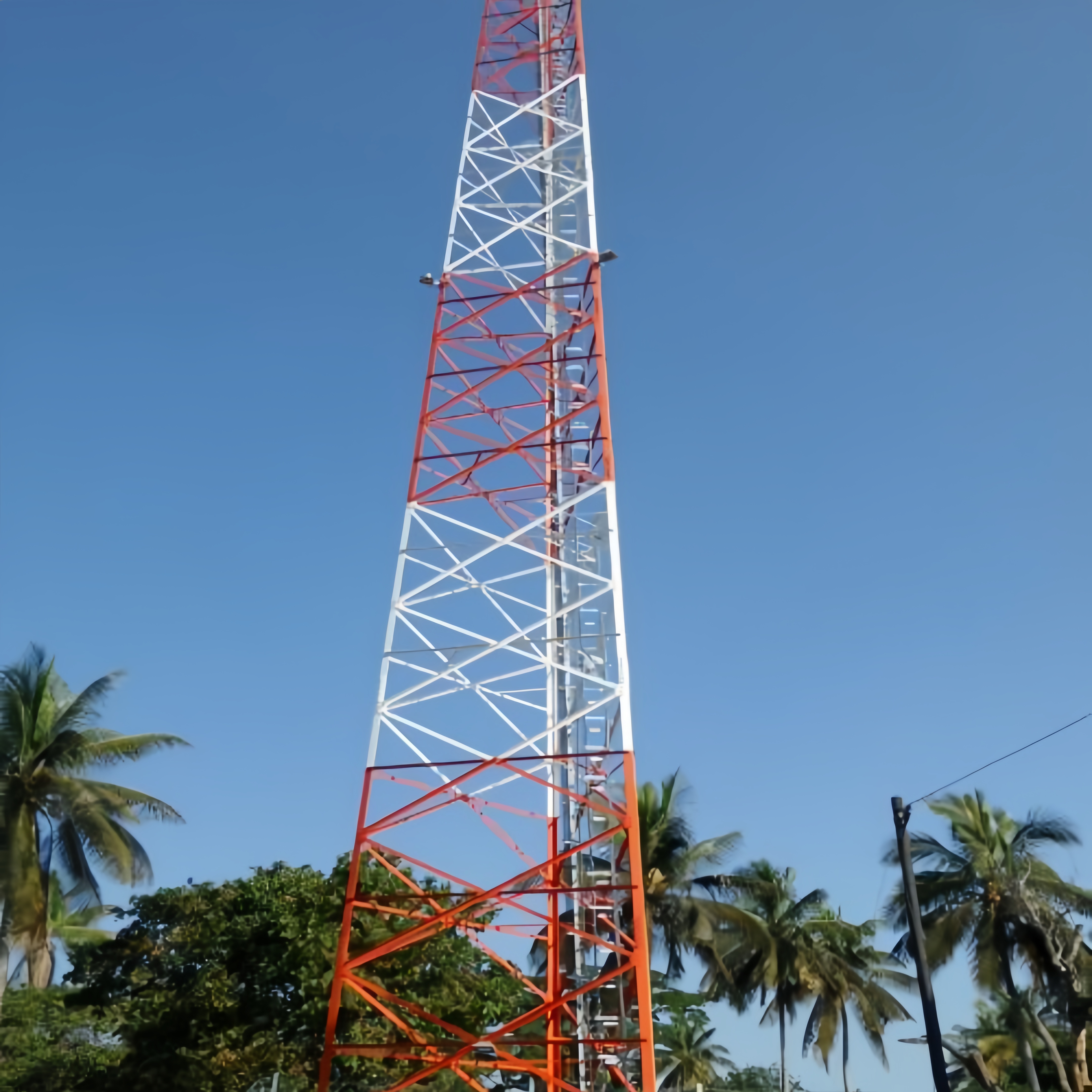
| Guyed Wire Tower | Remote rural areas, broadcast stations, wind measurement masts | Lowest cost, ultra-high height capability |
| Rooftop Tower | Urban signal dead zones, high-rise building coverage | No ground land required, fast approval |
| Mobile COW / Telescopic Tower | Emergency disaster response, large events, temporary construction sites | Ultra-fast deployment, fully portable |
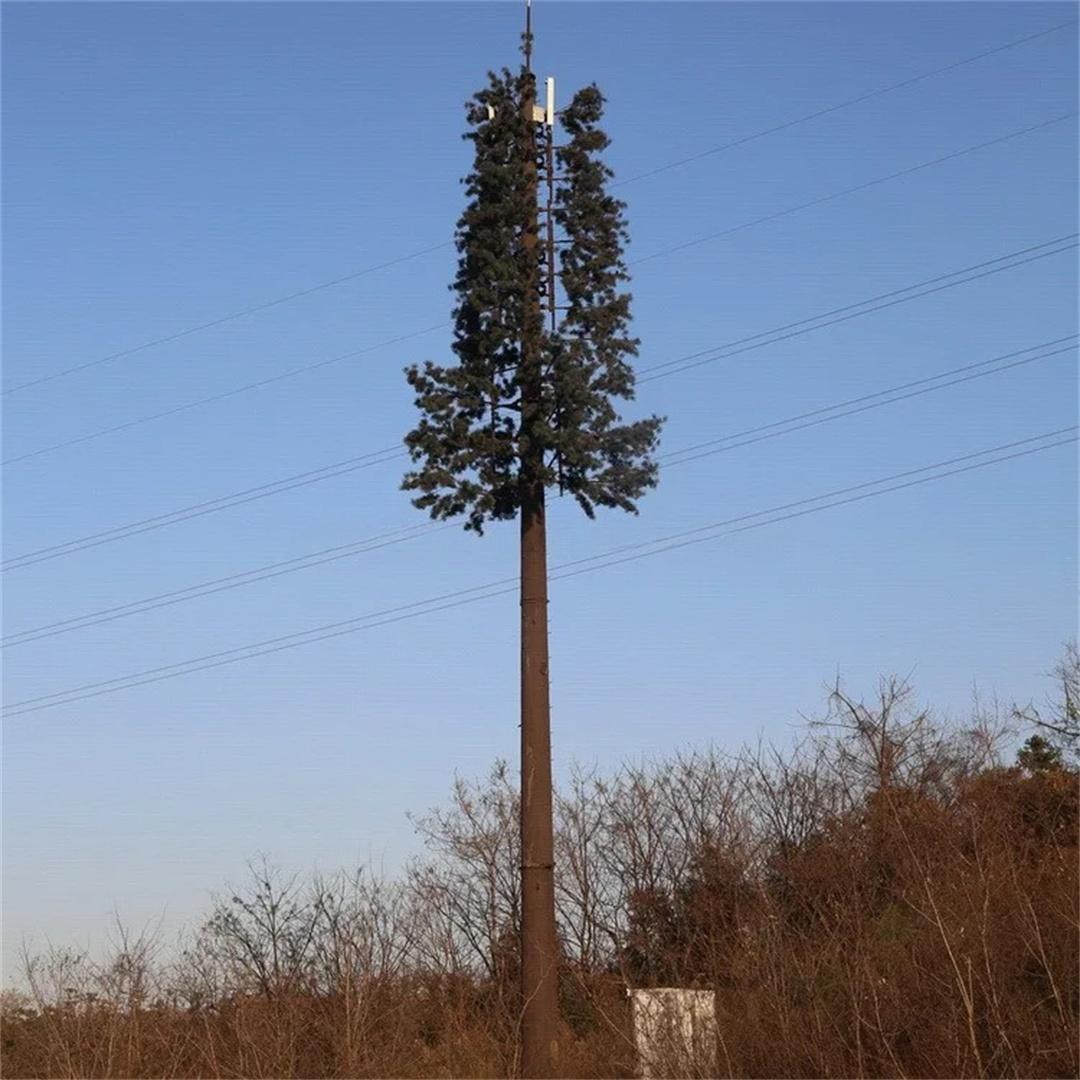
| Bionic / Landscape Tower | Scenic areas, eco-reserves, high-end communities | Hidden appearance, landscape compatible |
Urban 5G densification: Monopole tower > rooftop tower > small cell pole
Rural large-scale coverage: Guyed tower > 4-legged lattice tower > tri-tubular tower
High-wind / typhoon zones:Tri-tubular tower > 4-legged lattice tower > monopole tower
Tight budget projects: Guyed wire tower > angular lattice tower > monopole tower
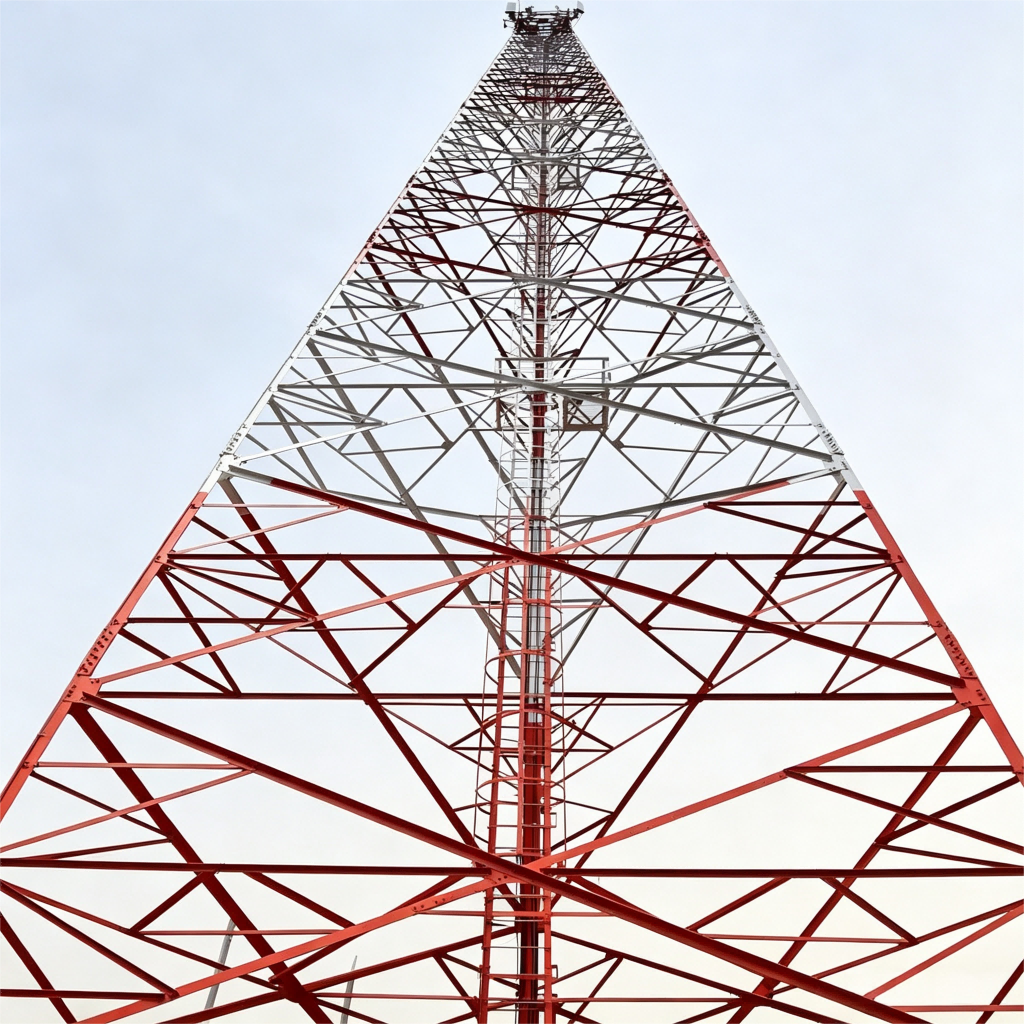
Price should never be the only selection criterion. Low-quality towers will cause far higher losses in later operation. Verify these key quality points:
Main structural steel shall be Q235B / Q345B or equivalent ASTM A36 / A572 Grade 50, with mill test reports (MTR) provided.
Reject reprocessed steel or unknown-source materials — they carry huge structural safety risks.
Minimum zinc layer thickness: ≥85μm for steel thickness over 6mm, compliant with ASTM A123 / ISO 1461.
Smooth and uniform coating, no missing plating, dripping or burrs.
Provide galvanizing thickness test reports.
Design shall comply with ANSI/TIA-222-G, Eurocode 3 or corresponding local standards.
Ask supplier to provide structural calculation sheets and load verification reports.
Bolt grade: Grade 8.8 for secondary members, Grade 10.9 for main load-bearing joints.
Confirm factory has in-house galvanizing line and CNC processing equipment. Outsourced production leads to unstable quality.
Check delivery time and export experience to your country.
Provide installation manuals, torque tables and foundation design references.
Offer on-site installation guidance or remote technical support.
Only comparing price per ton
Cheaper towers often use thinner steel, lower-grade materials or poor galvanizing. The 10–15% price saving will lead to 2–3 times higher maintenance and replacement cost later.
Ignoring local standards
Towers designed for Chinese standards may not meet wind load or seismic requirements of your country. Always require design adjusted to local parameters.
No reserve for future upgrade
Towers designed only for current load will need costly reinforcement or replacement when upgrading to 5G/6G. Always reserve load margin.
Skipping geotechnical survey
Foundation design must match local soil conditions. Copying standard foundation drawings will cause settlement and tilt risks.
Ignoring import compliance
Confirm product certification, origin documentation and customs requirements to avoid clearance problems.
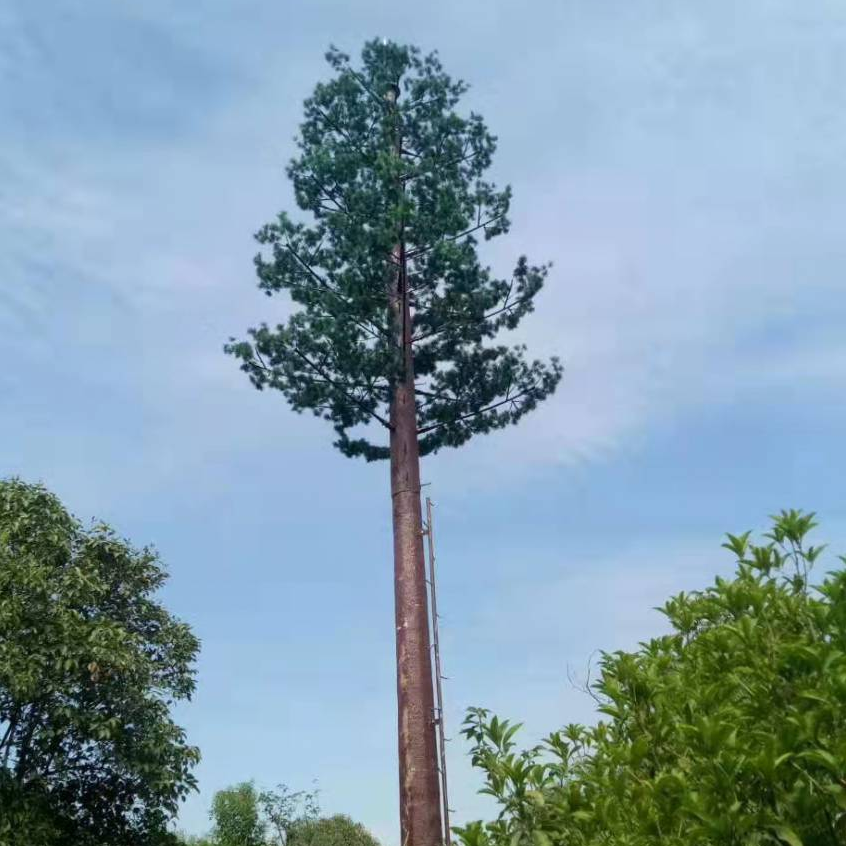
15M 28M 35M Camouflage Pine Tree Communication Tower for Landscape Telecom Infrastructure
As a professional full-range telecom tower manufacturer, JiaYao provides one-stop solutions for global projects:
Full product range: Monopole, lattice, guyed, rooftop, bionic, mobile towers and all accessories — one supplier for all needs.
Customized design: Engineering team tailors tower parameters to your local environment, load and regulatory requirements.
In-house quality control: Own CNC workshop and automatic hot-dip galvanizing line, no outsourcing, consistent quality.
Global export experience: Products exported to 55+ countries, familiar with regional standards and customs procedures.
Full technical support: Complete design documents, installation guidance and after-sales service.
Selecting the right telecom tower is the first step to a successful communication infrastructure project. By clarifying project parameters first, matching tower type to application scenario, strictly verifying quality standards and avoiding common procurement mistakes, you can get the most cost-effective, safe and durable tower solution.
If you need help selecting the optimal tower solution or want a free customized quotation for your project, contact JiaYao today. Our engineering team will provide professional suggestions within 24 hours.