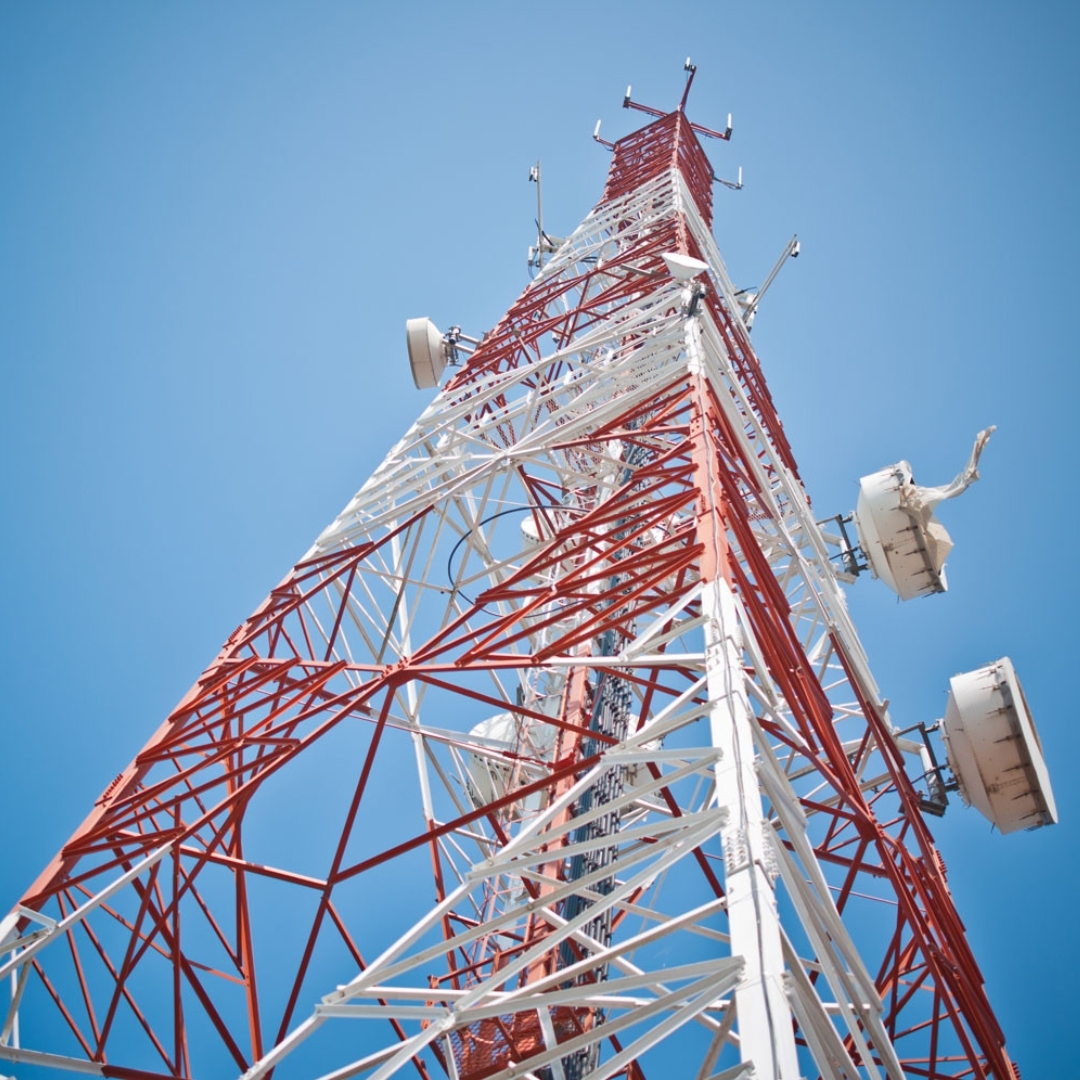
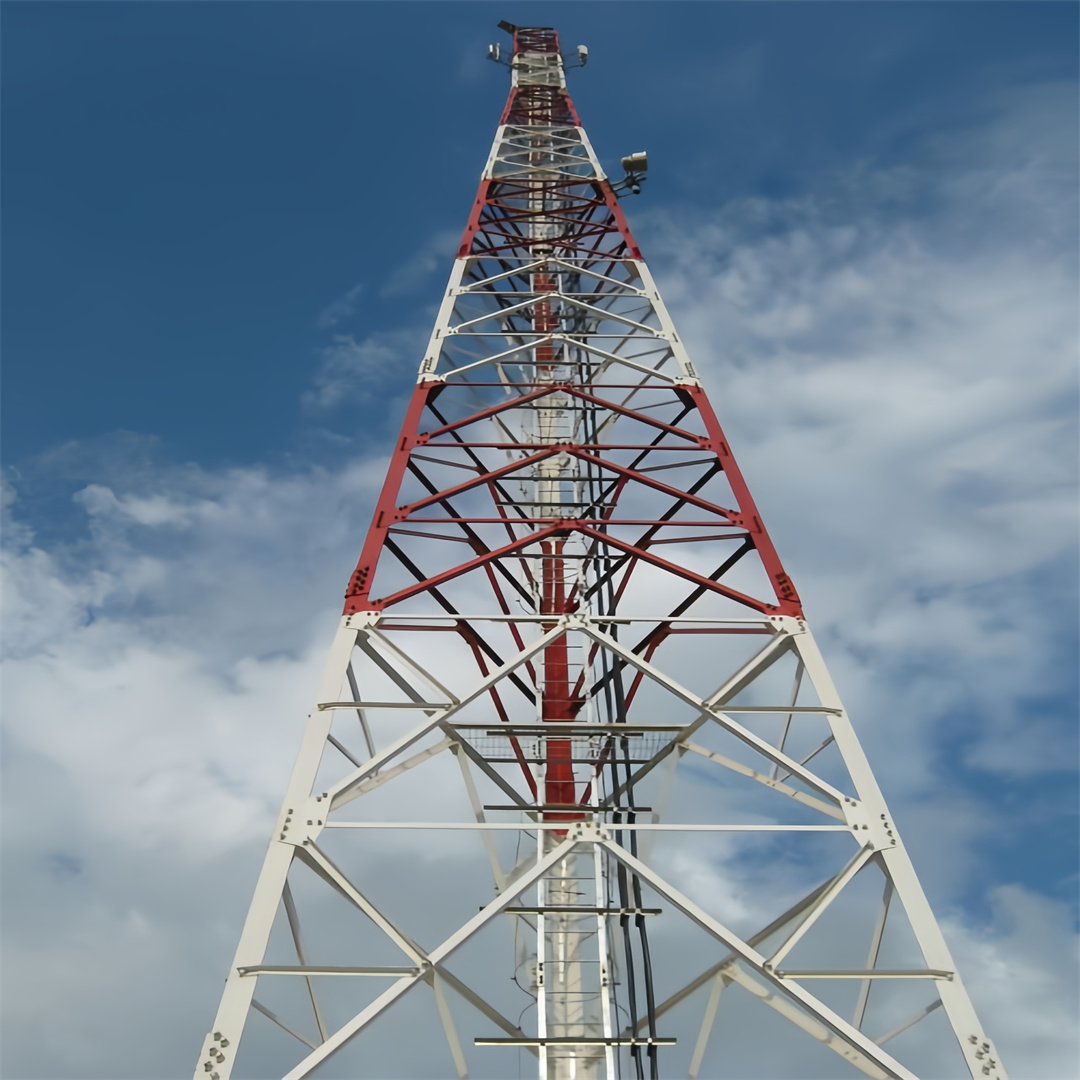
We support solutions for all types of communication towers.
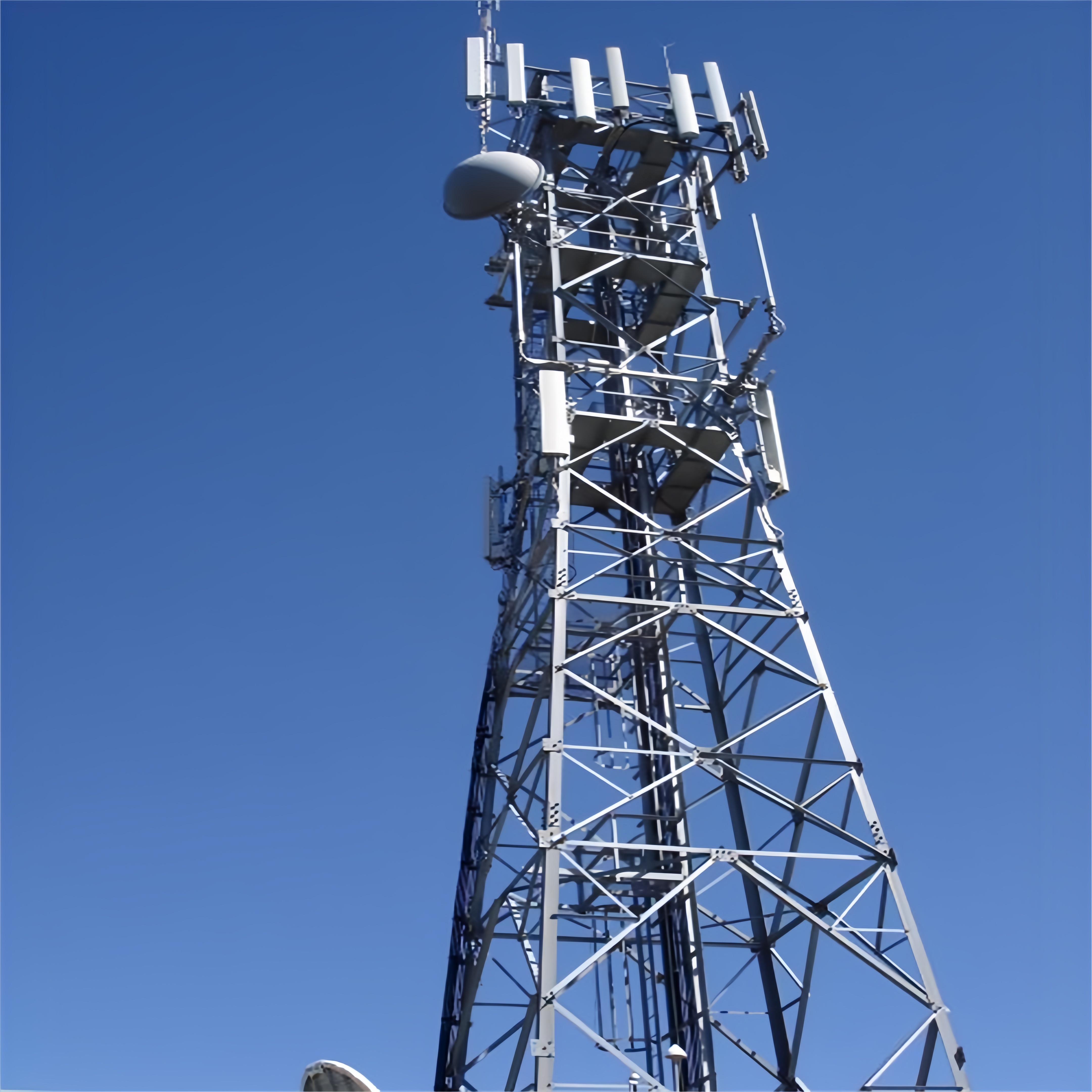
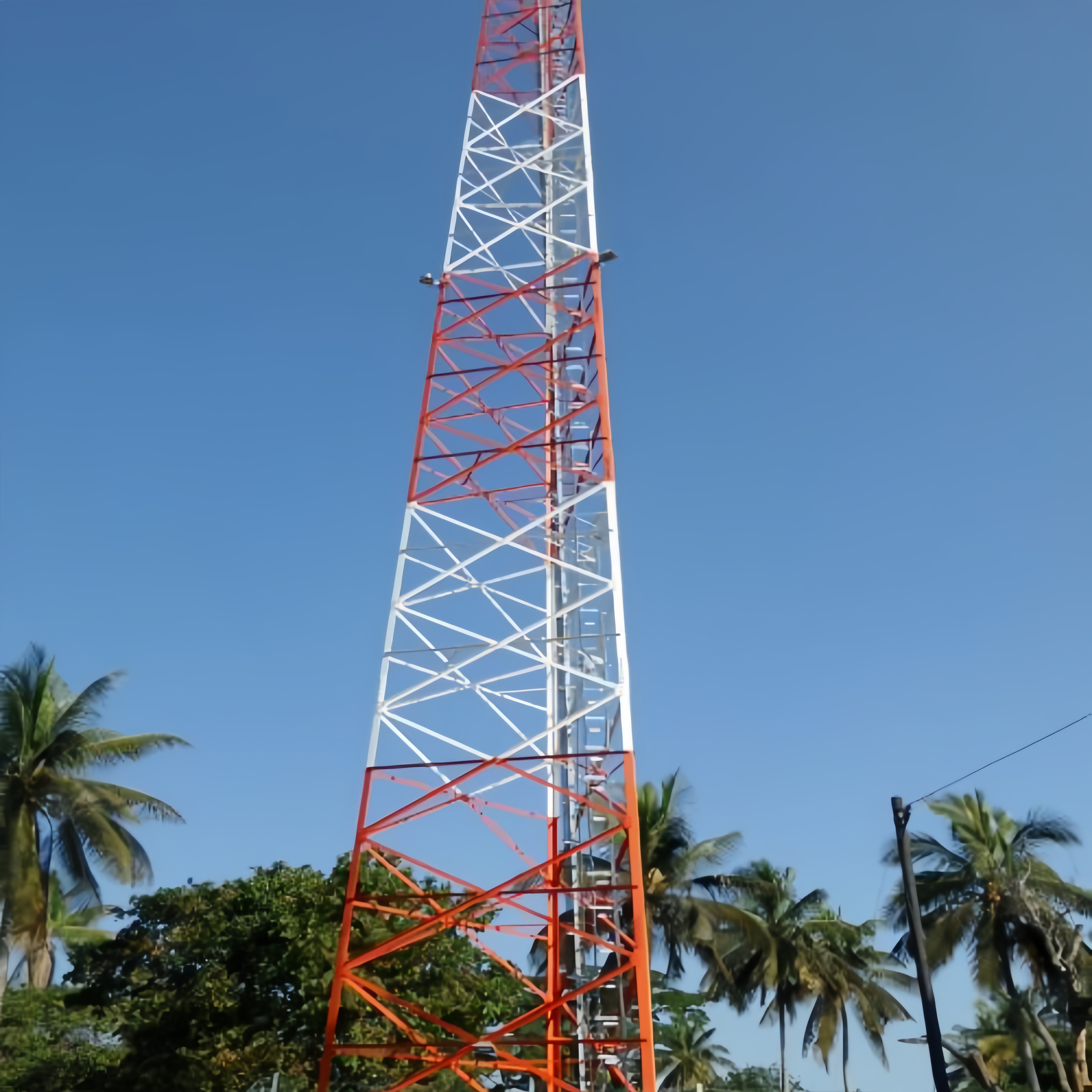
1.Angular Steel Tower
1.1 Three-Legged Angular Steel Tower :A cost-effective and economical option. Typical Height: 30m, 40m, 50m.
1.2 Four-Legged Angular Steel Tower :Chosen for higher load capacity, areas with strong winds, and greater heights. Recommended for heights over 70 meters or when supporting a large number of antennas.
Selection Guide: Use a three-legged tower for economy; choose a four-legged tower for high wind loads, greater heights, or more antennas.
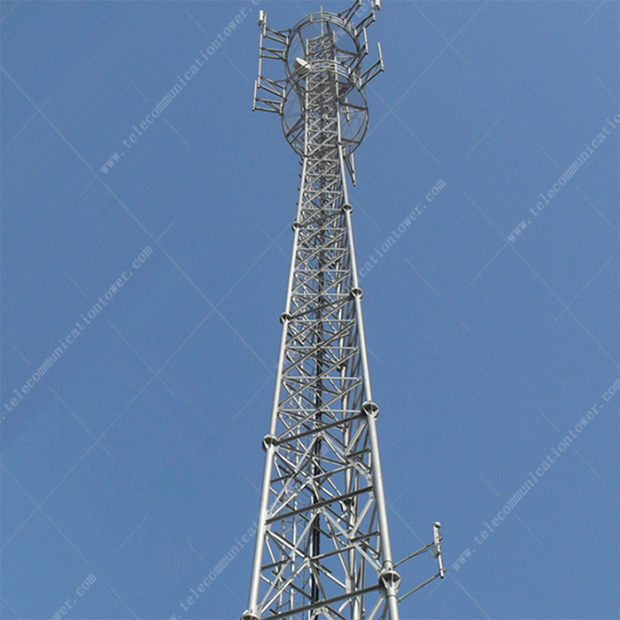
2. Tubular Steel Tower
2.1 Three-Legged Tubular Steel Tower:Features a small base footprint. A popular choice for South American markets. Typical Height: Up to 60 meters (common heights: 30m, 40m, 50m).
2.2 Four-Legged Tubular Steel Tower:Offers increased stability for heavier loads.
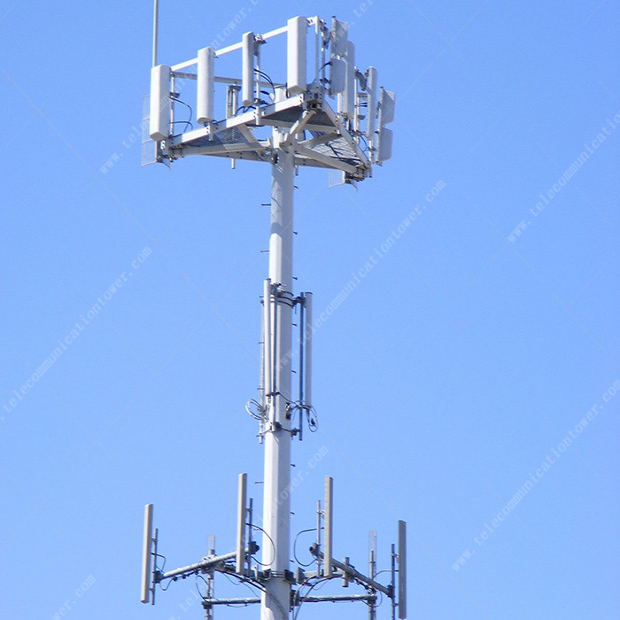
3. Monopole Tower :
Used in urban and suburban areas due to its small footprint. Aesthetically less intrusive than lattice towers.
Typical Height: 20m, 25m, 30m, 40m.
4. Guyed Mast / Guyed Wire Tower:
A tall, slender mast stabilized by guy wires (cables) anchored to the ground.Requires a larger site area for the guy wires. Used for telecommunications and as wind measurement masts.
5. Specialty & Camouflage Towers
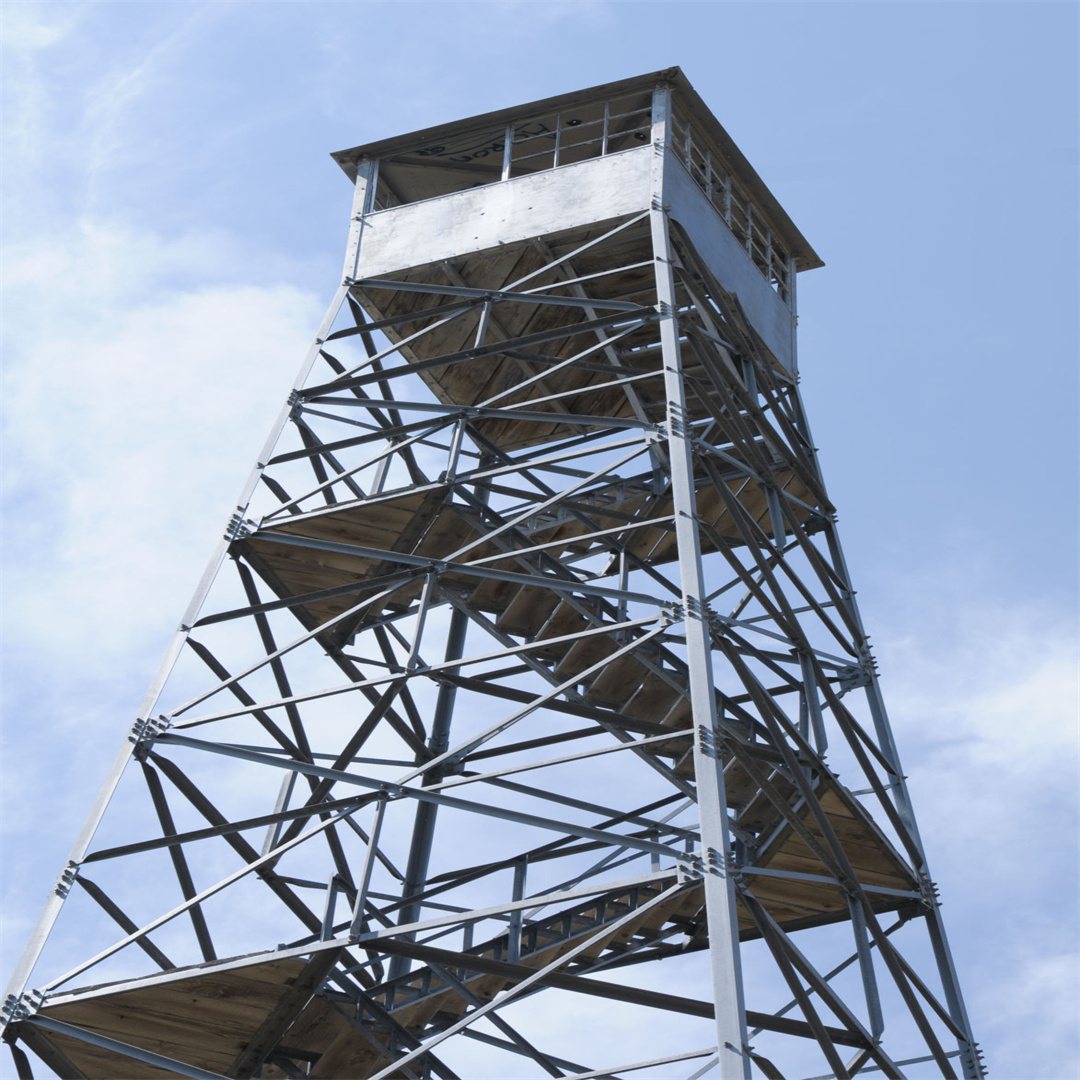
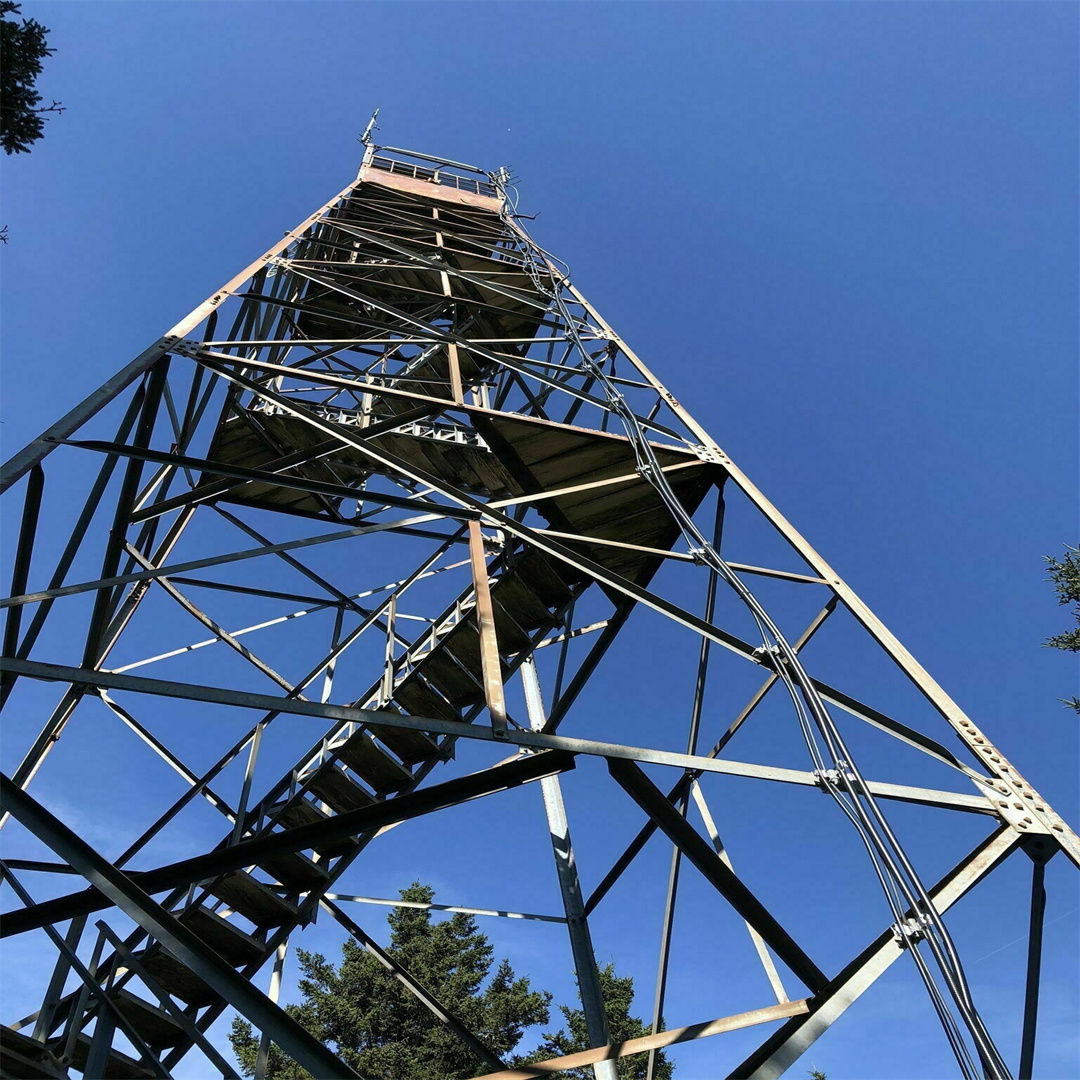
5.1 Watch Tower: For observation purposes such as forest fire prevention, prison security, and surveillance.
5.2 Surveillance Tower:Dedicated to mounting surveillance and monitoring equipment.
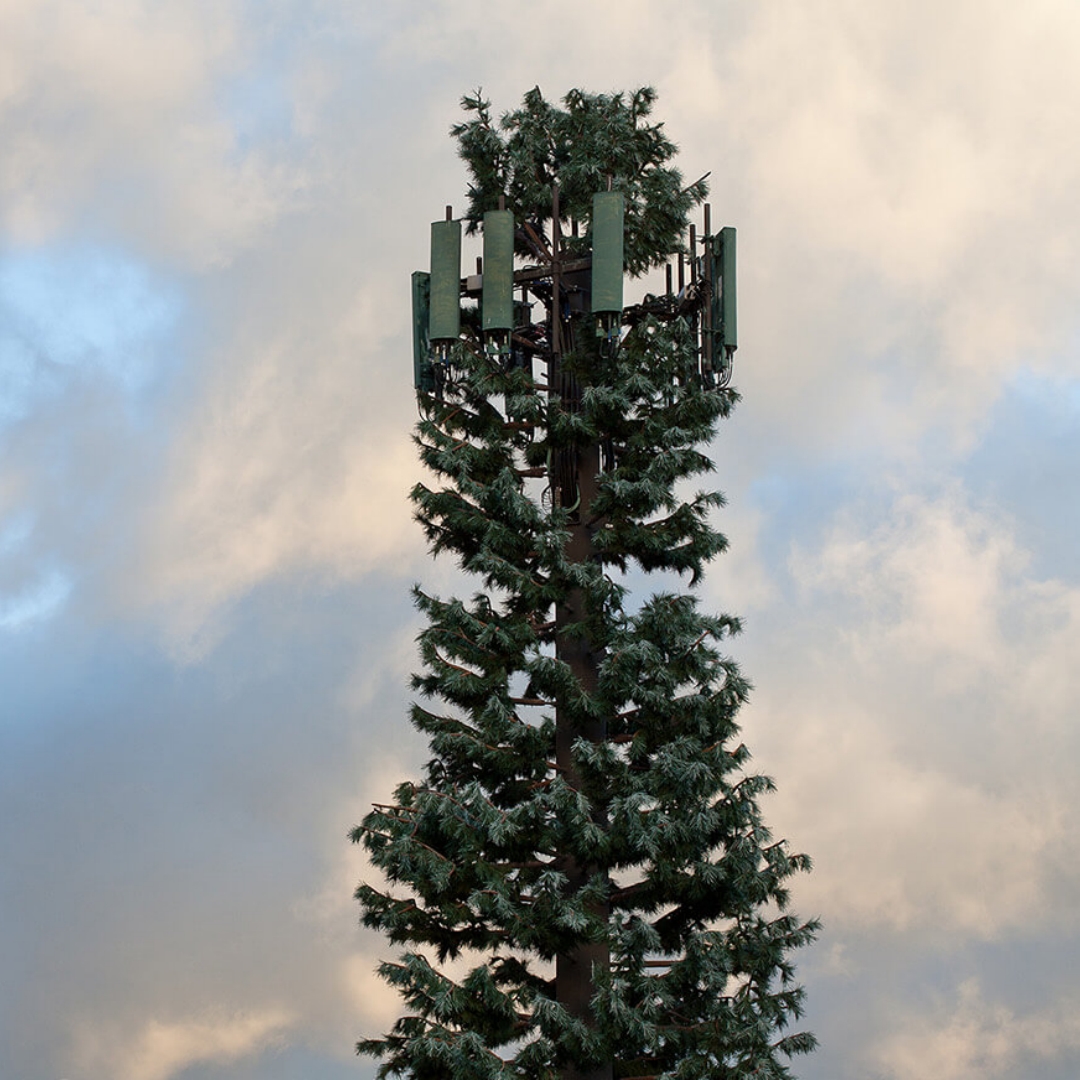
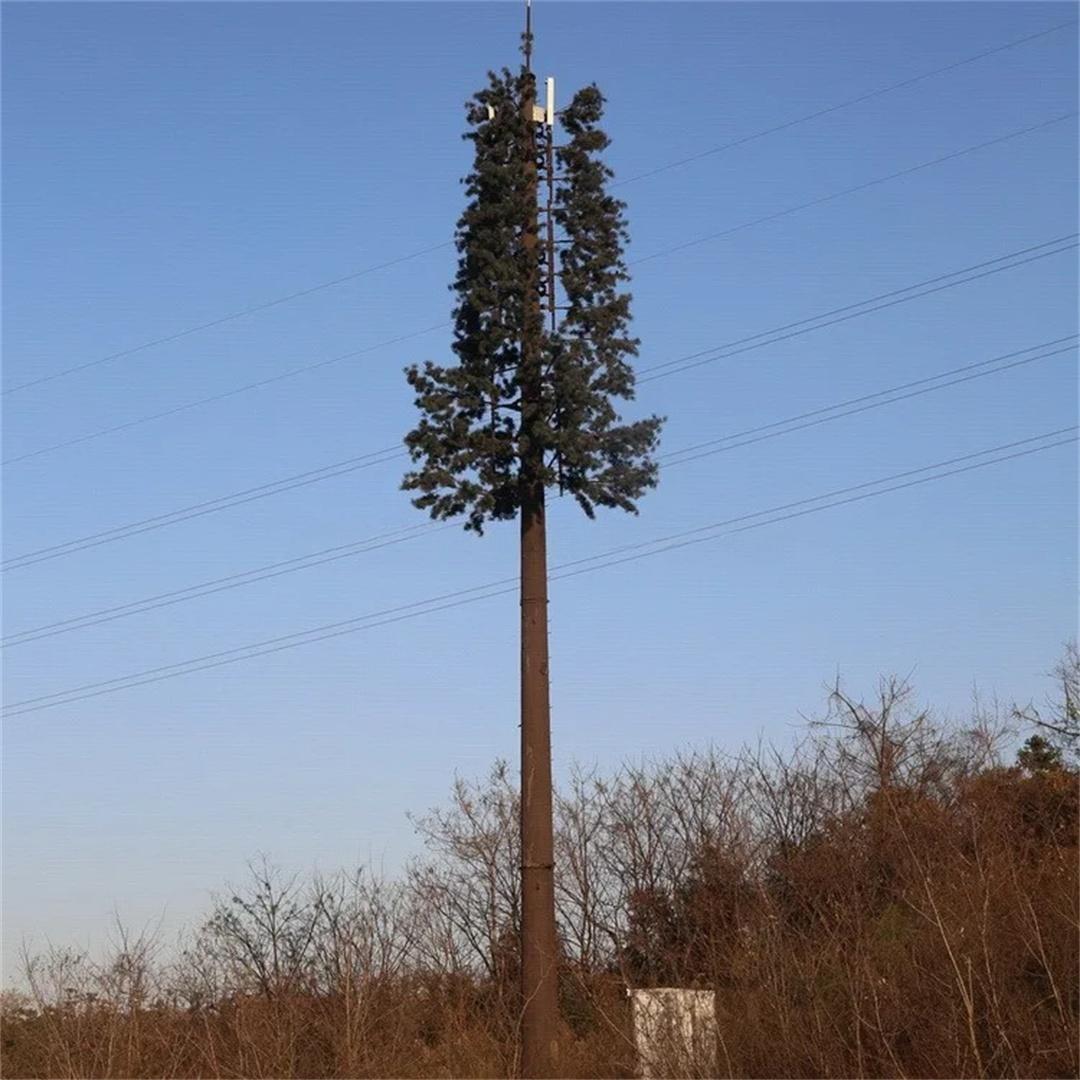
5.3 Camouflage Towers (Bionic Trees): Disguises telecom equipment to alleviate public concerns about radiation and to improve aesthetics.Types: Pine Tree Tower, Palm Tree Tower.
5.4 Roof-Top Tower: A tower structure installed on building rooftops.
6. Mobile & Temporary Solutions
6.1 Cell on Wheels (COW) / Telescopic Tower: A mobile, trailer-mounted telescopic tower for providing temporary coverage at events or in emergency situations.
7. Additional Structures & Components
7.1 Wind Measurement Tower: A structure (often a guyed mast) equipped with instruments to measure wind speed and direction.
7.3 Light Tower: A tower designed for high-intensity lighting, typically for large areas.
7.4 Power Transmission Tower: Lattice structure for transmitting electrical power over long distances. Noted as a cost-effective product.
What issues should be considered when selecting and installing communication towers?
When selecting and installing a communication tower, several critical engineering and environmental factors must be considered to ensure safety, performance, and cost-effectiveness. The main issues are summarized below:
1. Environmental Loads & Site Conditions
Wind Speed: This is a primary design factor. It is determined by the geographic region, local terrain (e.g., open countryside, urban area) . Higher wind speeds require stronger, and often more expensive, tower designs.
Exposure category: The location of the tower relative to the wind-exposed area, such as coastal areas (corrosive salt spray) or inland/open areas, would recommend the selection of galvanized materials.
Topography (Terrain Category): The ground where the tower is installed significantly influences wind loads. Installation on a hill or mountain top experiences higher wind loads than on flat ground, necessitating a more robust foundation and structure.
2. Structural & Design Specifications
Antenna Load Area: The number, size, weight, and wind load of antennas dictate the tower's required strength. A tower designed for 10 antennas will be significantly larger, heavier than one for 2 antennas.
Torsional Angle (Twist): This refers to the allowable rotation of the tower top under wind load. Tighter specifications (e.g., 0.5 degrees) are required for sensitive microwave antennas to maintain signal alignment, while standard towers may allow 1 to 1.5 degrees.
Design Standards : American Standard, European Standard, and Chinese Standard.
3. Cost Implications
Tower Weight and Size: A heavier and larger tower requires more steel and higher manufacturing and transportation costs.
Foundation Complexity: Sites with poor soil conditions or high wind loads (like hills) require larger, more complex foundations.
Material and Coating: Locations with high corrosion (e.g., coastal areas) require enhanced protective coatings, increasing cost.
Our Advantages:
As a leading communication tower manufacturer, we possess extensive industry experience, with a diverse range of our products successfully exported to the United States, Europe, and 55 other countries and regions.
We source raw materials exclusively from top-tier Chinese steel producers such as HBIS Group, Baowu Steel Group, and Shougang Group, ensuring the structural integrity and reliability of every communication steel tower we produce.
Our company is ISO 9001 certified, offering a comprehensive product portfolio and supporting fully customized solutions to meet specific project requirements.
Through integrated in-house operations, we maintain strict control over every stage of production—from design, R&D, and laboratory testing to quality inspection, galvanization, and manufacturing—guaranteeing excellence across all our communication tower systems.