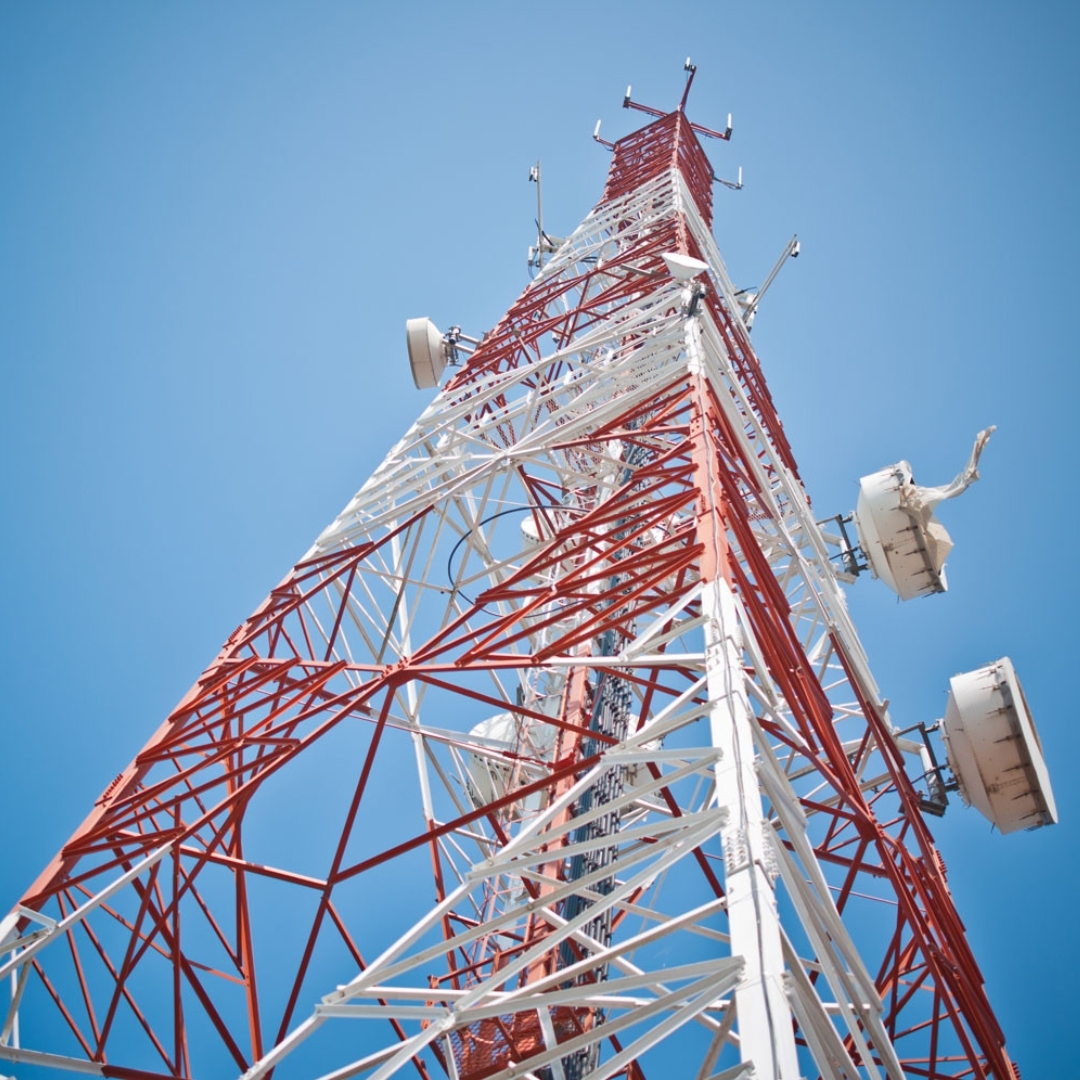
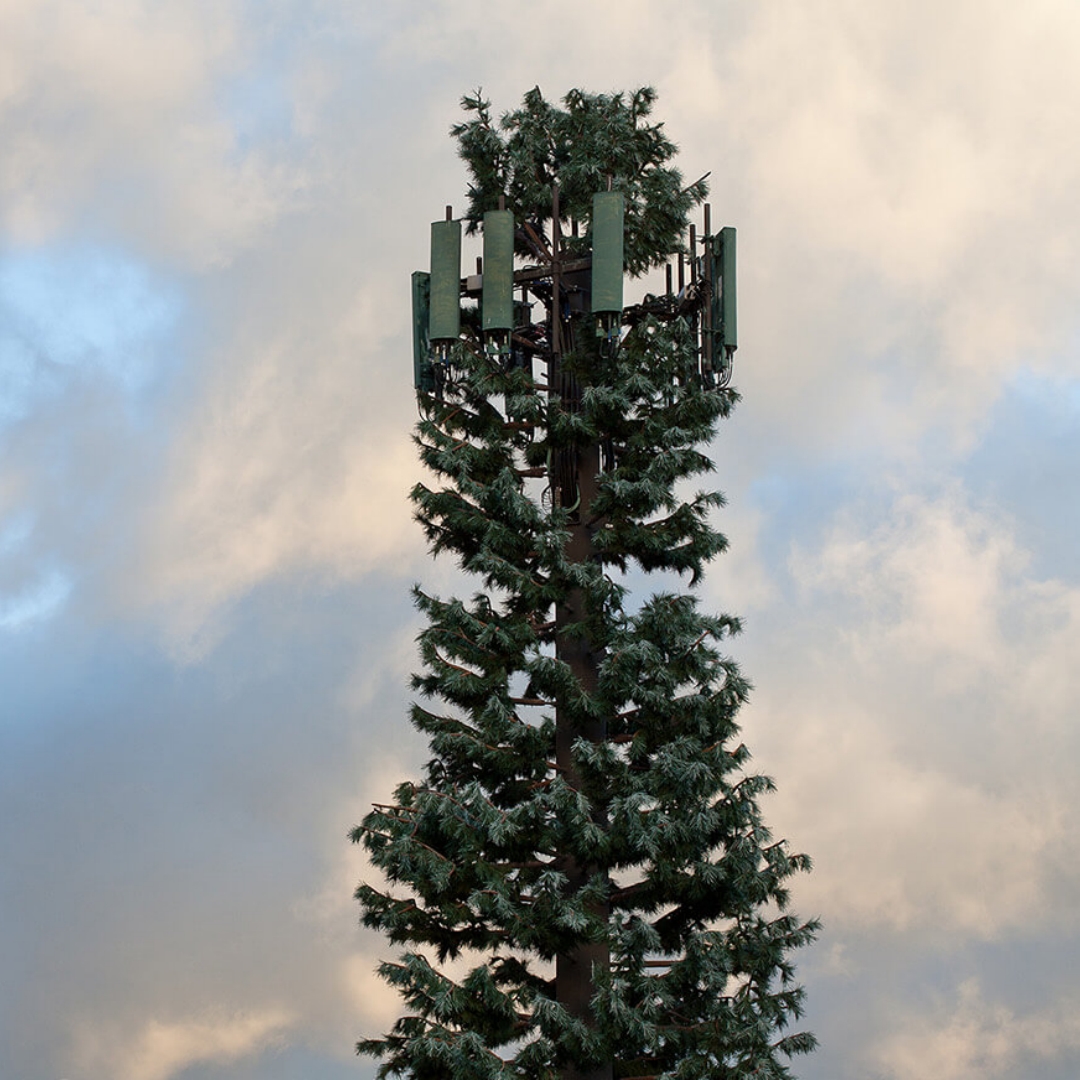
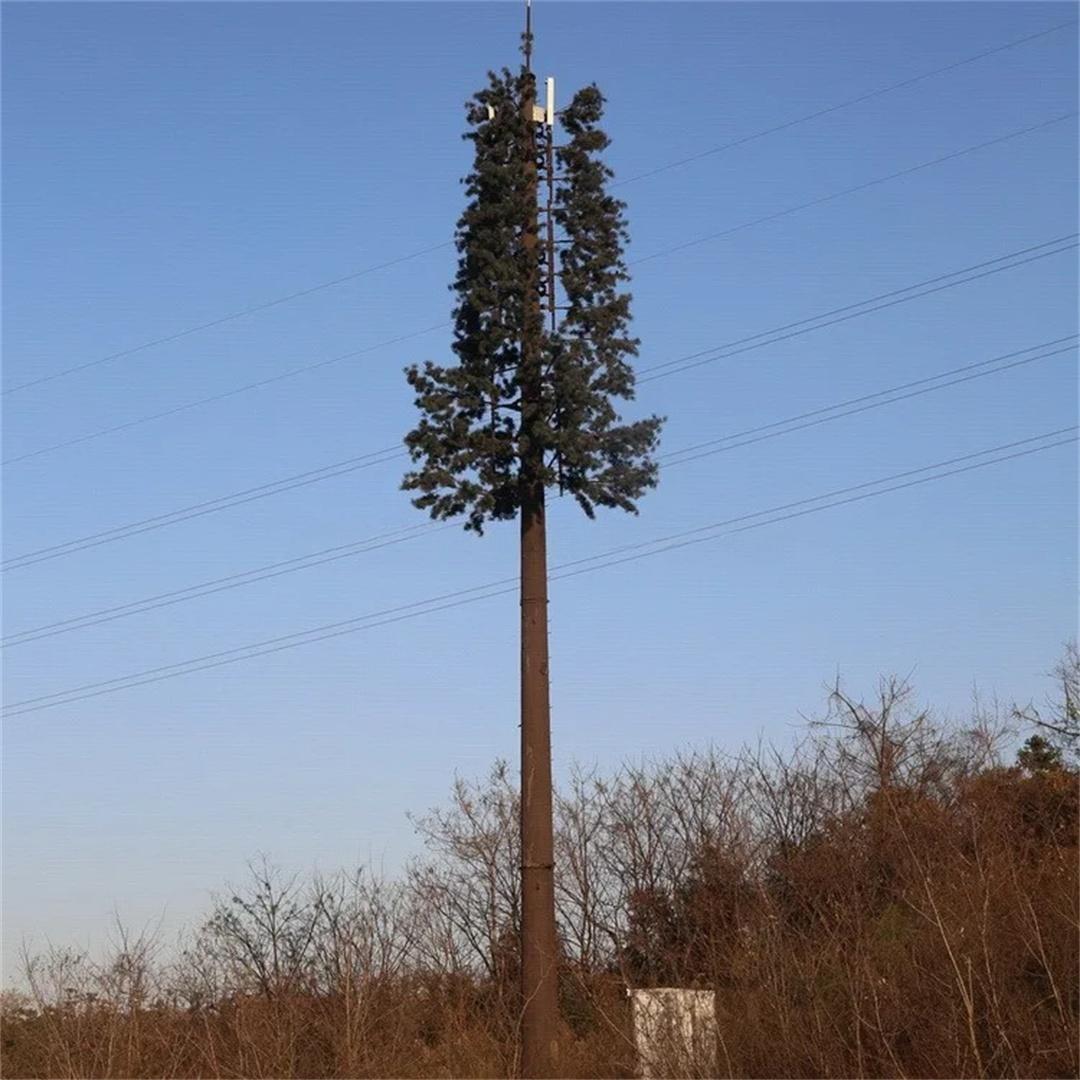
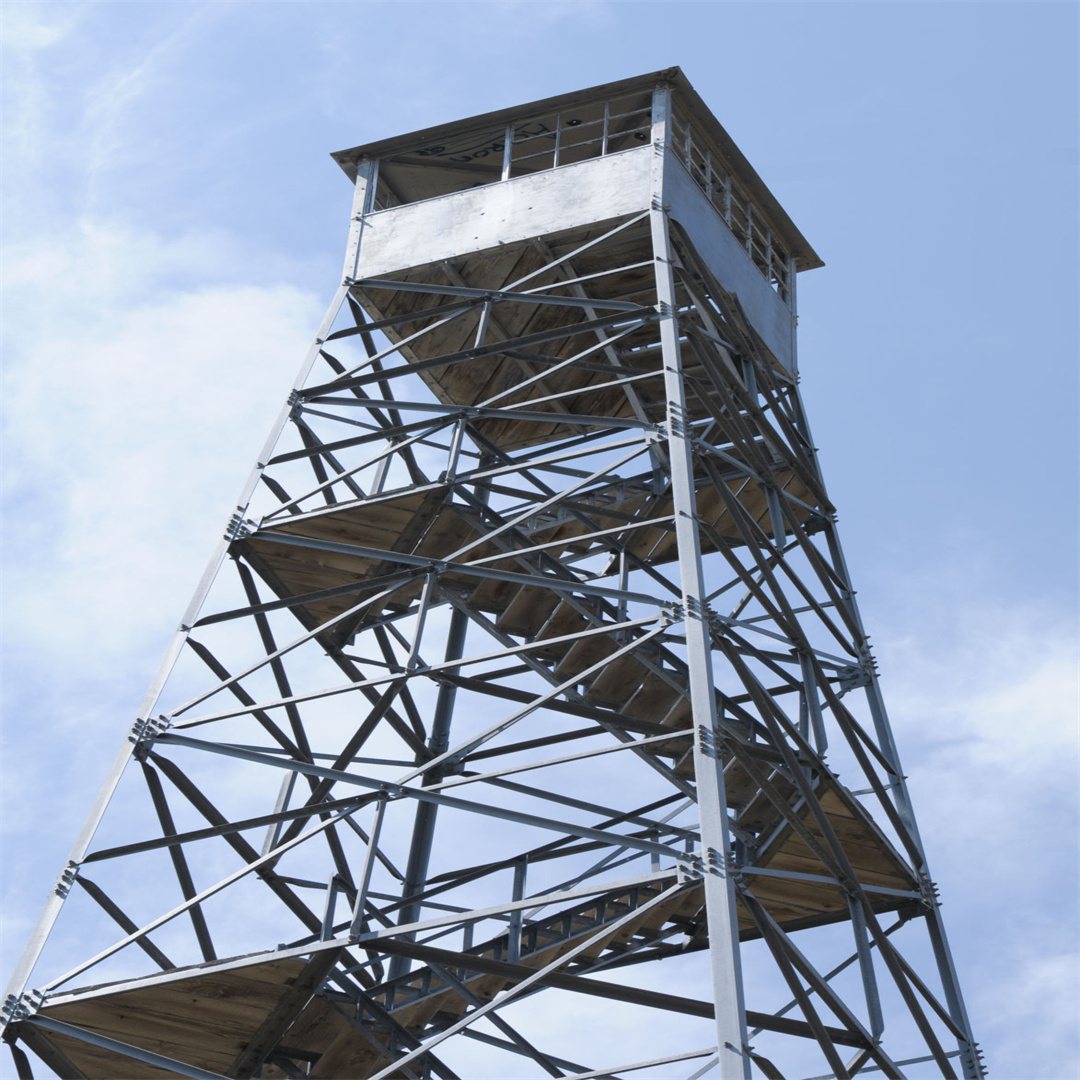
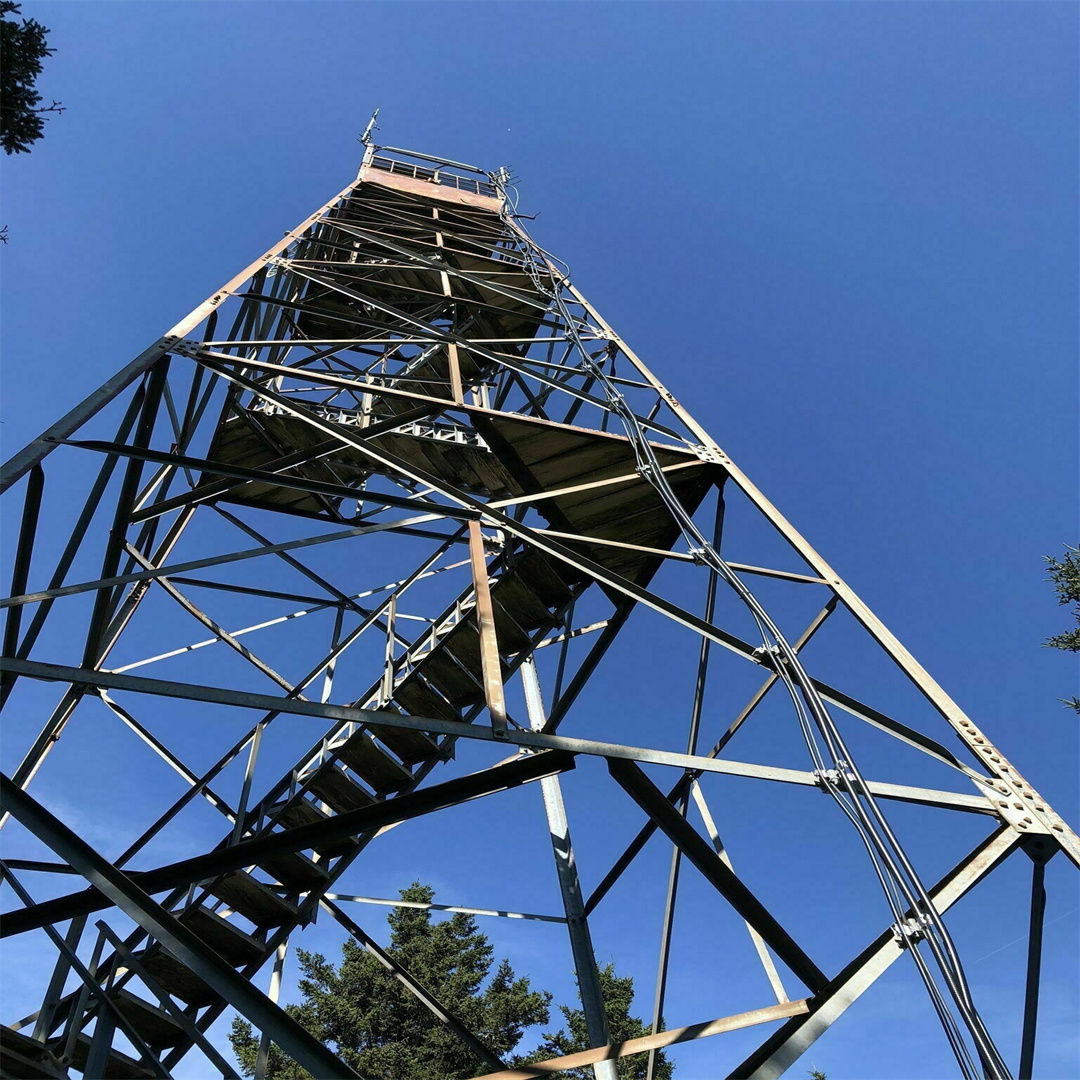
Pine Tree Telecom Tower: The most popular variant for temperate and subtropical regions, featuring realistic pine needle foliage, textured bark, and tapered trunks that match natural pine tree proportions. Typical heights range from 15m to 35m, with customizable foliage density to blend into local forested areas, scenic spots, and golf courses. Its internal steel frame supports 4-8 standard 5G antennas, with all cables and equipment hidden inside the trunk to eliminate visual exposure.
Palm Tree Telecom Tower: Tailored for tropical and coastal regions, with realistic fan-shaped palm fronds, smooth trunk texture, and corrosion-resistant materials to withstand salt spray and high humidity. Typical heights range from 20m to 40m, ideal for beach resorts, coastal residential areas, and tropical scenic zones. Unlike pine tree variants, palm tree towers feature a wider upper canopy to hide microwave dishes and high-capacity antennas without disrupting the natural palm tree silhouette.
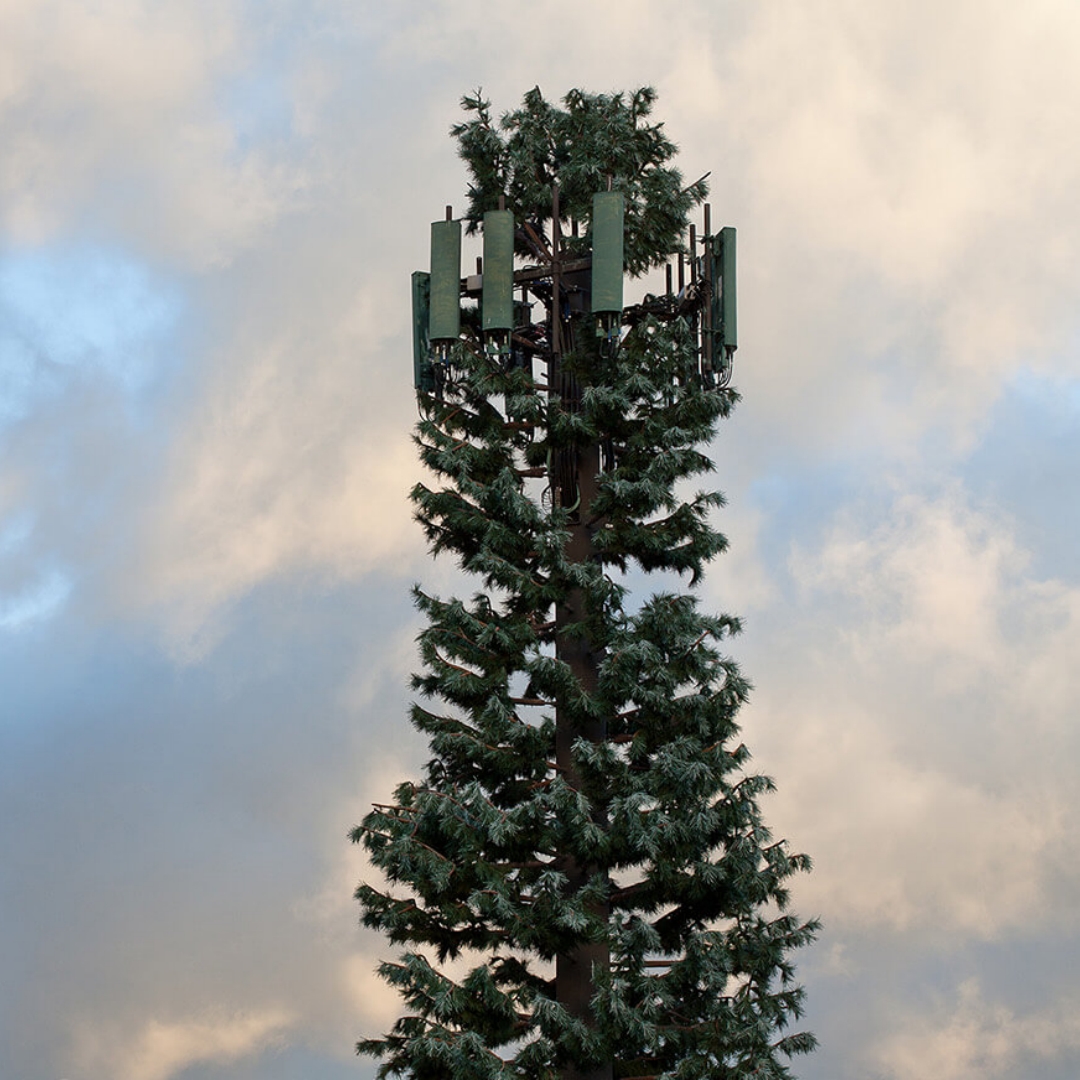
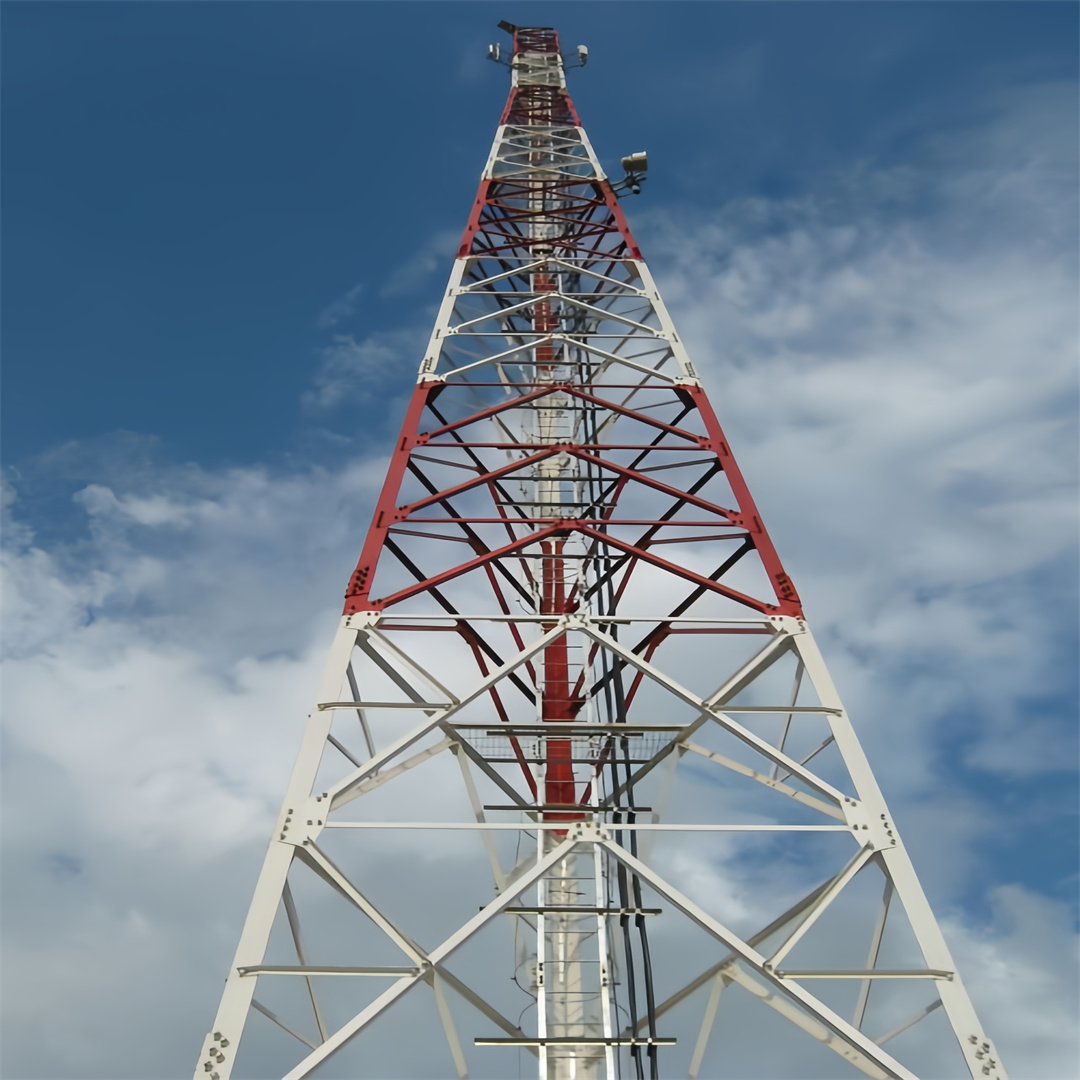
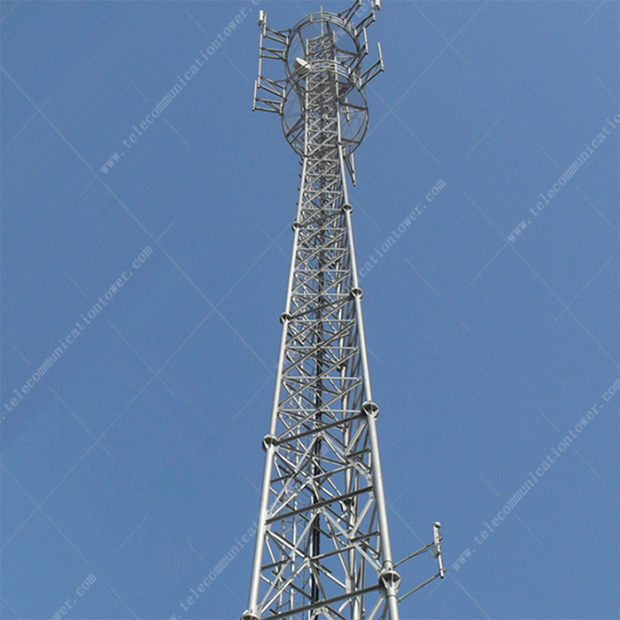
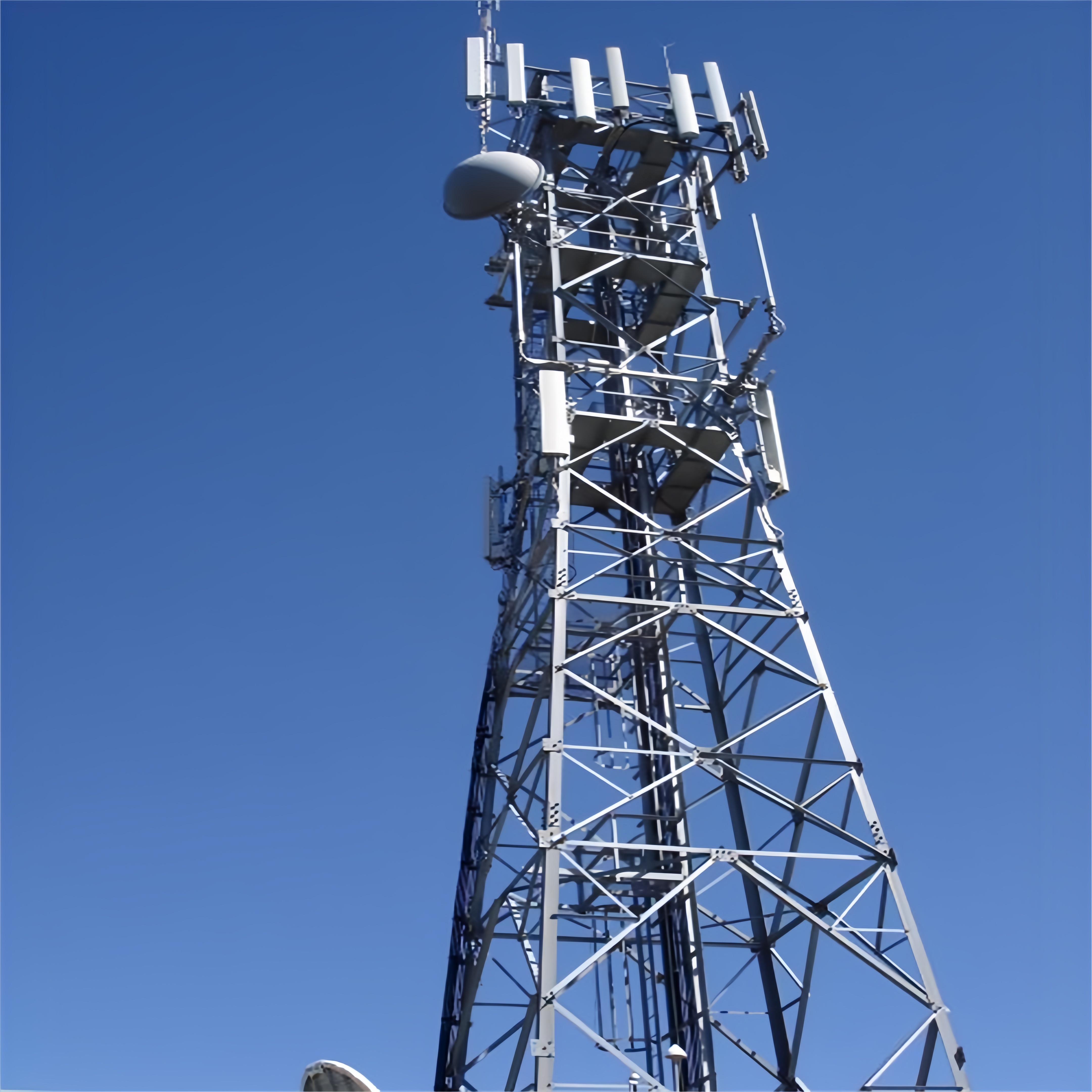
Mini Lattice Roof-Top Tower: A 3-legged or 4-legged compact lattice structure, with heights from 8m to 20m, designed for buildings with high load-bearing capacity (e.g., commercial office buildings, shopping malls). Its lightweight lattice frame distributes weight evenly across the building’s structural columns, avoiding overloading of rooftop slabs, and supports up to 12 5G antennas for wide urban coverage.
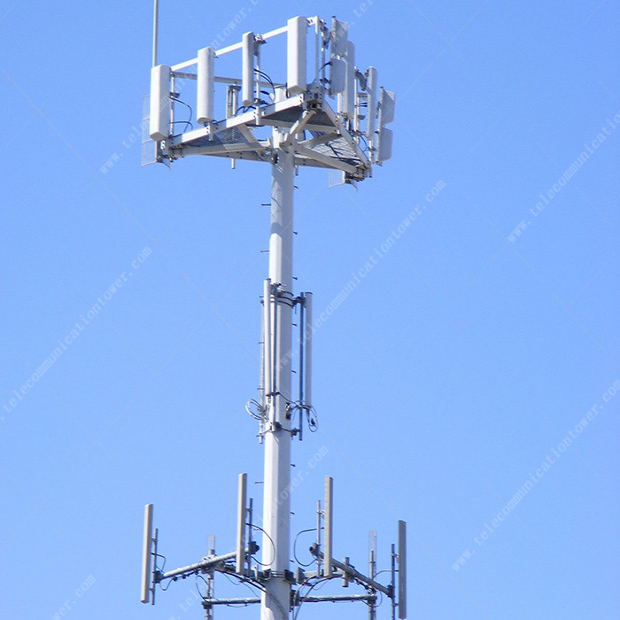
Monopole Roof-Top Tower: A slim single-shaft structure, with heights from 5m to 15m, designed for residential buildings and low-rise structures with limited load capacity. Its small base footprint (≤3㎡) minimizes disruption to rooftop utilities (HVAC systems, drainage), and its sleek design can be painted to match the building’s exterior for minimal visual impact.
Forest fire prevention: Deployed in national parks and forested areas, with integrated smoke detectors and thermal imaging cameras to detect wildfires early.
Correctional facility security: Installed in prisons and detention centers, with anti-climb barriers and bulletproof glass for enhanced personnel safety.
Border patrol and port security: Used to monitor border crossings, container terminals, and freight yards, with integrated long-range cameras and communication systems.
Key features include internal climbing ladders with fall-arrest systems, weatherproof observation cabins, and optional integrated lighting and emergency alarm systems.
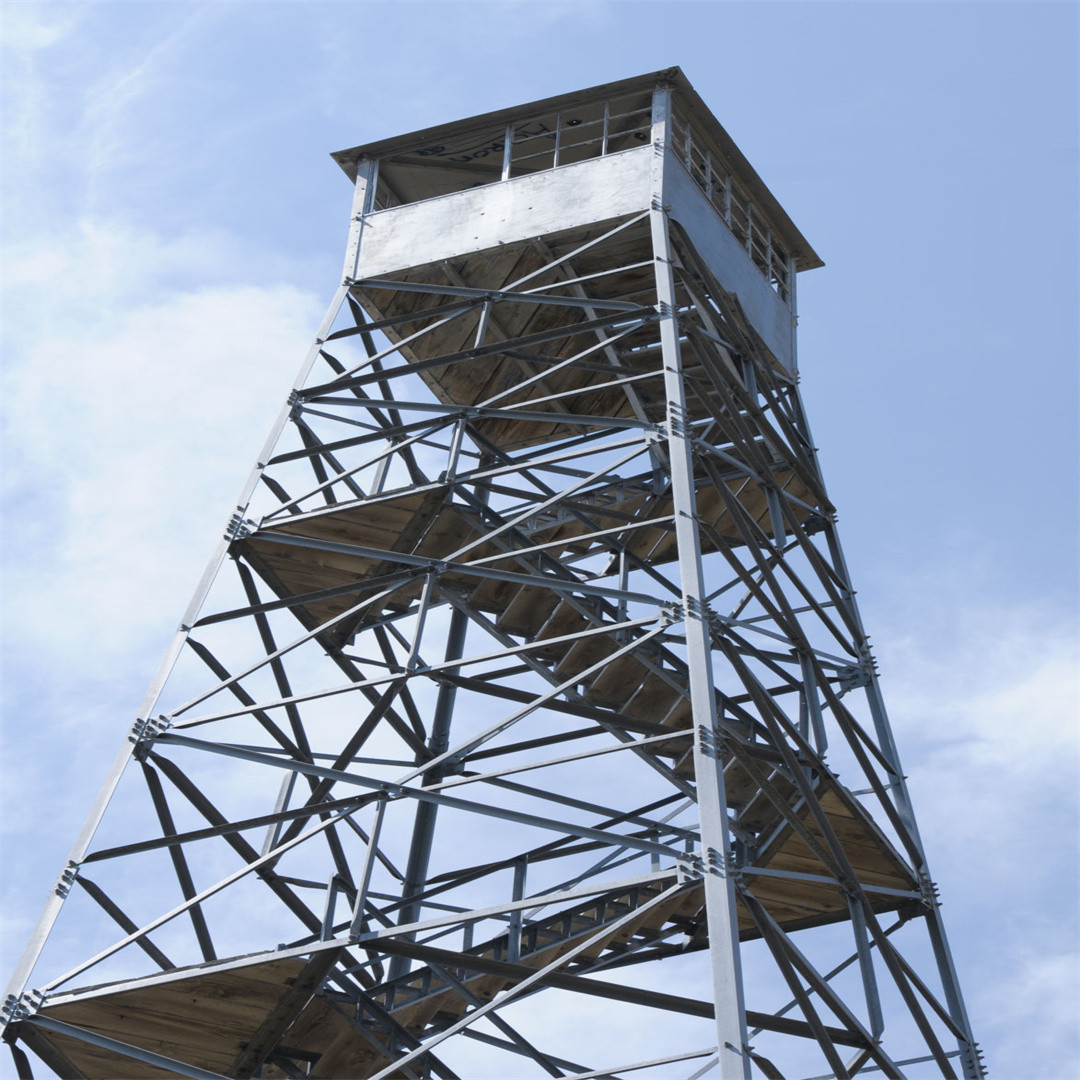
High-definition 4K CCTV cameras and thermal imaging devices
License plate recognition and motion detection sensors
Perimeter intrusion alarm systems and emergency broadcast speakers
Core Structural Materials: High-strength structural steel sourced exclusively from top-tier Chinese steel mills including HBIS Group, Baowu Steel Group, and Shougang Group. For bionic tree and roof-top towers, we use lightweight Q345B steel to minimize load weight, while watch and surveillance towers use heavy-duty ASTM A36 steel for enhanced rigidity.
Camouflage Materials: Bionic foliage and bark are made from UV-resistant, weatherproof fiberglass and high-density polyethylene (HDPE), with a 5+ year colorfastness guarantee and resistance to extreme temperatures (-40℃ to 80℃).
Corrosion Protection: All steel components undergo full hot-dip galvanization in compliance with ASTM A123 standards, with a minimum zinc layer thickness of 85μm to resist corrosion, salt spray, and humidity. For coastal projects, we offer an additional epoxy coating for enhanced corrosion resistance.
Compliance & Certification: All towers are ISO 9001 certified, with designs adhering to international standards including TIA-222-H (telecom tower safety), IEC 62305 (lightning protection), and regional building codes (Chinese GB, American ANSI, European Eurocode).
Project Scenario: For scenic areas and residential zones, choose bionic tree towers; for urban 5G coverage, select roof-top towers; for perimeter security, opt for watch or surveillance towers.
Environmental Conditions: For coastal tropical regions, select palm tree towers with enhanced corrosion protection; for high-wind areas, choose reinforced lattice designs with higher wind resistance ratings.
Load Requirements: Calculate the number and weight of antennas, cameras, or sensors to ensure the tower’s load capacity meets current and future needs.
Site Constraints: For narrow or low-load sites, select compact monopole roof-top towers; for remote off-grid areas, choose solar-integrated surveillance or watch towers.
Quarterly Inspections: For all tower types, check bolt tightness, cable integrity, and equipment mounting stability. For bionic tree towers, inspect foliage for damage or loosening; for roof-top towers, verify anchor integrity to the building structure.
Semi-Annual Maintenance: Clean camera lenses and antenna surfaces to ensure optimal performance; inspect galvanized steel surfaces for corrosion, touching up damaged areas with zinc-rich paint.
Annual System Checks: Test lightning protection systems, fall-arrest equipment, and emergency alarm systems for watch towers; verify the structural verticality of all towers to ensure compliance with safety standards.
5-Year Foliage Replacement: For bionic tree towers, replace UV-exposed foliage every 5 years to maintain realistic appearance and structural integrity.