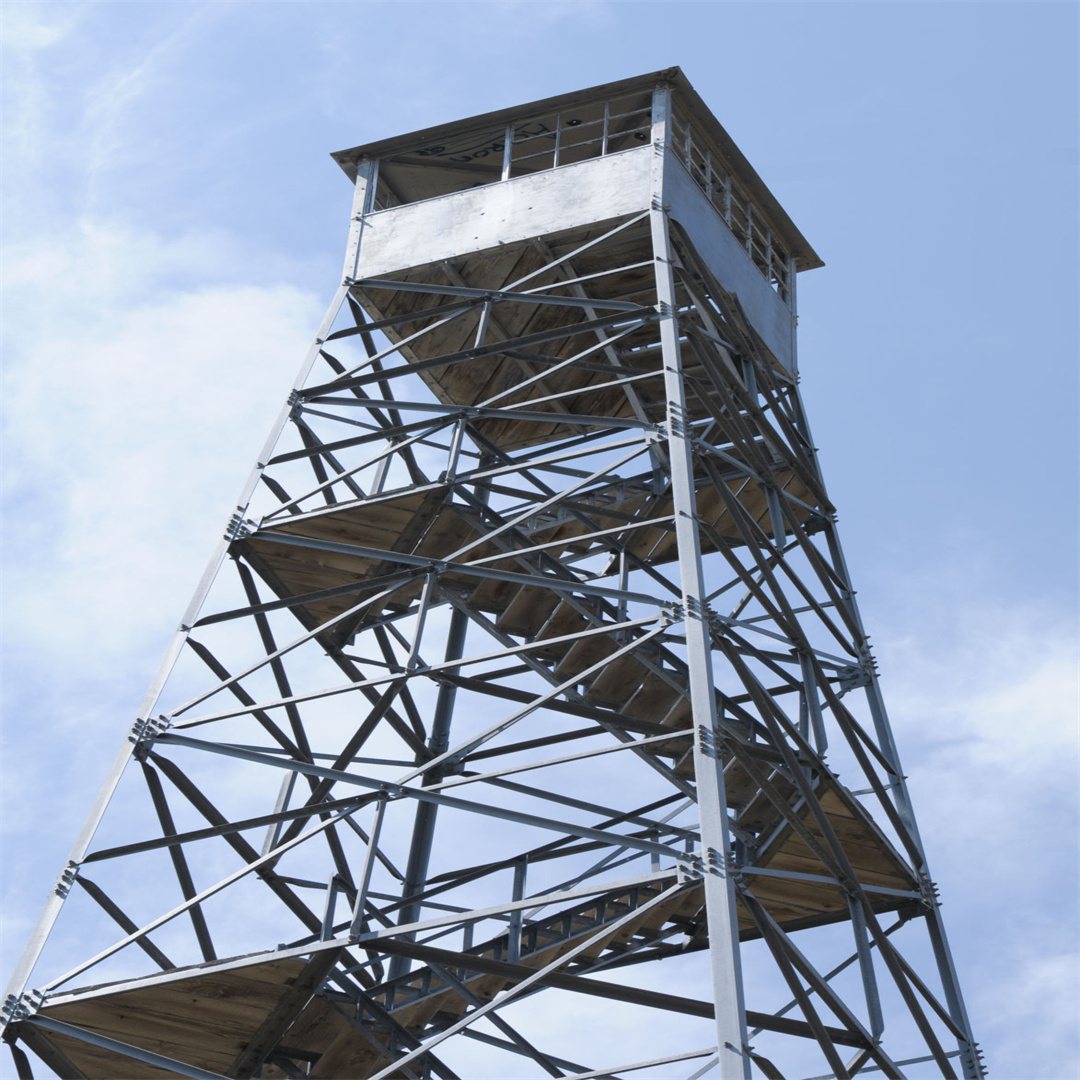
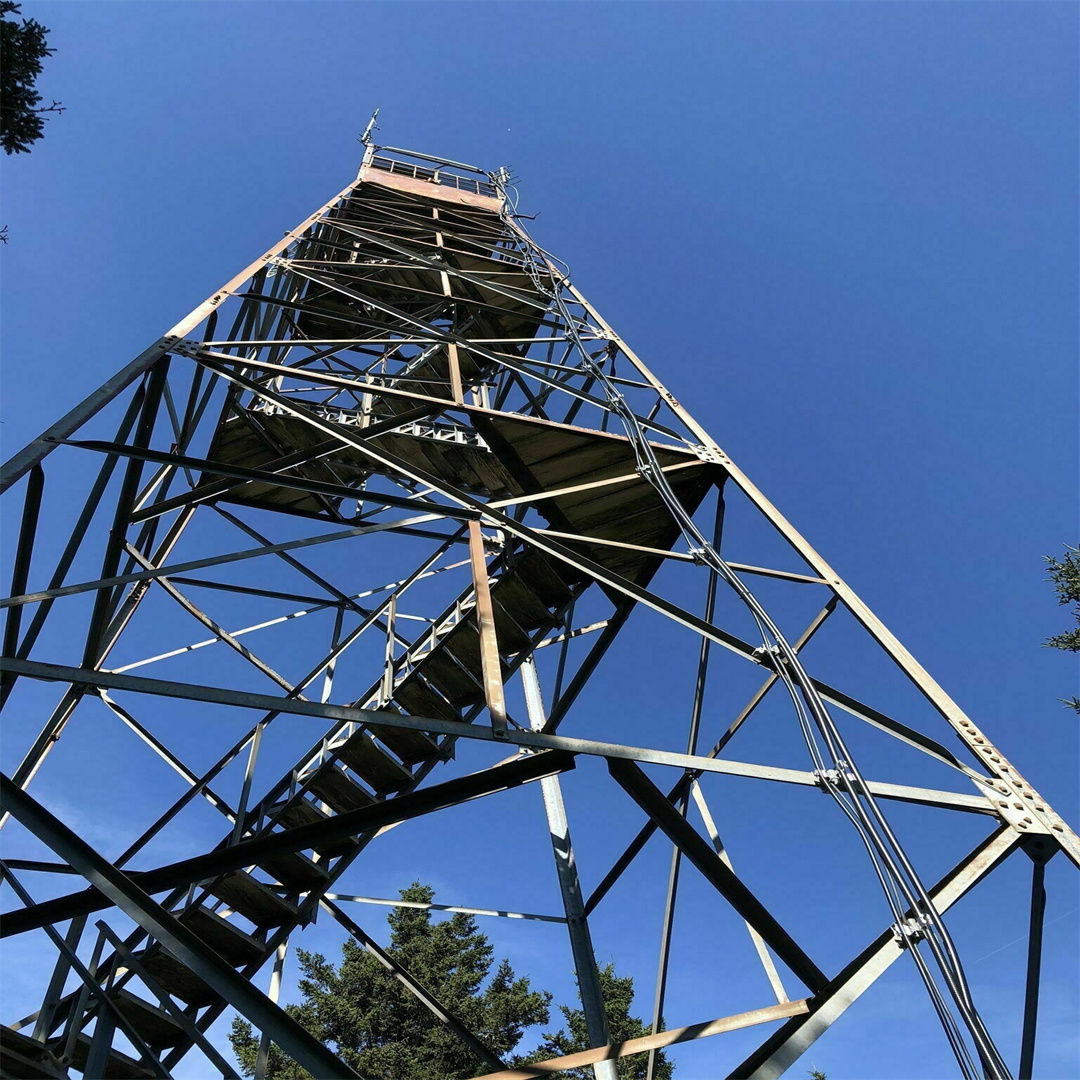
Angular steel towers are the most widely used self-supporting lattice structures in global telecommunication, power transmission, and surveillance infrastructure. As a core product line of JiaYao, angular steel towers are fabricated from high-strength L-shaped angle steel, with two primary sub-categories: three-legged and four-legged variants. While both share the core benefits of lattice design—high strength, cost efficiency, and easy assembly—each variant is engineered for specific project needs, with distinct differences in load capacity, height range, wind resistance, and cost performance. This guide breaks down the detailed specifications, use cases, and selection logic of these two tower types, helping project teams choose the optimal solution for their infrastructure needs.
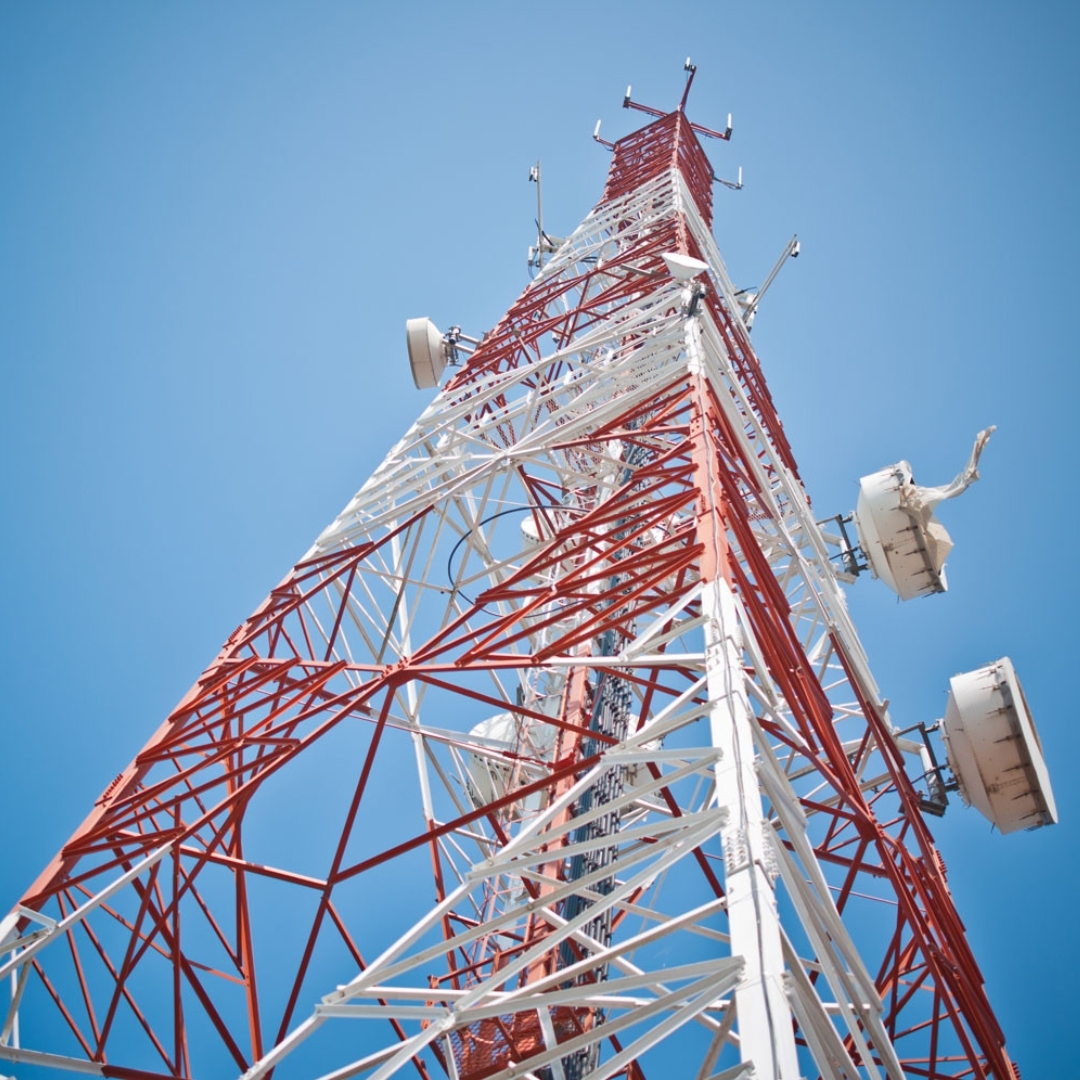
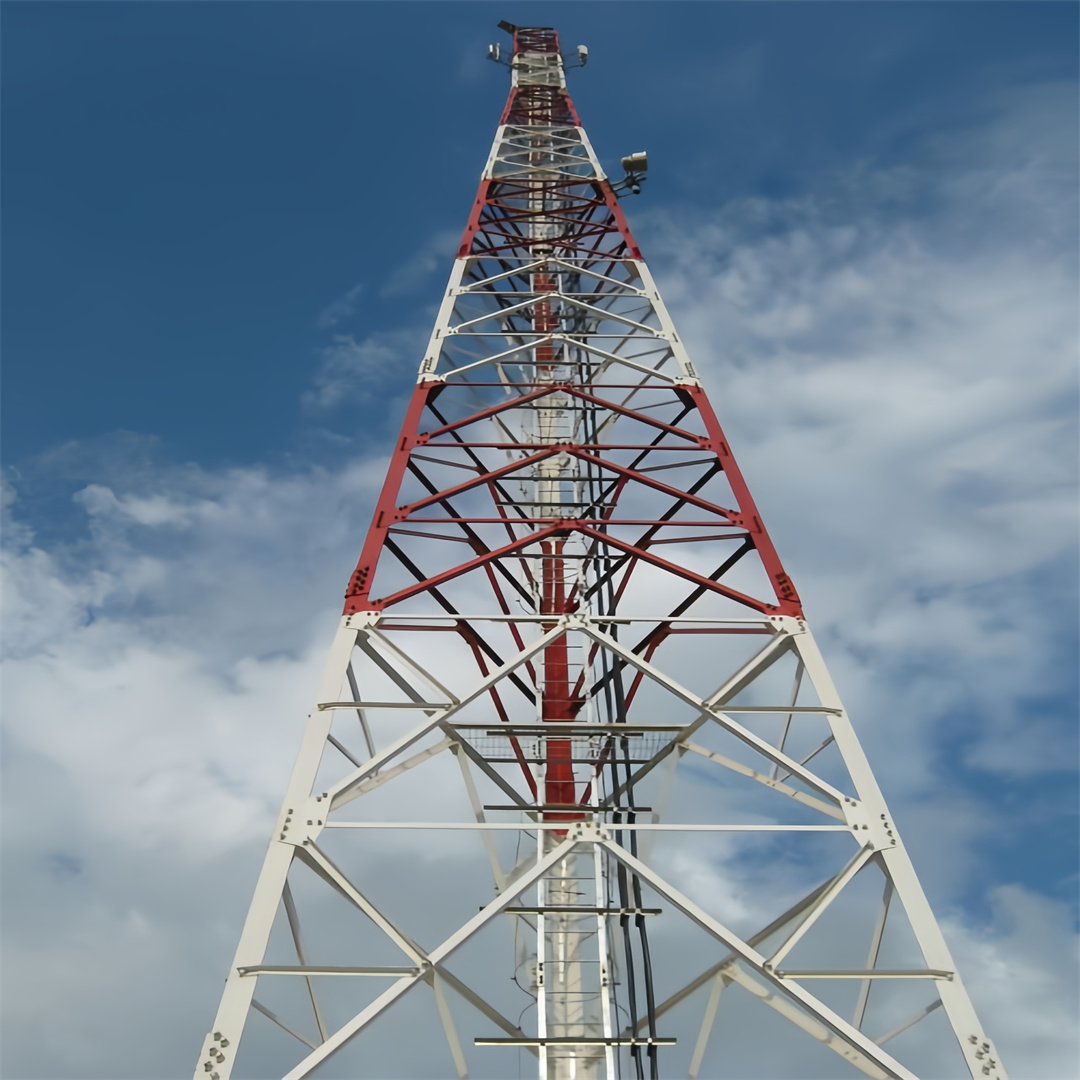
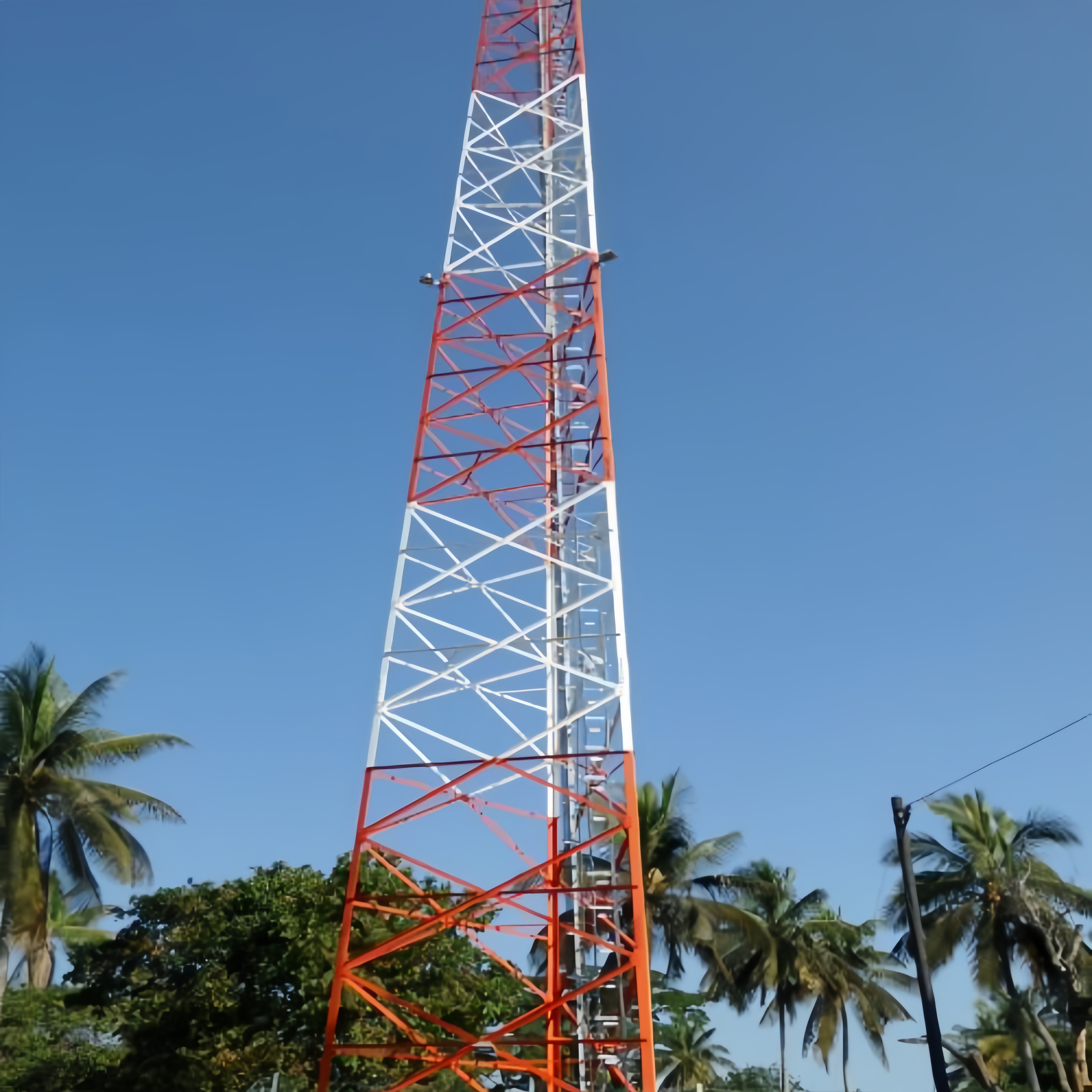
The four-legged angular steel tower features a square or rectangular lattice frame, with four vertical angle steel legs reinforced by X/K-type cross bracing for enhanced rigidity. This variant is engineered for heavy-load, high-height, and extreme environment projects, with a recommended height of over 70m for large-scale deployments. Its wider base and four-point support system deliver superior stability, making it the industry standard for high-capacity telecom and power transmission projects.
Core Steel Material: High-strength structural angle steel (Q235B/Q345B for domestic projects, ASTM A36/A572 Grade 50 for international markets), ensuring consistent load-bearing performance and weldability.
Corrosion Protection: All components undergo full hot-dip galvanization in compliance with ASTM A123 standards, with a minimum zinc layer thickness of 85μm to resist salt spray, humidity, and industrial pollutants—delivering a 30+ year service life.
Fabrication & Compliance: Prefabricated in JiaYao’s in-house facility with ISO 9001 certified processes, all towers meet global design standards including TIA-222-H (telecom tower safety), GB 50017 (Chinese steel structure code), ANSI/AISC 360 (American standard), and Eurocode 3 (European standard).
Assembly Design: Pre-punched holes and high-tensile stainless steel bolts (ISO 898 Grade 8.8) eliminate the need for on-site welding, reducing installation time and ensuring consistent structural integrity.
| Performance Metric | Three-Legged Angular Steel Tower | Four-Legged Angular Steel Tower |
|---|---|---|
| Typical Height Range | 30m – 50m (max 60m for custom projects) | 50m – 120m (customizable to 150m for special projects) |
| Max Antenna Load Capacity | 4 – 6 standard 5G antennas (max 1200kg total load) | 10+ high-capacity antennas + microwave dishes (max 2500kg total load) |
| Wind Resistance | Up to 200km/h (standard configuration) | Up to 250km/h (reinforced design for coastal/typhoon-prone areas) |
| Base Footprint | 2.5m – 4m per side (3 – 14㎡ total area) | 4m – 8m per side (16 – 64㎡ total area) |
| Steel Consumption | 3 – 6 tons (for 30m – 50m height) | 8 – 15 tons (for 50m – 70m height) |
| Installation Time | 3 – 5 days (full on-site assembly) | 7 – 10 days (full on-site assembly) |
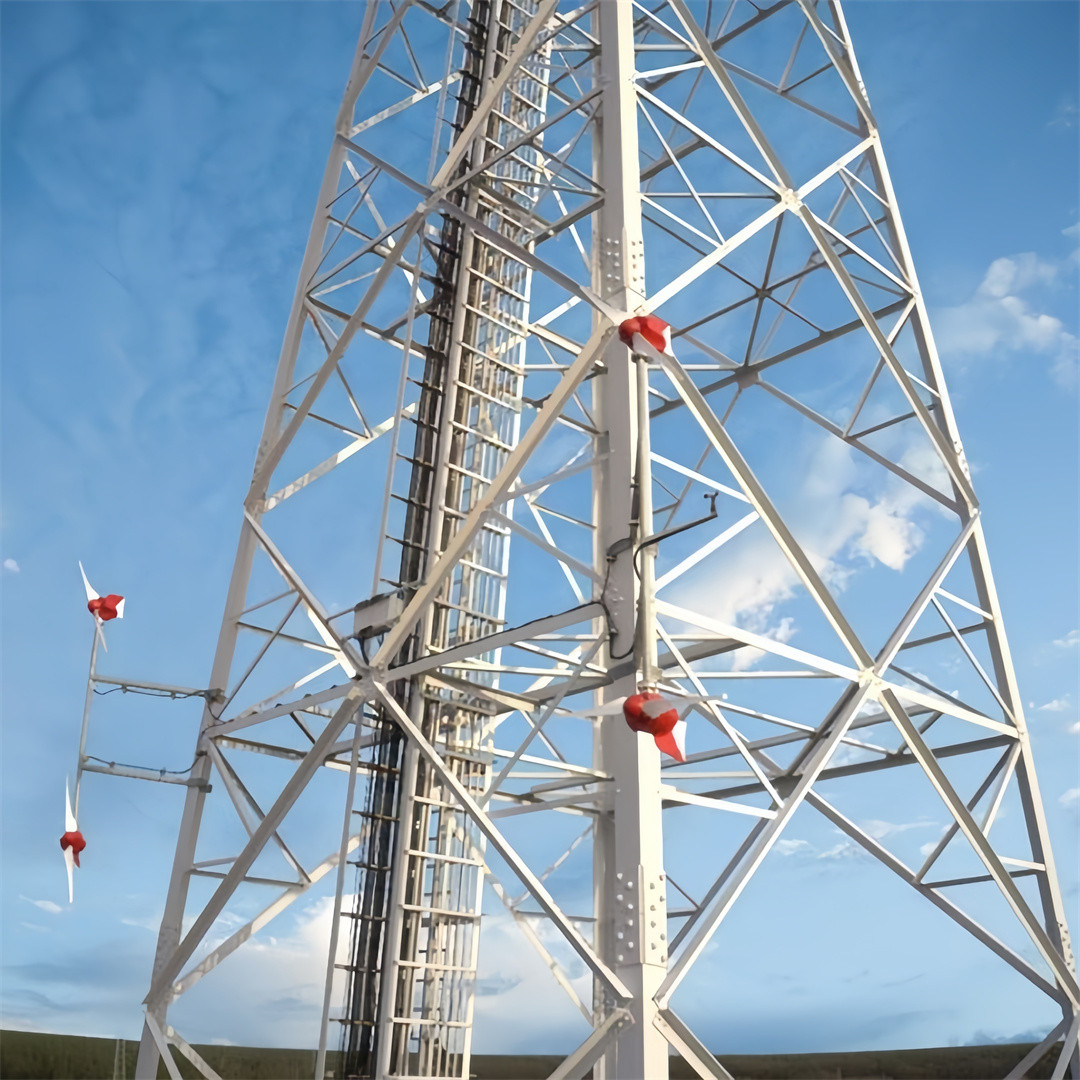
Rural Telecom Coverage: 4G/5G base stations in low-population-density rural areas, villages, and agricultural zones, where budget efficiency is a top priority.
Low-to-Medium Voltage Power Distribution: 10kV – 35kV power line support for rural electrification and small-scale industrial projects.
Remote Monitoring: Environmental monitoring, forest fire prevention, and border patrol surveillance in remote, hard-to-reach areas.
Emerging Market Projects: Cost-sensitive deployments in Southeast Asia, Africa, and Latin America, where rapid rollout and low upfront costs are critical.
Urban & High-Capacity Telecom Hubs: Core network base stations with large numbers of antennas, microwave transmission equipment, and 5G macro cells in suburban and urban fringe areas.
High-Voltage Power Transmission: 110kV – 500kV long-distance power line support for national grid projects and renewable energy (wind/solar) farm interconnection.
Extreme Environment Deployments: Coastal areas, typhoon-prone regions, and high-altitude mountainous areas with strong winds and harsh weather conditions.
Tall Tower Requirements: Broadcast towers, long-distance microwave links, and aviation navigation towers requiring heights over 70m.
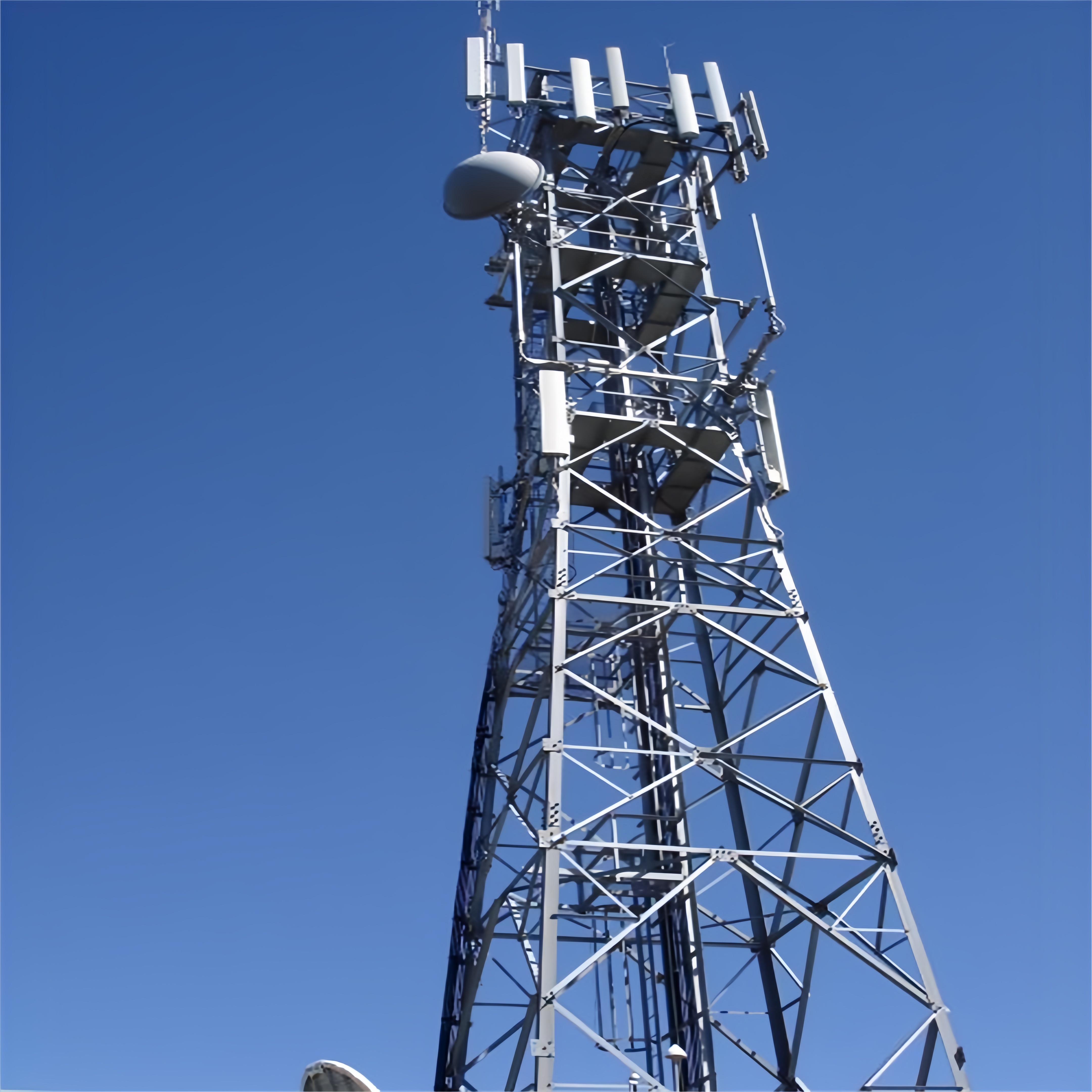
Unmatched Cost Efficiency: Uses 30 – 40% less steel than a four-legged tower of the same height, reducing manufacturing, transportation, and installation costs for budget-limited projects.
Compact Footprint: Triangular base requires 50% less land area than a square four-legged tower, making it suitable for narrow sites, hillsides, and areas with limited land access.
Rapid Deployment: Lighter weight and fewer components cut installation time by nearly half, enabling faster network rollout for time-sensitive projects.
Aerodynamic Design: Triangular cross-section reduces wind drag by 15% compared to square four-legged towers, delivering reliable performance in moderate wind environments.
Superior Load & Height Capability: Four-point support system enables higher vertical loads and greater height potential, accommodating large numbers of antennas and heavy transmission equipment.
Enhanced Stability & Torsion Resistance: Square lattice frame minimizes tower twist and deflection under wind load, meeting the strict 0.5° torsion limit for sensitive microwave antennas.
Extreme Environment Adaptability: Reinforced structure withstands higher wind speeds, seismic activity, and ice loads, making it the only viable option for harsh climate regions.
Long-Term Scalability: Extra load capacity allows for future equipment upgrades (e.g., 5G to 6G network expansion) without full tower replacement, reducing long-term infrastructure costs.
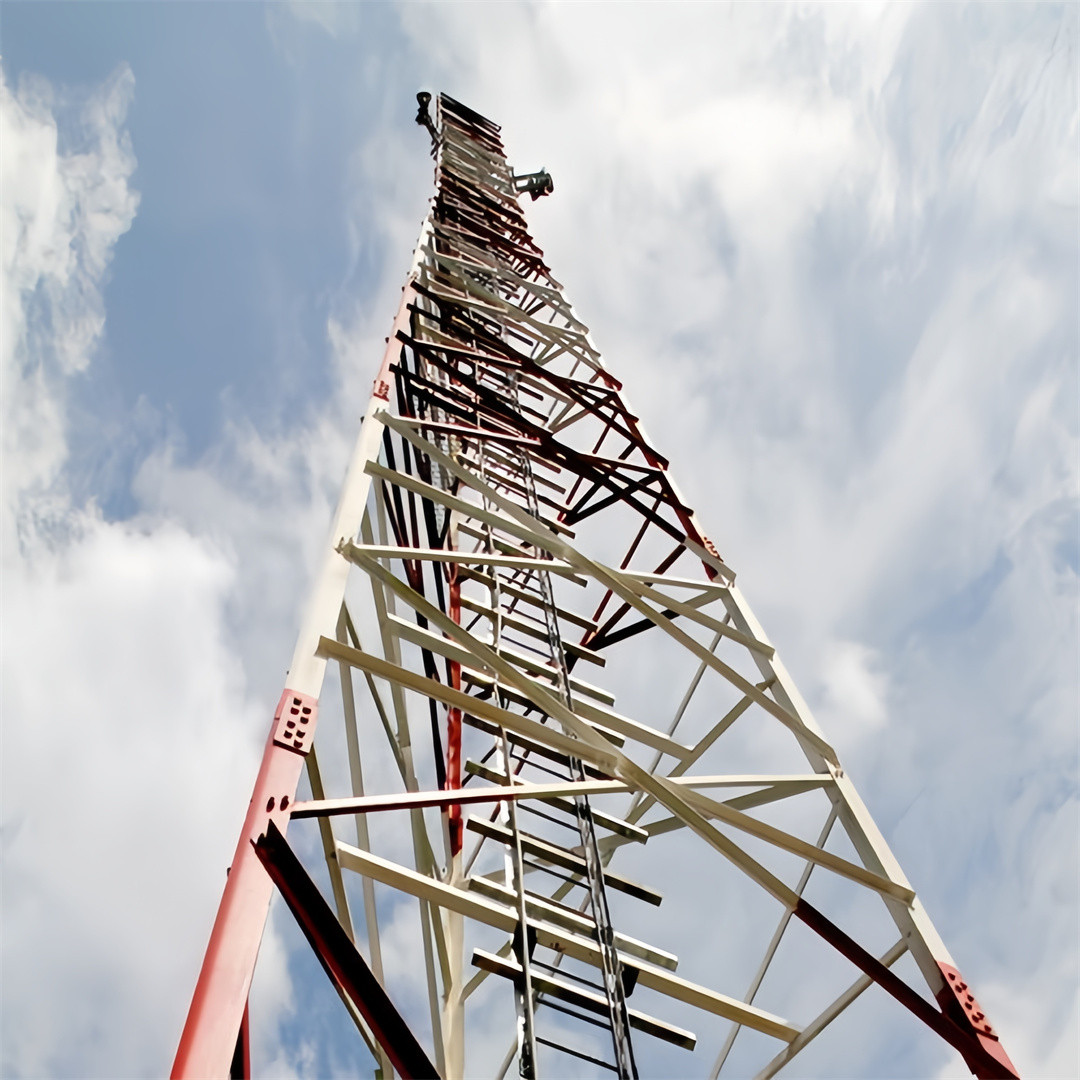
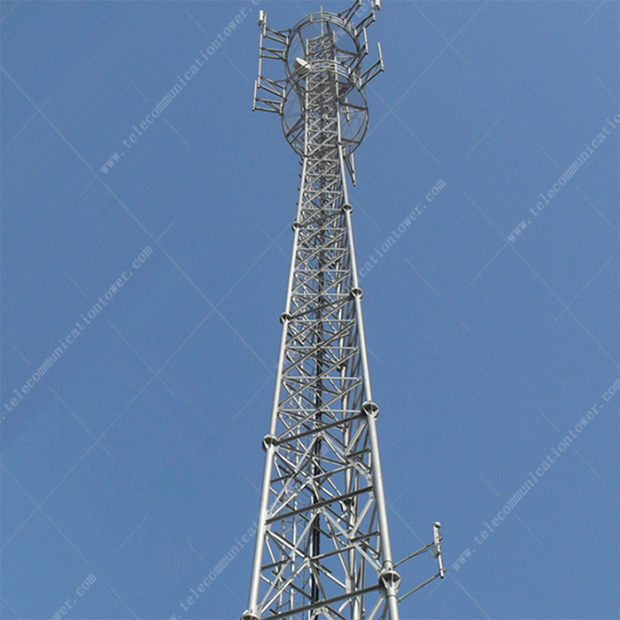
3 Legged Angular Steel Tower Communication Tower Q235 Steel 25m LTE Network Weatherproof Rural Areas
Site Assessment: For three-legged towers, prioritize flat or gently sloped sites with stable soil; for four-legged towers, conduct geotechnical surveys to design reinforced foundations for high wind and heavy load conditions.
Foundation Design: Three-legged towers use three independent concrete pile foundations; four-legged towers require four gravity-based or pile-driven foundations, with depth adjusted to soil bearing capacity.
Assembly Process: Follow JiaYao’s step-by-step assembly manual, tightening bolts to specified torque values and verifying tower verticality (max deviation ≤ 1/1000 of tower height) before equipment installation.
Quarterly Inspections: Check bolt tightness, cross-brace integrity, and antenna mount stability for both tower types, with extra focus on wind-facing components in high-wind areas.
Annual Corrosion Checks: Inspect galvanized surfaces for damage or rust, touching up affected areas with zinc-rich paint to maintain corrosion protection.
Bi-Annual Load Assessments: For four-legged towers with heavy antenna loads, conduct structural load tests every 2 years to ensure compliance with safety standards.
5-Year Full Structural Audit: Perform non-destructive testing (NDT) on welds and critical load-bearing components to identify potential fatigue or damage.