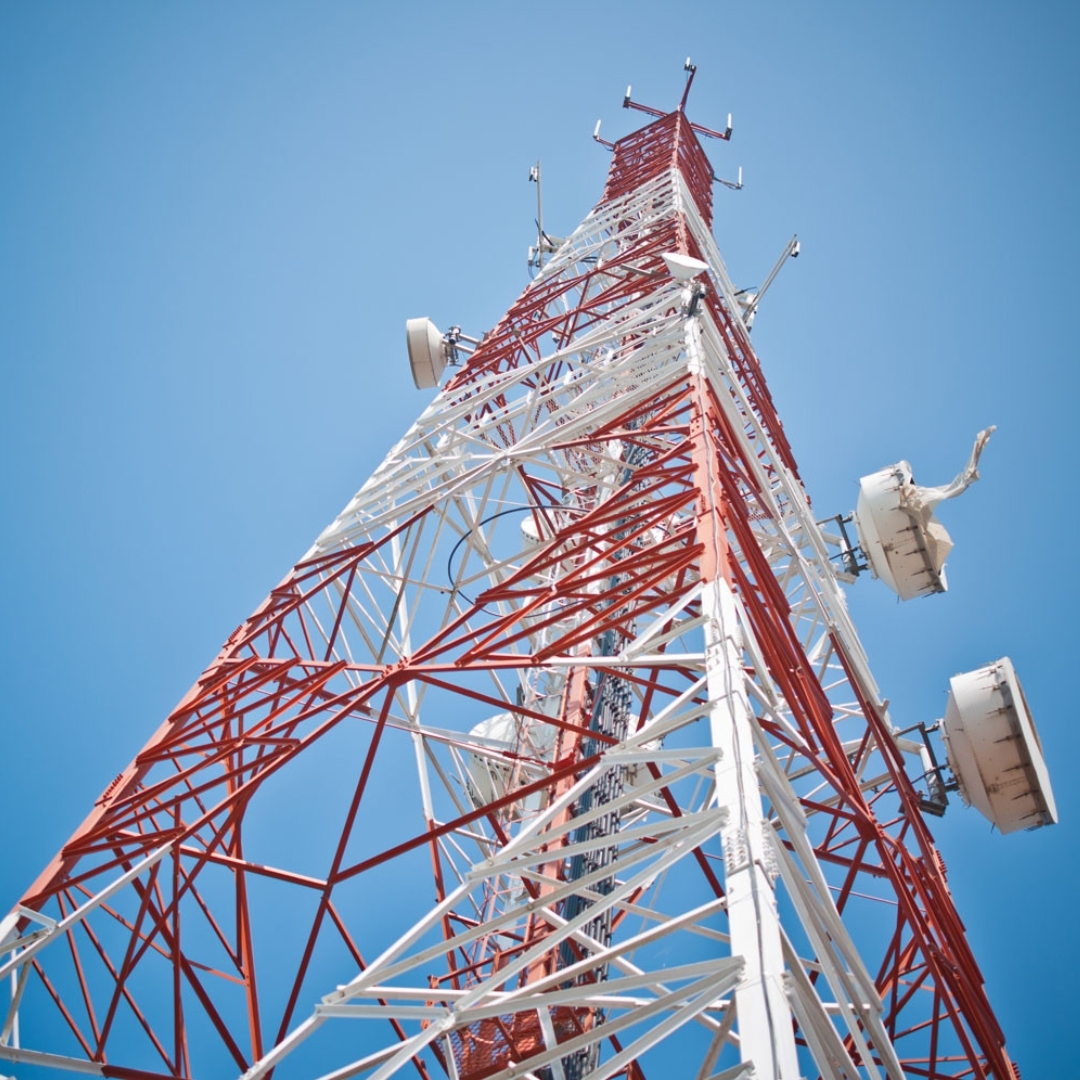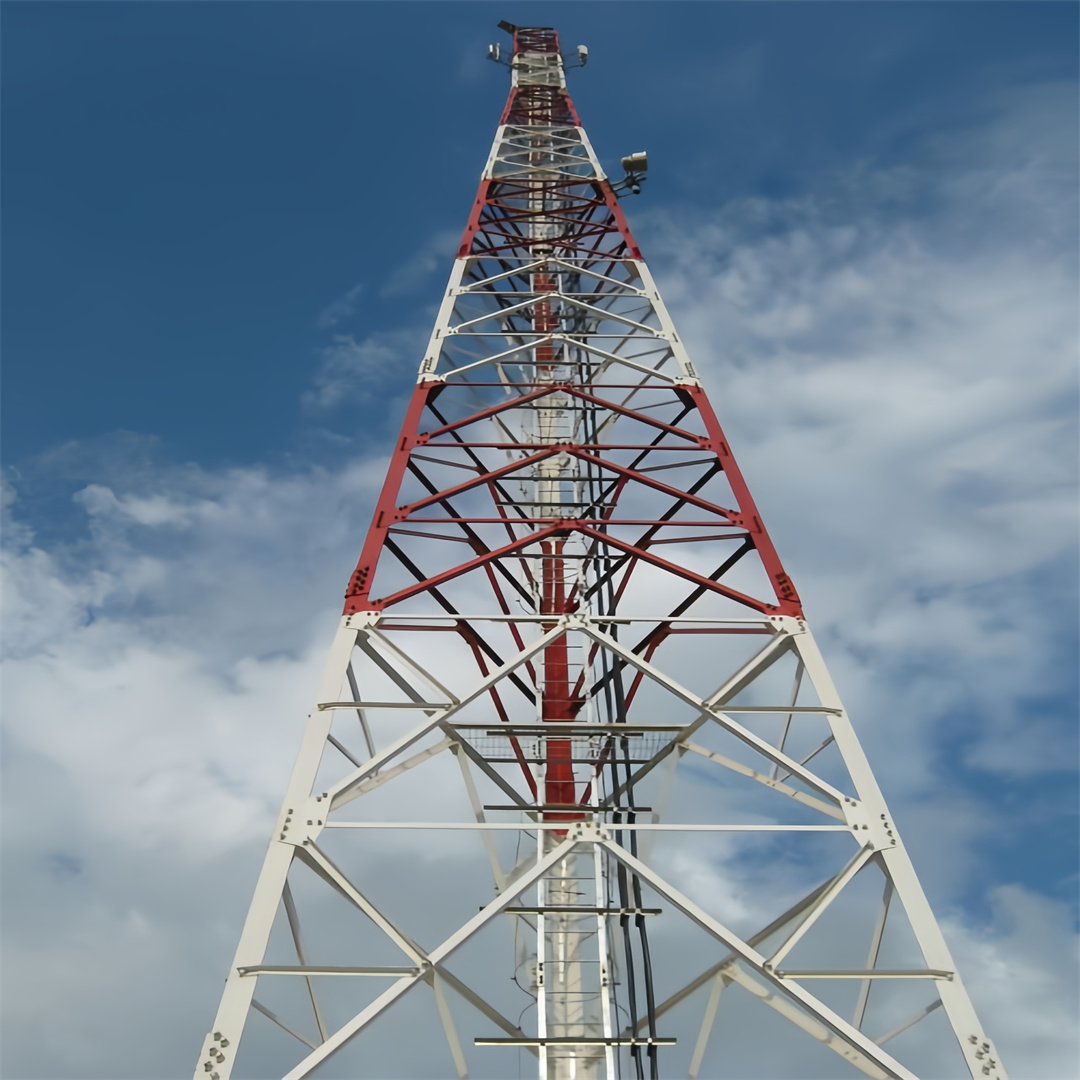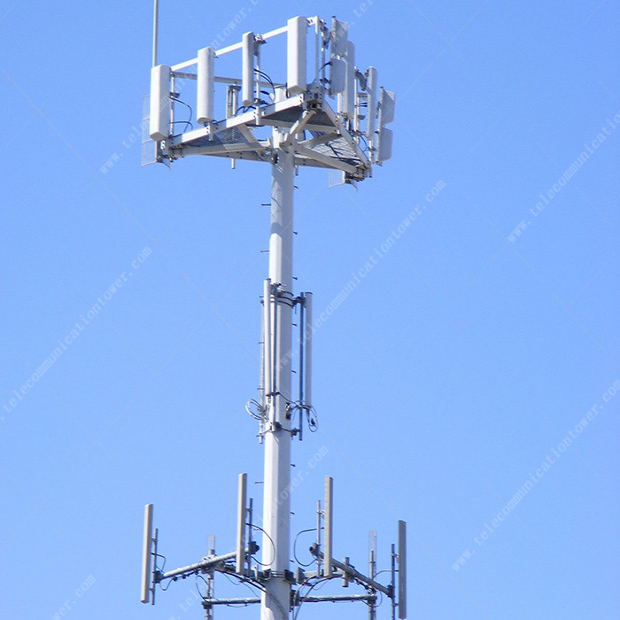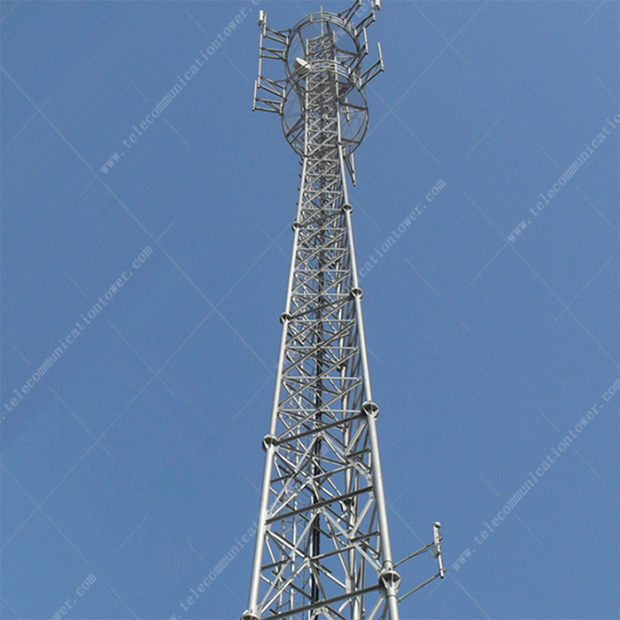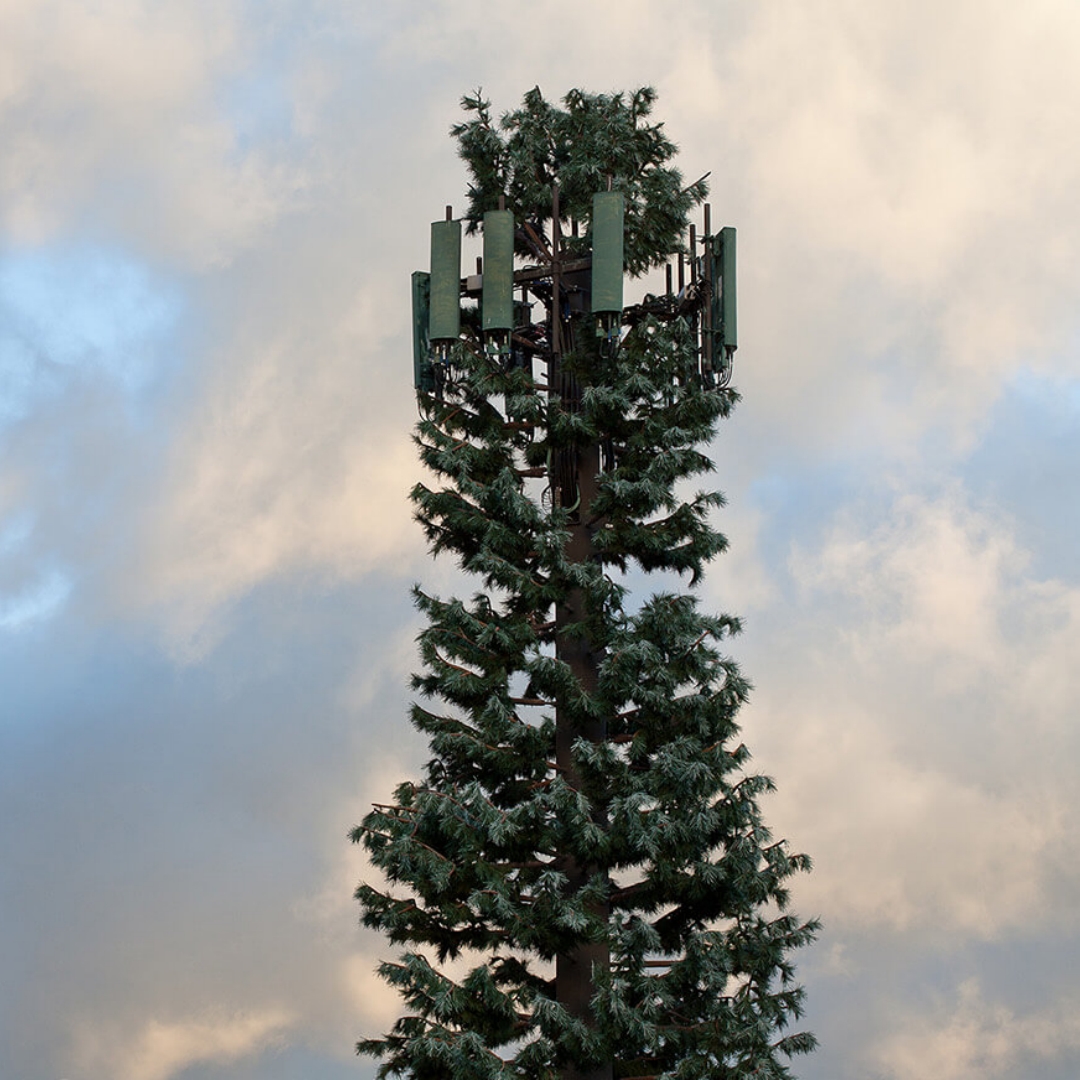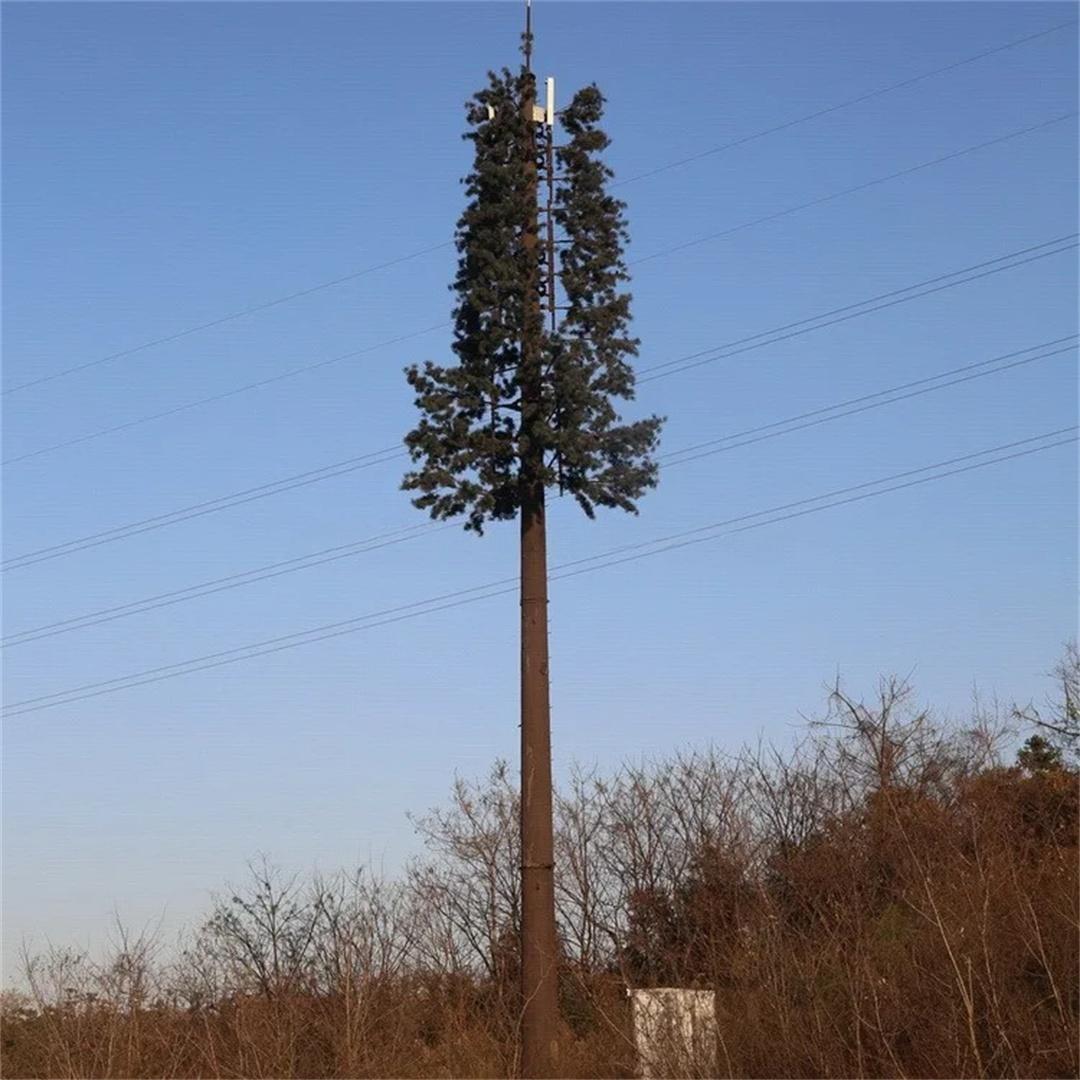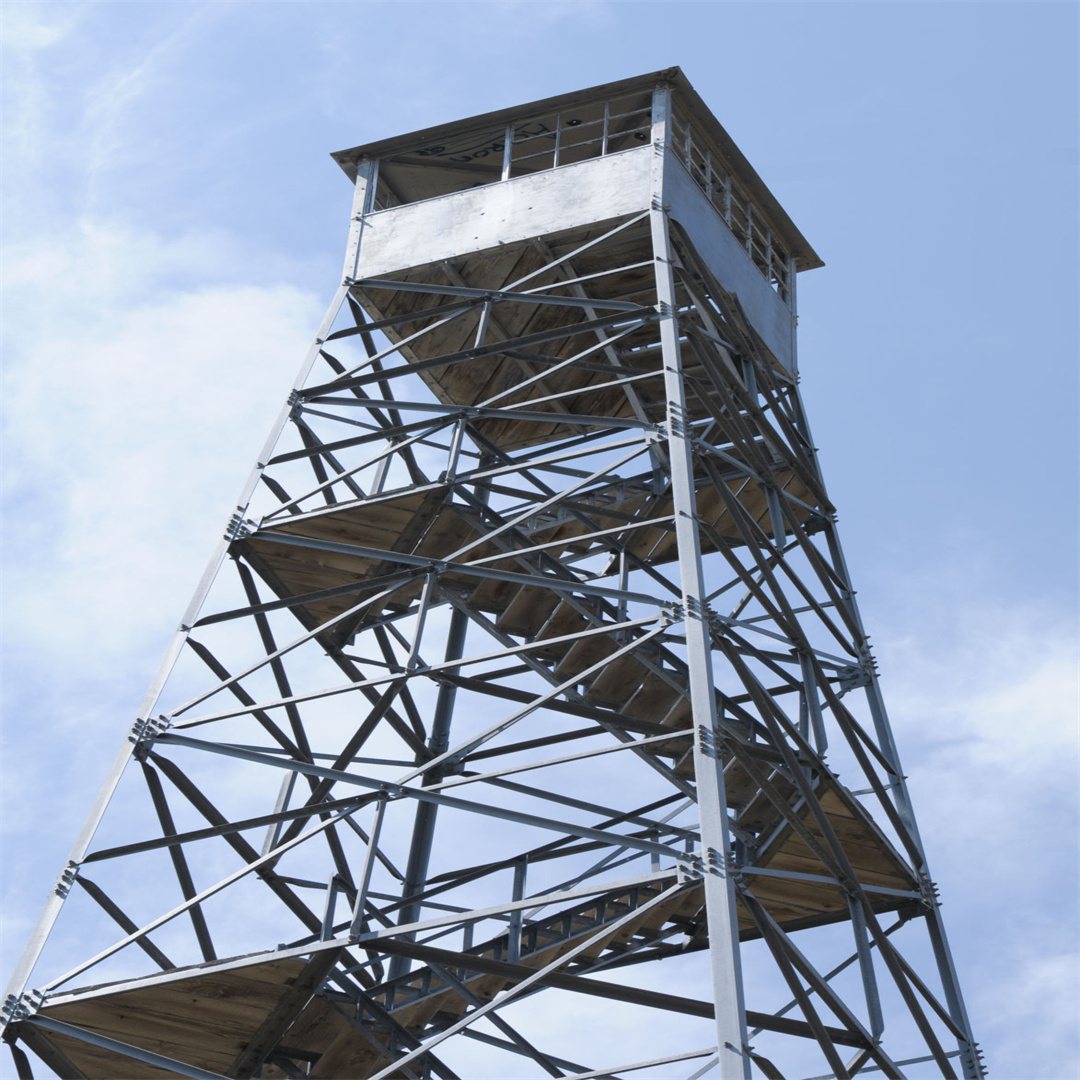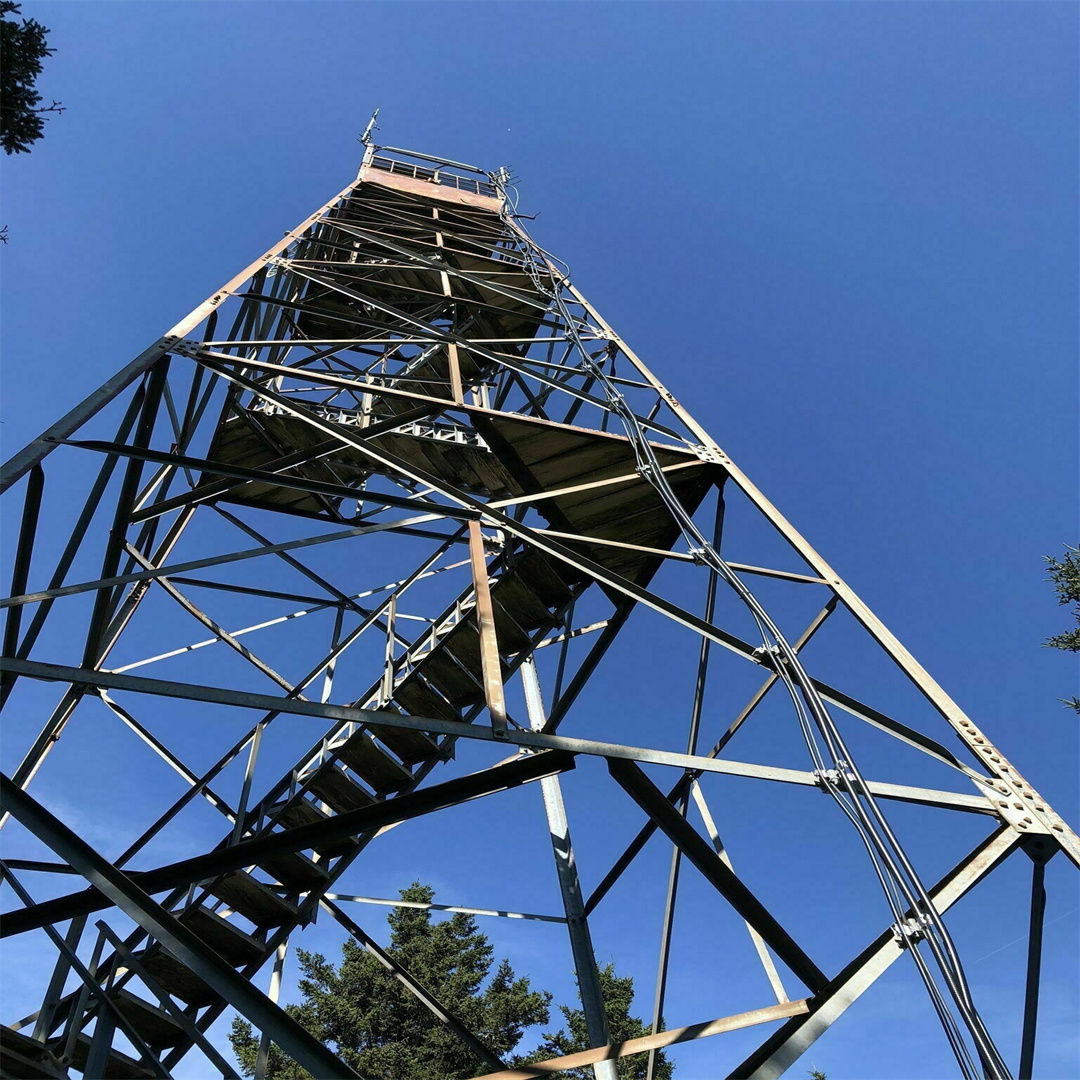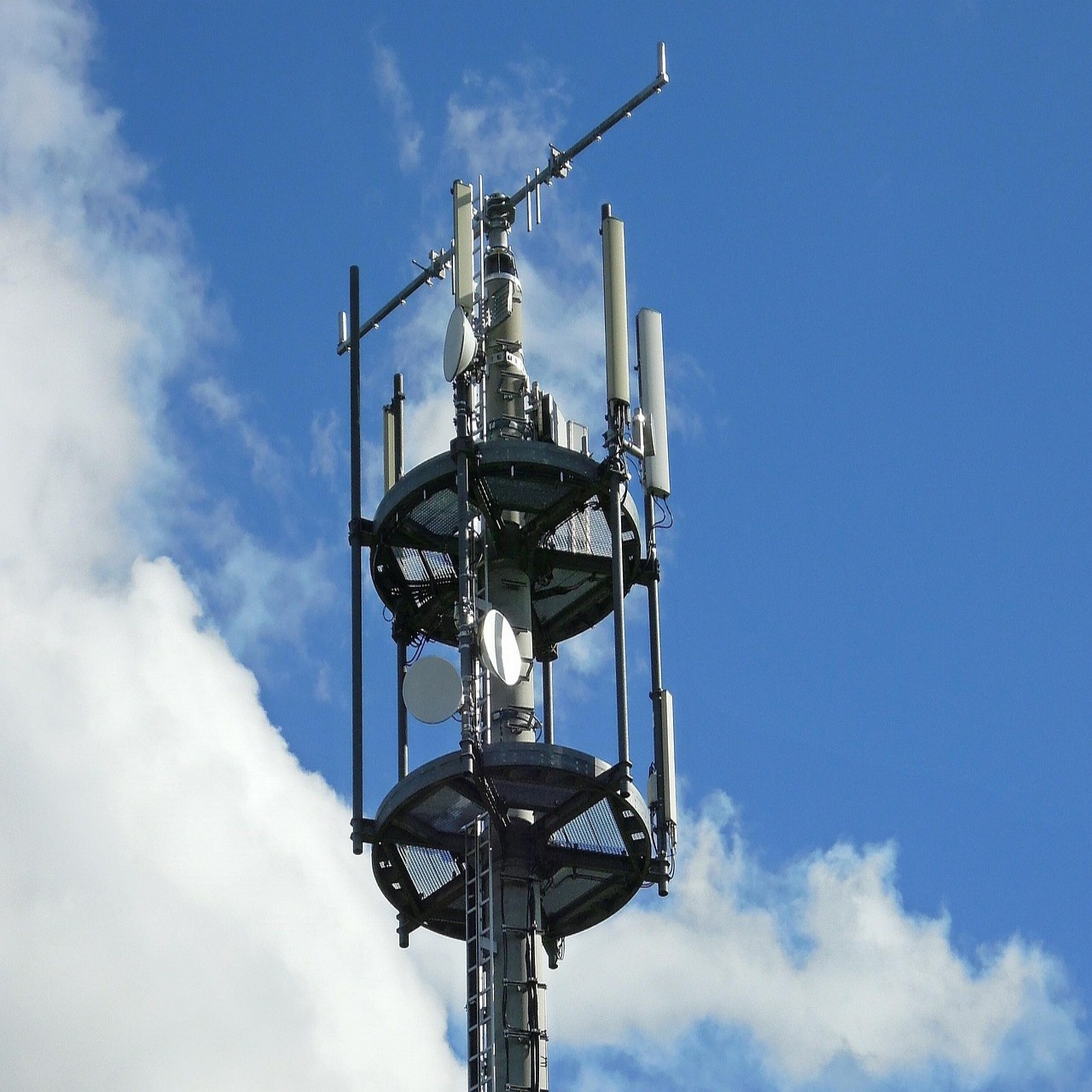

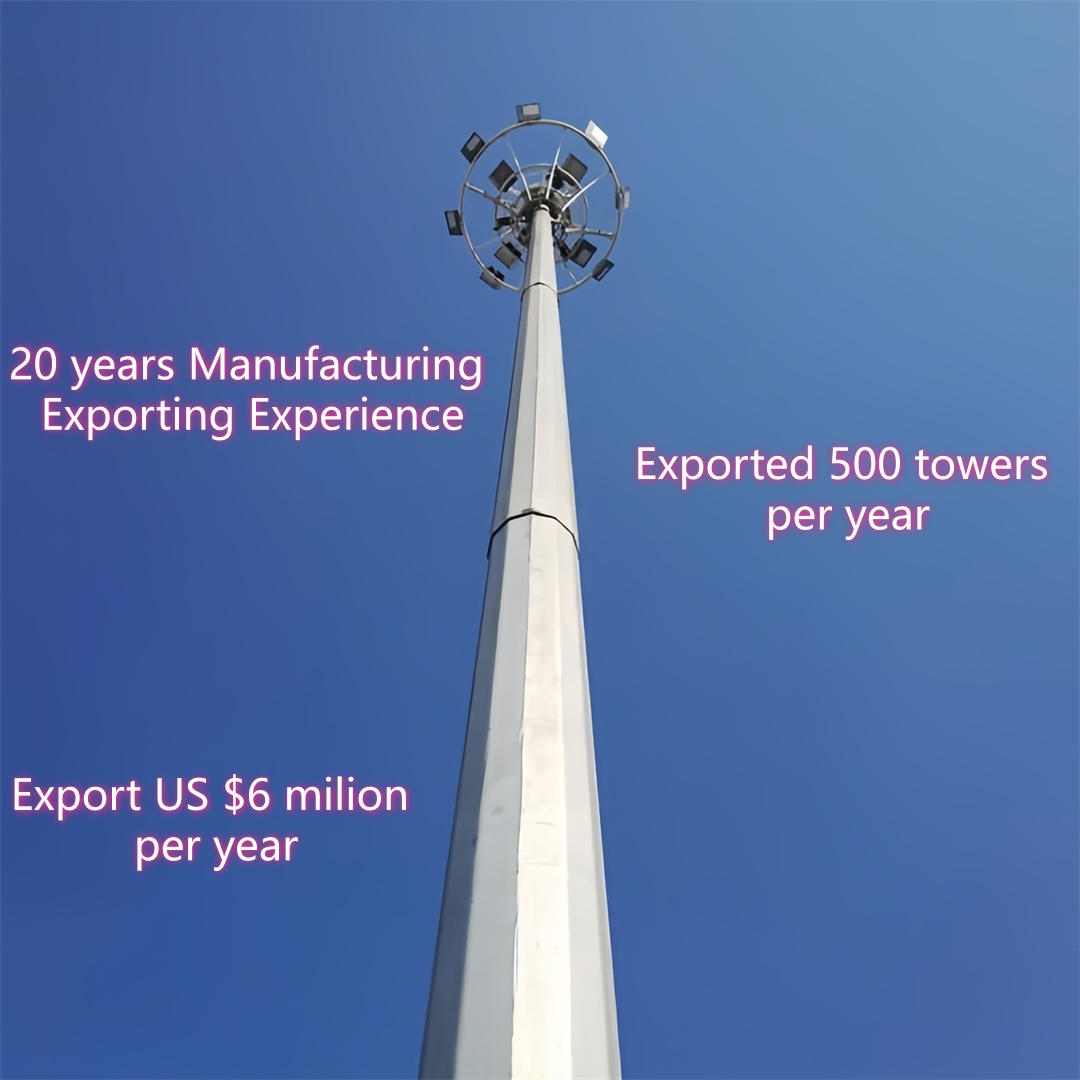



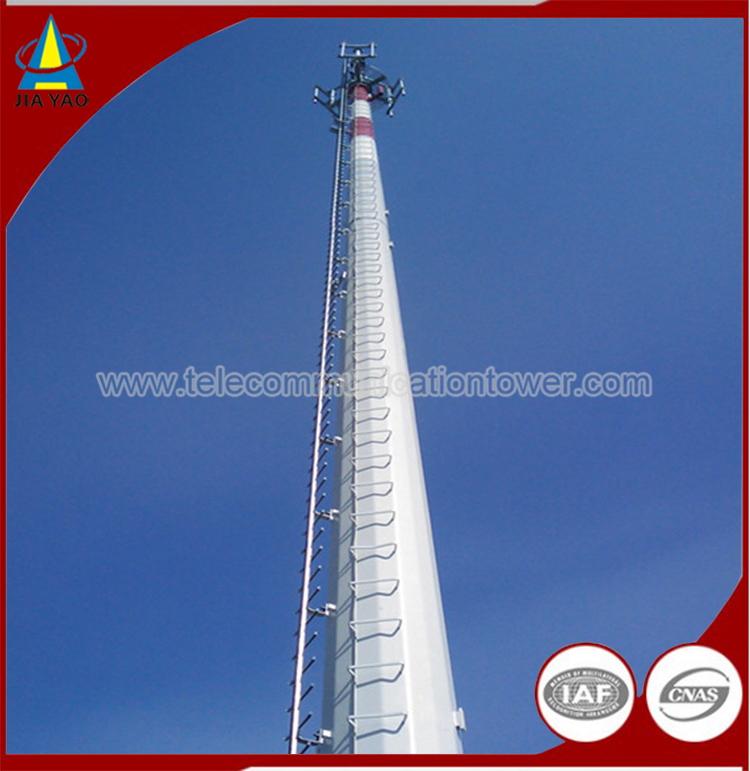
A monopole telecom tower (often called a telecom monopole) is a single-shaft, self-supporting structure tailored for urban and densely populated areas, defined by its compact cylindrical or polygonal shape.
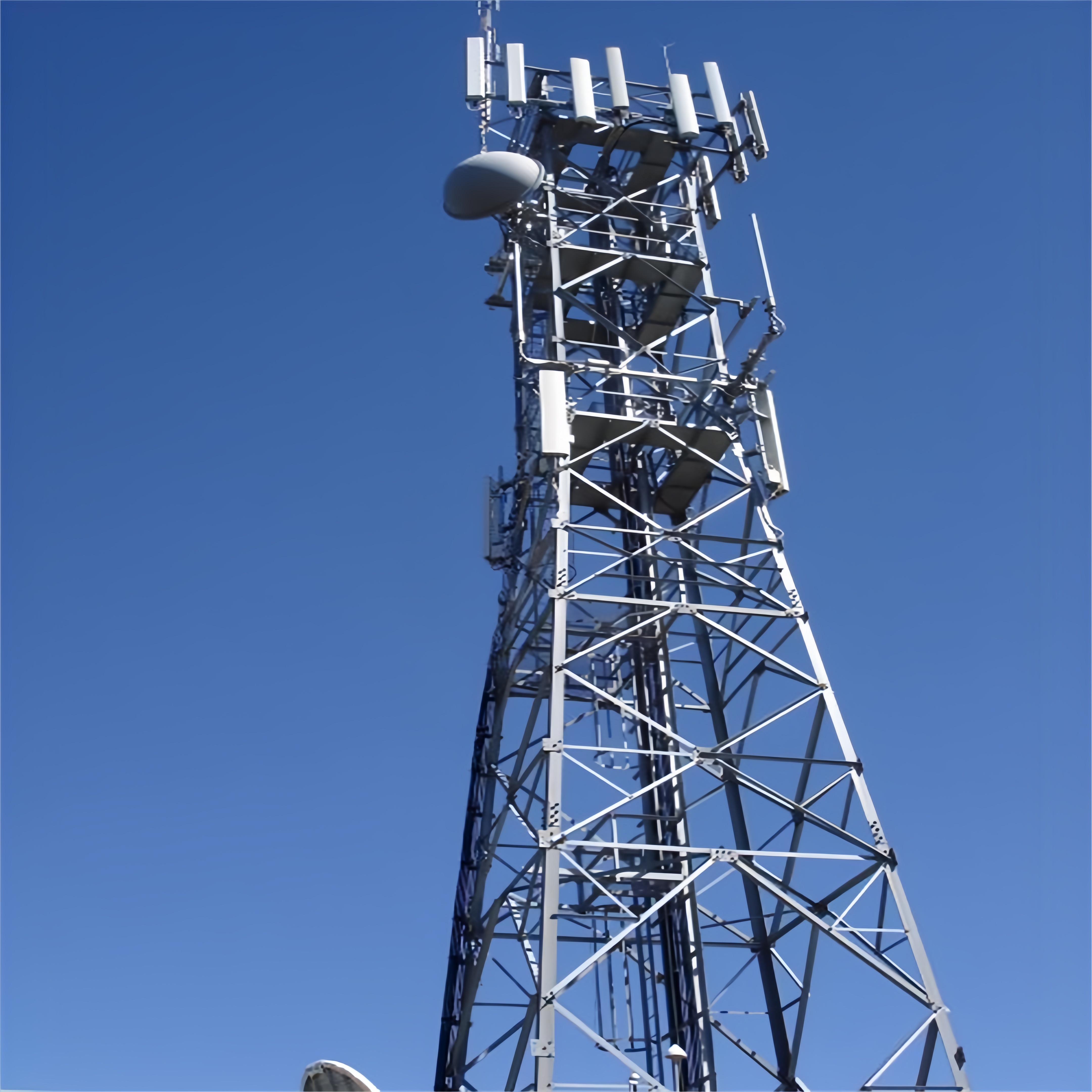
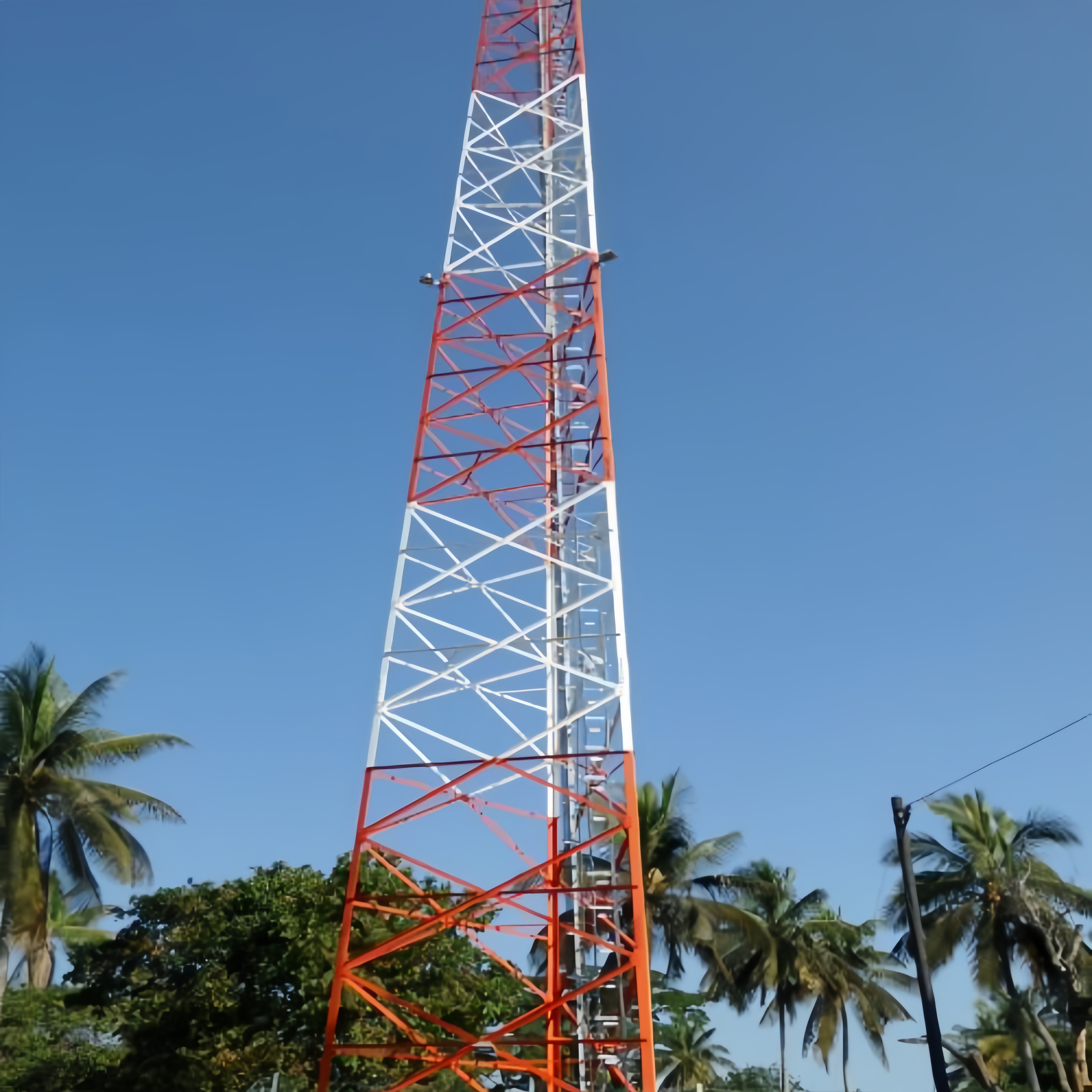
Unlike open-truss lattice towers, this tower features a solid/semi-solid single shaft—making it visually unobtrusive and ideal for space-constrained, aesthetic-sensitive locations.
| Design | ||
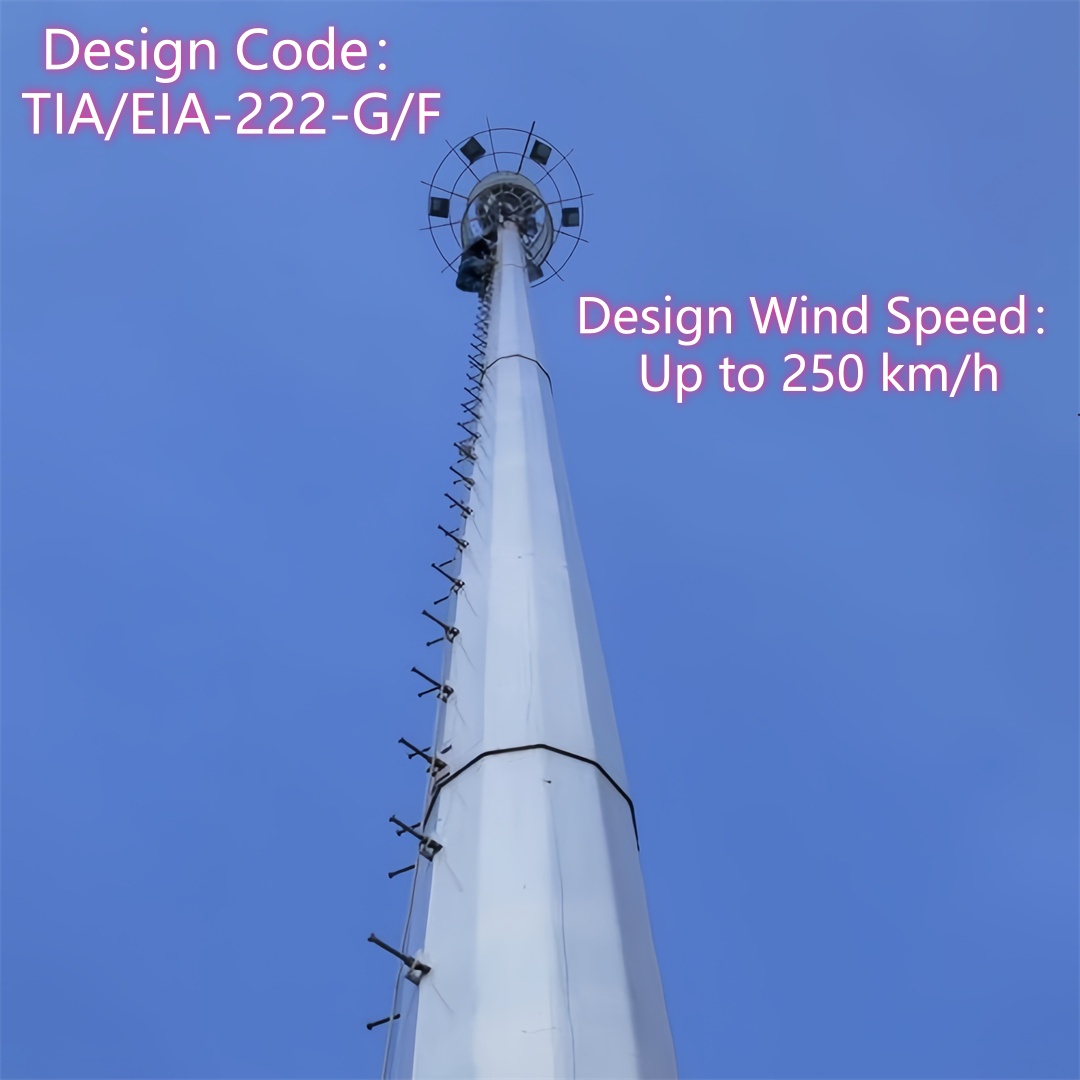
| 1. Design Code | ANSI/TIA-222-G/H/F, EN 1991-1-4 & EN 1993-3-1 | |
| Structure Steel | ||
| 2. Grade | Mild Steel | High Tensile Steel |
| GB/T 700:Q235B, Q235C,Q235D | GB/T1591:Q355B, Q355C,Q355D | |
| ASTM A36 | ASTM A572 Gr50 | |
| EN10025: S235JR, S235J0,S235J2 | EN10025: S355JR, S355J0,S355J2 | |
| 3. Design Wind Speed | Up to 250 km/h | |
| 4. Allowable deflection | 0.5 ~1.0 degree @ operational speed | |
| 5. Tension strength (Mpa) | 360~510 | 470~630 |
| 6. Yield strength (t≤16mm) (Mpa) | 355 | 235 |
| 7. Elongation (%) | 20 | 24 |
| 8. Impact strength KV (J) | 27(20°C)---Q235B(S235JR) | 27(20°C)---Q345B(S355JR) |
| 27(0°C)---Q235C(S235J0) | 27(0°C)---Q345C(S355J0) | |
| 27(-20°C)---Q235D(S235J2) | 27(-20°C)---Q345D(S355J2) | |
| Bolts & Nuts | ||
| 9. Grade | Grade 4.8, 6.8, 8.8 | |
| 10. Standards for mechanical properties | ||
| 10.1 Bolts | ISO 898-1 | |
| 10.2 Nuts | ISO 898-2 | |
| 10.3 Washers | ISO 6507-1 | |
| 11. Standards for Dimensions | ||
| 11.1 Bolts | DIN7990, DIN931, DIN933 | |
| 11.2 Nuts | ISO4032, ISO4034 | |
| 11.3 Washers | DIN7989, DIN127B, ISO7091 | |
| Welding | ||
| 12. Method | CO2 Shielded Arc Welding & Submerged Arc Welding(SAW) | |
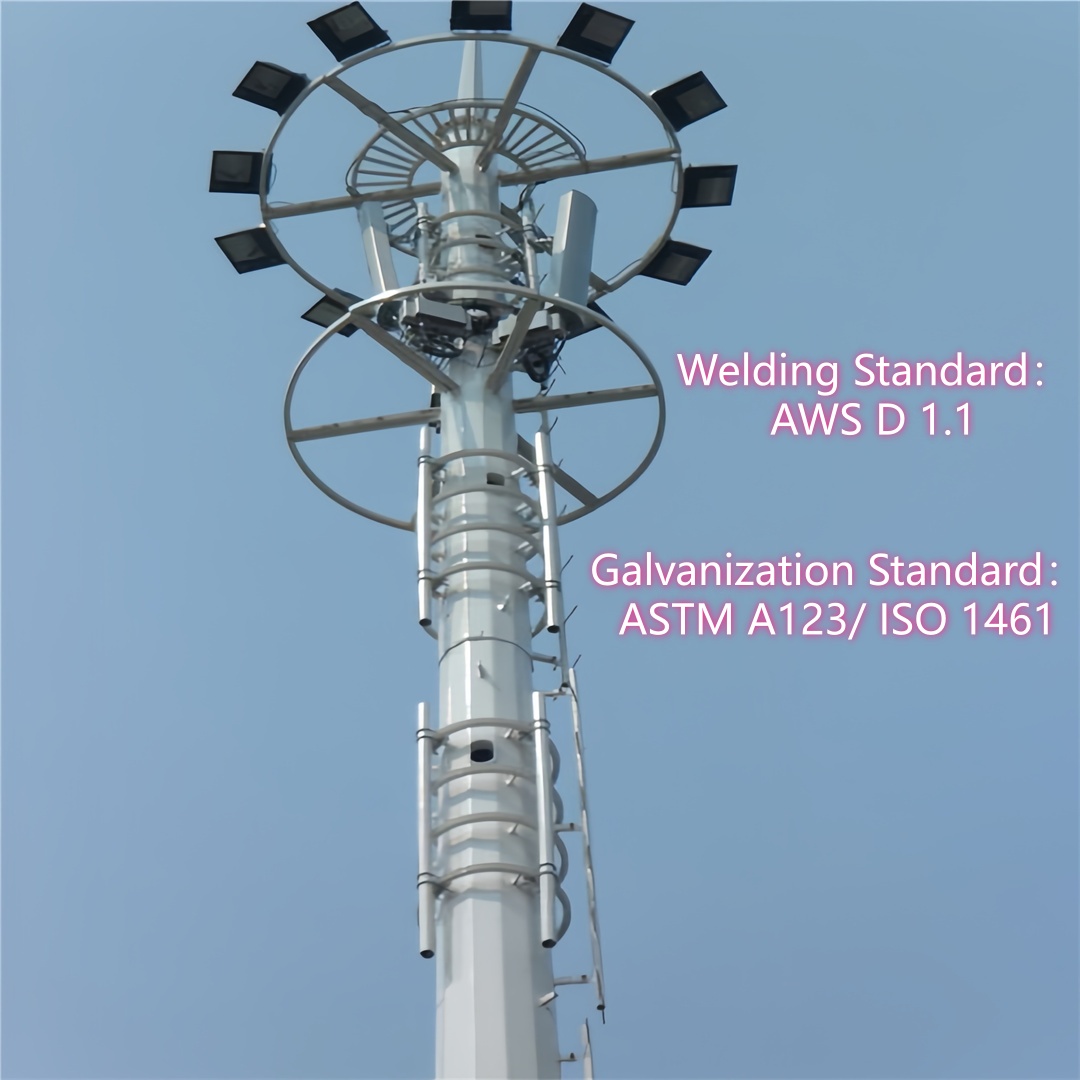
| 13. Standard | AWS D1.1 | |
| Marking | ||
| 14. Method of marking of the members | Hydraulic Press Stamping | |
| Galvanizing | ||
| 15. Galvanization standard of steel sections | ISO 1461 or ASTM A123 | |
| 16. Galvanization standard of bolts and nuts | ISO 1461 or ASTM A153 | |
| Test | ||
| 17. Factory test | Tensile test,Elements analysis, Sharpy test(impact test), Cold Bending, Preece test,Hammer test | |
| Capacity | ||
| 18. Maximum Production Capacity | 50,000 TON per annum | |
What is the Ladder of Monopole Tower?
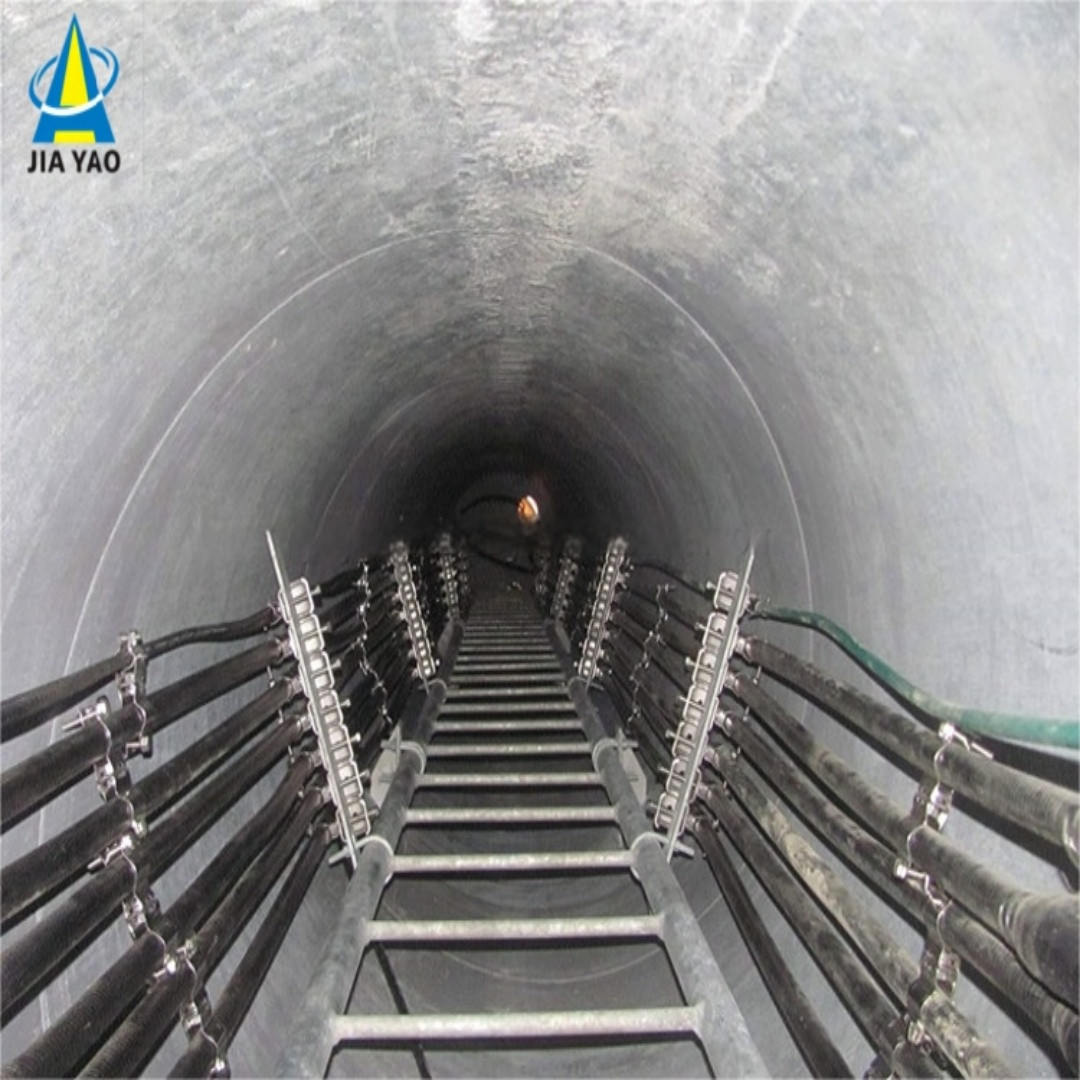
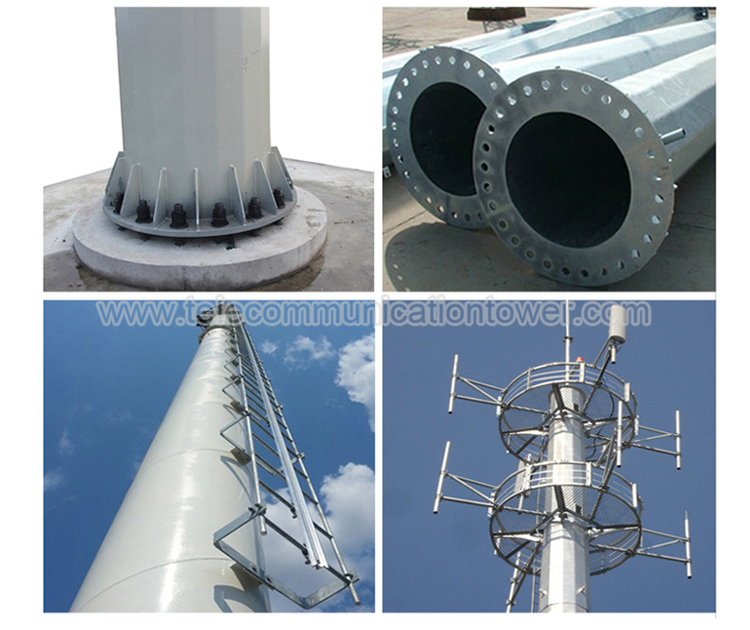
The ladder of a monopole tower is an internal safety access system integrated within the tower’s single shaft, designed to enable certified personnel to climb to upper sections for equipment installation, maintenance, or inspections. Constructed from galvanized steel for durability and corrosion resistance, the ladder features evenly spaced rungs (per industry safety standards) and is equipped with a built-in fall-arrest system—such as a guided cable or rail—to prevent falls during ascent/descent. It is welded or bolted to the inner wall of the monopole shaft, ensuring stability even under urban wind conditions. Access to the ladder is restricted to trained personnel, and its integrity is verified during bi-annual internal inspections to comply with safety regulations and TIA-222-H design standards. Unlike external ladders on lattice towers, the internal design of the monopole’s ladder minimizes exposure to environmental damage and maintains the tower’s sleek, unobtrusive profile.
How to connect monopole tower with foundation?
Connecting a monopole tower to its foundation is a critical step to ensure structural stability, involving the following key procedures:
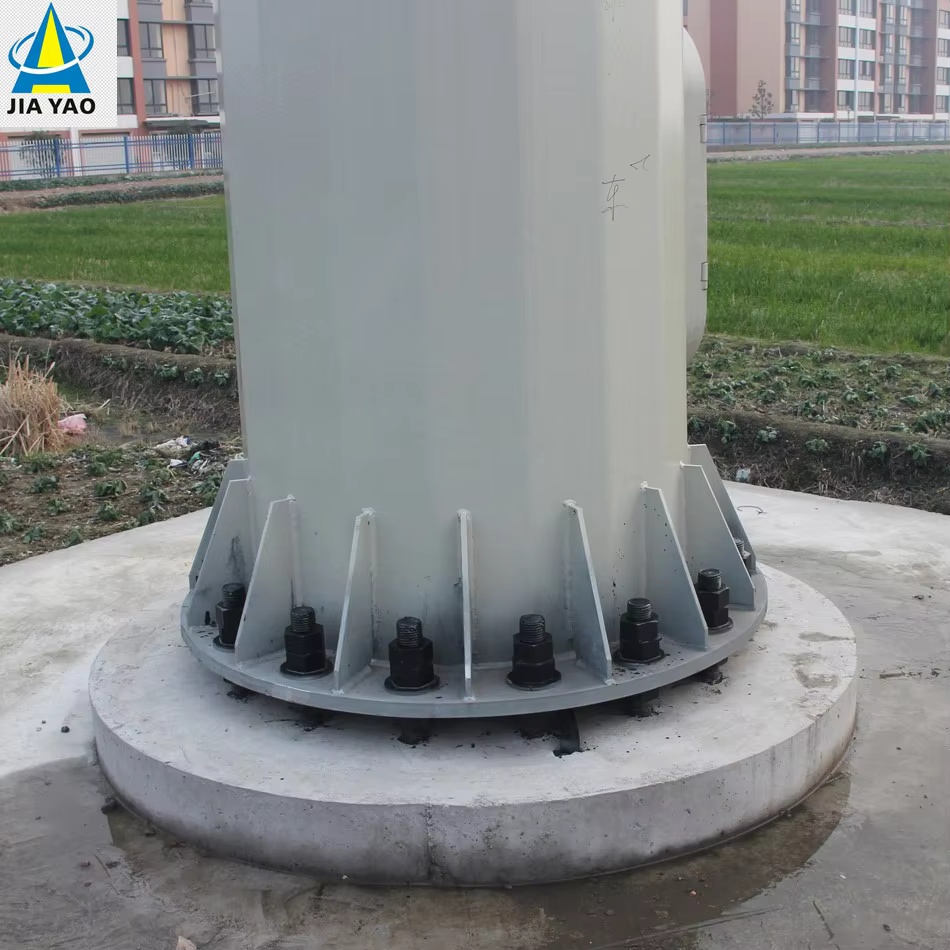
1. Foundation Preparation: Construct a reinforced concrete foundation (typically a circular or square pad, or a deep pier) tailored to the tower’s height, weight, and local soil conditions. The foundation must be cured to full strength before tower installation, complying with local urban building codes.
2. Base Plate Installation: Attach a heavy-duty steel base plate (welded to the bottom of the monopole shaft) to the foundation. The base plate features pre-drilled holes aligned with anchor bolts embedded in the concrete.
3. Anchor Bolt Securing: Use high-tensile anchor bolts (ISO 898 Grade 8.8 or higher) to fasten the base plate to the foundation. Tighten the bolts to the specified torque using calibrated tools, ensuring uniform pressure across the base plate.
4. Grouting (Optional): Inject non-shrinking grout between the base plate and the foundation surface to fill gaps, distribute loads evenly, and enhance structural rigidity.
5. Alignment Check: Verify that the monopole shaft is perfectly vertical using a level or laser alignment tool, adjusting the anchor bolts if necessary to correct any deviation.
6. Final Verification: Conduct a load test or structural check to confirm the connection can withstand the tower’s weight, equipment loads, and wind forces (up to 180km/h), ensuring compliance with TIA-222-H and foundation design standards.
How to fix the feeder in the monopole tower?
Fixing the feeder (signal/power cable) in a monopole tower follows a systematic process to ensure safety, organization, and protection against environmental damage:
1. Cable Preparation: Select feeders rated for outdoor use (with weatherproof insulation) and cut them to the required length, ensuring no excess slack that could cause wind-induced wear.
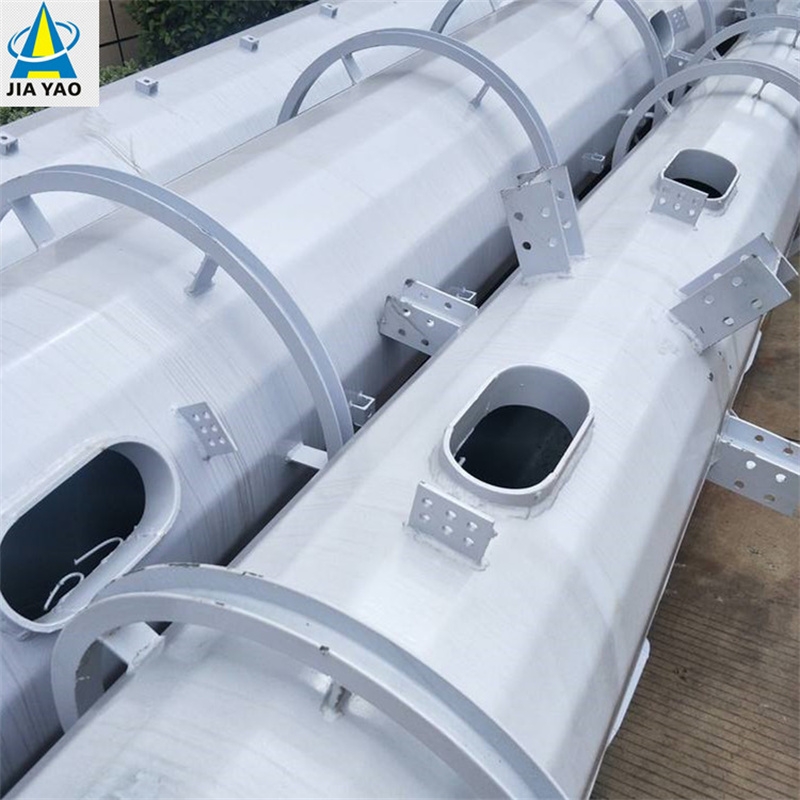
2. Routing Through Cable Holes: Pass the feeder through the pre-installed cable holes in the monopole shaft, using the waterproof gaskets/bushings to seal the opening and prevent moisture ingress.
3. Internal/External Securing:
1. For internal routing: Use cable clamps or ties to fasten the feeder to the inner wall of the shaft or the ladder’s side rails, spacing clamps every 1–2 meters to avoid sagging.
2. For external routing (if required): Use weather-resistant cable trays or brackets attached to the monopole’s exterior, ensuring the feeder is not exposed to sharp edges.
4. Tension Relief: Install strain relief clamps near the antenna bracket and at the tower base to absorb tension and prevent stress on cable connectors.
5. Waterproofing Connections: Seal all feeder connectors (at the antenna and ground end) with waterproof tape or heat-shrink sleeves to protect against moisture and corrosion.
6. Final Inspection: Verify that the feeder is securely fastened, with no kinks or sharp bends, and that all cable holes are properly sealed. Ensure compliance with TIA-222-H standards for cable management.