Communication tower types play a crucial role in modern connectivity. These towers facilitate wireless communication across various devices. Understanding the different types of communication towers is essential because they serve multiple purposes in urban and rural settings. There are several types, including cellular towers, broadcast towers, and radio towers. Each type has its unique structure, height, and usage. This article will provide a detailed overview to help you better navigate this topic.
Communication towers are categorized into types based on their structure, height, and intended usage. These include cellular towers, broadcast towers, and radio towers, each serving specific communication needs.
Cellular towers are among the most commonly seen types. They support mobile phone networks by enabling communication signals to reach users. The height of these towers can vary significantly, often ranging from 50 to 200 feet.
Broadcast towers are mainly used for television and radio signals. They are generally taller than cellular towers, often exceeding 1,000 feet, to ensure broader signal coverage. Their structural design supports heavy broadcasting antennas.
Radio towers focus on specific communication needs like emergency services and maritime communication. Their height can range from 50 to over 400 feet. These towers often feature a lightweight design to facilitate the necessary equipment.
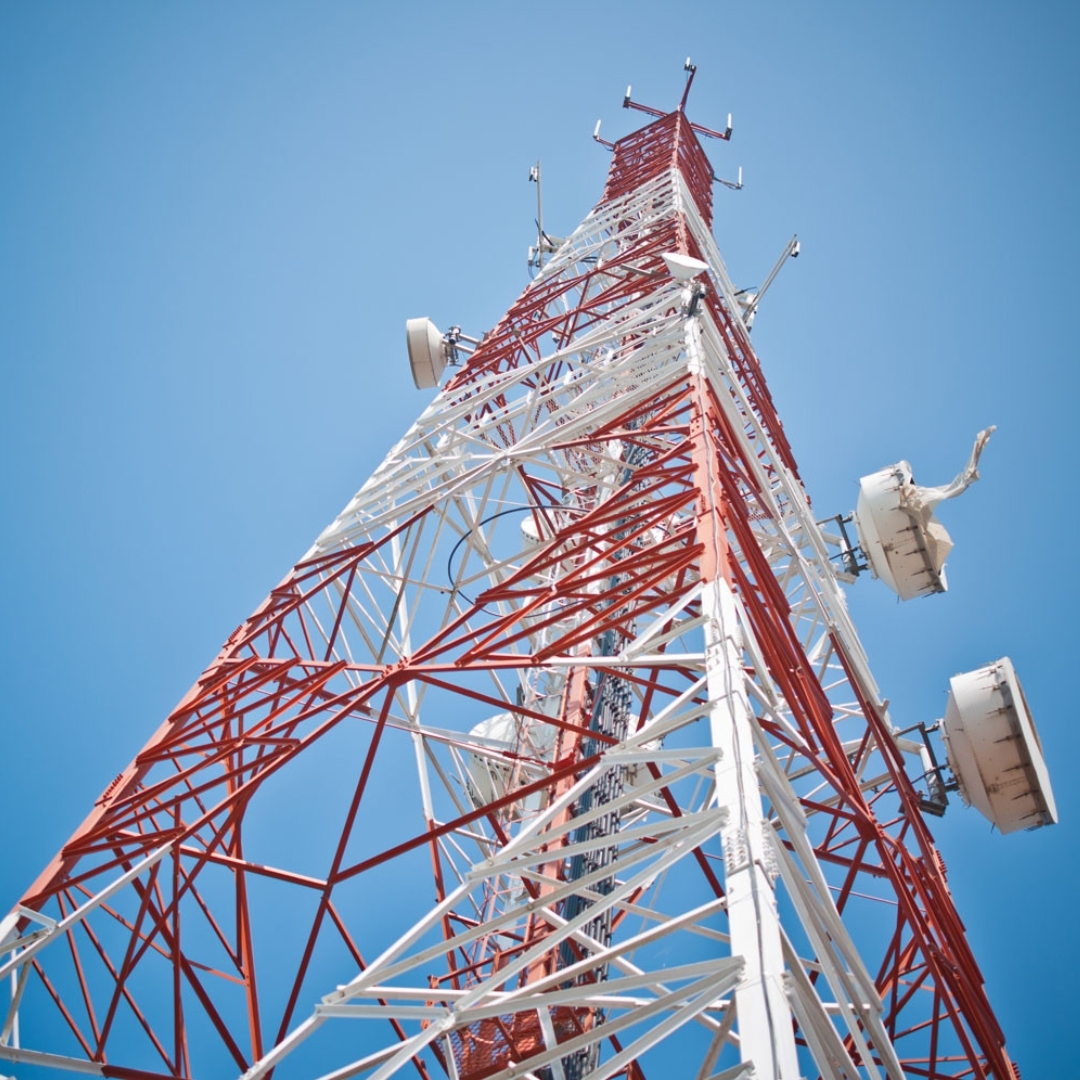
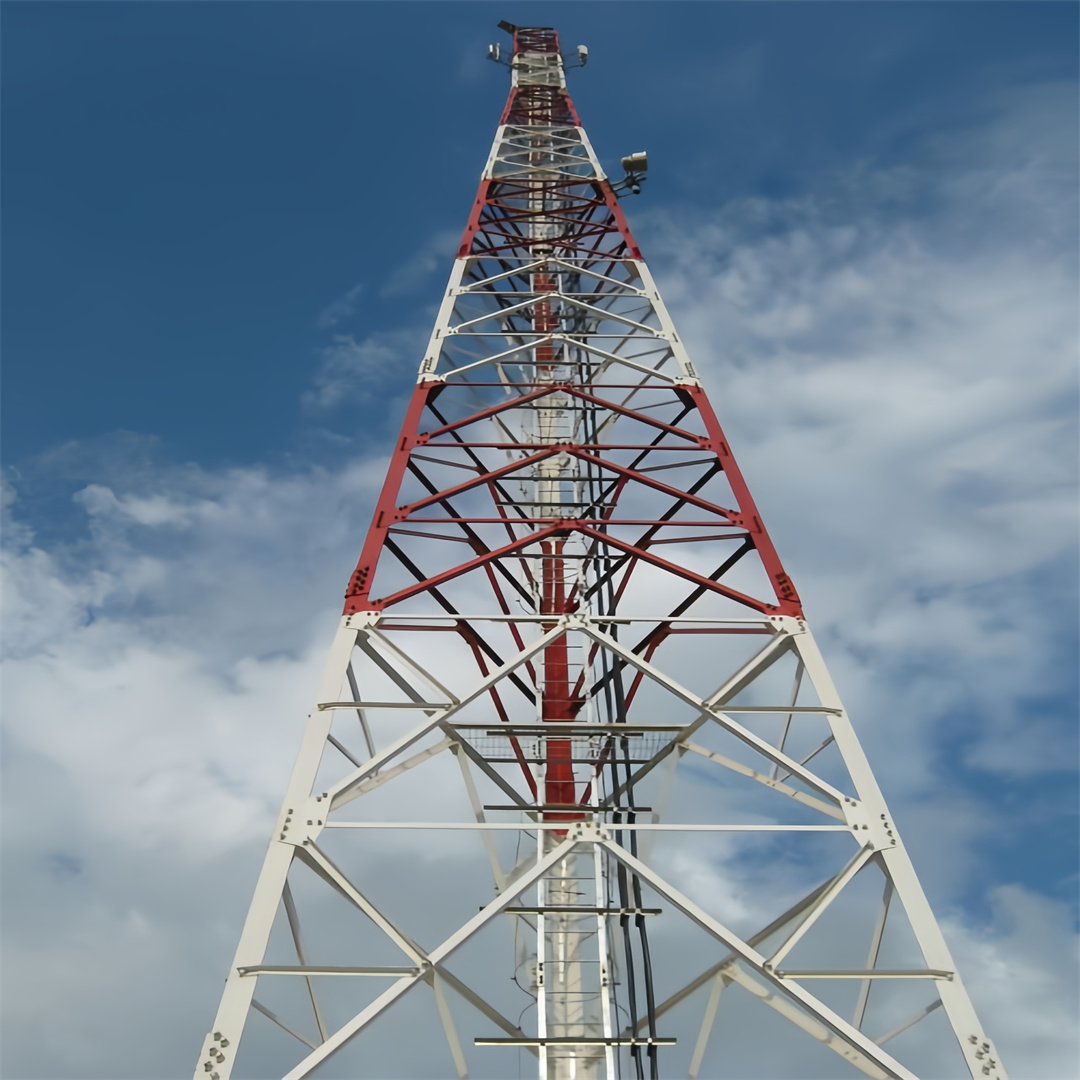
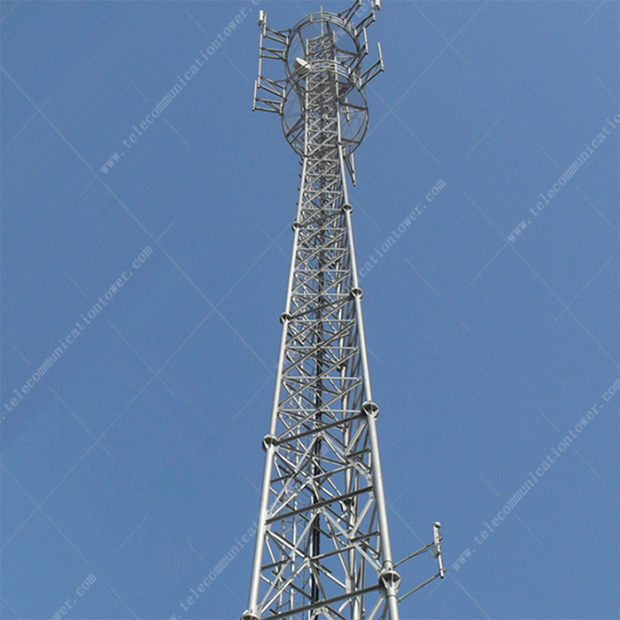
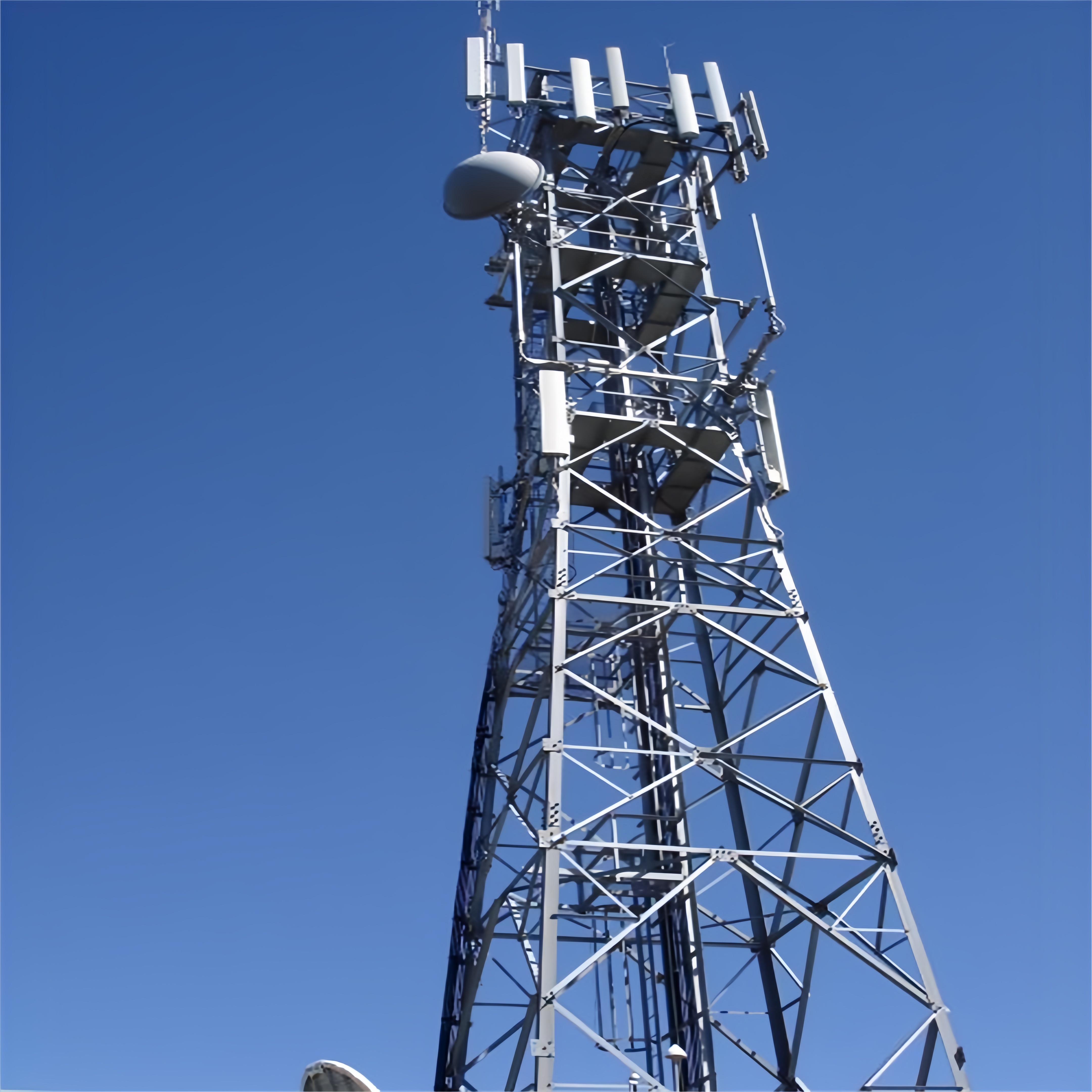
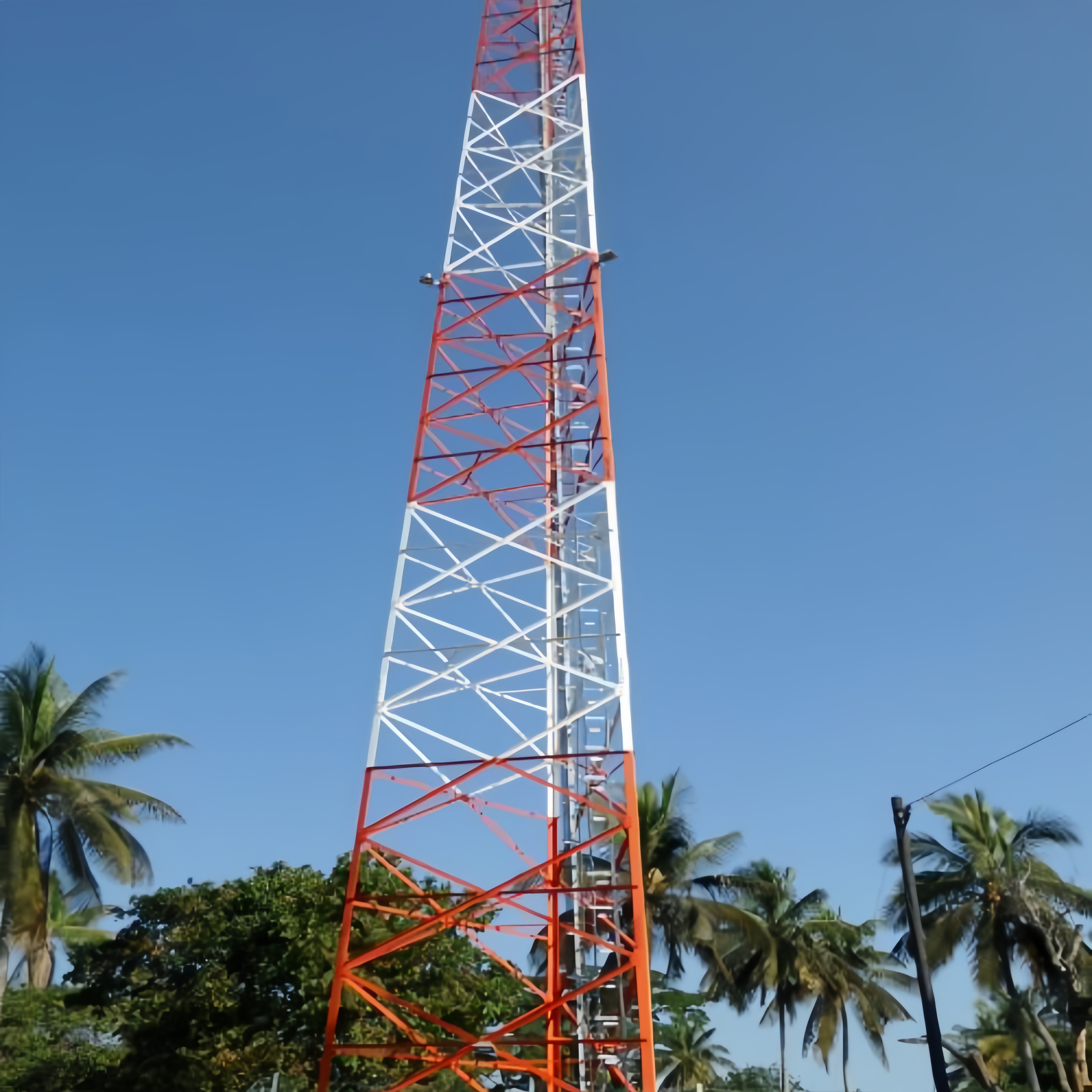
Lattice towers use a triangular structure for stability and are common for broadcast and cellular communication. They offer a robust framework, making them suitable for tall installations.
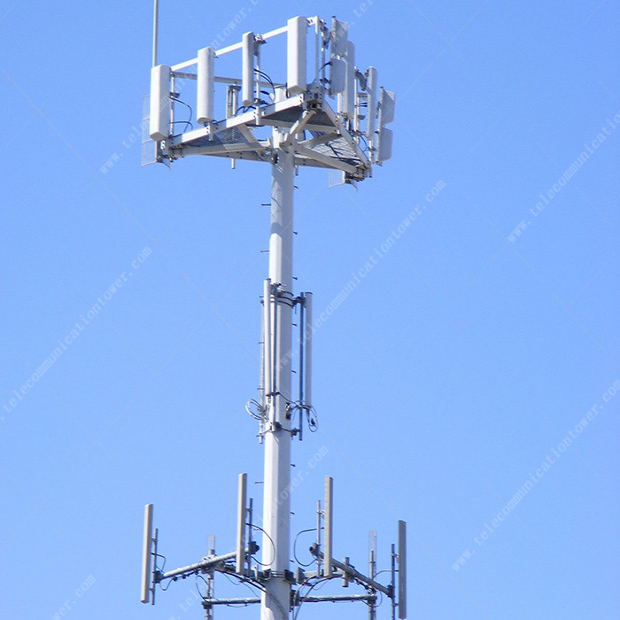
Monopole towers consist of a single pole and are often built for urban areas due to their smaller footprint. These towers are easier to install and maintain compared to lattice towers.
Guyed towers rely on guy wires for stability. They are typically taller and less expensive to build, making them a popular choice for telecommunication companies.
Communication towers must adhere to certain height regulations set by local authorities. These regulations can affect the tower's structure and overall design.
The height of a communication tower directly affects its signal range. Taller towers can provide wider coverage, enhancing user experience with minimal signal interruptions.
In urban areas, communication towers are often smaller and more integrated into buildings. In contrast, rural areas require taller towers for expansive coverage due to lower population density.
Many communication towers are designated for emergency services. They are crucial during disasters, ensuring continuous communication for safety and coordination.
In summary, understanding the various communication tower types is important for improving systems of connectivity. Communication tower types vary in structure, height, and usage, each performing specific roles in transmitting signals. By identifying these differences, you can appreciate the value they bring to our daily communication needs.
The most common types include cellular towers, broadcast towers, and radio towers.
Communication towers can range from 50 feet to over 1,000 feet depending on their type and intended use.
Different types of towers exist to accommodate various communication needs and to optimize signal coverage.
Common materials include steel, aluminum, and concrete, depending on the tower type and location.
Height regulations are set by local authorities and are designed to ensure safety and minimize the impact on the surrounding environment.
Yes, but you will need to adhere to local regulations and obtain the necessary permits before installation.