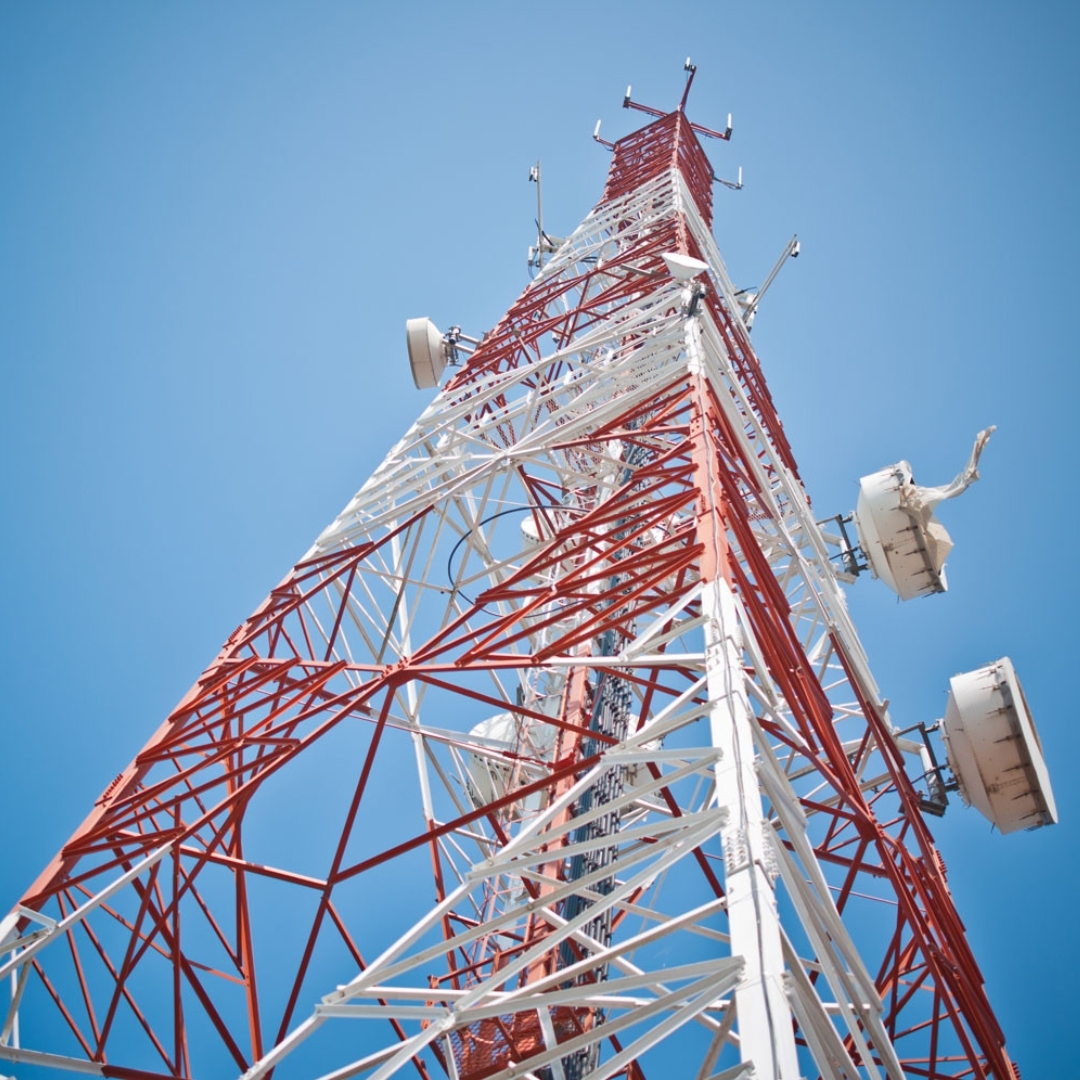
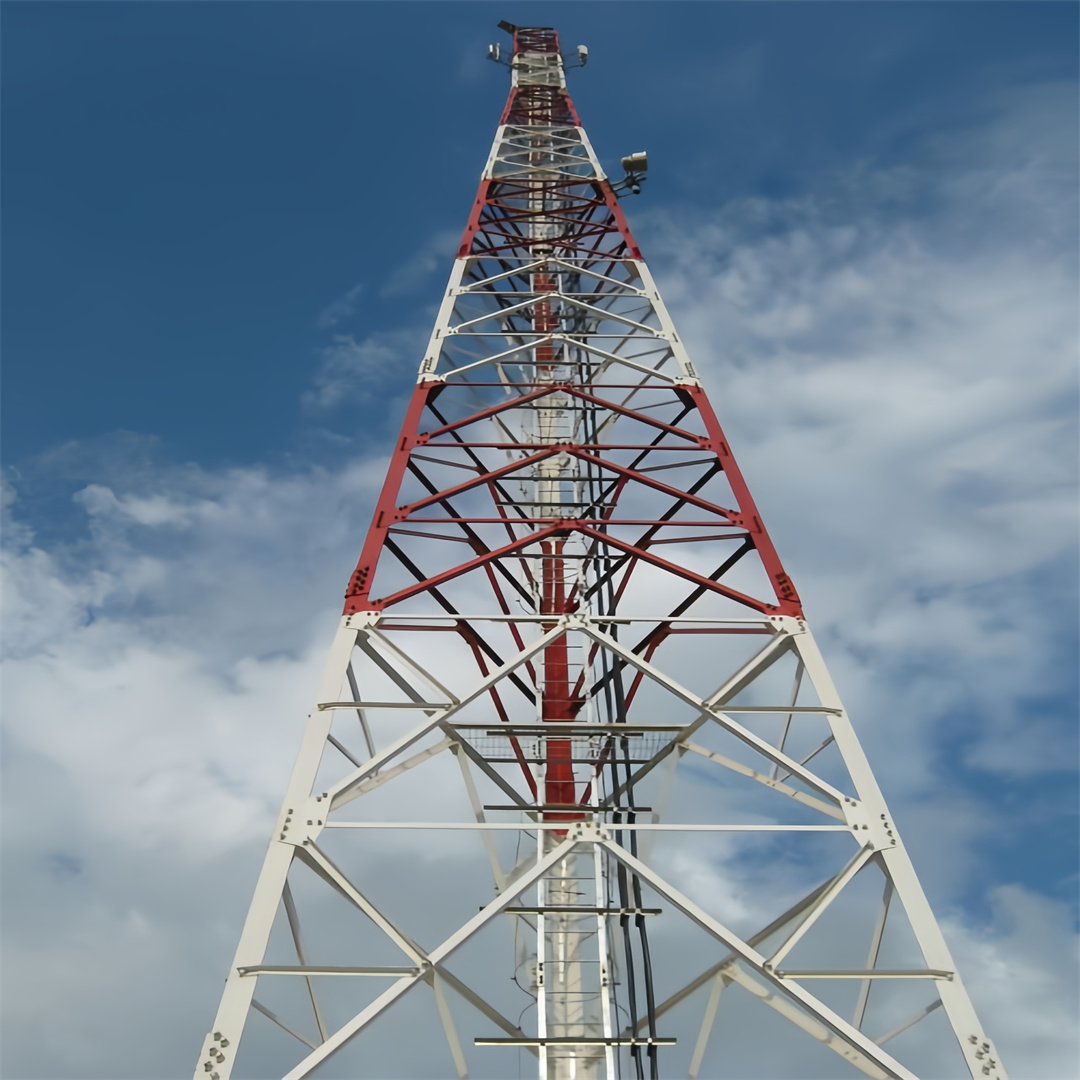
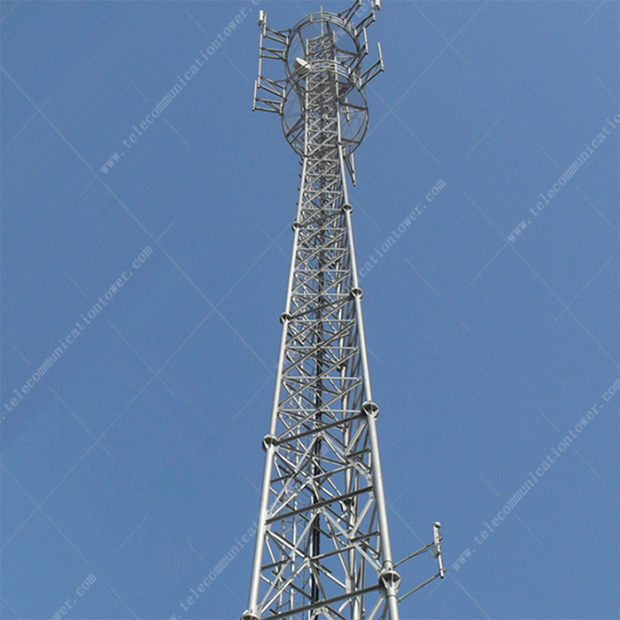
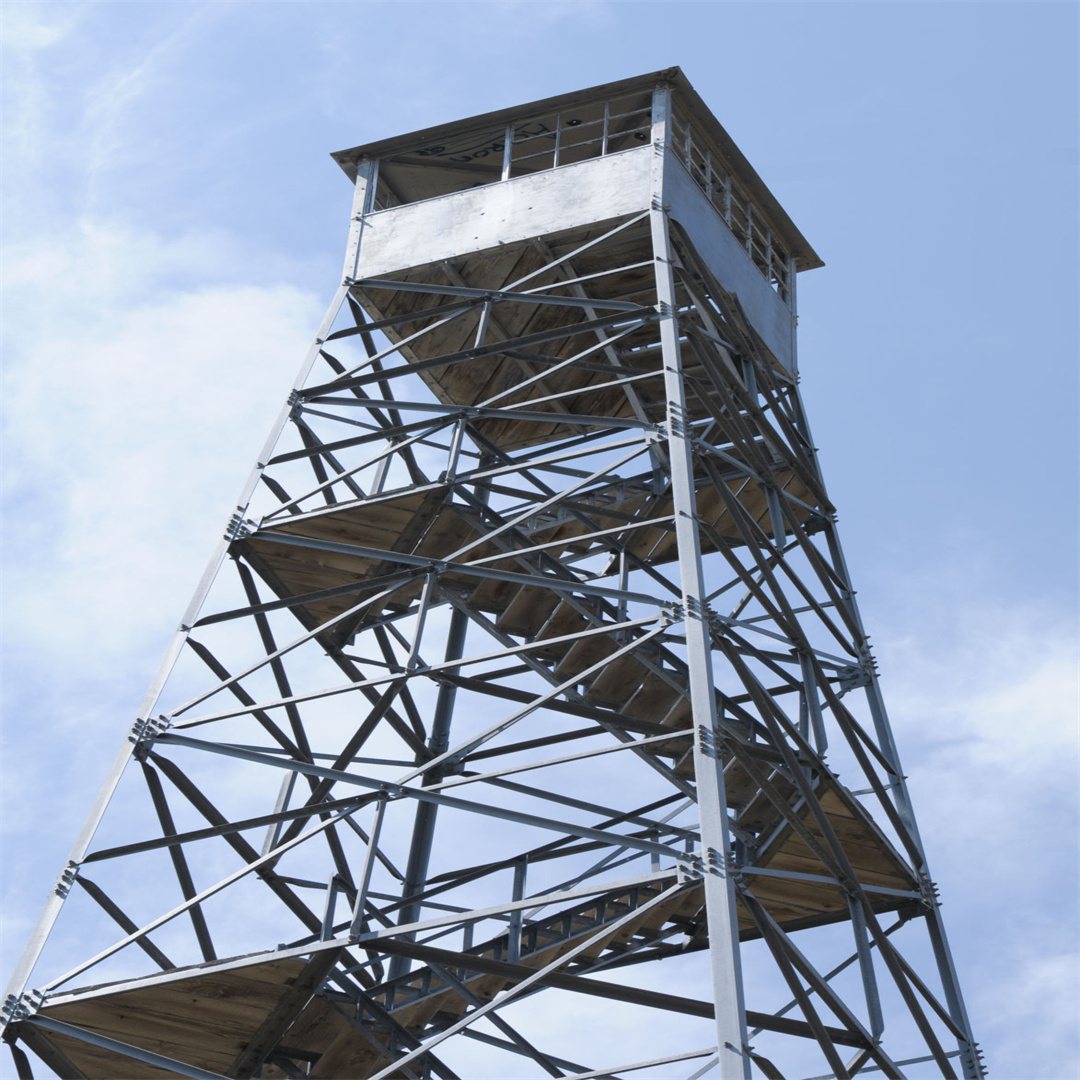
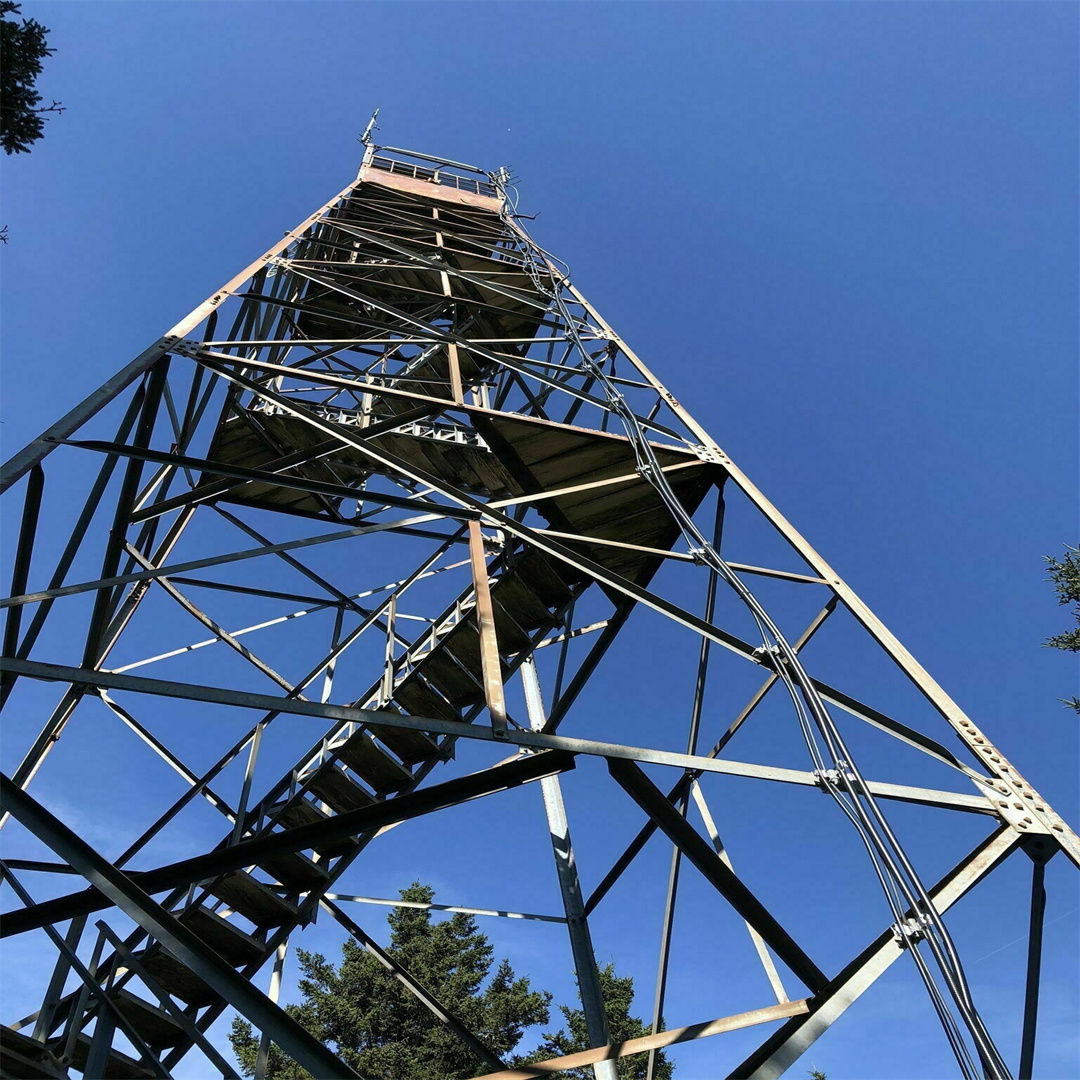
As global communication networks have been developed for decades, a large number of telecom towers built in the 2000s and 2010s have entered the middle and later stages of their service life. Facing corrosion, structural fatigue and insufficient load capacity for 5G upgrades, many operators are choosing professional refurbishment instead of full replacement to save costs and extend infrastructure lifespan.
As a professional telecom tower manufacturer with 10+ years of industry experience, JIAYAO provides complete tower refurbishment and life extension solutions for all tower types. This guide explains the root causes of tower aging, core refurbishment technologies, standard construction workflows and judgment criteria for refurbishment vs. replacement, to help operators achieve reliable performance improvement at the lowest cost.
Long-term exposure to outdoor environment causes gradual wear of the hot-dip galvanized coating. In coastal salt spray areas, industrial pollution zones and high-humidity regions, corrosion develops faster, leading to section thinning of steel members and reduced structural strength.
Years of wind vibration, ice load and temperature changes cause fatigue of steel members and welds. High-strength bolts may loosen over time, and the overall rigidity of the tower decreases, increasing the risk of deformation and tilt.
Most early towers were designed for 2G/3G/4G networks with fewer antennas. With 5G Massive MIMO equipment added, the actual load often exceeds the original design limit, bringing hidden safety risks.
Lightning protection grounding systems, climbing ladders, safety guardrails and anti-climb devices will age or be damaged after long-term use, reducing operational safety and compliance.
Restoring the anti-corrosion performance is the foundation of life extension.
Surface treatment: Remove rust, old coating and attachments by mechanical derusting and sandblasting, reaching SA2.5 cleanliness grade.
Zinc layer repair: For small-area damage, repair with high-zinc-content paint (≥95% zinc); for large-area refurbishment, adopt thermal zinc spraying process to restore the anti-corrosion effect close to hot-dip galvanizing.
Topcoat protection: Add epoxy primer + polyurethane topcoat for enhanced protection. Marine-grade coating is available for coastal and industrial areas.
Improve the overall bearing capacity and stability of the tower.
Main member reinforcement: Use sleeve reinforcement or additional auxiliary members to strengthen the main legs and crossarms, improving bending and compression resistance.
Bracing densification: Add diagonal and horizontal bracing to reduce the calculation length of members and improve torsional rigidity and wind resistance.
Connection upgrade: Replace corroded bolts with brand-new Grade 8.8/10.9 high-strength galvanized bolts, and reinforce joint plates for key stress nodes.
Adapt old towers to the equipment requirements of 5G networks.
Add or extend crossarms to install more Massive MIMO antennas and microwave devices.
Reinforce the tower body according to the new load calculation, ensuring the safety factor meets TIA-222-G standards.
Add cable trays and feeder clamps to standardize cable layout and reduce wind load caused by messy cables.
Foundation inspection & reinforcement: Detect foundation settlement and concrete defects, and reinforce by grouting or adding anchor bolts if necessary.
Lightning protection renovation: Test grounding resistance, replace aged grounding electrodes and down conductors, and upgrade surge protective devices.
Safety facility renewal: Replace damaged climbing ladders, safety cages, work platforms and anti-climb doors to restore compliance and safety performance.
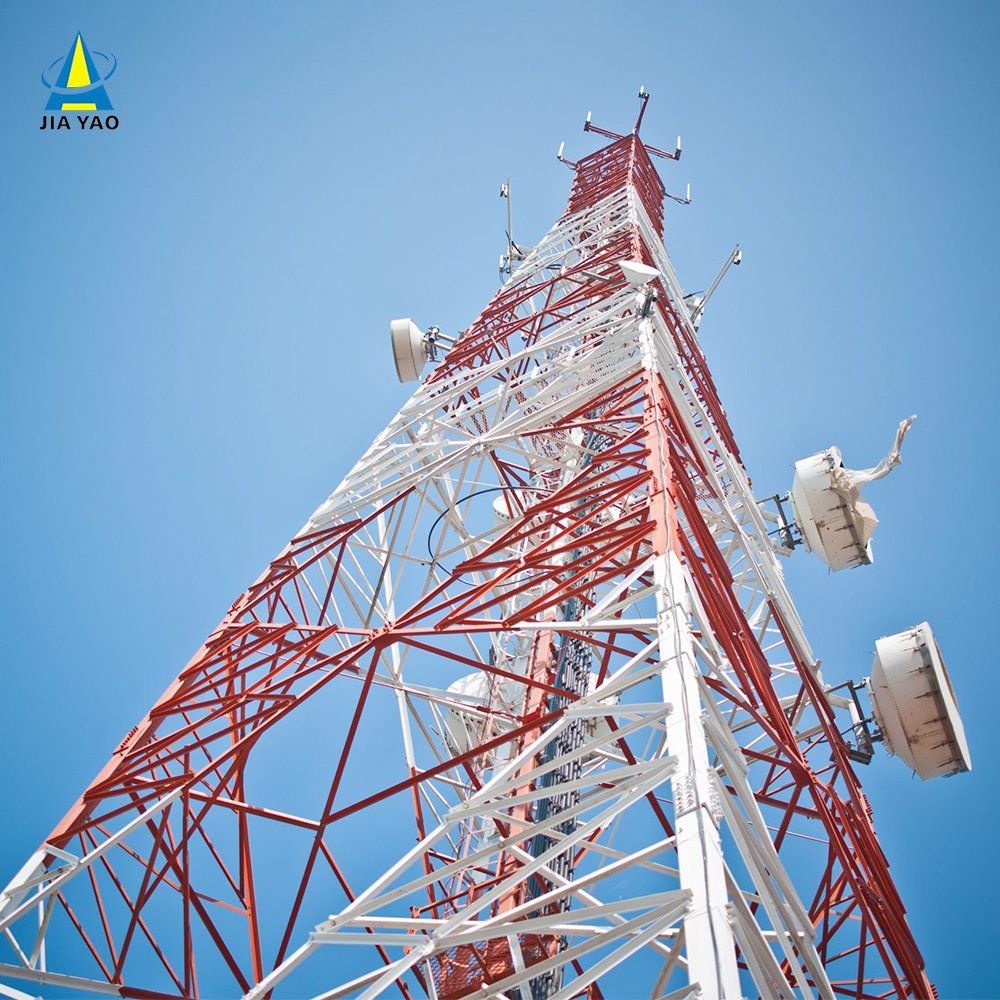
Conduct comprehensive on-site inspection: tower verticality, corrosion degree, bolt tightness, foundation condition and grounding resistance.
Perform structural calculation and check: verify the bearing capacity of the original tower and evaluate the reinforcement demand.
Develop a targeted refurbishment plan and construction schedule according to site conditions.
Set up safety warning zones and fall protection facilities before construction.
Complete structural reinforcement first, then carry out surface derusting and anti-corrosion construction.
Install additional crossarms, cable systems and auxiliary facilities in sequence.
Strictly follow high-altitude operation specifications, and prohibit construction in bad weather such as strong wind and rain.
Recheck tower verticality (≤1/1000 of total height) and bolt torque values.
Test the thickness of anti-corrosion coating and grounding resistance to ensure they meet design requirements.
Issue as-built drawings, test reports and quality warranty documents.
The main structure is basically intact, and the corrosion degree is medium or below.
The cost of refurbishment is less than 60% of building a new tower.
After reinforcement and upgrading, it can meet the use demand for another 15 years or more.
The site has restrictions on new tower approval or construction.
The main members are seriously corroded with section loss over 25%, or there is obvious structural deformation.
The foundation has serious settlement or damage, and the reinforcement cost is too high.
The refurbishment cost exceeds 70% of the cost of a new tower.
The tower type is outdated and cannot meet the long-term development demand of future network upgrading.
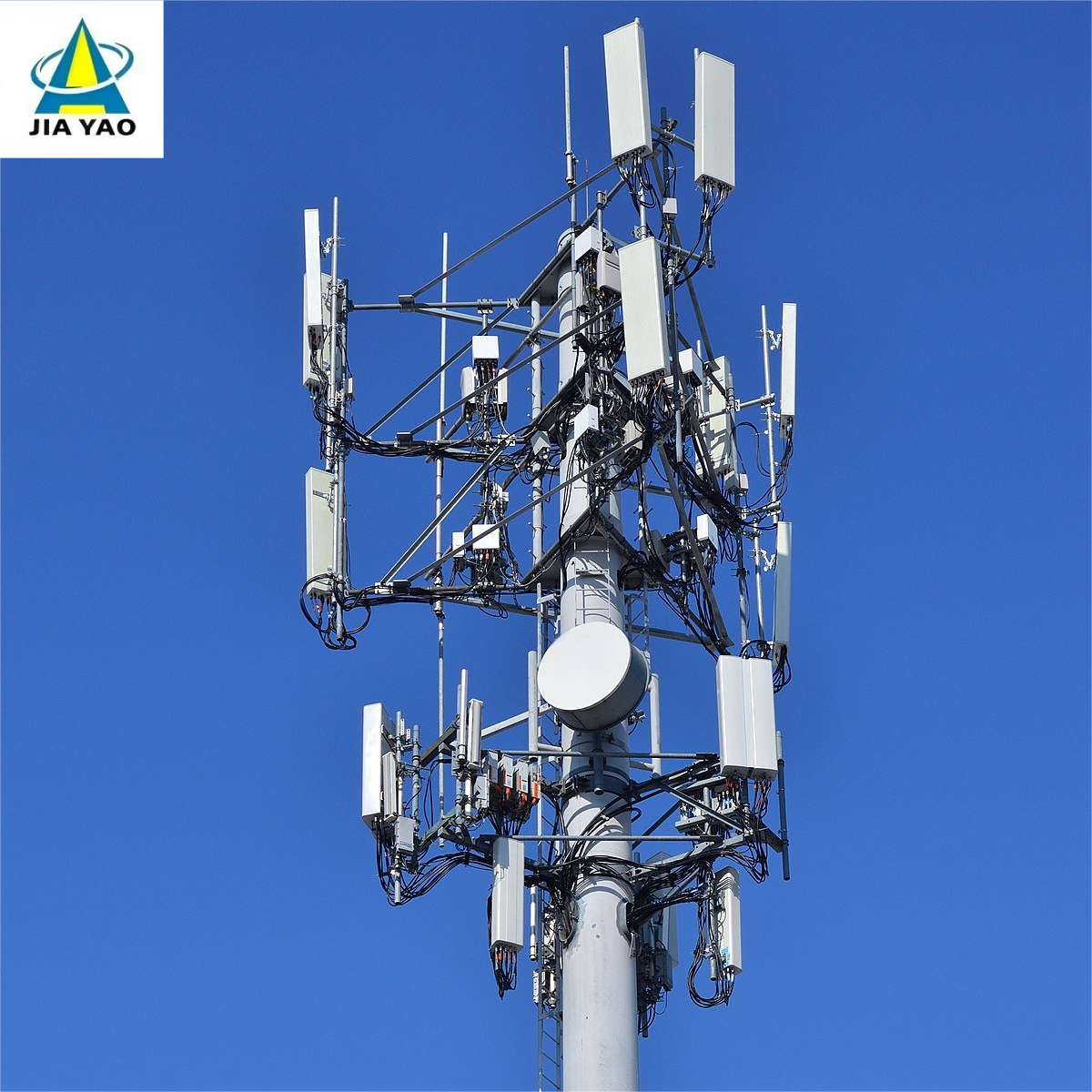
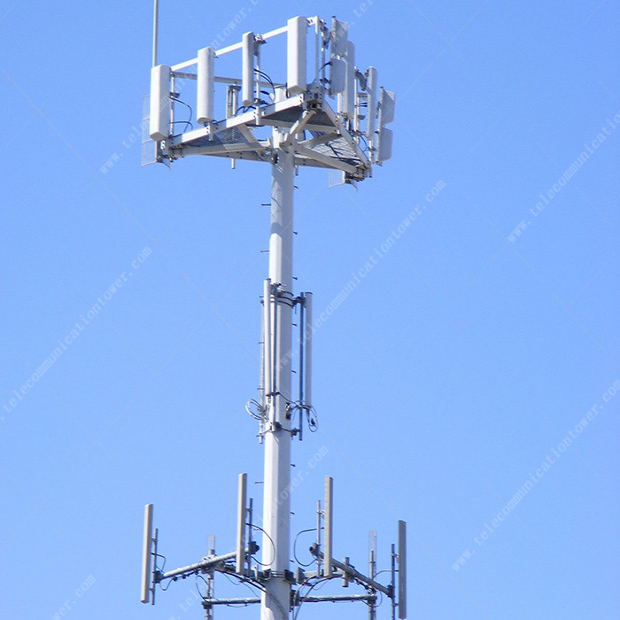
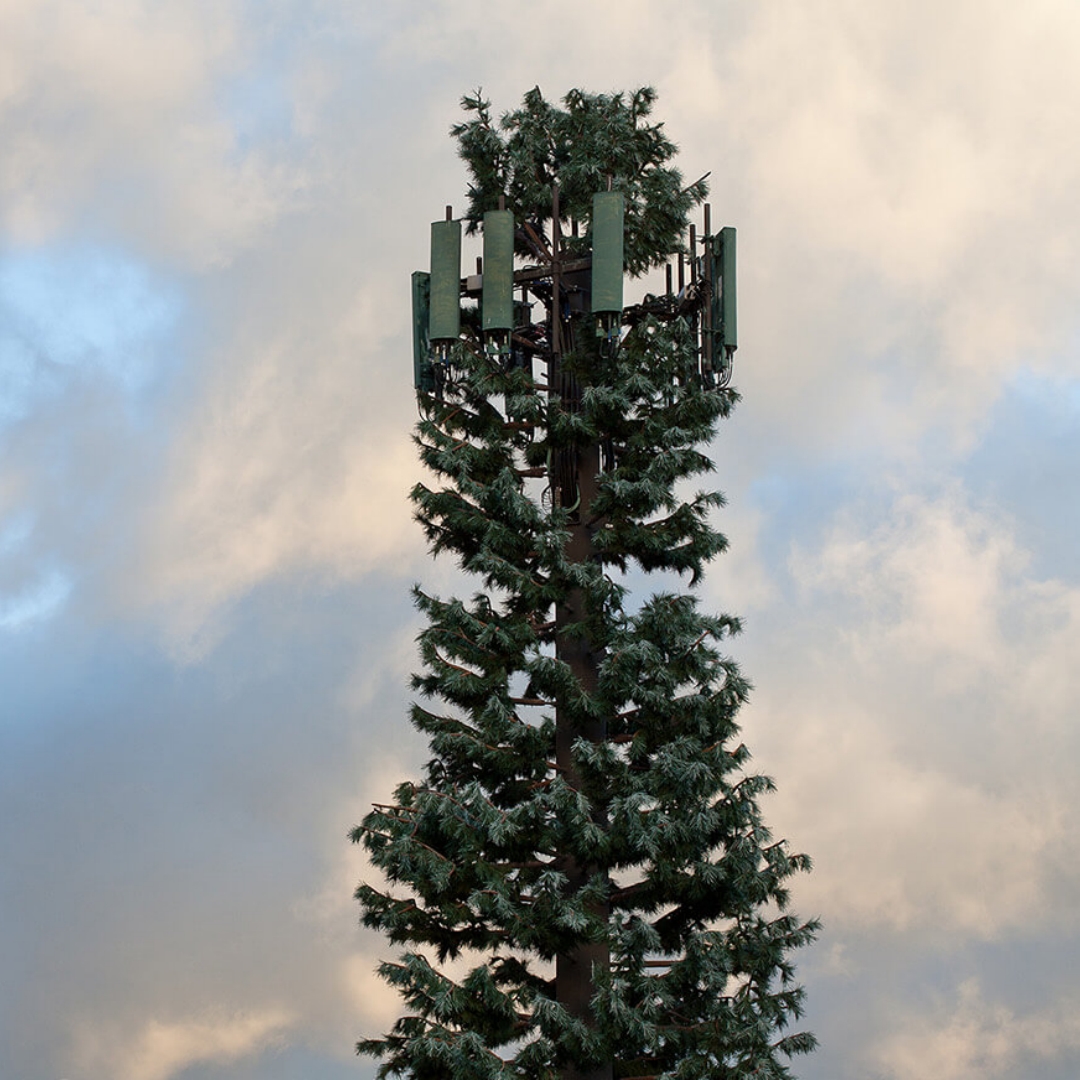
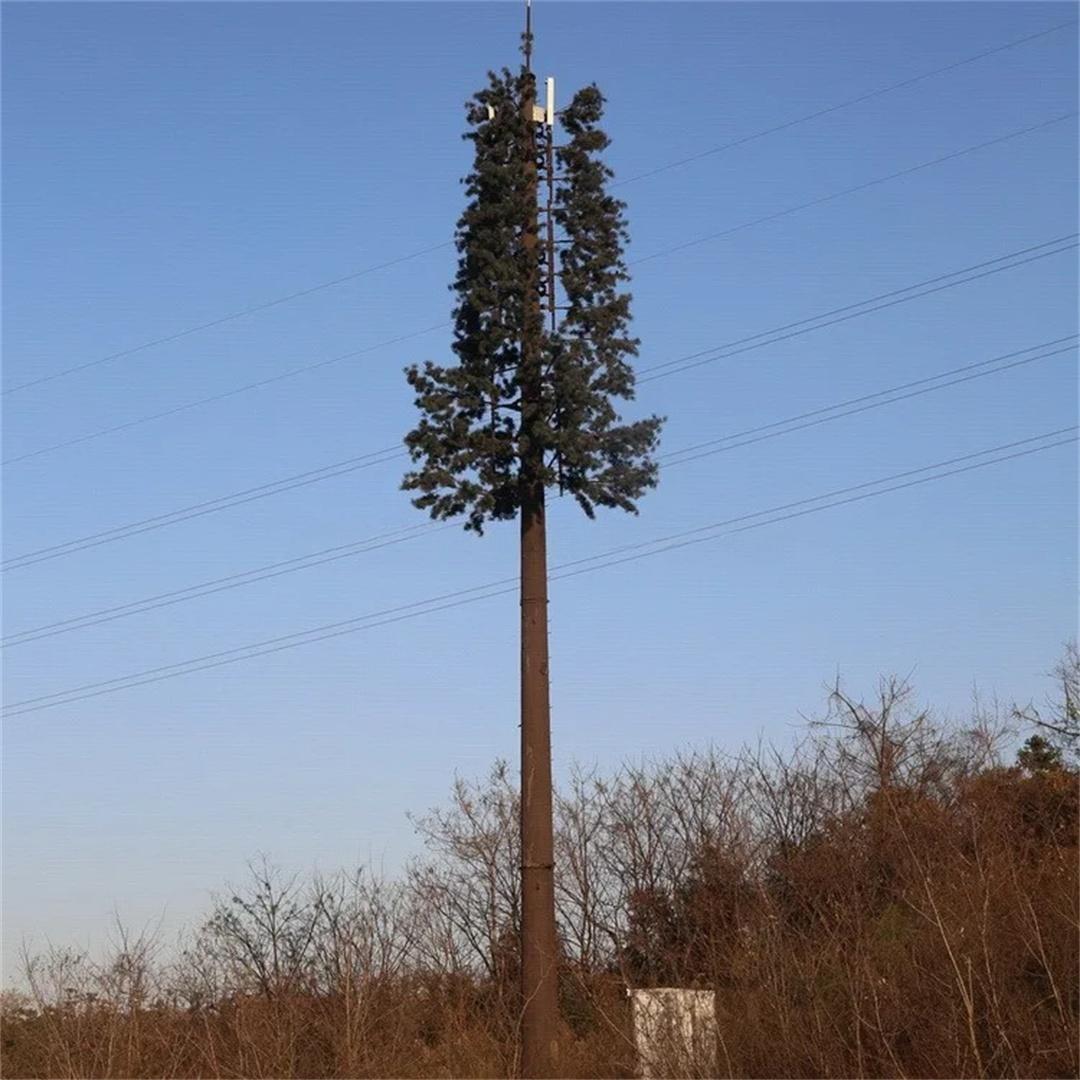
IP68 Sealed Monopole Tower Corrosion Resistant For Coastal Saline Fog Area
With standardized refurbishment and proper follow-up maintenance:
Towers in ordinary inland rural areas: service life extended by 15–20 years
Towers in suburban and general industrial areas: service life extended by 12–15 years
Towers in coastal and heavy industrial corrosion areas: service life extended by 8–12 years
Compared with building new towers, refurbishment can save 40%–60% of the total cost and greatly shorten the construction period, which is the most cost-effective solution for most stock towers.
As a full-service telecom infrastructure supplier, JIAYAO provides one-stop refurbishment services for global customers:
Professional assessment: Senior engineers conduct on-site testing and structural calculation to provide customized solutions.
High-quality materials: All reinforcing parts, bolts and anti-corrosion materials meet international standards, with consistent quality with new towers.
Technical support: Provide construction drawings, operation manuals and on-site guidance to ensure construction quality.
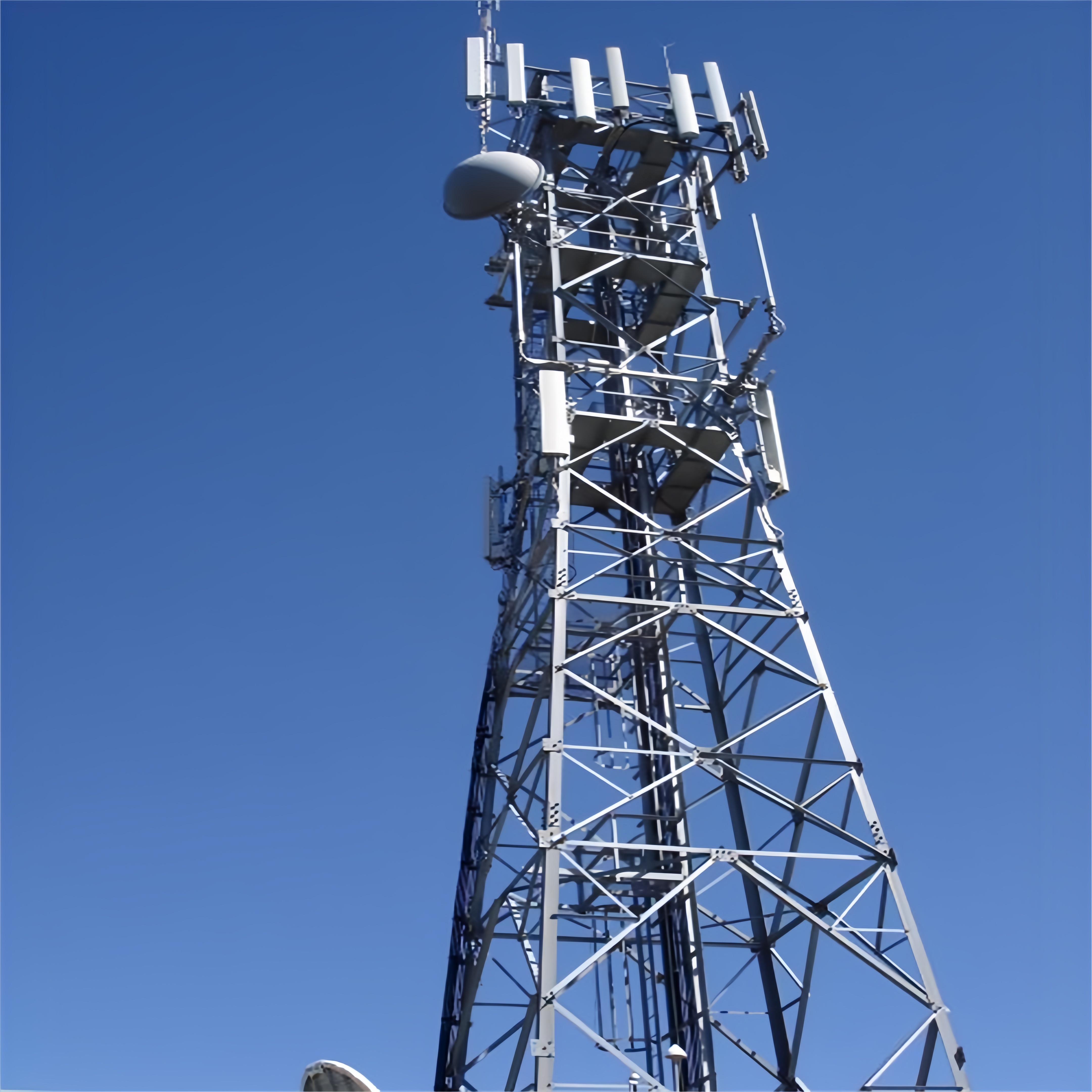
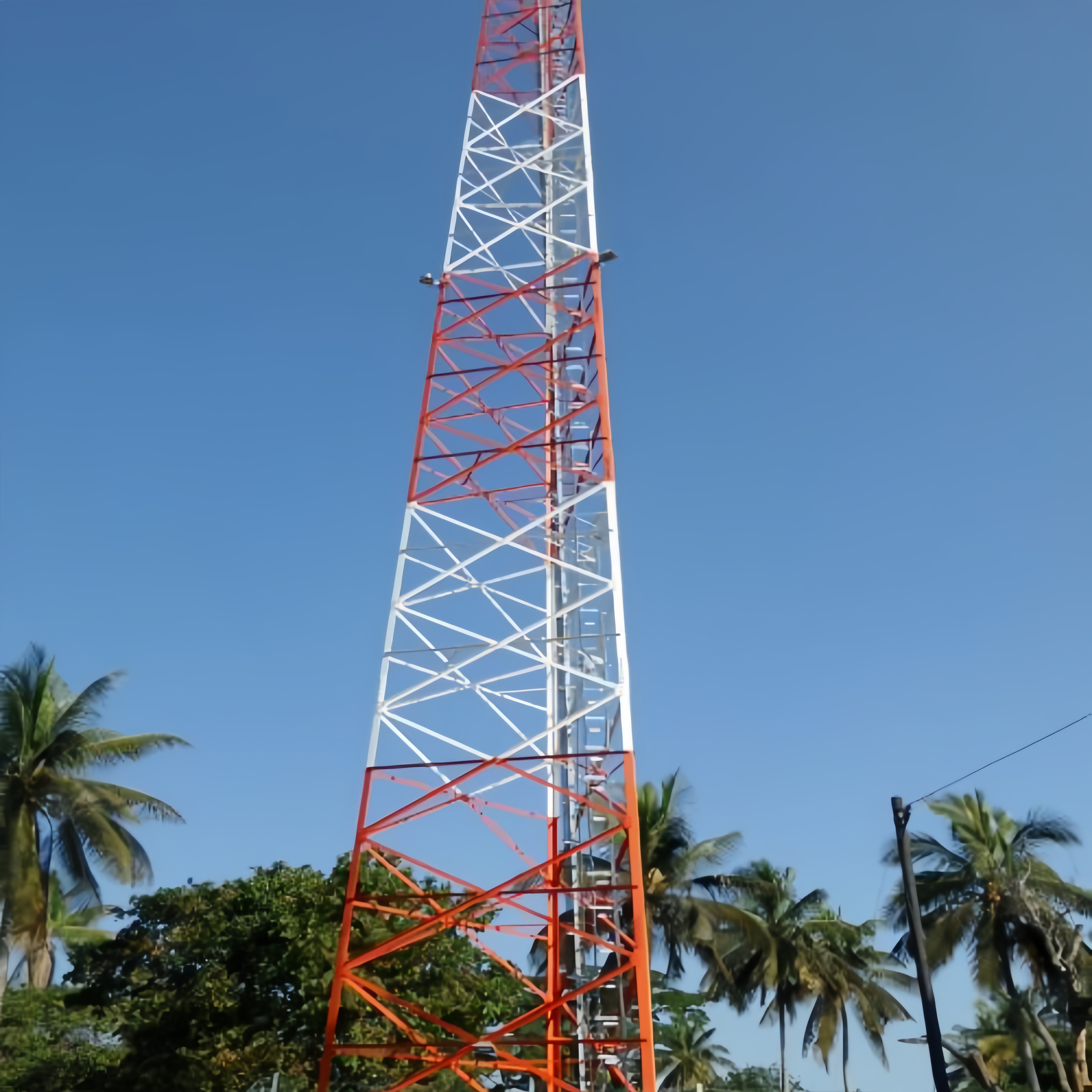
Wide adaptability: Suitable for monopole towers, lattice towers, guyed towers and rooftop towers of all heights and types.
Tower refurbishment and life extension is a cost-effective way for operators to deal with infrastructure aging and 5G upgrading demand. Through scientific assessment, targeted structural reinforcement and standardized anti-corrosion construction, old towers can regain stable performance and continue to serve network construction for more than ten years.
If you have old telecom towers that need refurbishment or 5G load upgrade, contact JIAYAO today. Our engineering team will provide you with a free assessment and customized life extension solution.