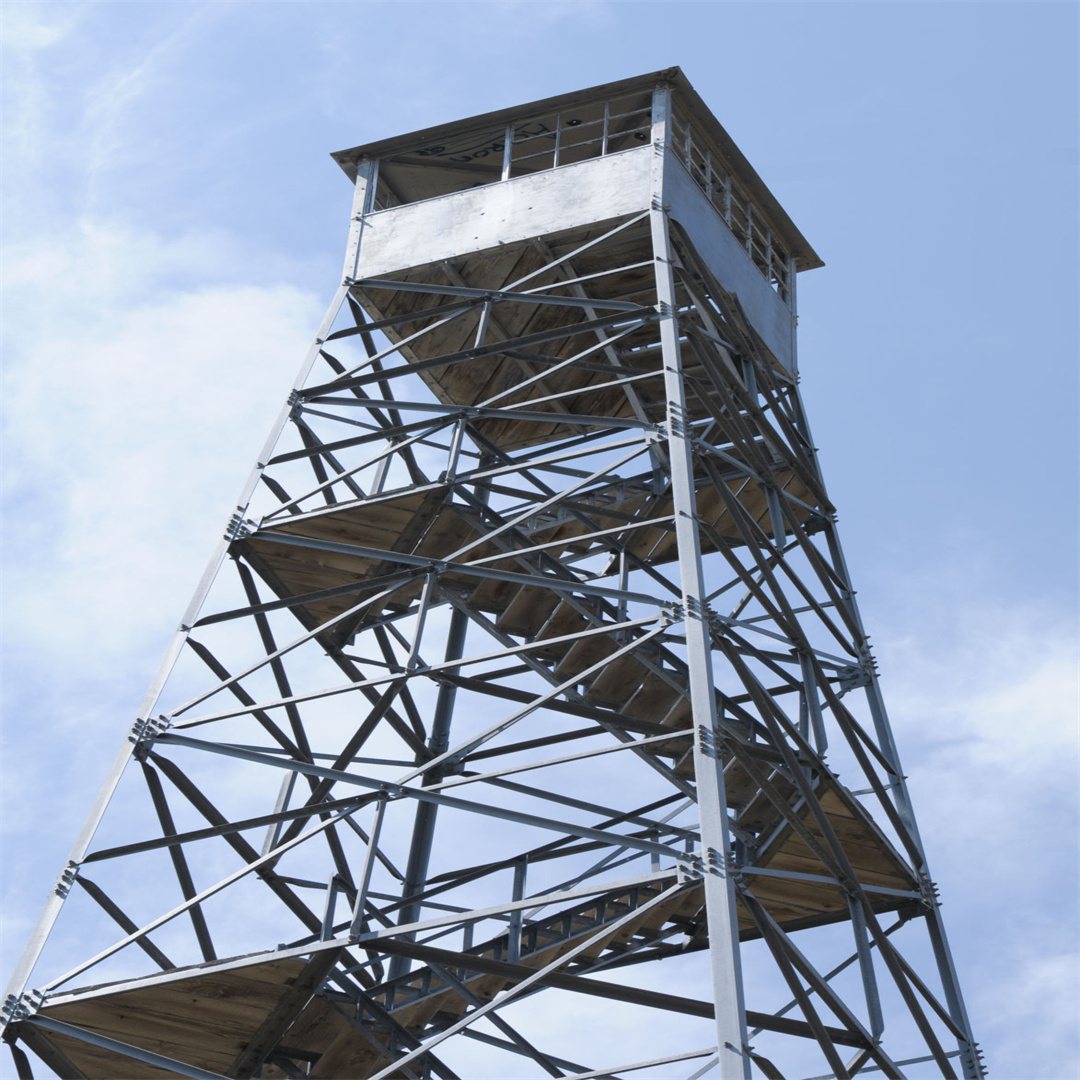
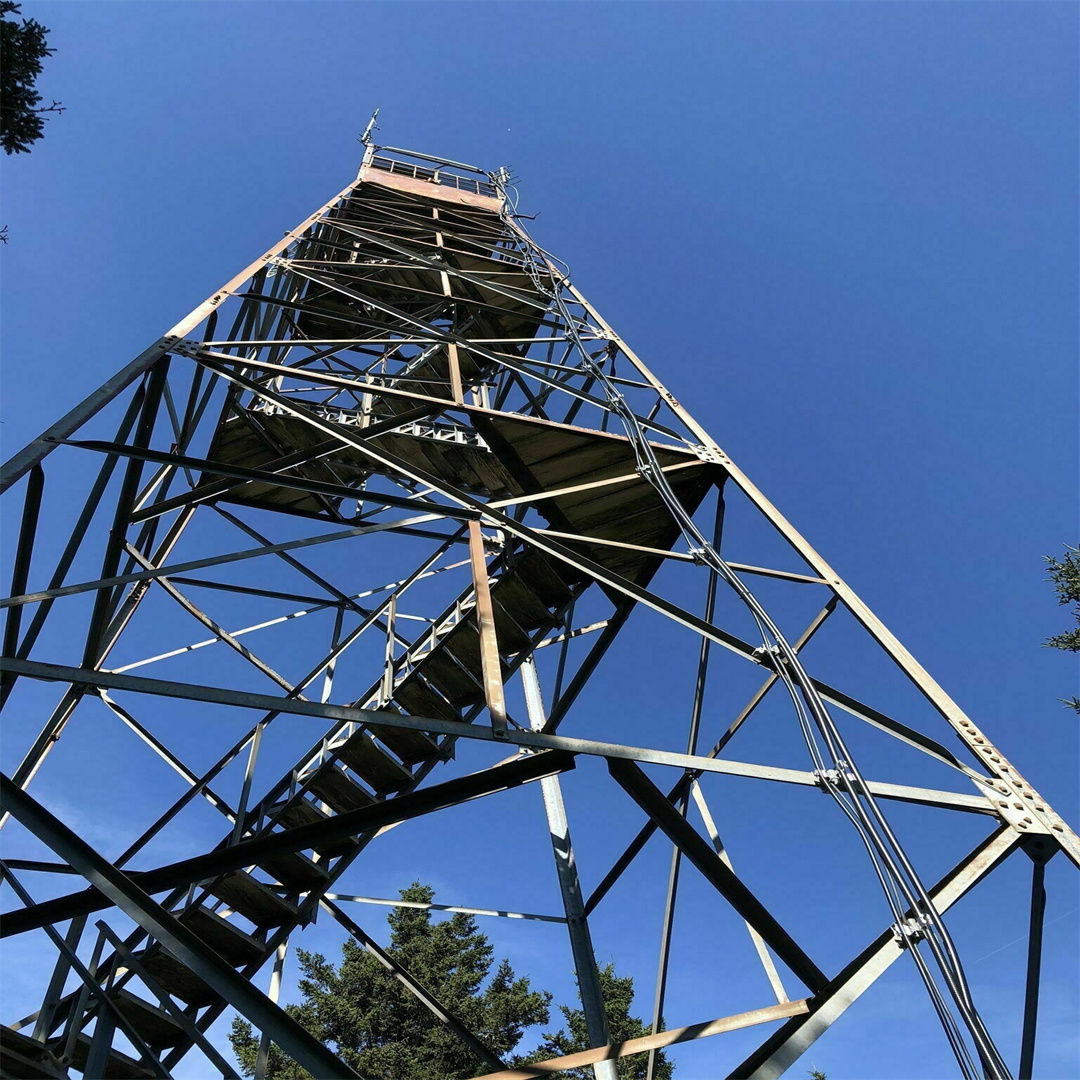
Modular & Portable Build: Composed of prefabricated, lightweight segments (each weighing ≤50kg) that can be disassembled and transported via pickup trucks, helicopters, or even backpacks for remote locations.
Rapid Deployment Capability: Can be fully assembled and operational in 2–8 hours (depending on height) by a 2–4 person team, without the need for heavy machinery or complex foundations.
Flexible Height Range: Adjustable heights from 10m to 30m, with telescopic or foldable designs to adapt to different coverage needs—from small-scale disaster zones to large public gatherings.
Stable Temporary Foundations: Utilizes portable bases such as weighted concrete blocks, ground anchors, or hydraulic jacks, eliminating the need for permanent concrete footings and enabling deployment on uneven terrain.
Integrated Communication Support: Equipped with universal antenna mounts, cable management systems, and power interfaces (compatible with generators or solar panels) to support 4G/5G small cells, microwave transmitters, or emergency radios.
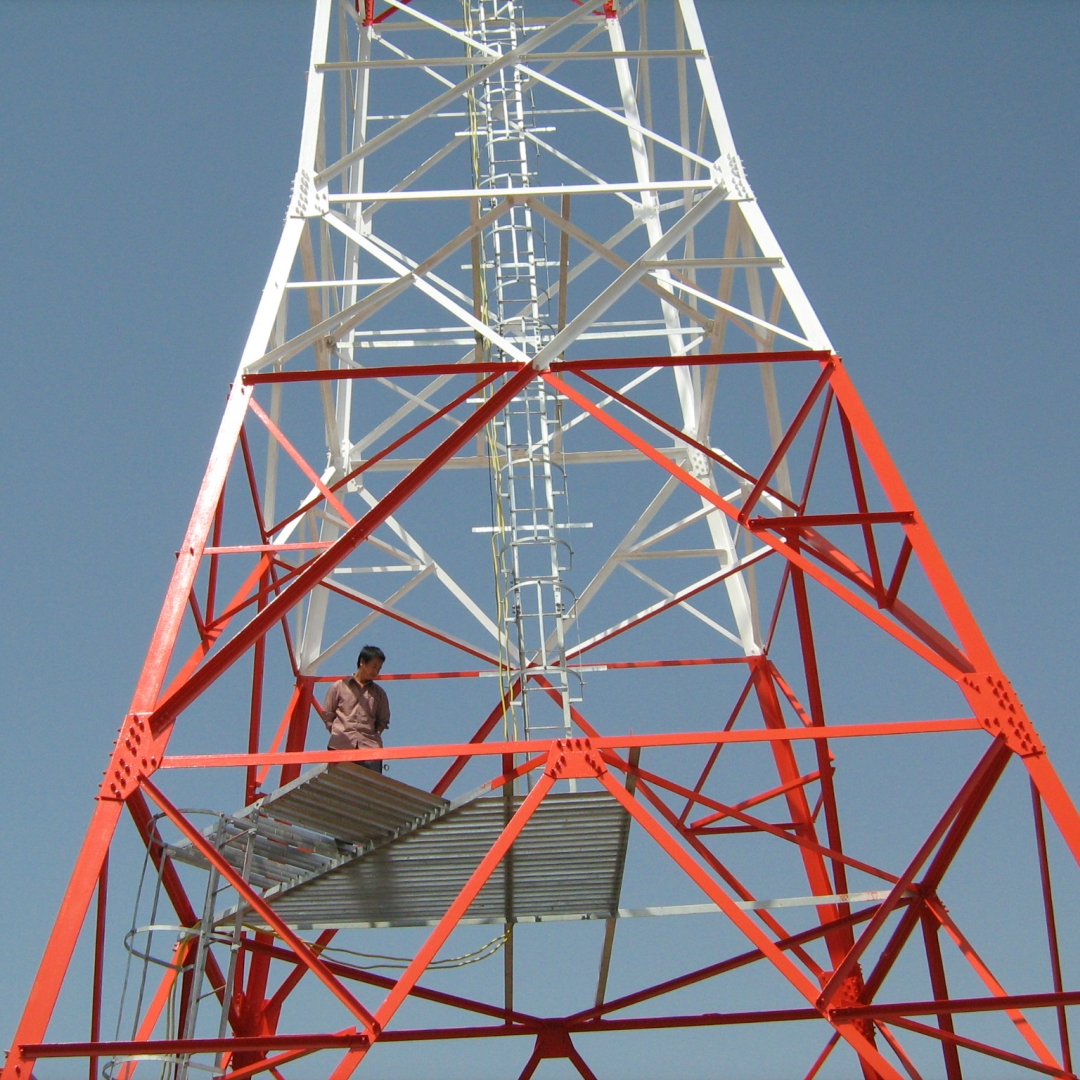
Primary Structure: High-strength aluminum alloy (6061-T6) or lightweight carbon steel, balancing durability with portability—offering a strength-to-weight ratio 30% higher than traditional steel towers.
Corrosion & Weather Resistance: Surface treatment includes anodization (for aluminum) or powder coating (for steel) to withstand harsh conditions like rain, snow, and salt spray, ensuring reliability in extreme environments.
Fasteners & Joints: Quick-connect locking mechanisms and high-tensile stainless steel bolts (ISO 898 Grade 8.8) for secure, tool-free assembly and disassembly.
Compliance: Meets international standards such as TIA-222-G (telecom tower safety) and IEC 62305 (lightning protection), with load-bearing capacity tested to resist wind speeds up to 180km/h and seismic activity up to Grade 6.
Natural Disaster Response: Restores communication after earthquakes, floods, hurricanes, or wildfires—providing a lifeline for emergency services to coordinate rescues and for affected communities to contact loved ones.
Temporary Event Coverage: Supports large-scale public events (concerts, marathons, festivals) or temporary construction sites, delivering high-density 4G/5G coverage for attendees or workers.
Remote Area Connectivity: Deploys in rural, mountainous, or island regions with no permanent telecom infrastructure—enabling connectivity for agricultural monitoring, ecological research, or remote village communities.
Military & Security Operations: Provides secure, temporary communication for military missions, border patrols, or security operations in areas with limited or compromised network access.
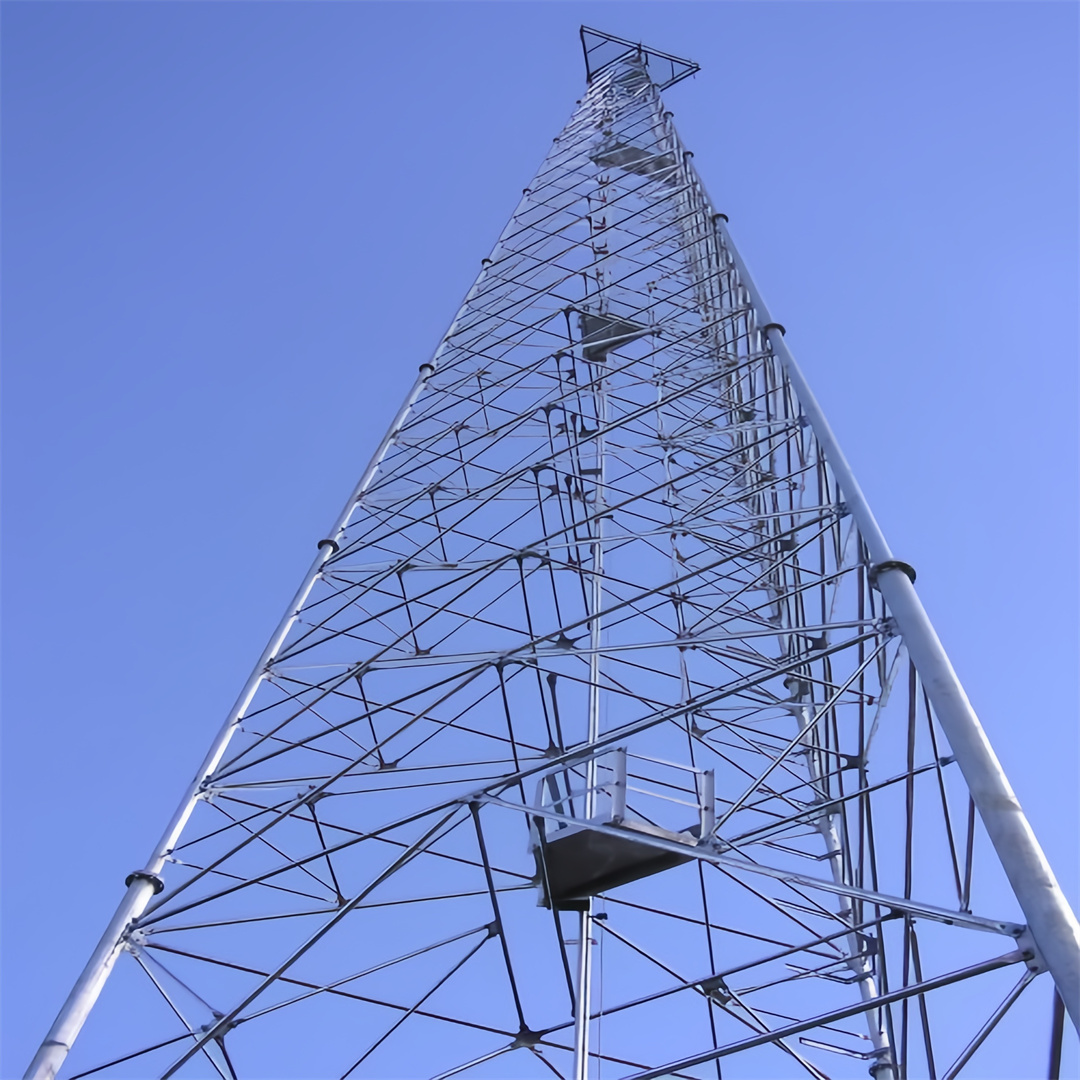
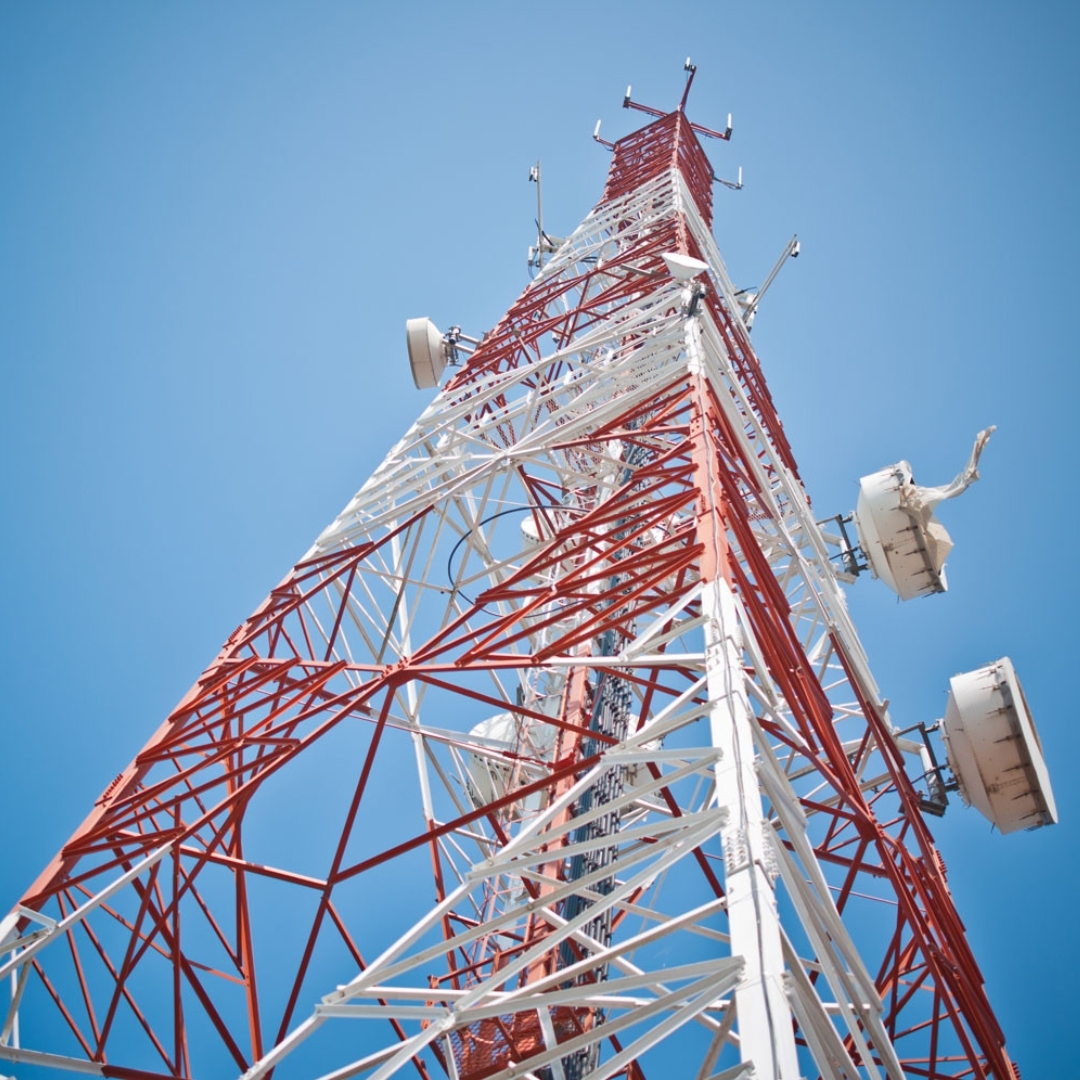
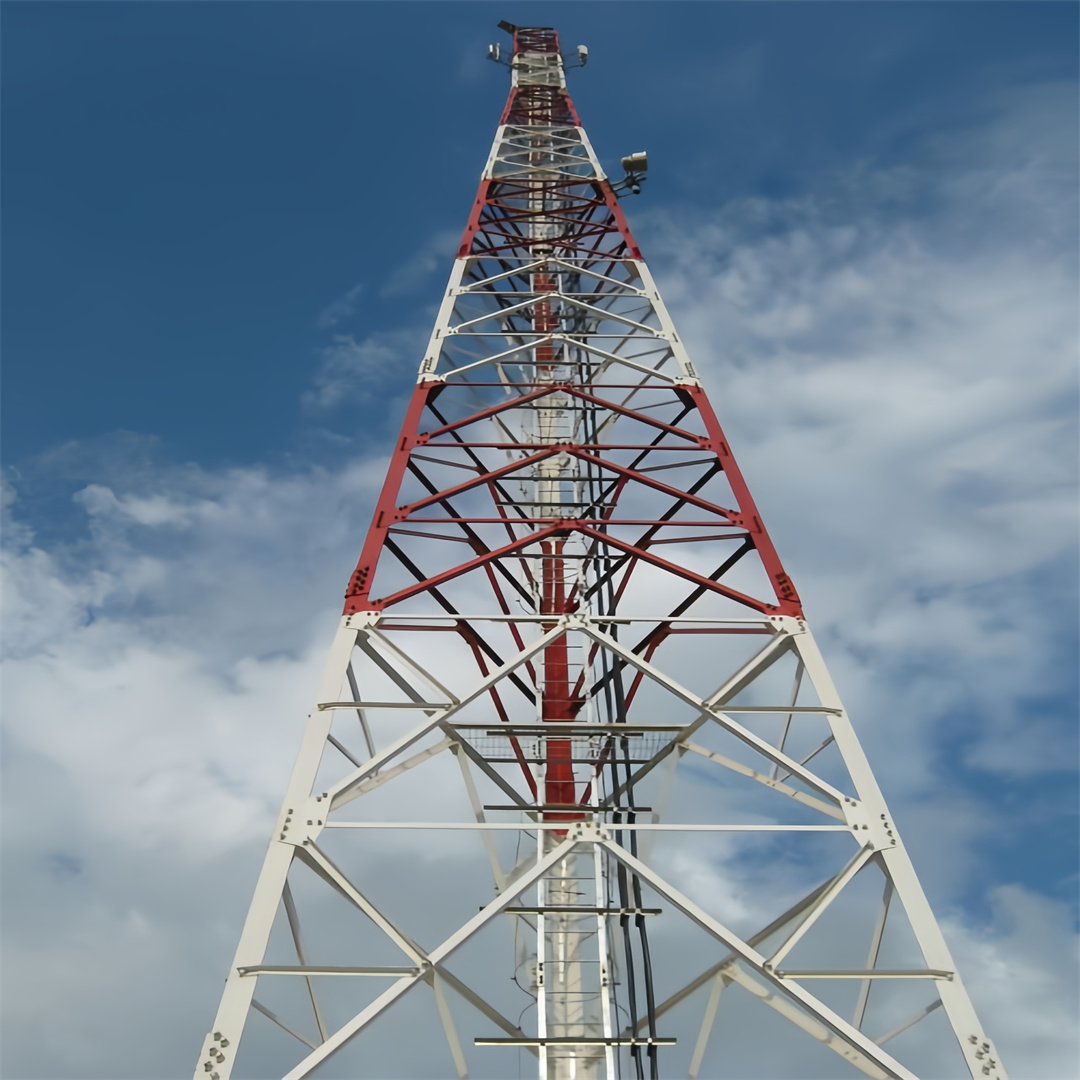
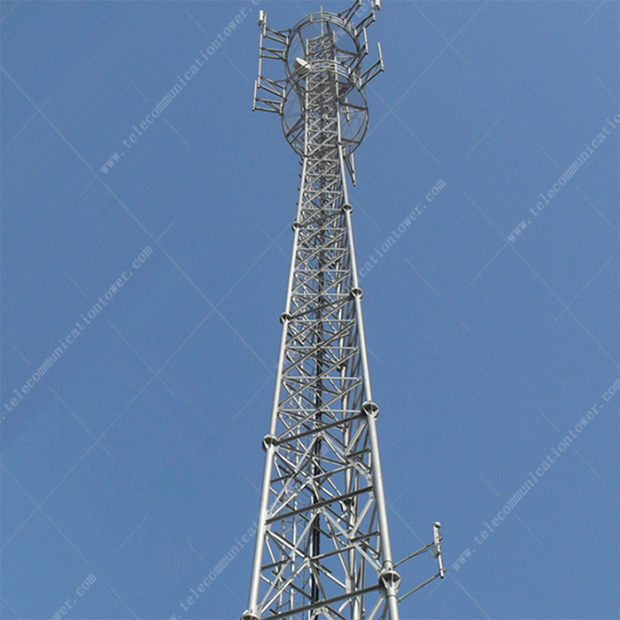
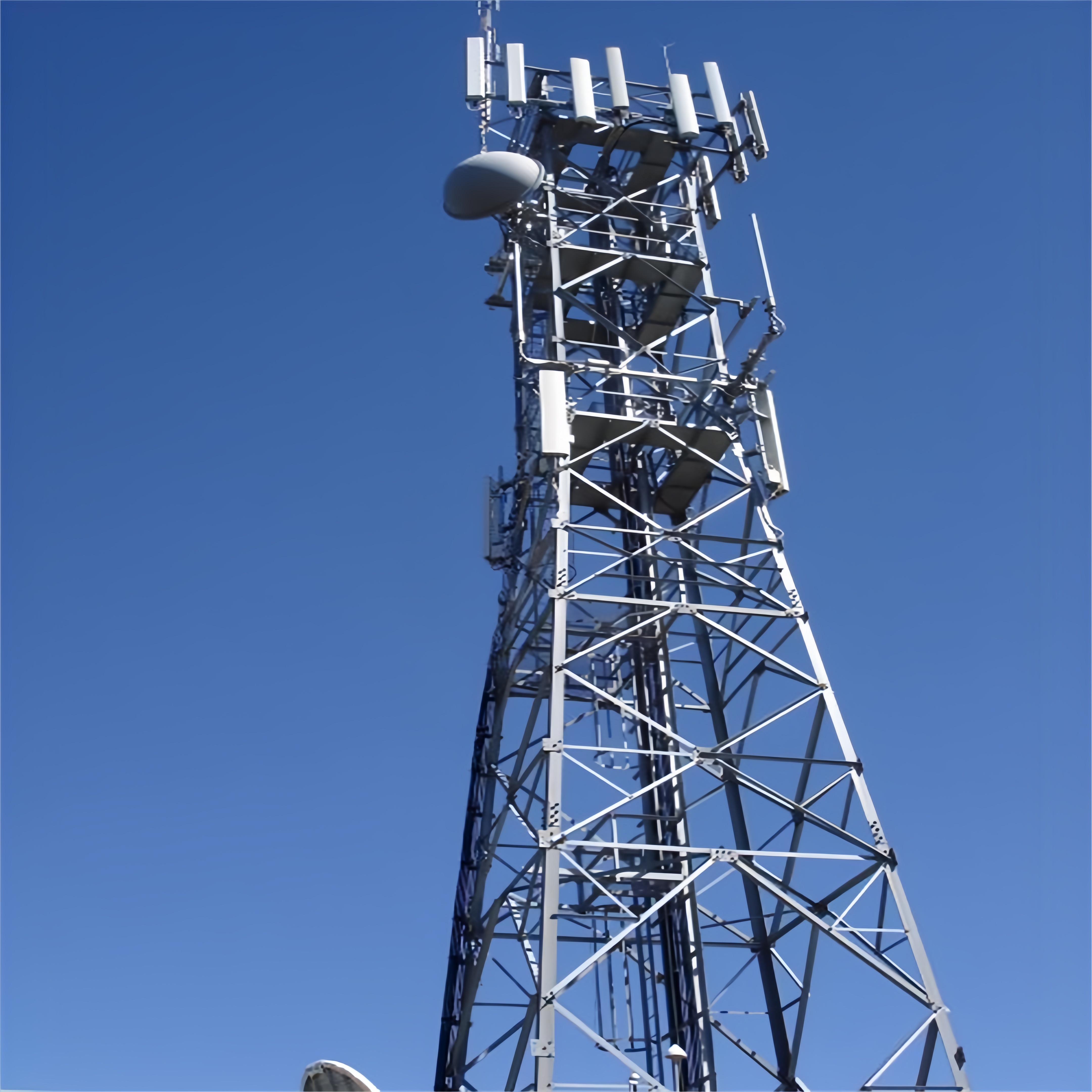
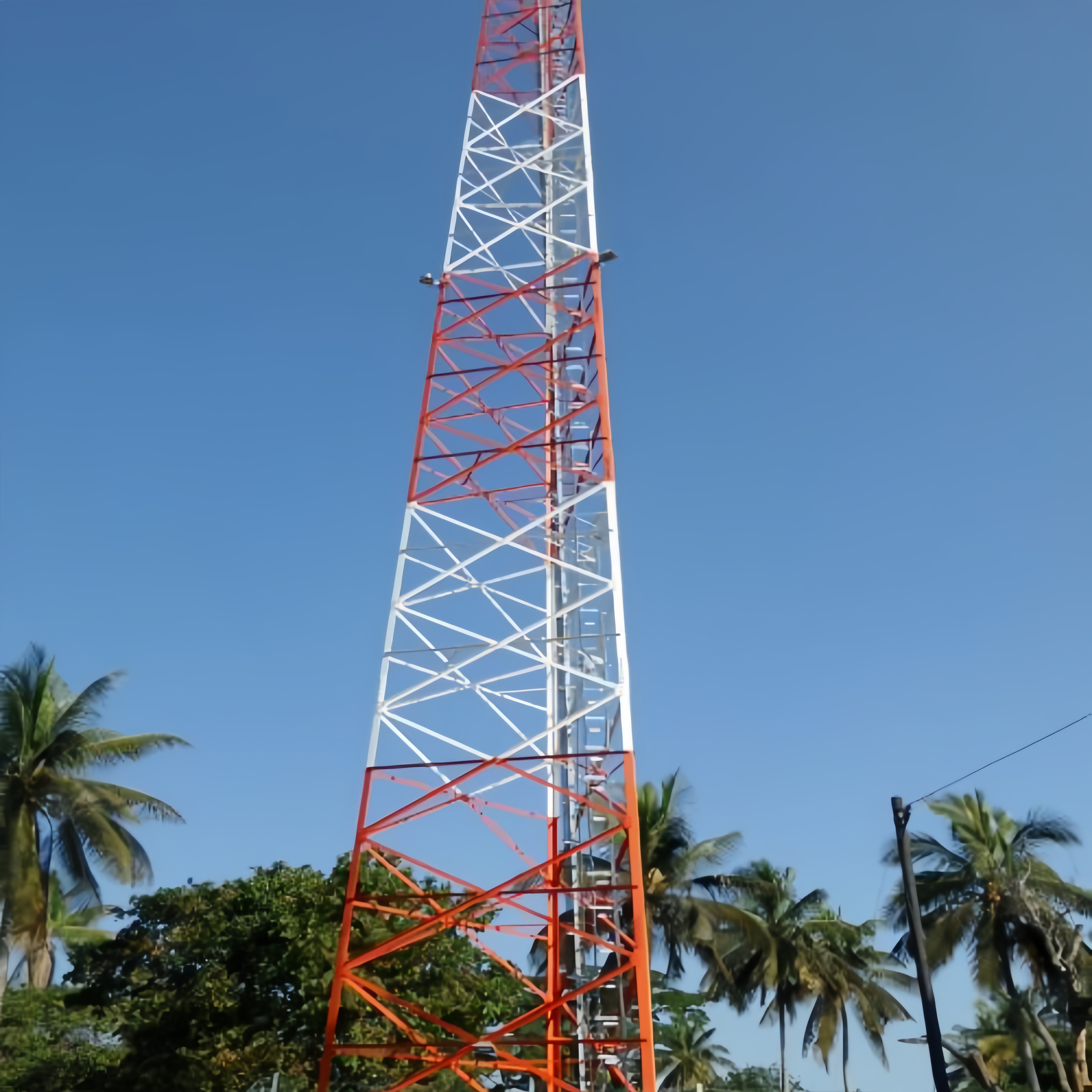
20 30 40M 3 Leg Tubular Steel Seamless Isp Internet 5G Wifi Bts Telecom Transmission Tower
Speed & Efficiency: Cuts deployment time from weeks (for permanent towers) to hours, ensuring critical communication is established when every minute counts.
Cost-Effectiveness: Eliminates the high costs of permanent foundation construction, transportation of heavy equipment, and long-term maintenance—ideal for short-term or one-time use cases.
Terrain Adaptability: Operates on diverse surfaces (grasslands, rocky slopes, urban streets) without site preparation, making it suitable for hard-to-reach locations.
Multi-Functional Compatibility: Works with various communication equipment (5G small cells, satellite terminals, emergency broadcast systems) and power sources (generators, solar panels, batteries), adapting to different emergency needs.
Reusability: Designed for repeated deployment (service life of 15+ years with proper maintenance), offering long-term value for government agencies, telecom operators, and emergency response teams.
Pre-Deployment Checks: Inspect modular segments, locking mechanisms, and antenna mounts for damage or wear before each use—ensure all components are clean and free of debris.
Post-Use Cleaning & Storage: Clean surface coatings to remove dirt, salt, or moisture; disassemble and store components in dry, ventilated spaces to prevent corrosion.
Annual Inspections: Test load-bearing capacity, fastener tightness, and electrical connections (if integrated) to maintain structural and functional integrity.
Component Replacement: Replace worn or damaged segments (e.g., bent poles, faulty locks) promptly to avoid deployment delays during emergencies.