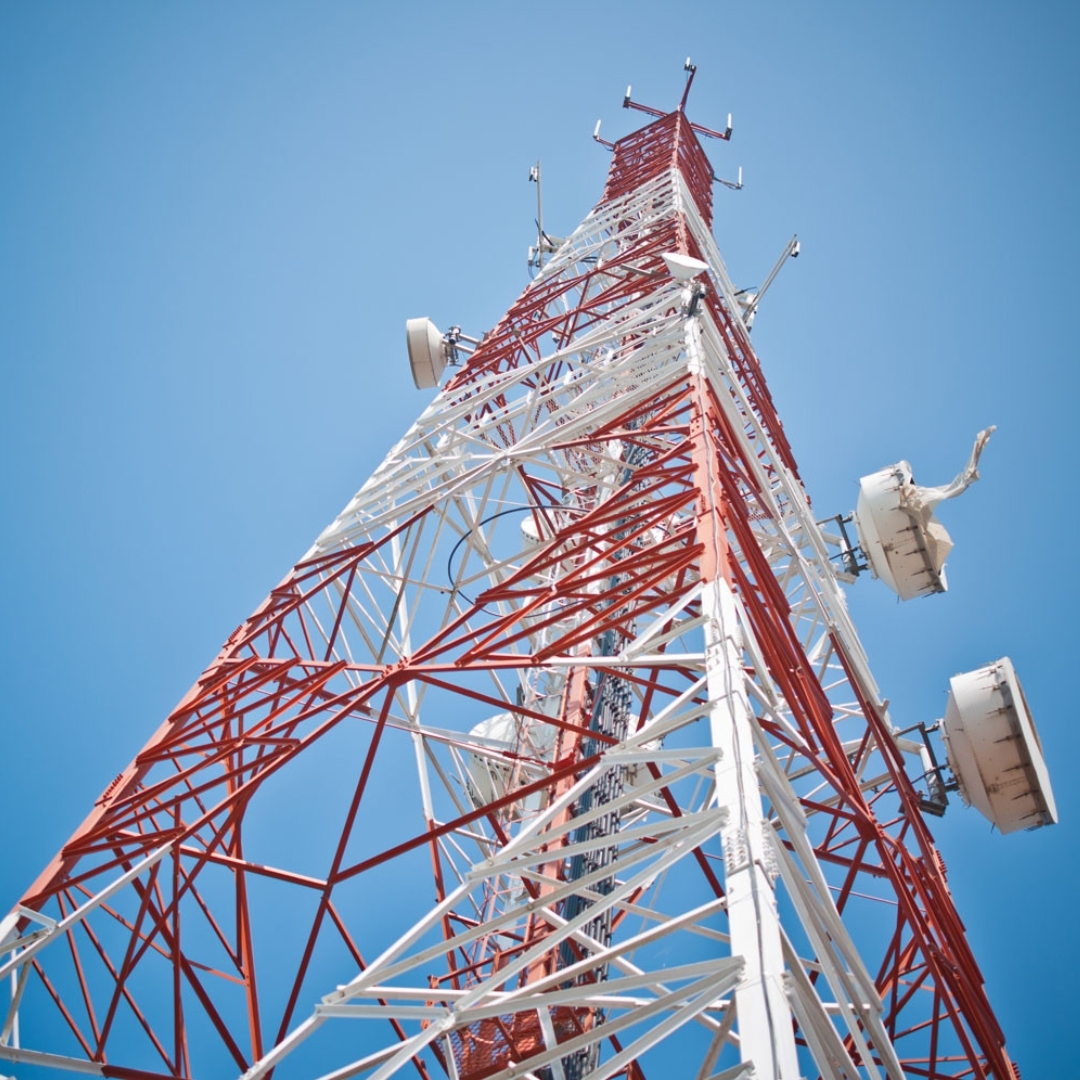
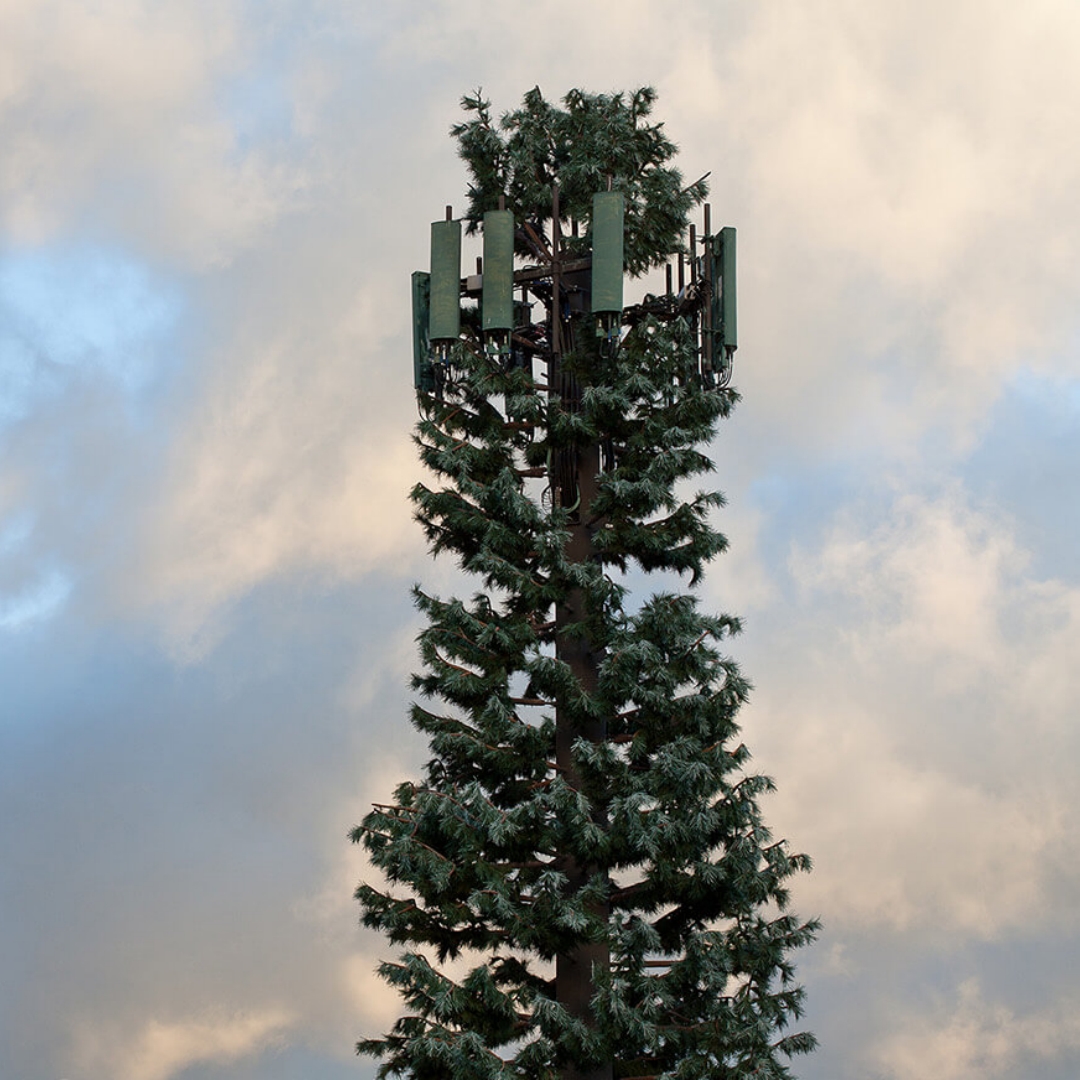
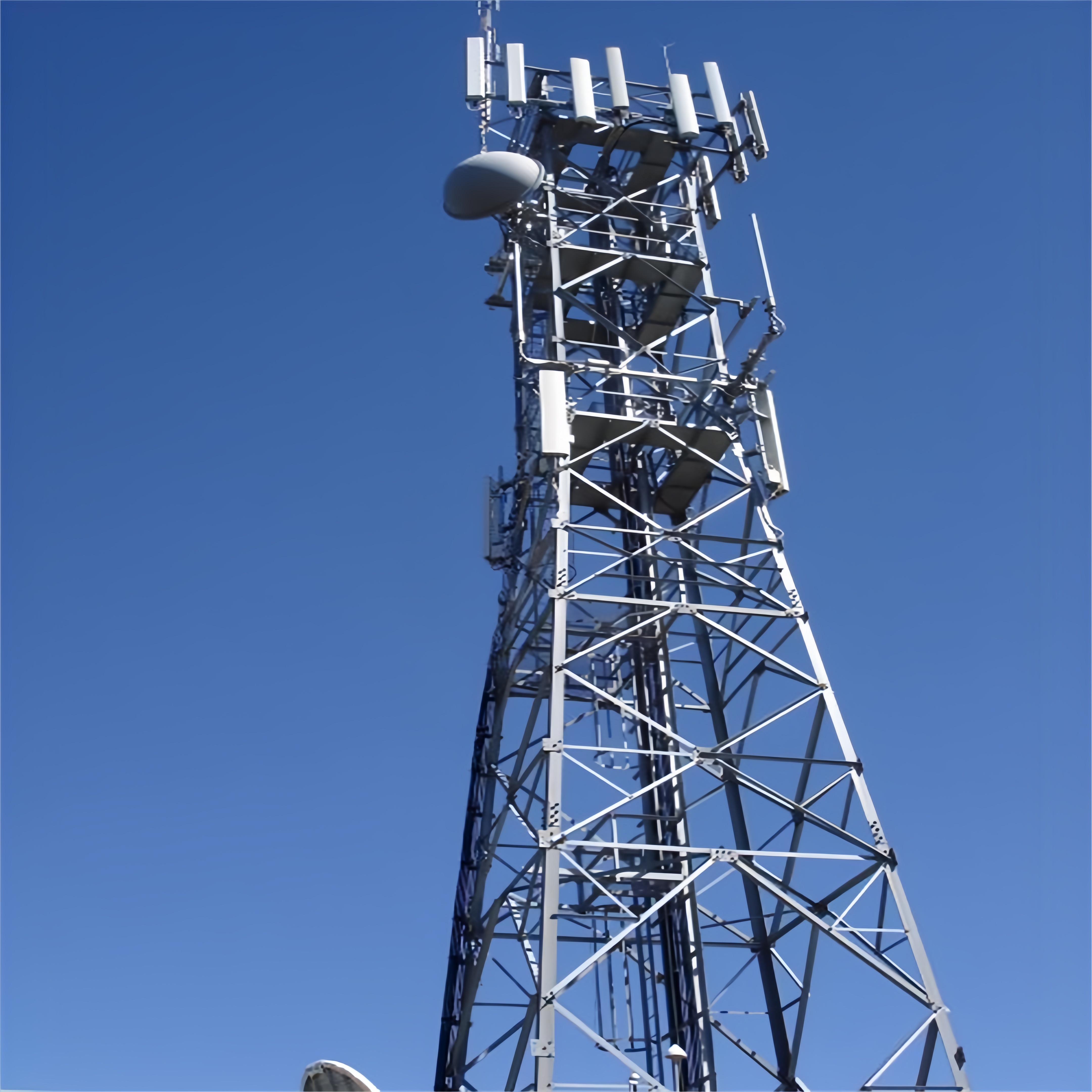
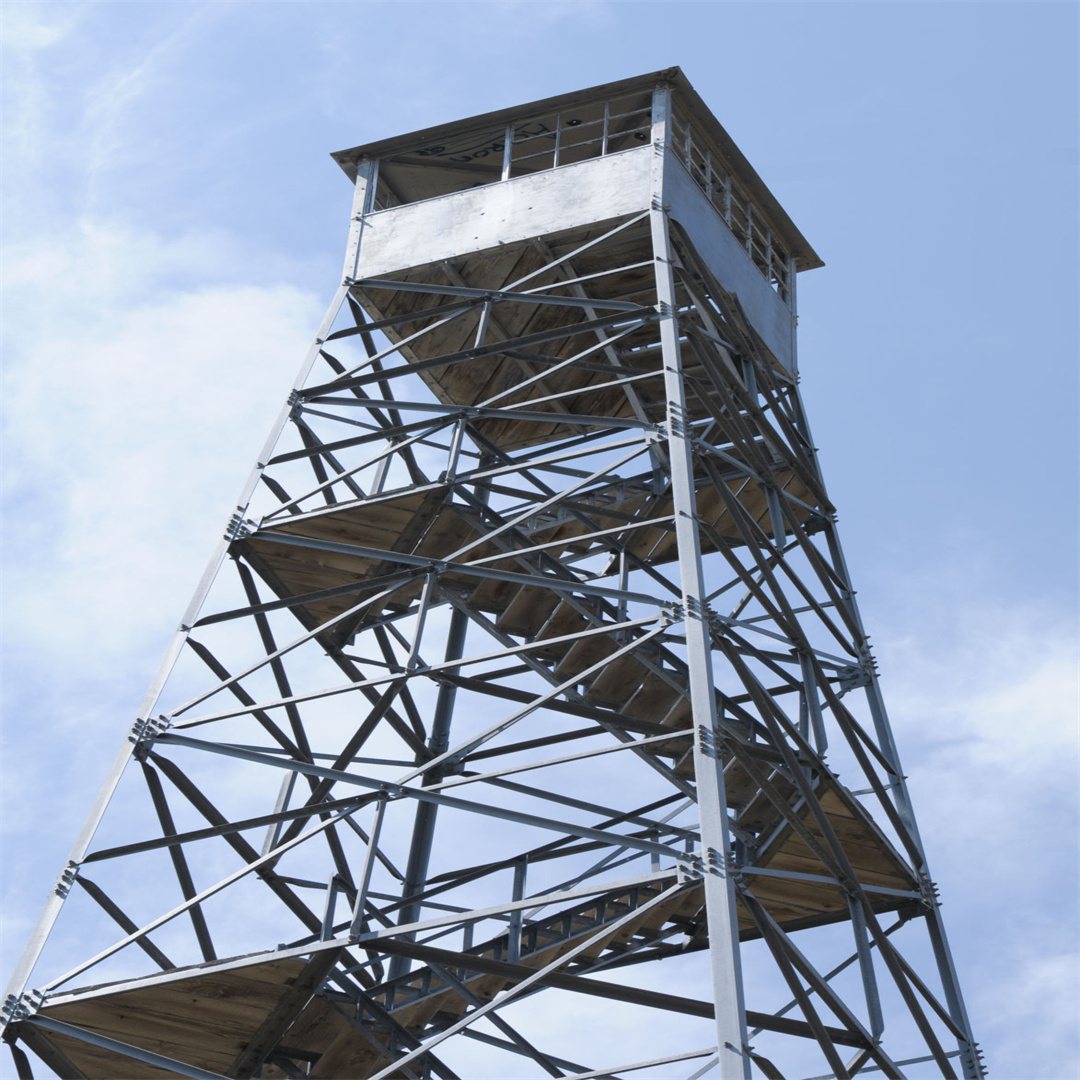
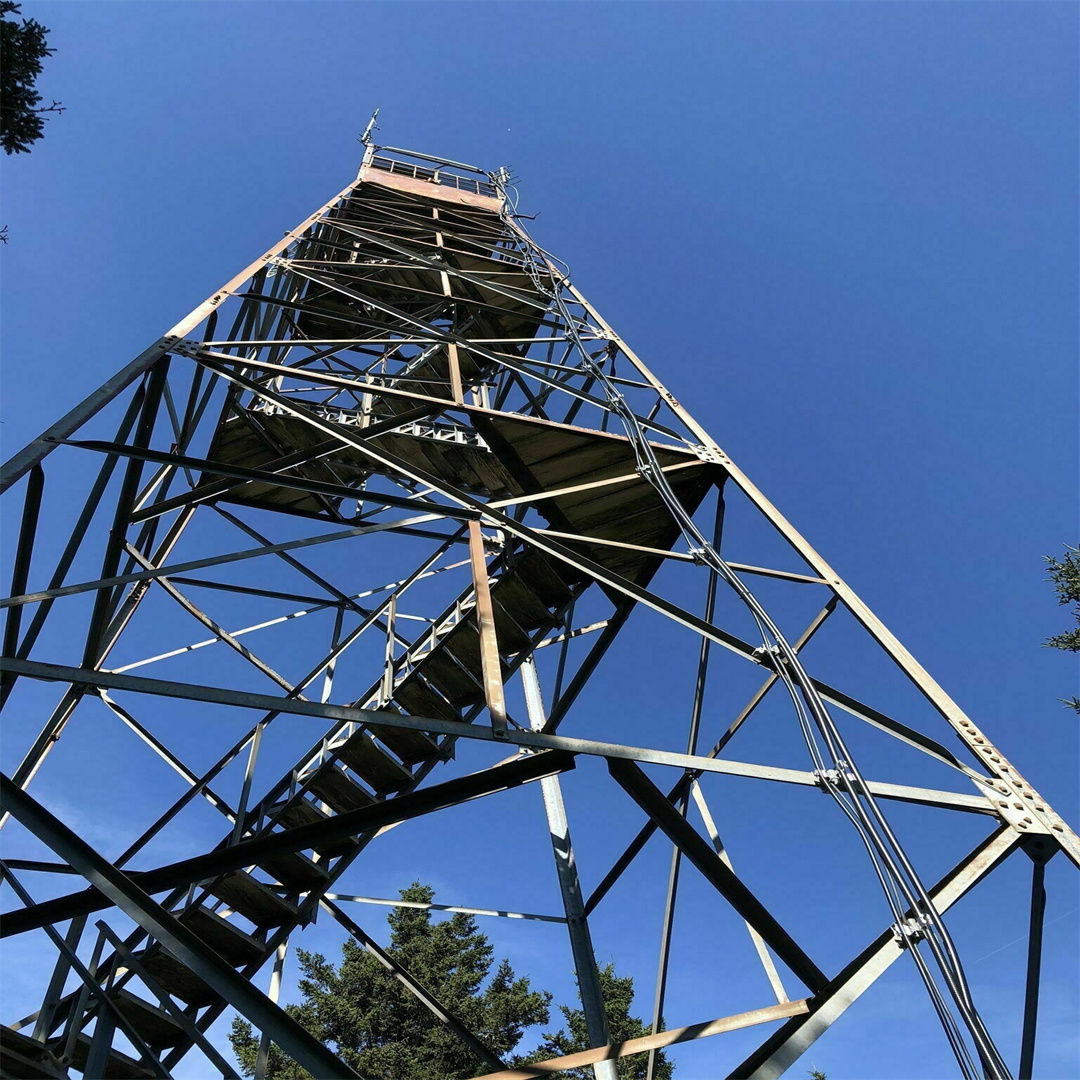
Targeted Antenna Support: Features dedicated mounting platforms and brackets for microwave dishes (typically 0.6–3.7m in diameter), positioned to minimize signal interference and maximize line-of-sight connectivity.
Height Optimization: Ranges from 20m to 80m, with heights carefully calibrated to avoid obstructions (e.g., hills, buildings) between paired towers—ensuring unobstructed microwave signal paths.
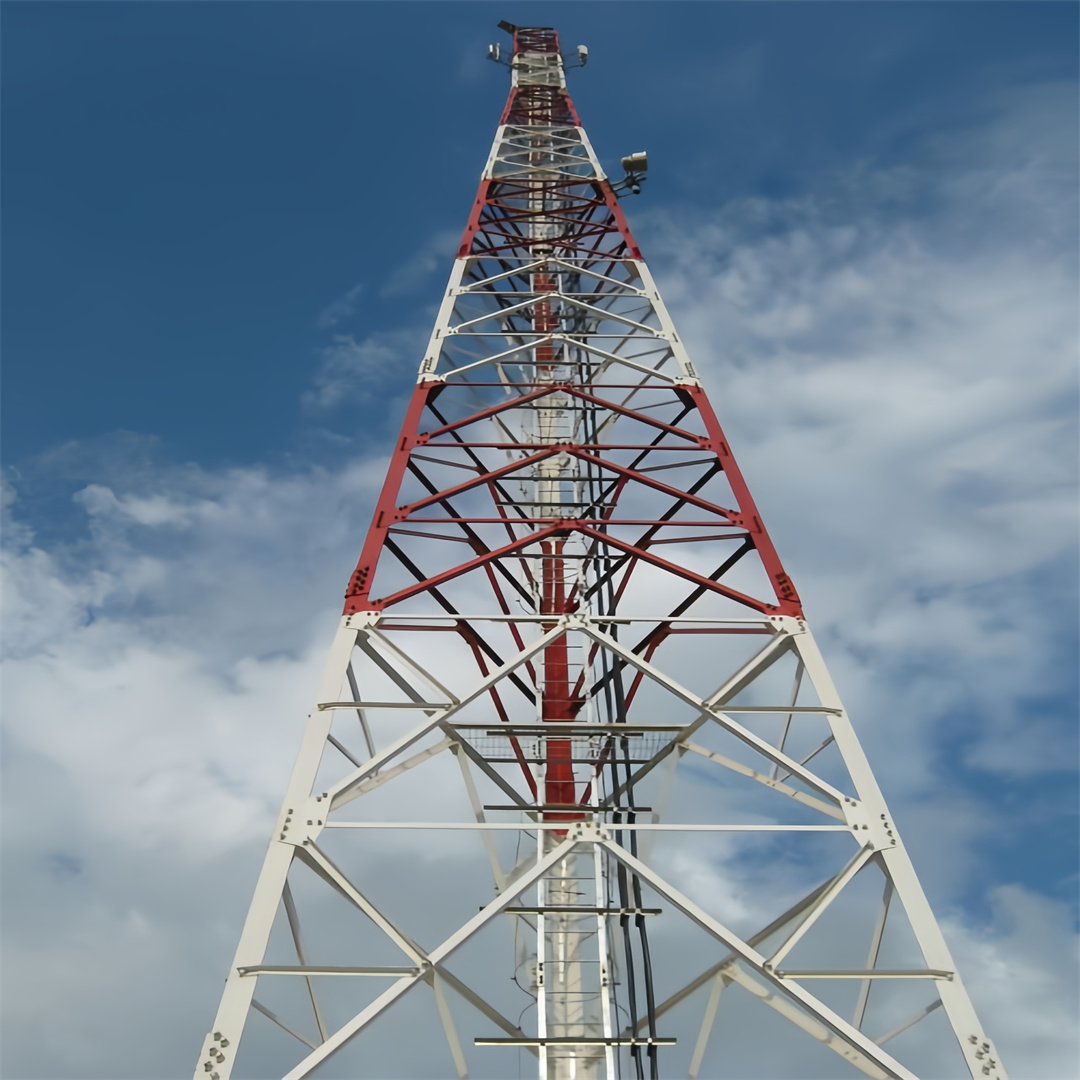
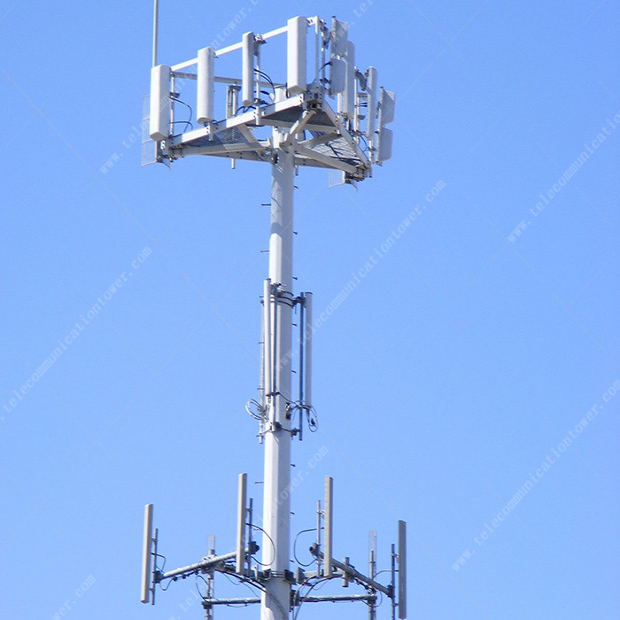
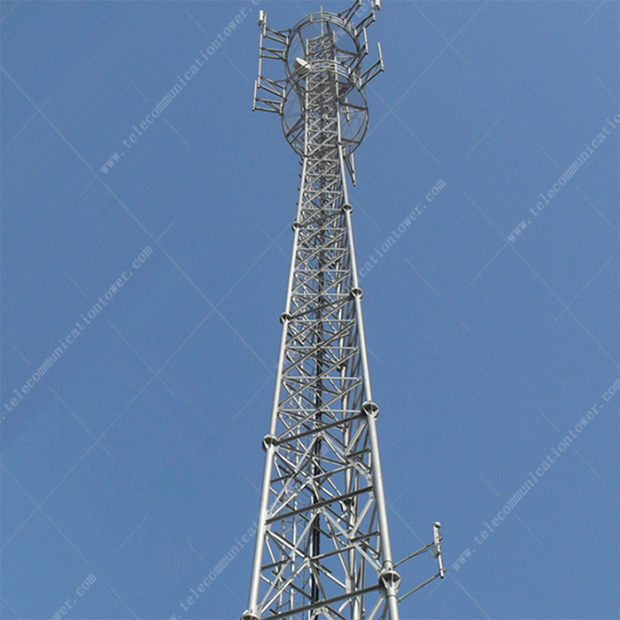
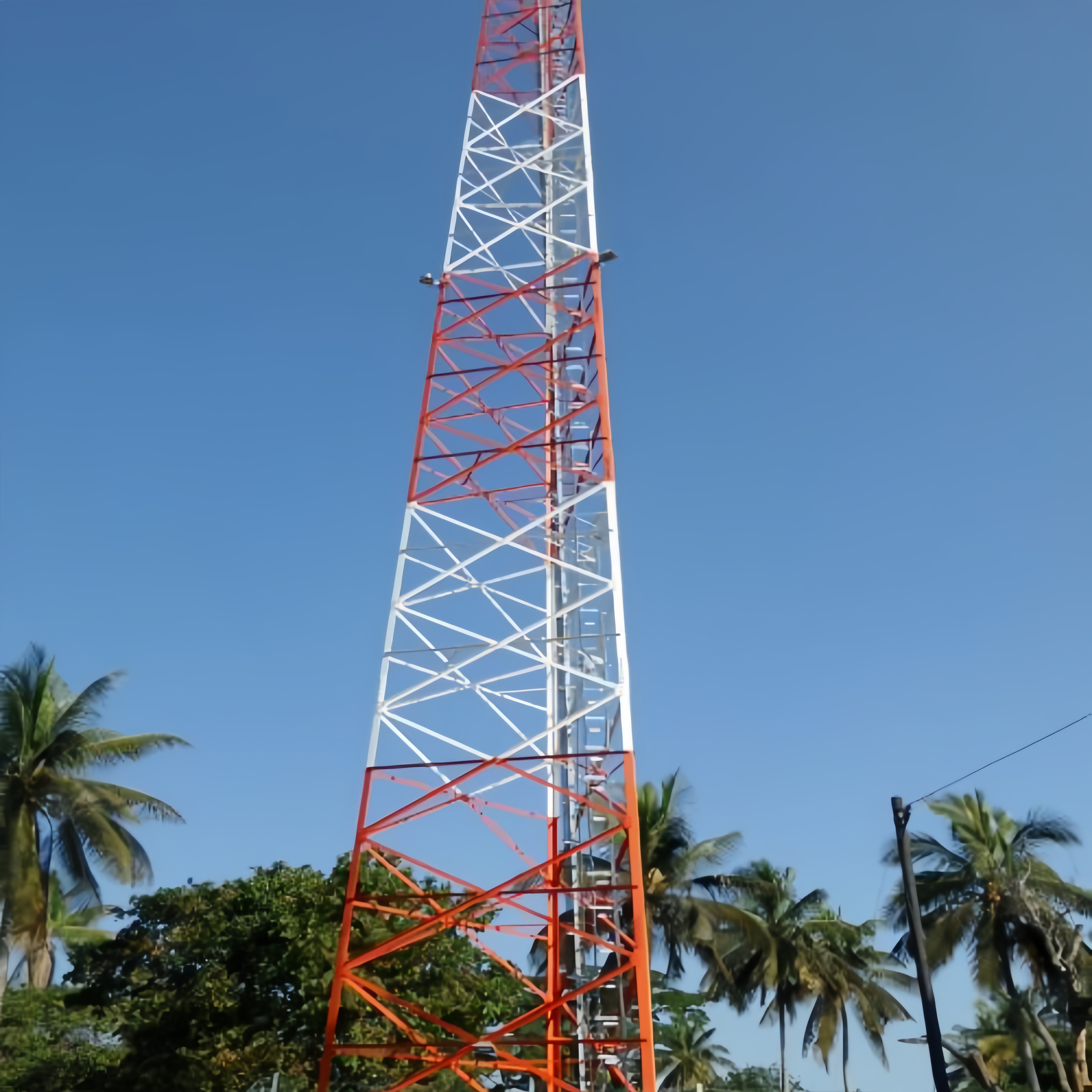
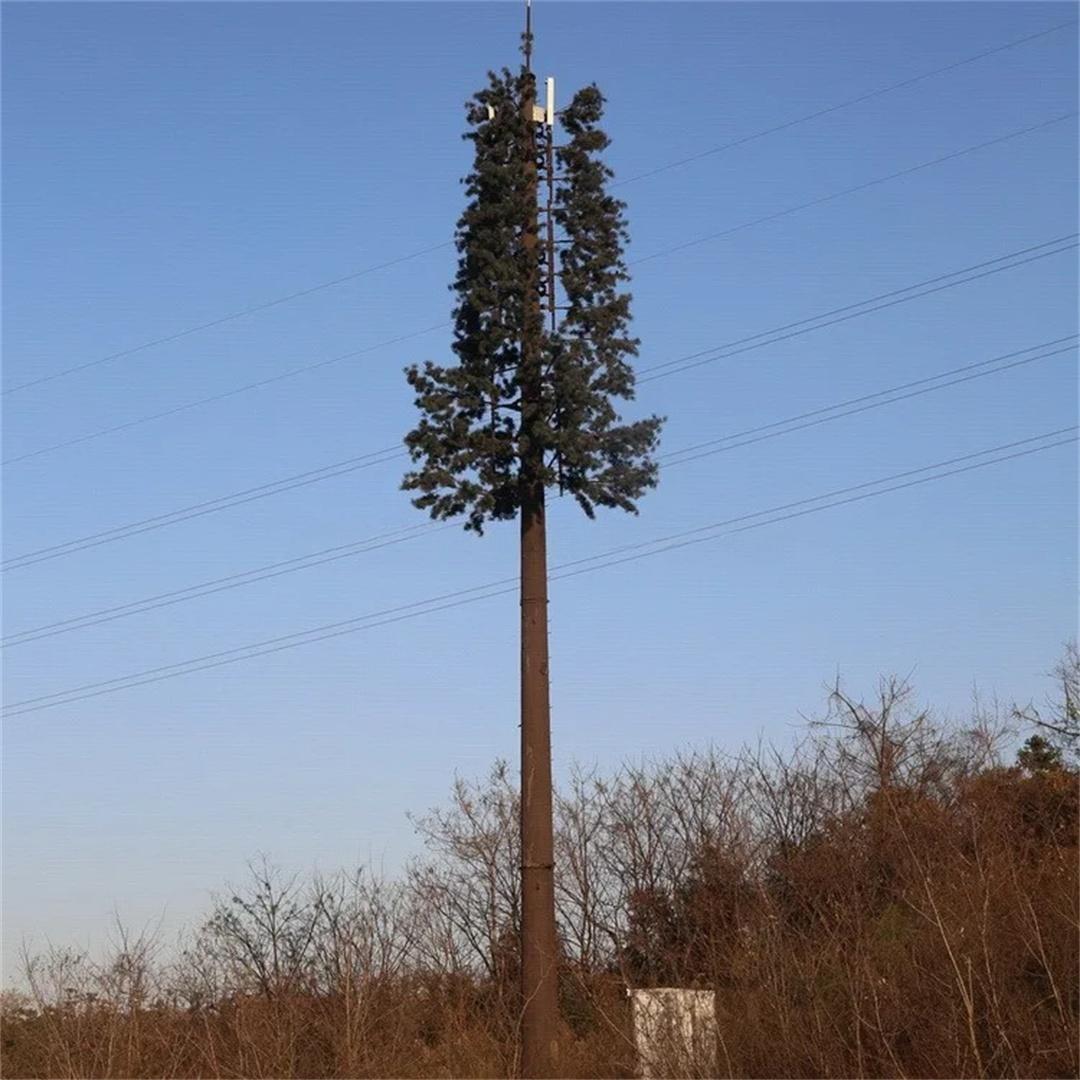
Stable Frame Design: Adopts either 3-legged/4-legged lattice structures or reinforced monopole designs, with enhanced rigidity to reduce tower sway (critical for maintaining antenna alignment, as even 1° deviation can disrupt signals).
Integrated Accessories: Includes lightning protection systems (compliant with IEC 62305), cable management trays, and maintenance catwalks—all tailored to the unique needs of microwave equipment.
Primary Structure: High-strength structural steel (Q345B/ASTM A36) for lattice frames or rolled steel plates (ASTM A500) for monopole variants, ensuring durability under heavy antenna loads.
Corrosion Resistance: Hot-dip galvanization per ASTM A123 standards (zinc layer thickness ≥85μm) to withstand outdoor elements, including salt mist in coastal areas and humidity in tropical regions.
Fasteners & Joints: High-tensile bolts (ISO 898 Grade 8.8) and precision-welded connections (AWS D1.1 compliant) to maintain structural integrity and minimize vibration-induced wear.
Design Compliance: Engineered to meet TIA-222-G (telecom tower standards) and ITU-R recommendations for microwave link performance, ensuring compatibility with global communication protocols.
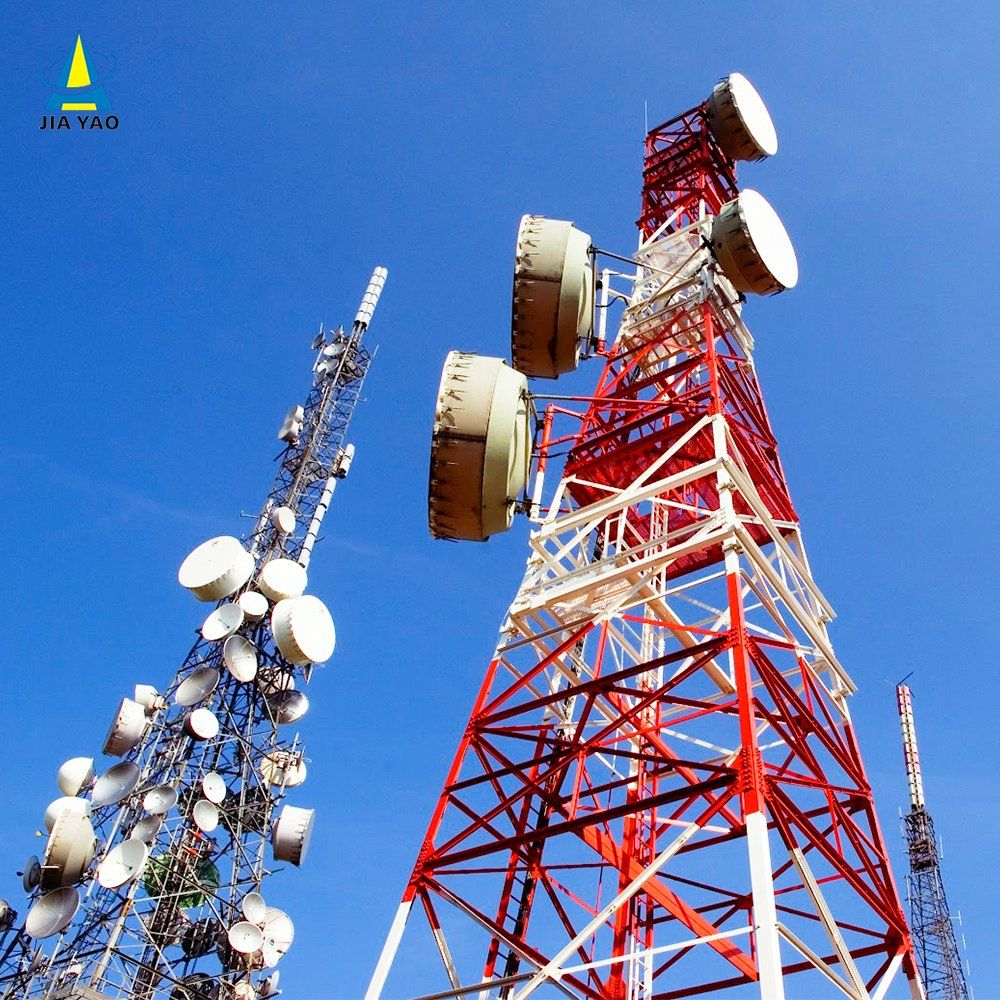
Long-Distance Backhaul: Connects cellular base stations in rural/remote areas to core networks, enabling 4G/5G coverage where fiber is unavailable (typical transmission range: 20–50km per link).
Enterprise & Industrial Connectivity: Facilitates data transfer between corporate campuses, manufacturing plants, or oil/gas facilities—offering low-latency (≤5ms) performance for critical operations.
Disaster Recovery: Serves as a temporary communication backbone after natural disasters (e.g., earthquakes, floods) when fiber networks are damaged, supporting emergency response teams.
Cross-Border/Maritime Communication: Links coastal regions, islands, or border areas, providing reliable connectivity across geographic barriers (e.g., rivers, mountain ranges) that hinder cable installation.
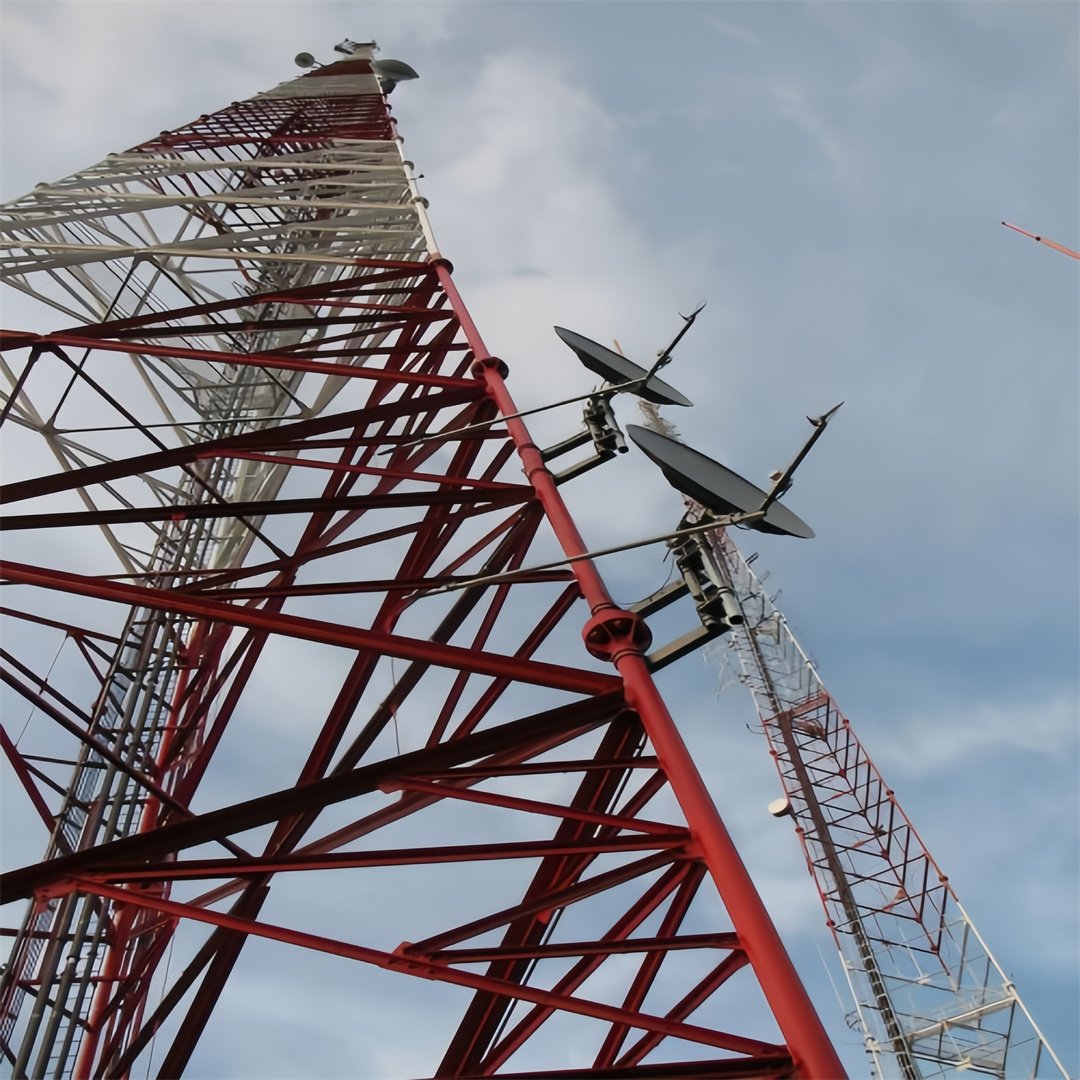
60m High Golden Supplier Galvanized Angle Steel 3 Legs Tubular Self Supporting Telecom Tower
Fiber-Alternative Efficiency: Eliminates the high cost of digging trenches or laying undersea cables, reducing deployment costs by 40–60% compared to fiber in remote areas.
Rapid Deployment: Modular components allow on-site assembly in 7–10 days (for lattice designs) or 1–2 days (for prefabricated monopoles), faster than fiber infrastructure.
Weather Resilience: Microwave signals are less affected by rain/snow than satellite links, and the tower’s robust design withstands wind speeds up to 250km/h and seismic activity up to Grade 7.
Scalability: Easily upgradeable to support higher bandwidth (from 100Mbps to 10Gbps) by replacing antenna modules, adapting to evolving data demands without rebuilding the tower.
Quarterly Antenna Checks: Verify alignment (using laser alignment tools) and clean dish surfaces to remove dust/debris that could attenuate signals.
Semi-Annual Structural Inspections: Check for corrosion, loose bolts, or frame deformation—pay special attention to antenna mounting points under constant load.
Annual Lightning Protection Testing: Ensure surge protectors and grounding systems are functional to prevent equipment damage from electrical storms.
5-Year Performance Calibration: Conduct signal strength and latency tests to optimize microwave link efficiency, updating antenna positioning if needed.