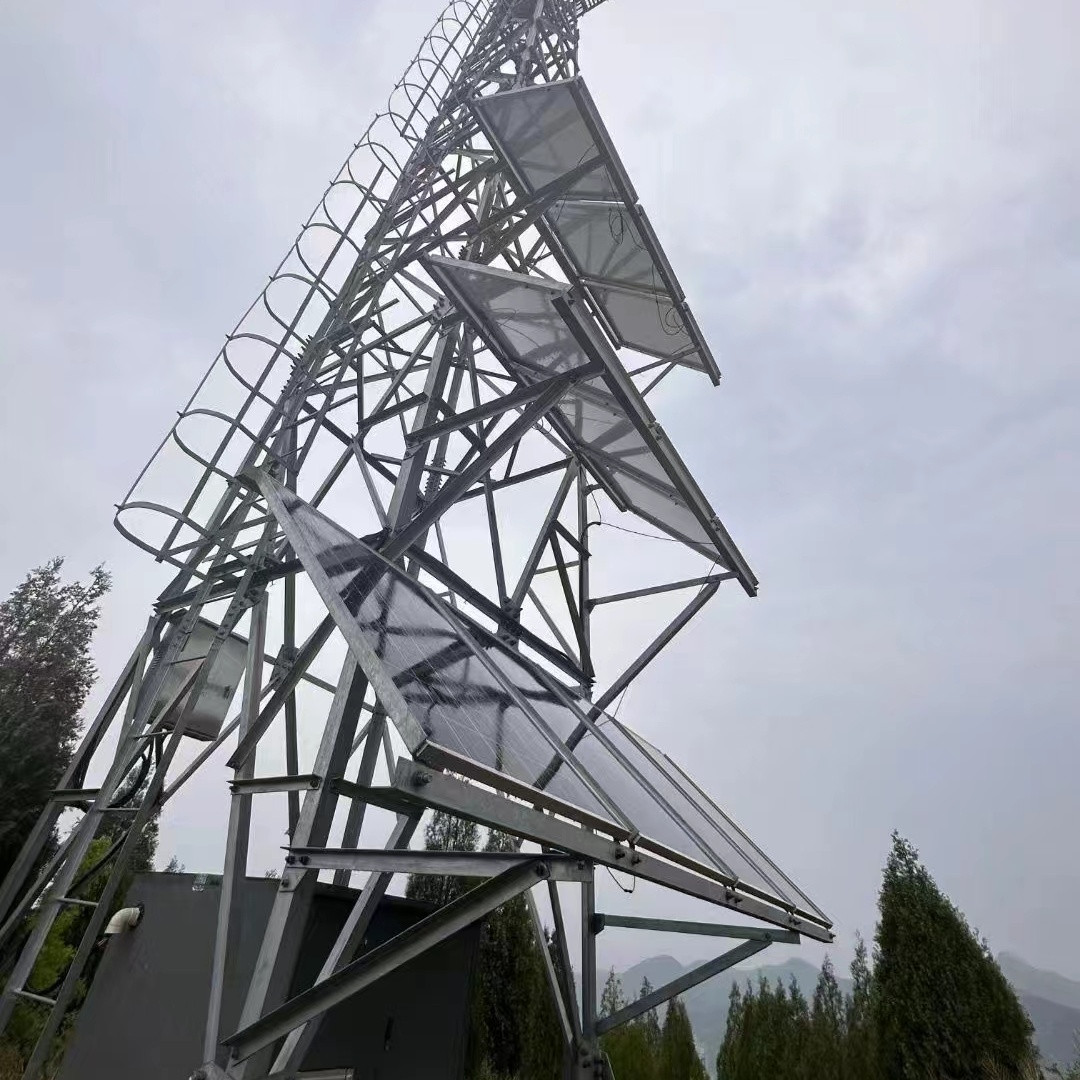
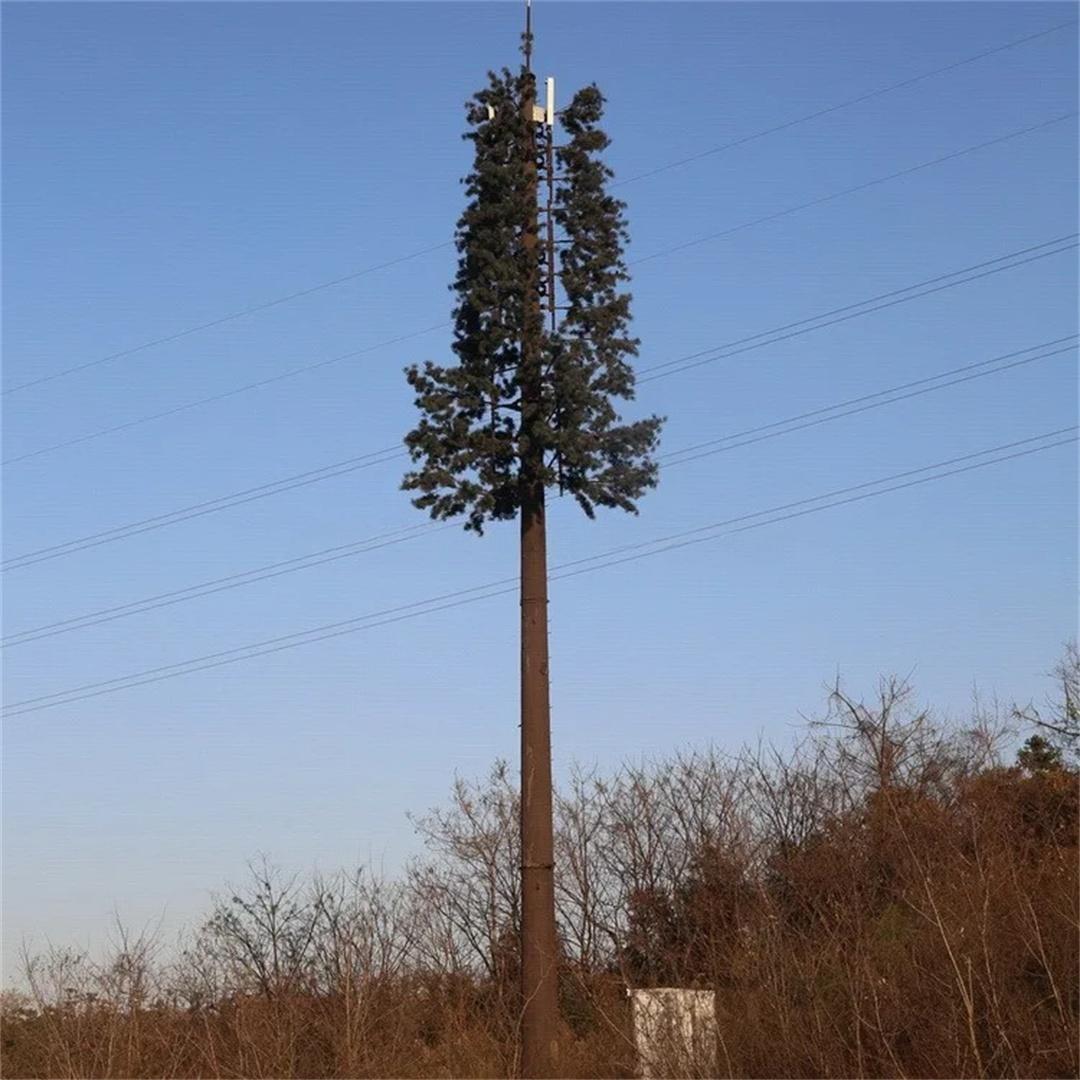
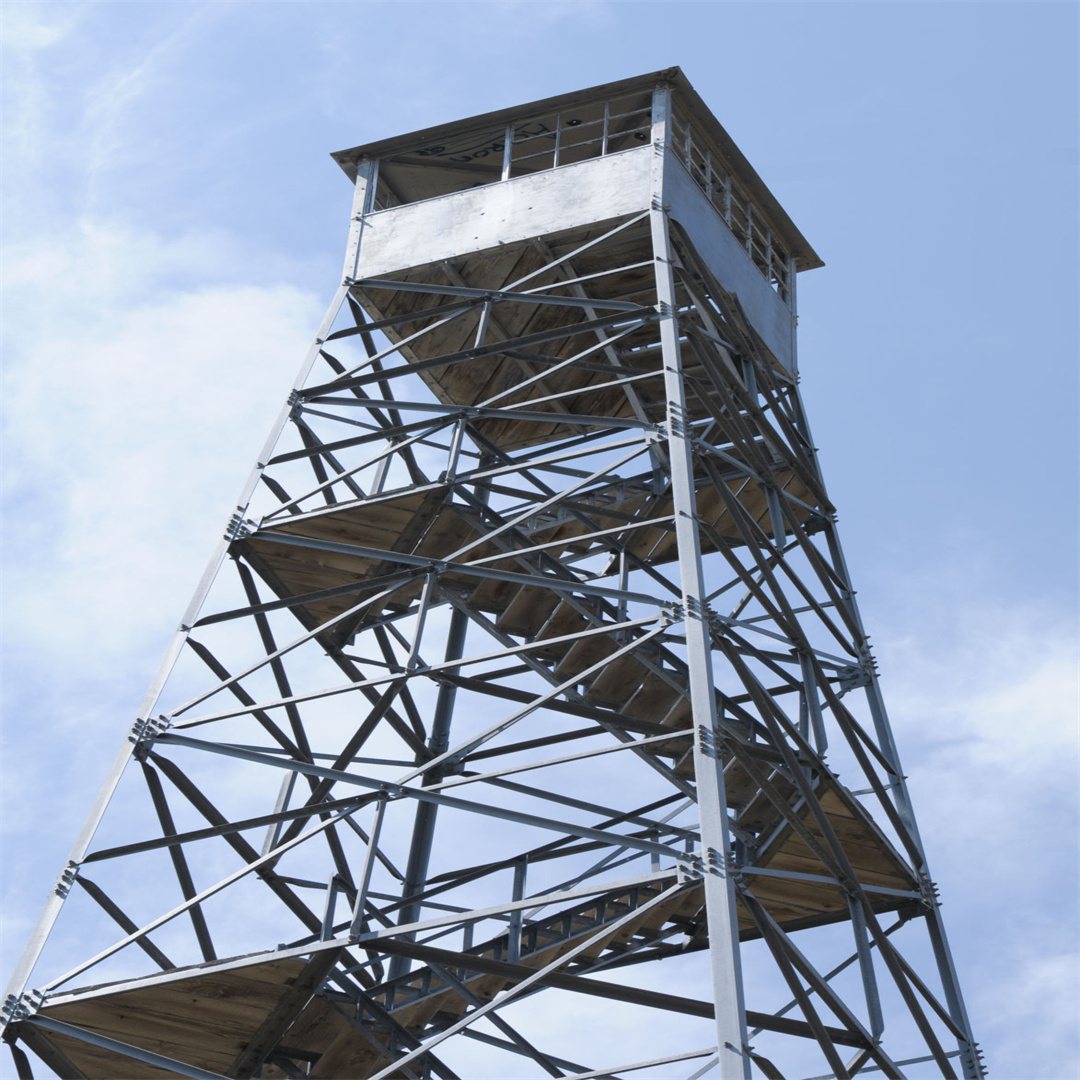
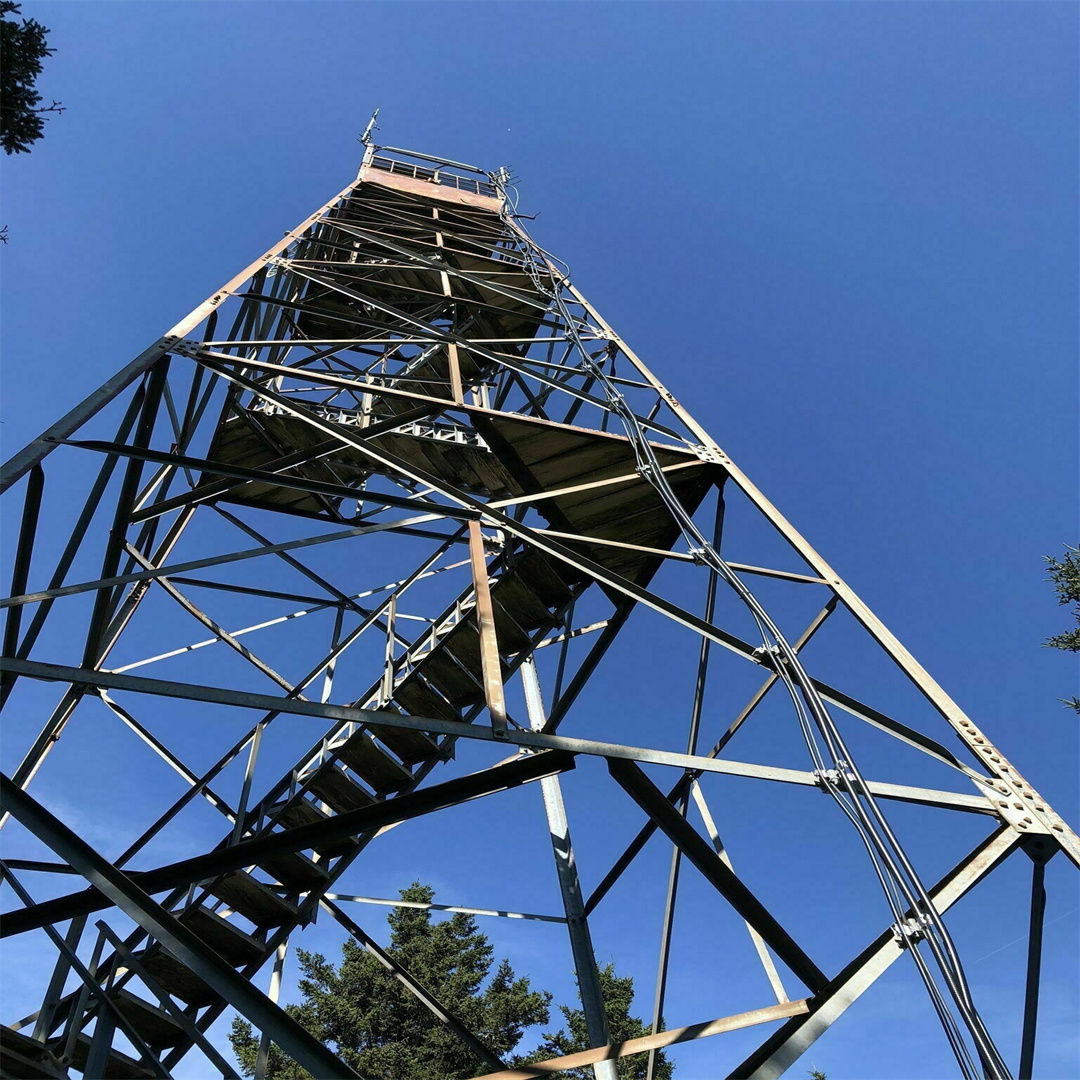
Integrated Solar Panel Mounting: Solar panels are installed on the tower’s top platform, side brackets, or specially designed cantilevers—optimized for sun exposure (adjustable angle for different latitudes) without obstructing antenna signals.
Energy Storage & Management System: Equipped with lithium-ion or lead-acid batteries (capacity 20kWh–100kWh) and an MPPT (Maximum Power Point Tracking) controller to store excess solar energy and ensure 24/7 power supply (even on cloudy days).
Dual-Power Backup Design: Supports seamless switching between solar power, grid electricity, and diesel generators (optional) to avoid communication interruptions due to extreme weather or prolonged low sunlight.
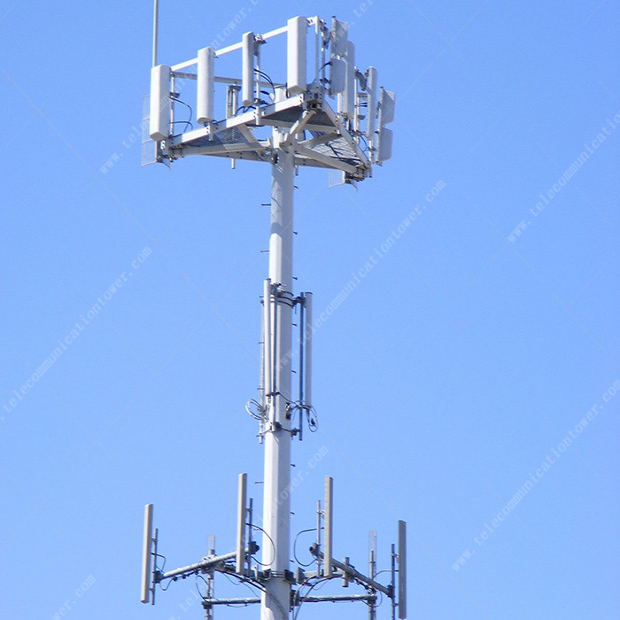
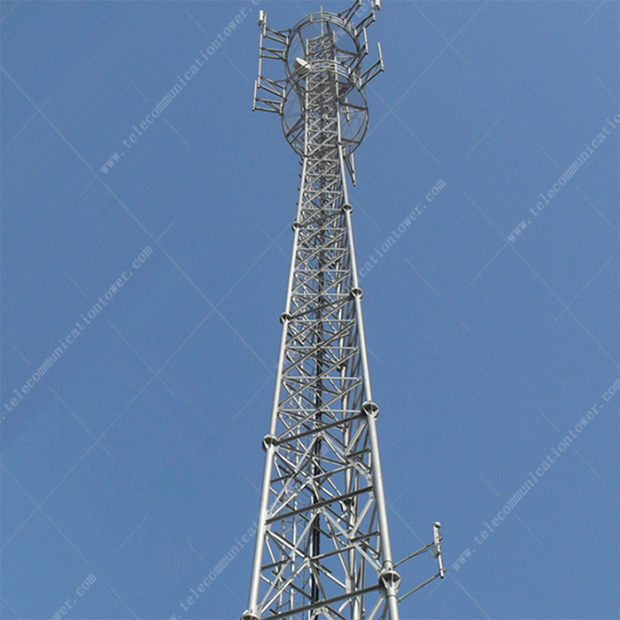
Lightweight & Load-Optimized Structure: The tower frame (typically 3-legged lattice or monopole design) is engineered to bear the additional weight of solar panels (15–50kg per panel) while maintaining wind resistance (up to 200km/h) and stability.
Intelligent Monitoring: Integrated with remote monitoring systems to track solar energy generation, battery status, and tower structural health—enabling real-time troubleshooting and maintenance reminders.
Tower Structure: High-strength structural steel (Q345B/ASTM A36) for lattice frames or rolled steel plates (ASTM A500) for monopoles, with hot-dip galvanization (ASTM A123) for corrosion resistance.
Solar Components: High-efficiency monocrystalline/polycrystalline solar panels (IP67-rated for waterproof/dustproof) and industrial-grade batteries (cycle life ≥2000 times) to withstand outdoor harsh conditions.
Fasteners & Connections: Stainless steel bolts (ISO 898 Grade 8.8) and anti-loosening connectors to secure solar panels and brackets, preventing vibration-induced damage.
Compliance: Meets TIA-222-G (telecom tower safety), IEC 61215 (solar panel performance), and IEC 62133 (battery safety) standards, ensuring global applicability and reliability.
Off-Grid Remote Areas: Provides 4G/5G coverage in rural villages, mountainous regions, or desert areas where grid electricity is unavailable—eliminating the need for long-distance power lines.
Ecologically Sensitive Zones: Powers communication and environmental monitoring equipment in nature reserves, wetlands, or national parks—reducing carbon emissions and minimizing ecological impact.
Disaster-Prone Regions: Serves as a self-sustaining communication hub during grid outages caused by earthquakes, floods, or hurricanes—supporting emergency response teams.
Rural Telecom Expansion: Helps telecom operators reduce operational costs (saves 30–60% on electricity bills annually) when expanding coverage to low-population-density areas.
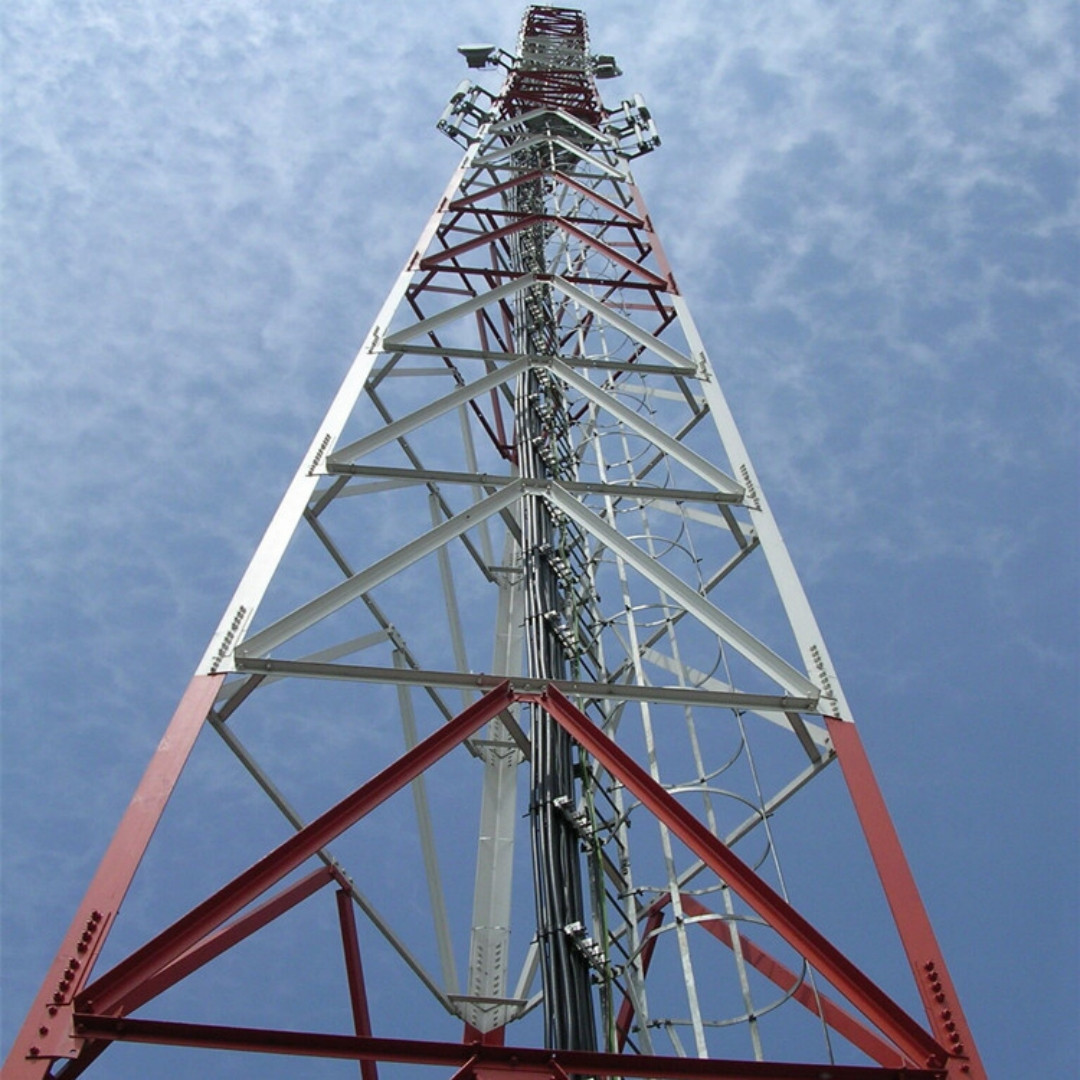
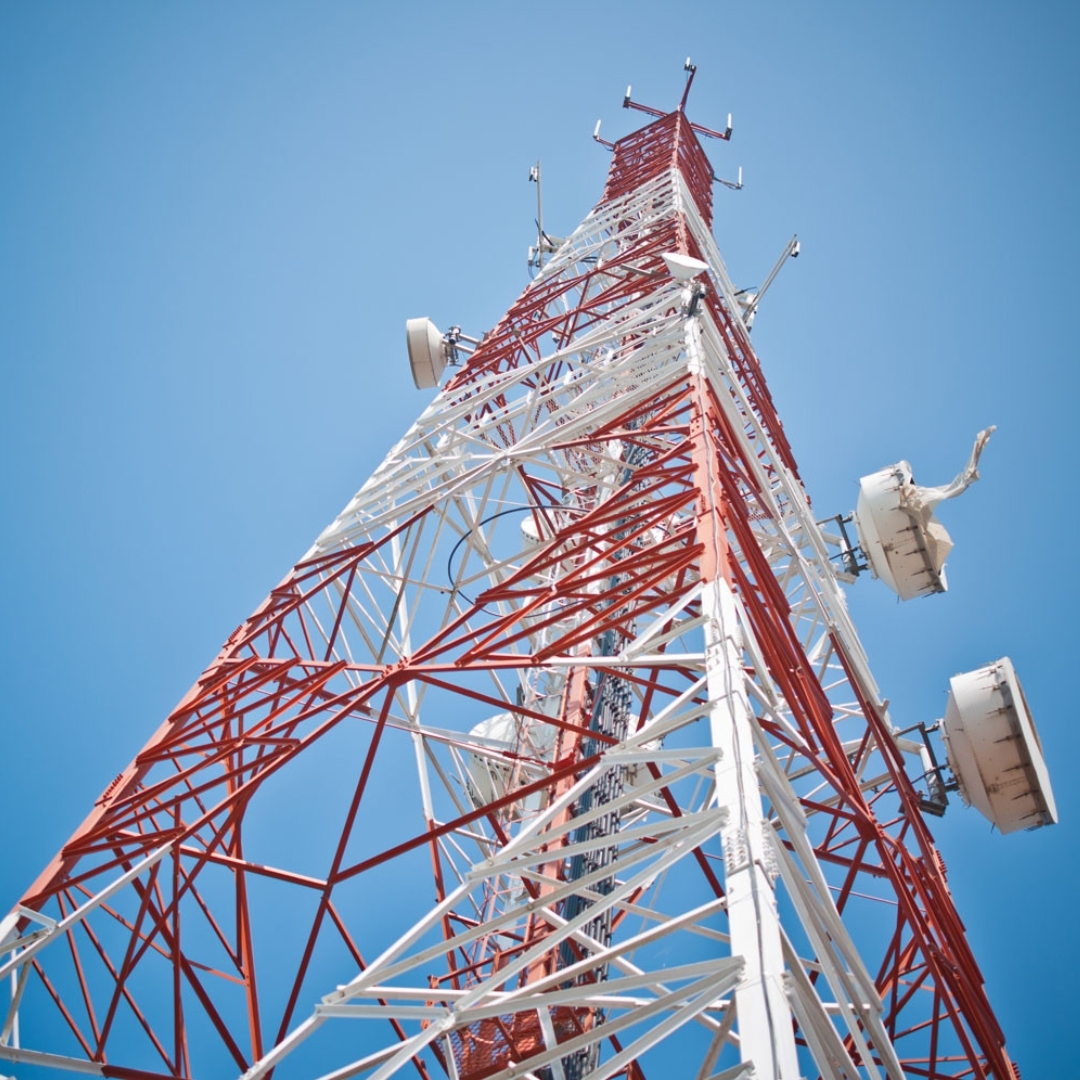
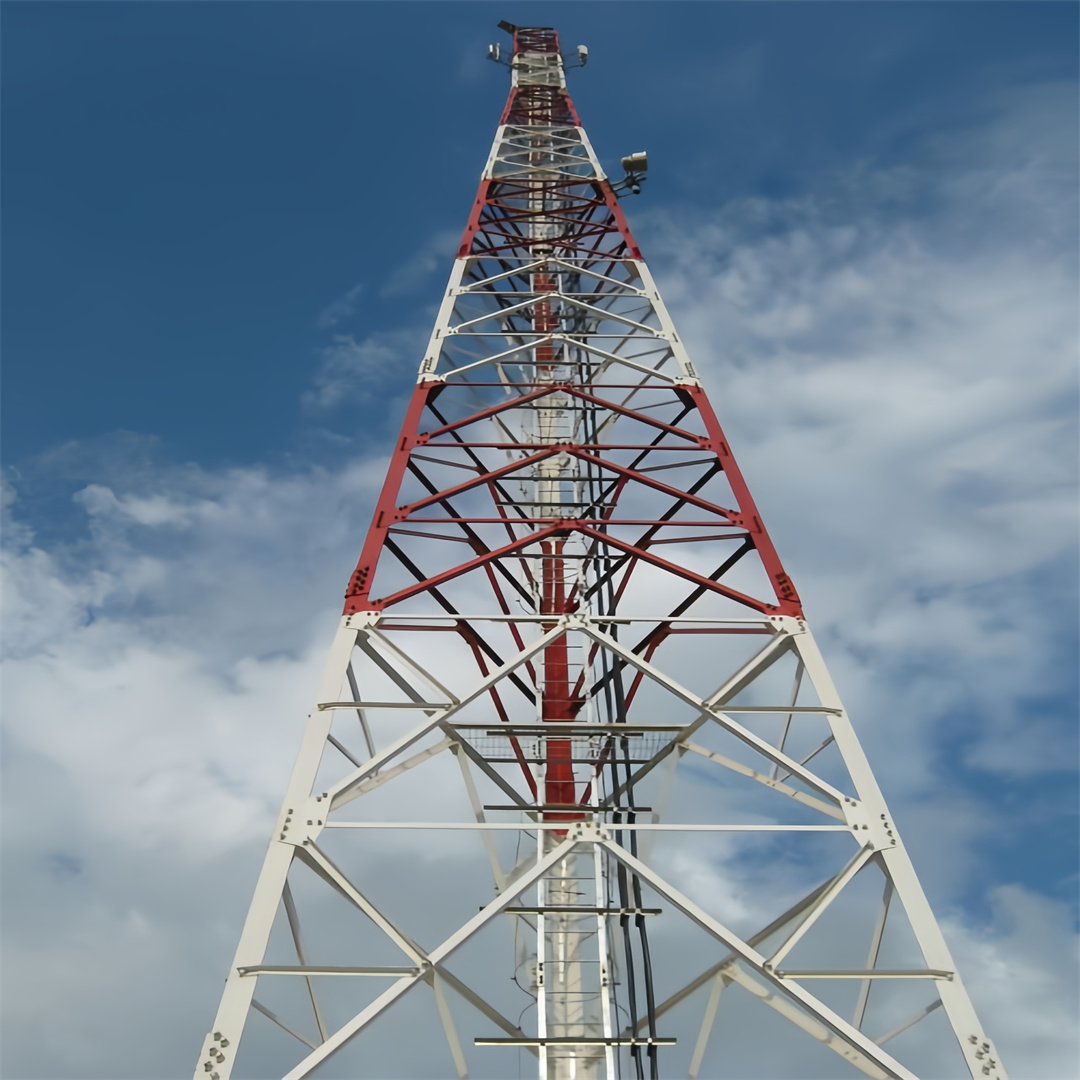
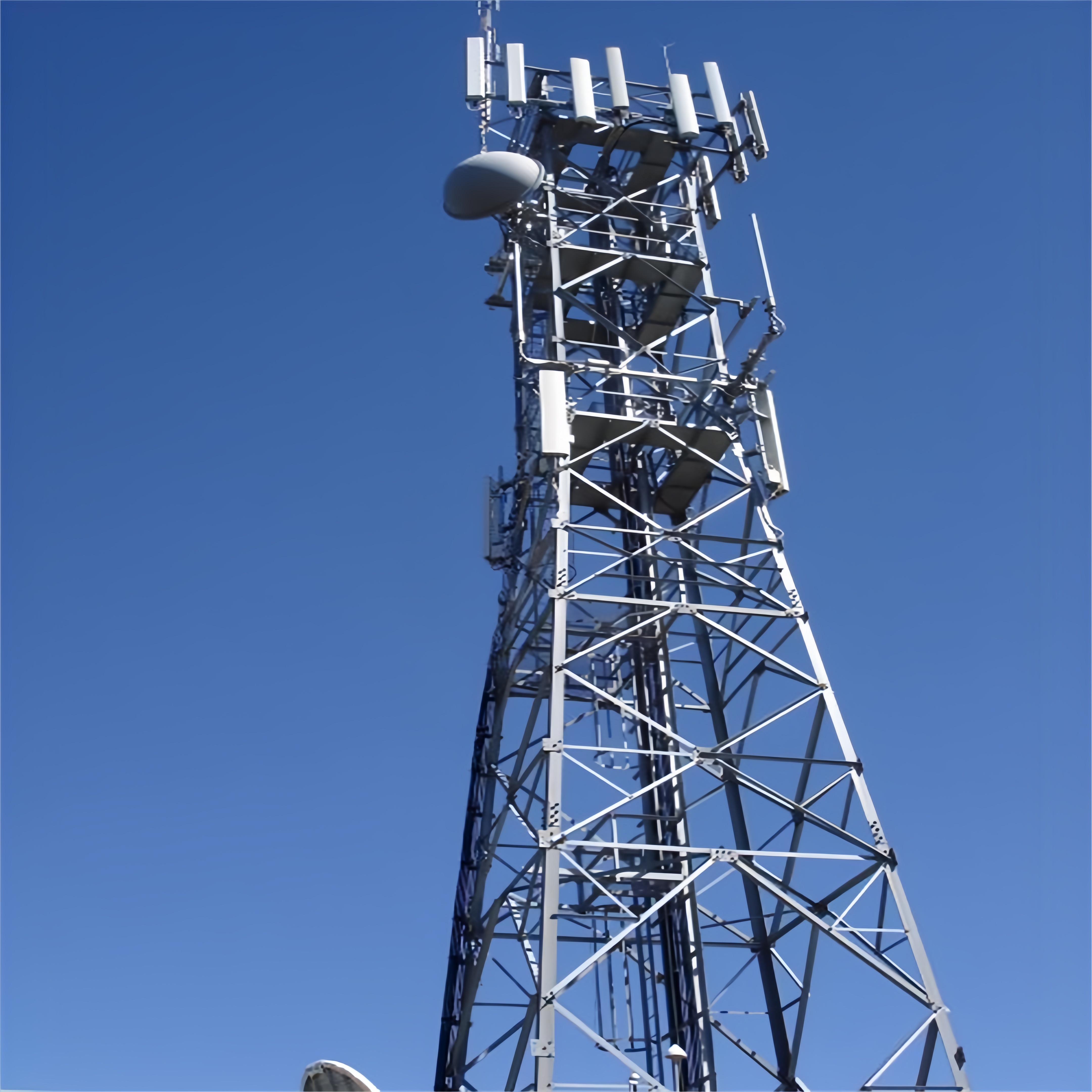
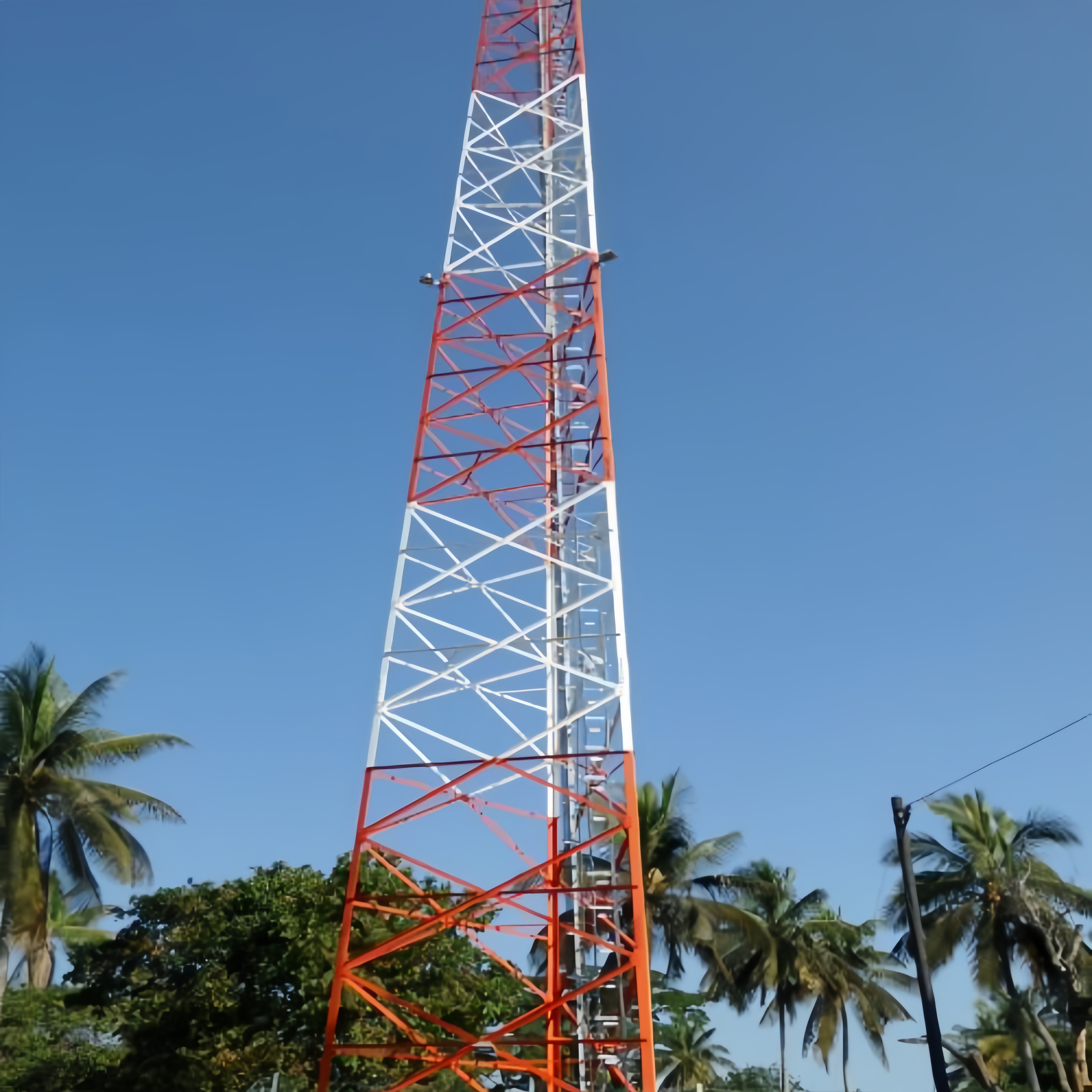
3 Legged Angular Triangular Lattice Design For Wind Monitoring And Solar Projects
Green & Cost-Effective: Reduces reliance on fossil fuels (diesel generators) and grid electricity, cutting long-term energy costs and lowering carbon footprints.
Self-Sustaining Operation: Generates and stores its own energy, ensuring uninterrupted communication even in extreme off-grid scenarios.
Low Maintenance: Solar panels and batteries require minimal upkeep (annual cleaning and inspection), with a service life of 25+ years for panels and 5–8 years for batteries.
Scalable Energy Capacity: Additional solar panels or batteries can be added to meet growing power demands (e.g., upgrading to 5G equipment), without rebuilding the tower.
Fast Deployment: Modular design allows simultaneous installation of the tower and solar system, shortening project timelines by 20–30% compared to separate deployments.
Quarterly Solar Panel Checks: Clean dust, leaves, or bird droppings from panels to maintain energy generation efficiency; inspect for cracks or water damage.
Semi-Annual Battery Inspections: Monitor battery voltage, temperature, and capacity; replace faulty cells to avoid power supply failures.
Annual Structural Inspections: Check the tower frame, solar brackets, and fasteners for corrosion or loosening; verify wind load resistance.
Remote System Monitoring: Regularly review data from the intelligent management system to detect abnormalities (e.g., low energy generation, battery degradation) and address issues promptly.