Three-legged
lattice towers are one of the most versatile, cost-effective
self-supporting infrastructure solutions in JiaYao’s core product
portfolio, widely used in global telecom, power distribution, and remote
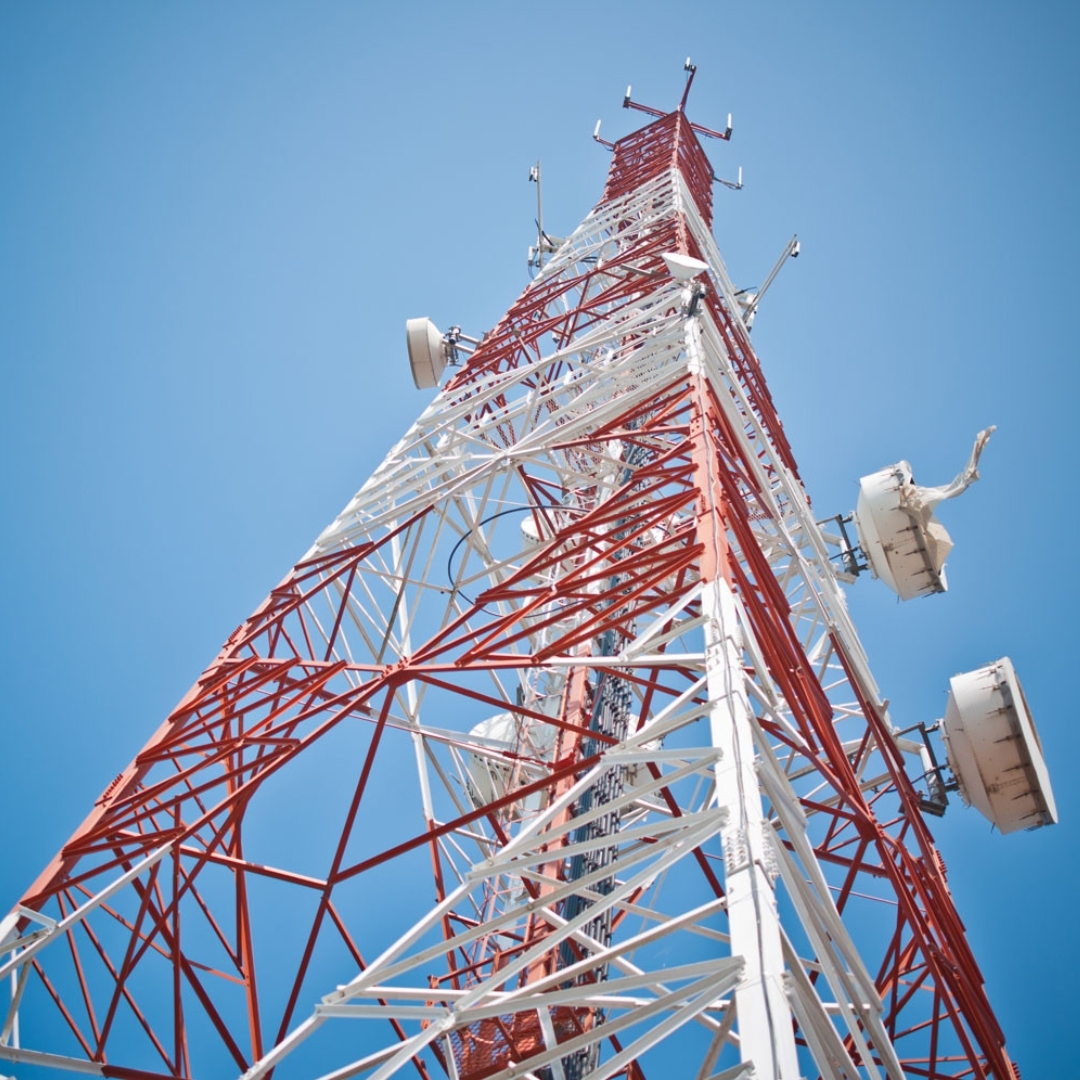
monitoring projects. Defined by their triangular cross-section lattice
frame, these towers deliver exceptional stability with minimal material
usage, making them a preferred alternative to four-legged lattice towers
for small-to-medium scale projects. Within this category, there are two
primary sub-types: three-legged angular steel towers and three-legged
tubular steel towers. While both share the core benefits of triangular
lattice design, each variant is engineered for specific project needs,
with distinct differences in aerodynamic performance, cost efficiency,
load capacity, and regional market suitability. This guide breaks down
the detailed specifications, use cases, and selection logic of these two
tower types, helping project teams choose the optimal solution for
their infrastructure needs.
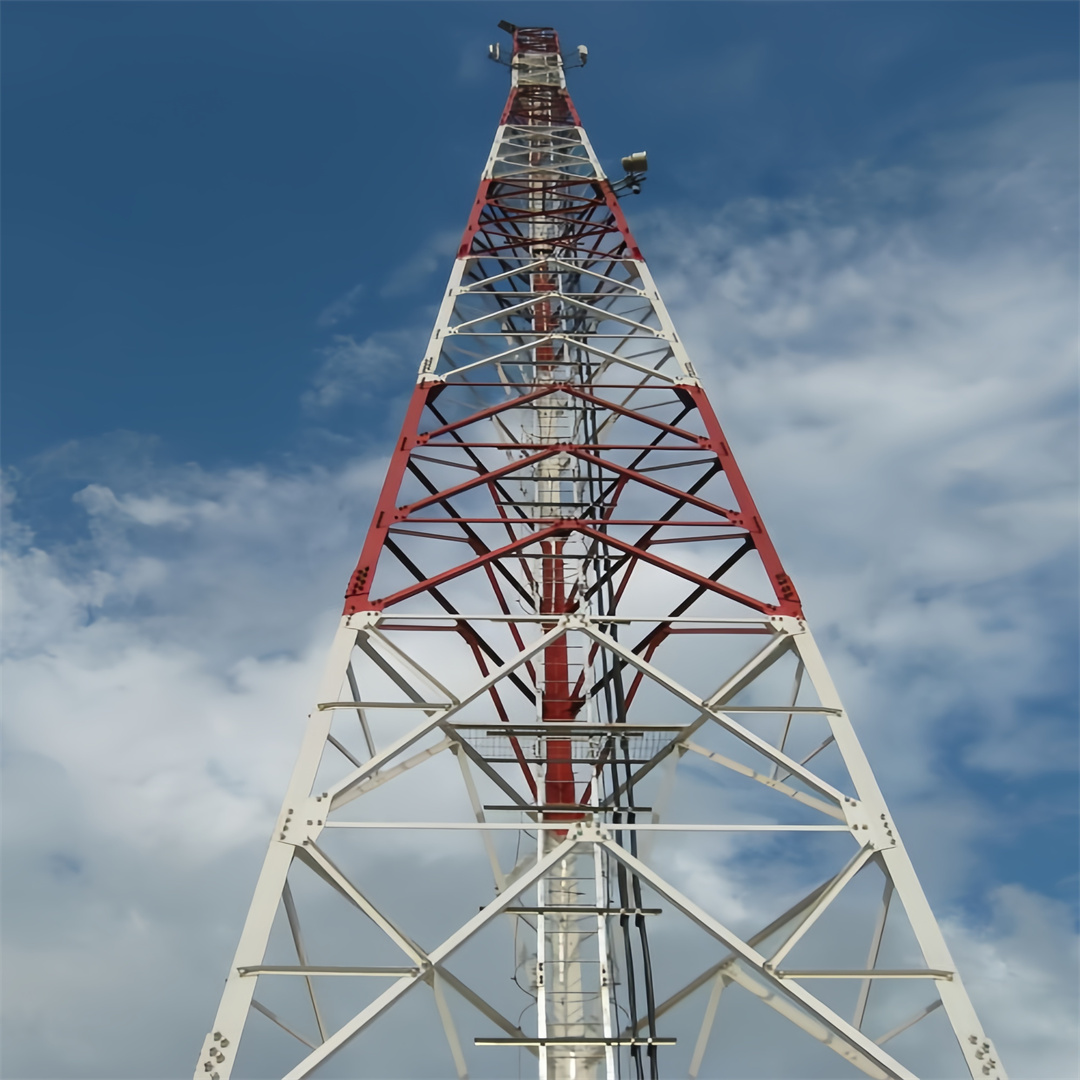
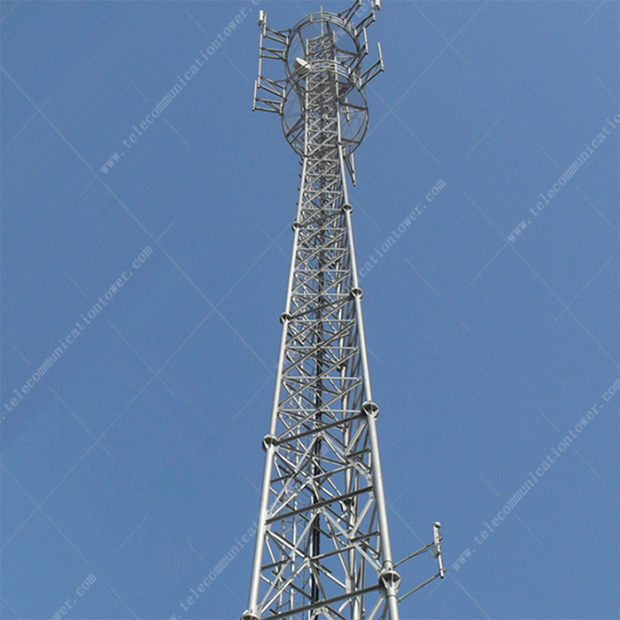
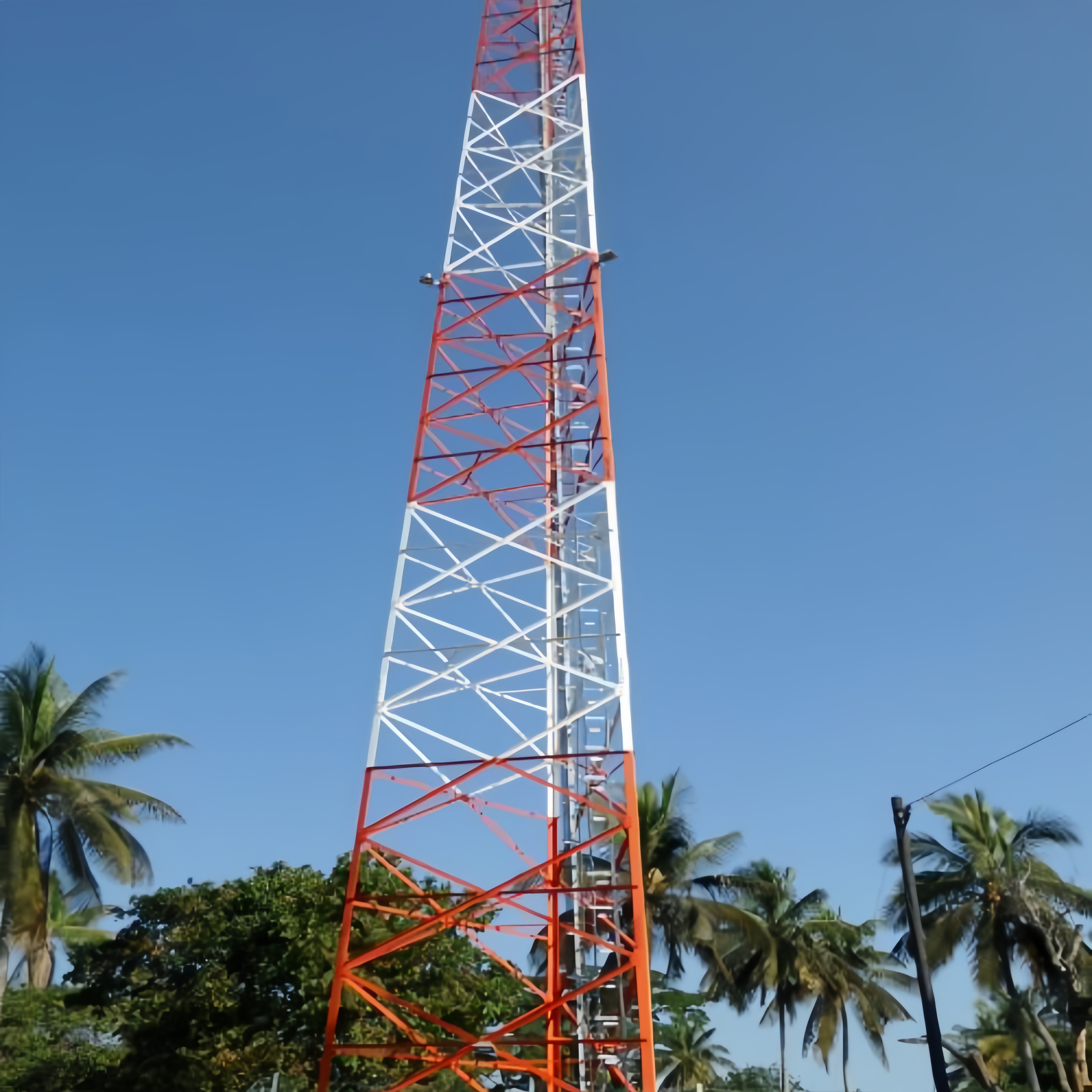
The three-legged angular steel tower is an equilateral triangular lattice
structure built from L-shaped angle steel, with three vertical main legs
connected by horizontal and diagonal cross-braces to form a rigid,
self-supporting frame. As JiaYao’s most economical lattice tower
solution, it is designed for budget-focused projects with standard load
and height requirements. Its typical height ranges from 30m to 50m, with
a compact base footprint that adapts to narrow, uneven, or remote sites
with limited construction access. This variant is the industry standard
for rural telecom rollouts and low-voltage power distribution projects
in emerging markets.
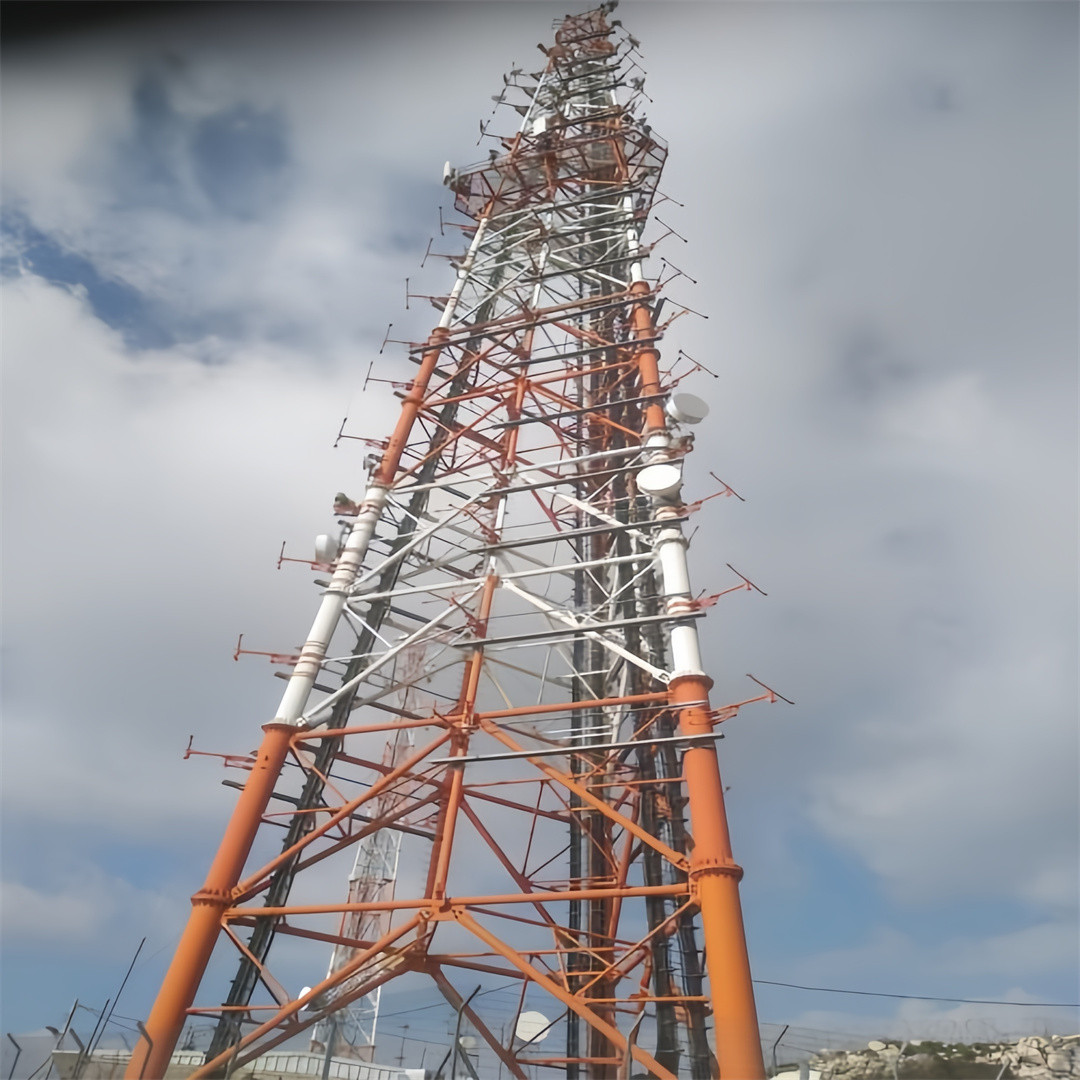
The
three-legged tubular steel tower features a triangular lattice frame
constructed from hollow circular steel tubes as its main vertical legs,
reinforced by tubular or angle steel cross-braces. This variant is
engineered for enhanced aerodynamic performance and stability in harsh
environments, with a typical height range of 30m to 60m. It is the most
popular lattice tower solution in South American markets, valued for its
small base footprint, low wind resistance, and sleek appearance. Unlike
angular steel variants, its tubular main legs reduce wind drag by up to
30%, making it ideal for coastal, high-wind, and typhoon-prone regions.
All
JiaYao three-legged lattice towers are built to strict global quality
standards, with full control over every stage of production from design
to fabrication:
Premium Raw Materials: All steel components are
sourced exclusively from top-tier Chinese steel mills including HBIS
Group, Baowu Steel Group, and Shougang Group. Angular steel variants use
Q235B/ASTM A36 structural steel, while tubular steel variants use
high-strength Q345B/ASTM A500 seamless steel tubes, ensuring consistent
load-bearing performance and structural integrity.
Corrosion Protection: All steel components undergo
full hot-dip galvanization in compliance with ASTM A123 and ISO 1461
standards, with a minimum zinc layer thickness of 85μm to resist
corrosion, salt spray, humidity, and outdoor aging, delivering a 30+
year service life.
Fabrication & Compliance: Prefabricated in
JiaYao’s in-house ISO 9001 certified manufacturing facility, all towers
use high-tensile stainless steel bolts (ISO 898 Grade 8.8) with
pre-punched holes, eliminating the need for on-site welding and ensuring
consistent structural integrity. Designs adhere to global standards
including TIA-222-G (telecom tower safety), GB 50017 (Chinese steel
structure code), ANSI/AISC 360 (American standard), and Eurocode 3
(European standard).
| Performance Metric | Three-Legged Angular Steel Tower | Three-Legged Tubular Steel Tower |
|---|
| Typical Height Range | 30m – 50m (max 60m for custom projects) | 30m – 60m (customizable up to 70m) |
| Max Antenna Load Capacity | 4 – 6 standard 5G antennas (max 1200kg total load) | 6 – 8 standard 5G antennas (max 1800kg total load) |
| Wind Resistance | Up to 200km/h (standard configuration) | Up to 250km/h (aerodynamic tubular design) |
| Wind Drag Reduction | Standard baseline | 30% lower wind drag than angular steel variants |
| Base Footprint | 2.5m – 4m per side (3 – 14㎡ total area) | 2m – 3.5m per side (2 – 10㎡ total area) |
| Steel Consumption | 3 – 6 tons (for 30m – 50m height) | 3.5 – 7 tons (for 30m – 50m height) |
| Installation Time | 3 – 5 days (full on-site assembly) | 4 – 6 days (full on-site assembly) |
| Core Cost Advantage | 25% lower material cost than tubular steel variants | Lower long-term maintenance cost in harsh environments |
| Key Regional Market | Africa, Southeast Asia, rural China | South America, coastal regions, high-wind areas |