Communication tower types and their applications form the backbone of modern connectivity. This comprehensive guide is tailored for telecom professionals, engineers, and business decision-makers looking to enhance their infrastructure. By understanding various communication tower types and their specific applications, you can address critical challenges such as network coverage deficits and capacity limitations. For example, how can you efficiently select the right tower type to optimize your signal strength in an urban environment? By diving into key concepts and data-driven insights, we’ll help you navigate towards solutions that improve service reliability and operational efficiency.
To tackle the complexities of communication towers, it's essential to familiarize yourself with common terminology. A communication tower is a structure built to support antennas for telecommunications and broadcasting. These structures are designed to maximize the coverage area; for instance, a typical cell tower can extend signal reach to a radius of 5 to 10 miles, depending on terrain and tower height.
RF Technology: Refers to radio frequency technology, which is integral to how these towers transmit signals.
Line of Sight: A concept used in telecommunications describing the unobstructed path between transmitting and receiving antennas.
Load Capacity: Each tower type has a specific load capacity, expressed in pounds, determining how many antennas it can support. For example, a lattice tower can typically handle a load of 1,000 to 4,000 pounds.
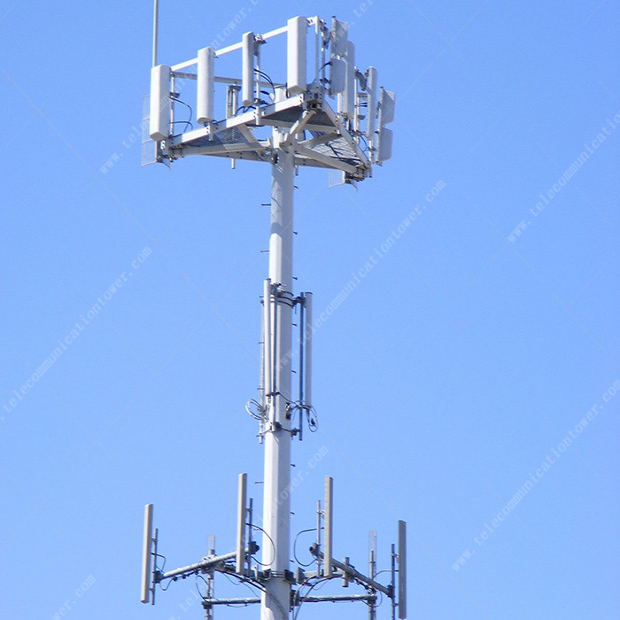
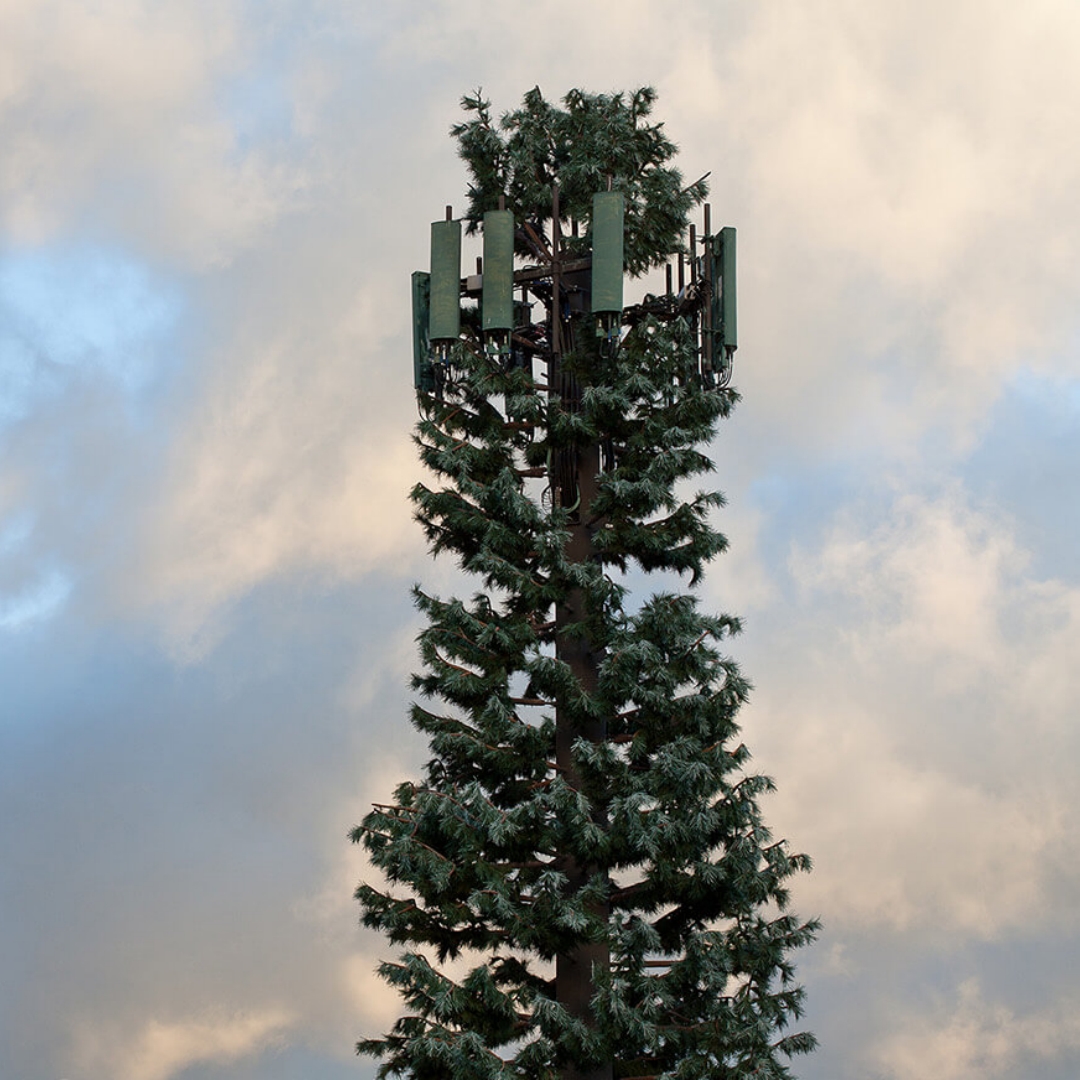
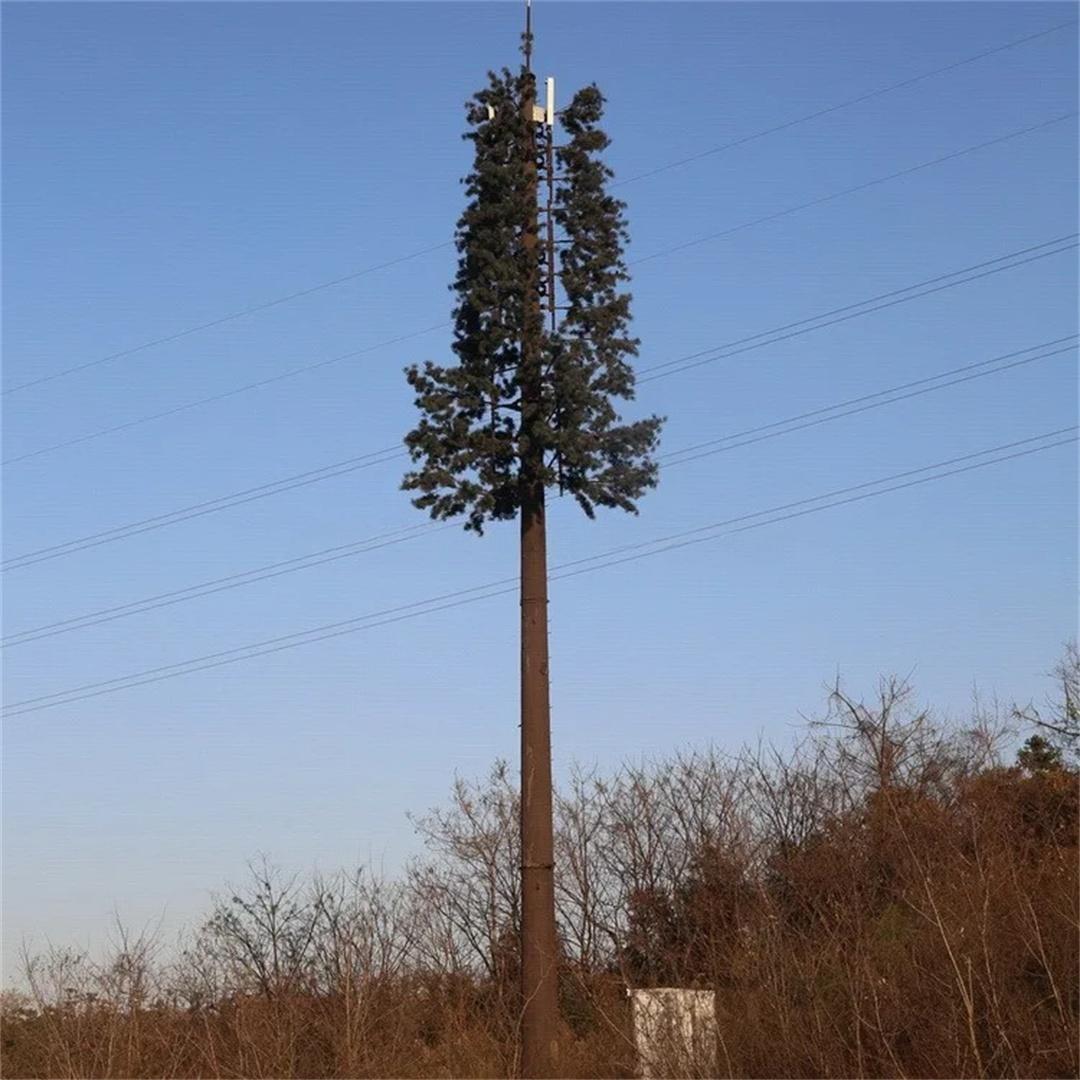
Monopole towers are single, cylindrical structures that typically reach heights between 50 and 200 feet. They are ideal for urban settings where aesthetic considerations are paramount. Their small footprint makes them suitable for sites with limited space. Notably, a successfully deployed monopole tower can achieve a signal propagation range equivalent to that of larger towers, providing good connectivity to about 2 to 4 miles in urban areas.
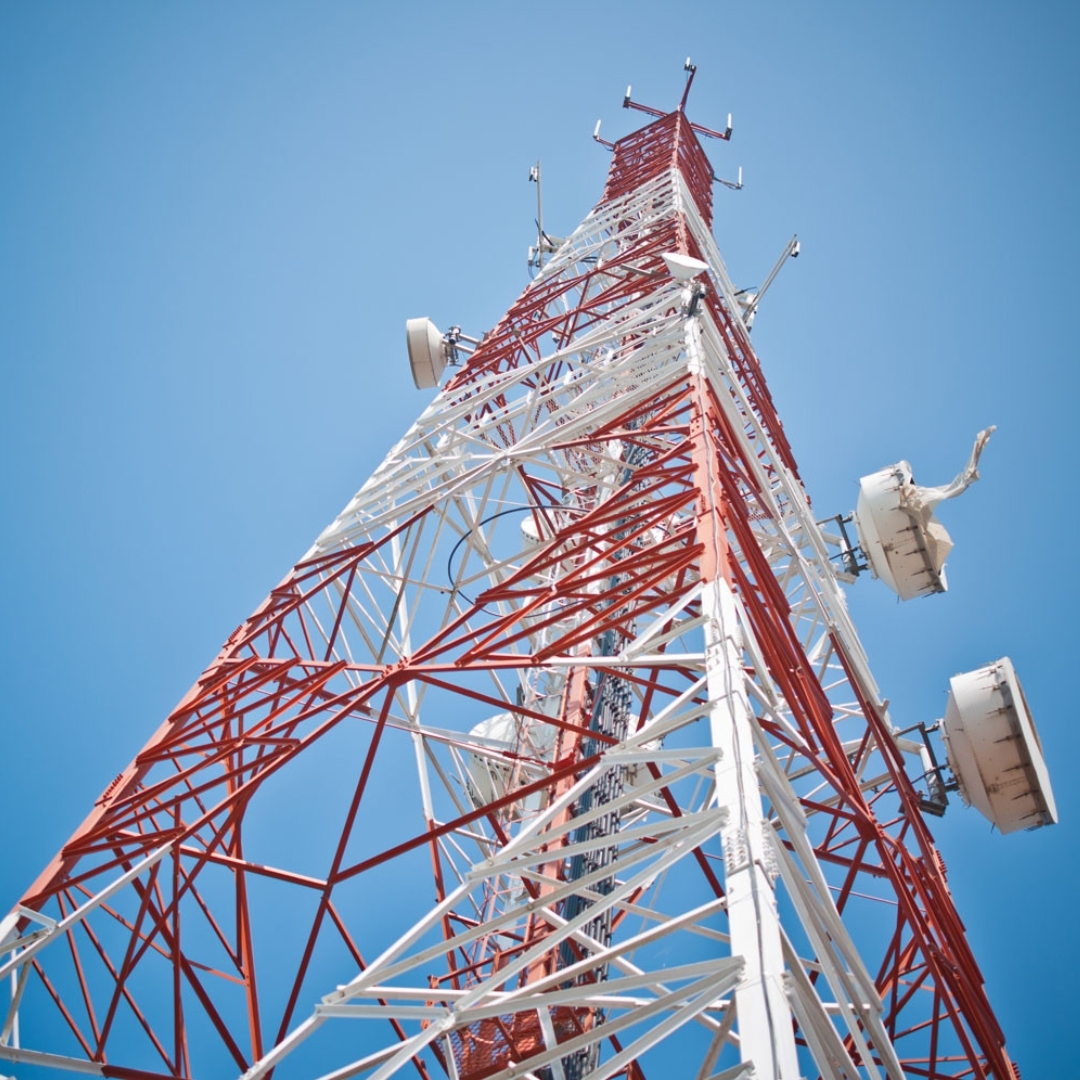
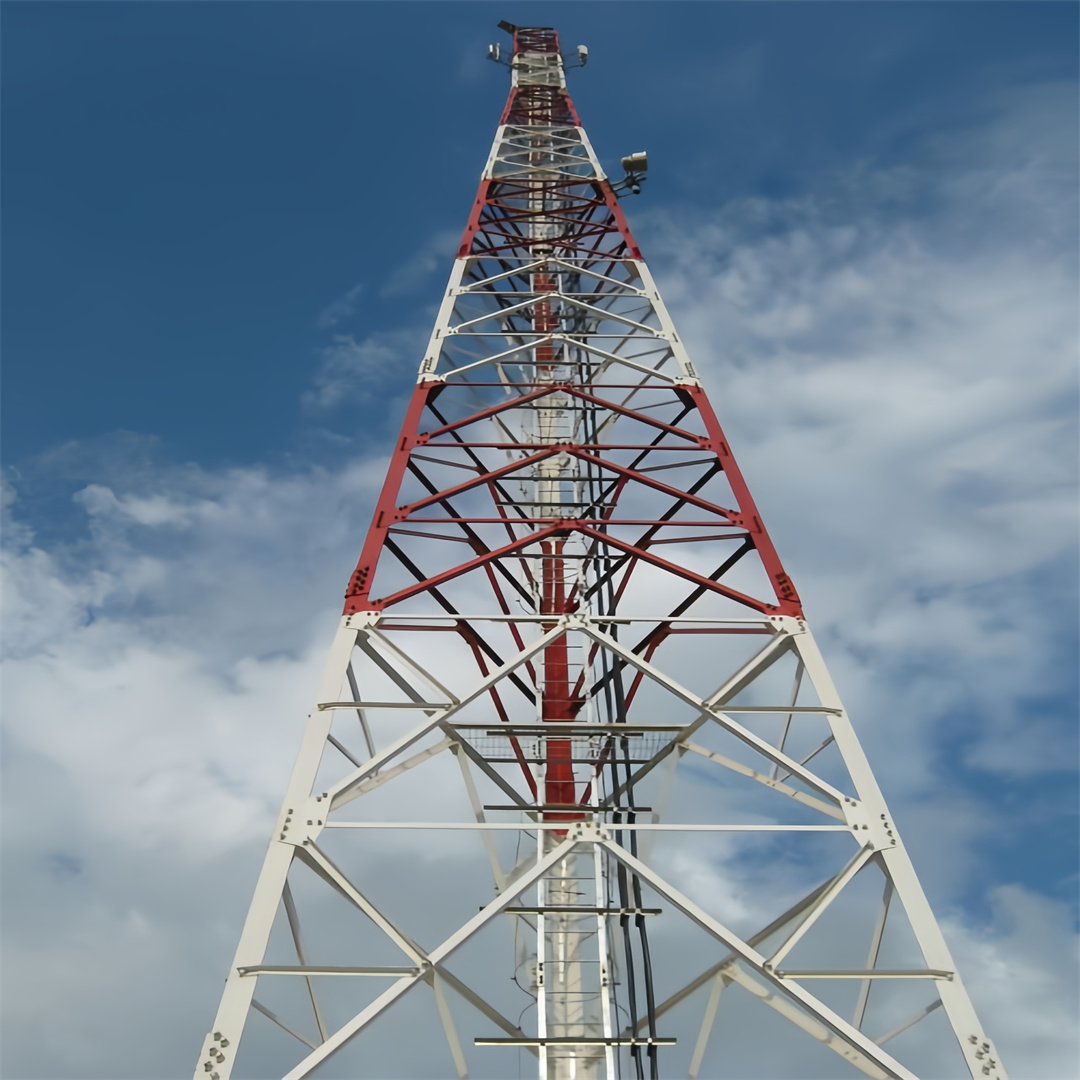
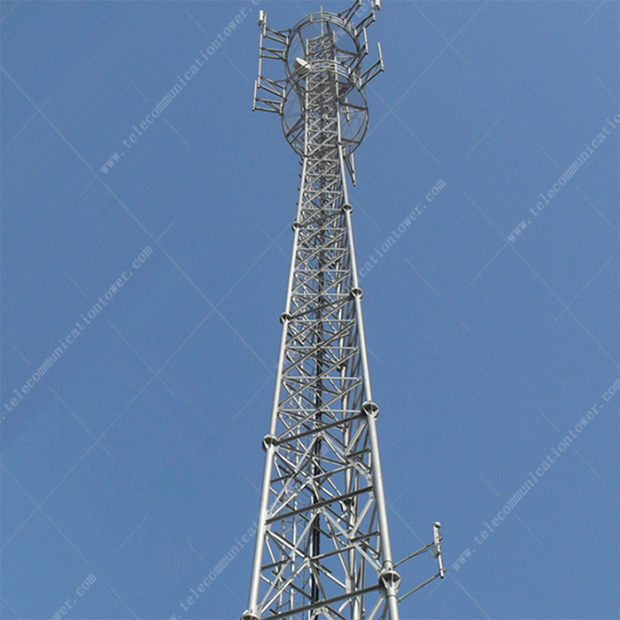
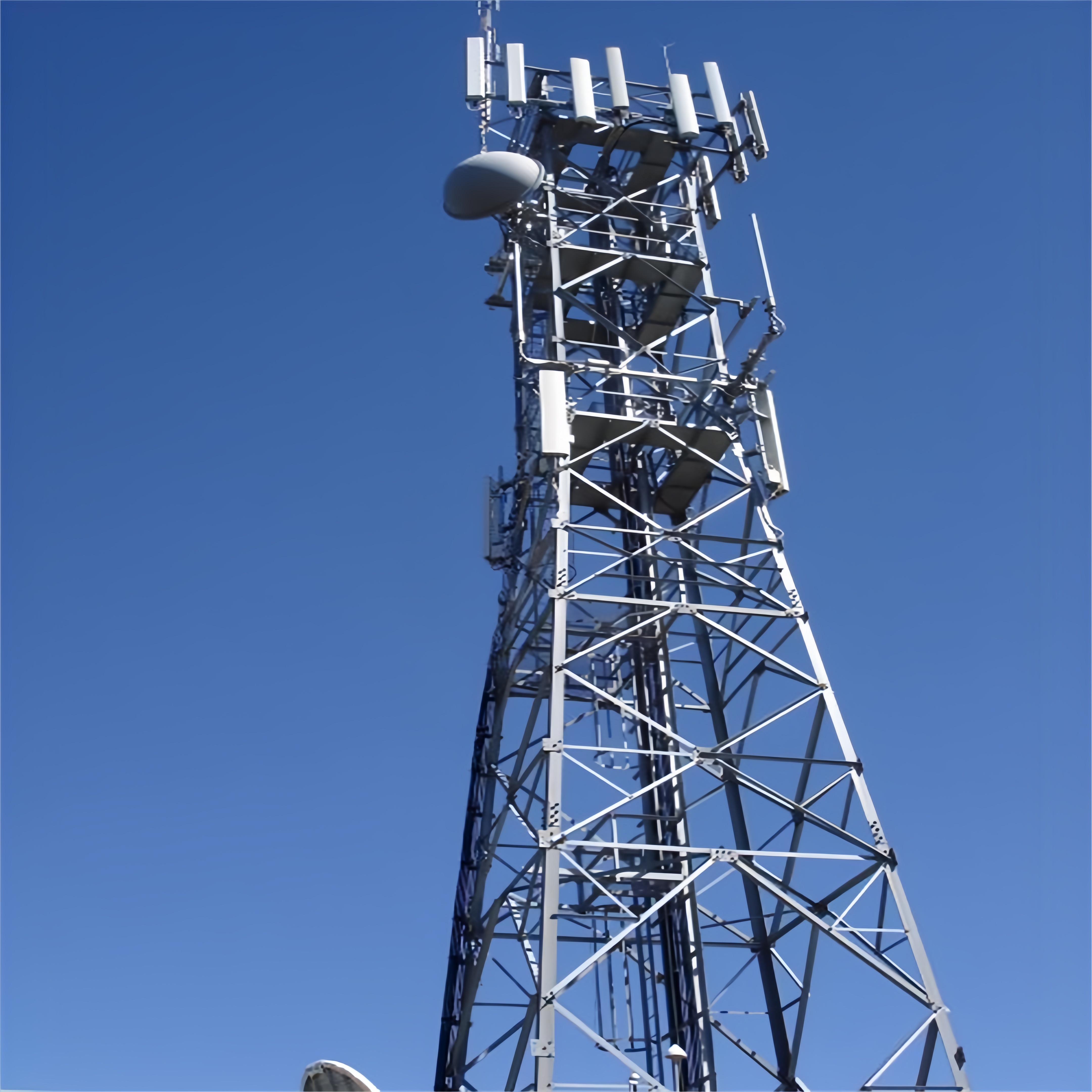
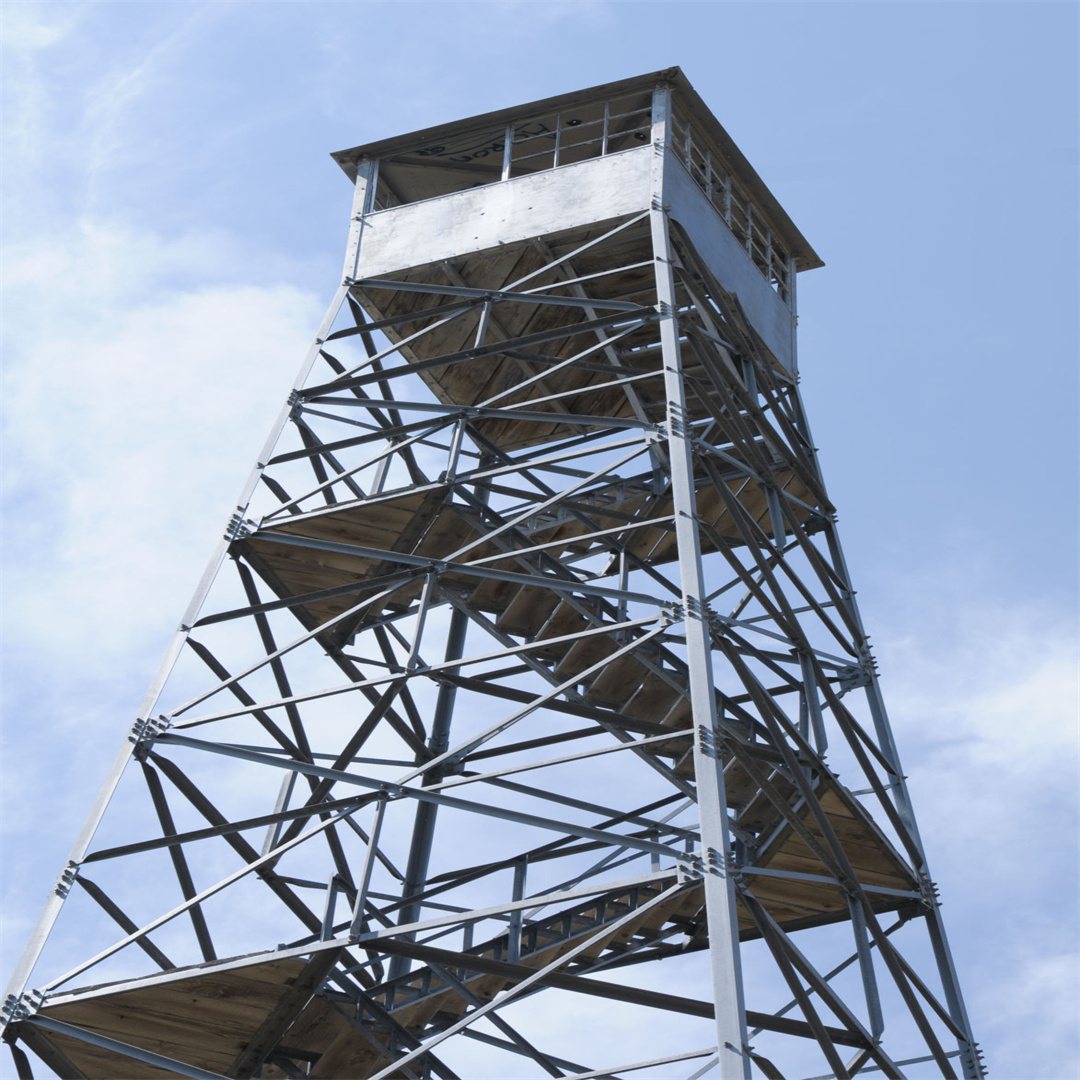
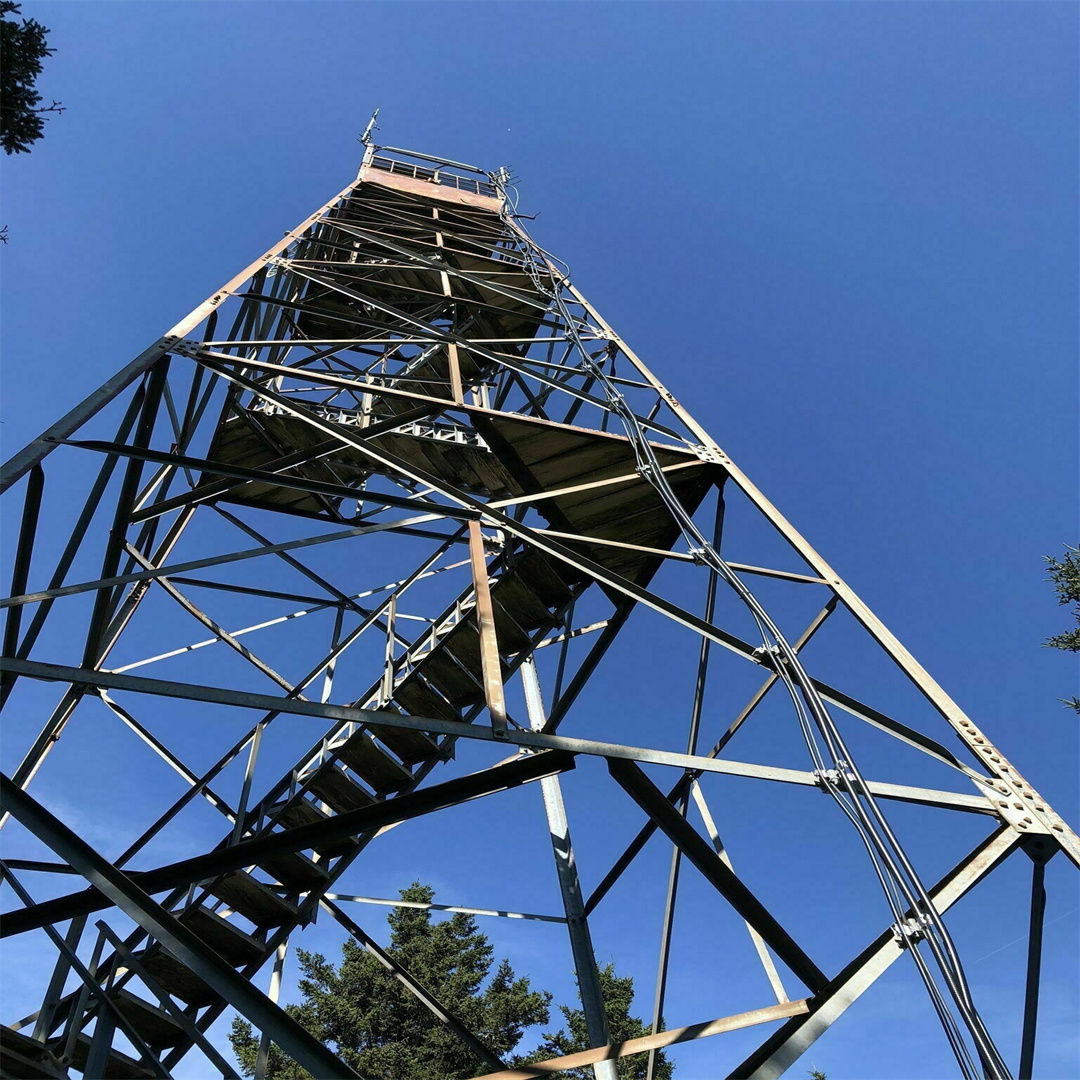
Lattice towers are freestanding towers constructed from steel and characterized by their triangular or square cross-sections. They’re typically taller than monopole towers, often exceeding 200 feet, and can support multiple antennas and other equipment due to their impressive load capacity. According to studies, lattice towers can enhance signal reach by approximately 15-20% in rural areas.
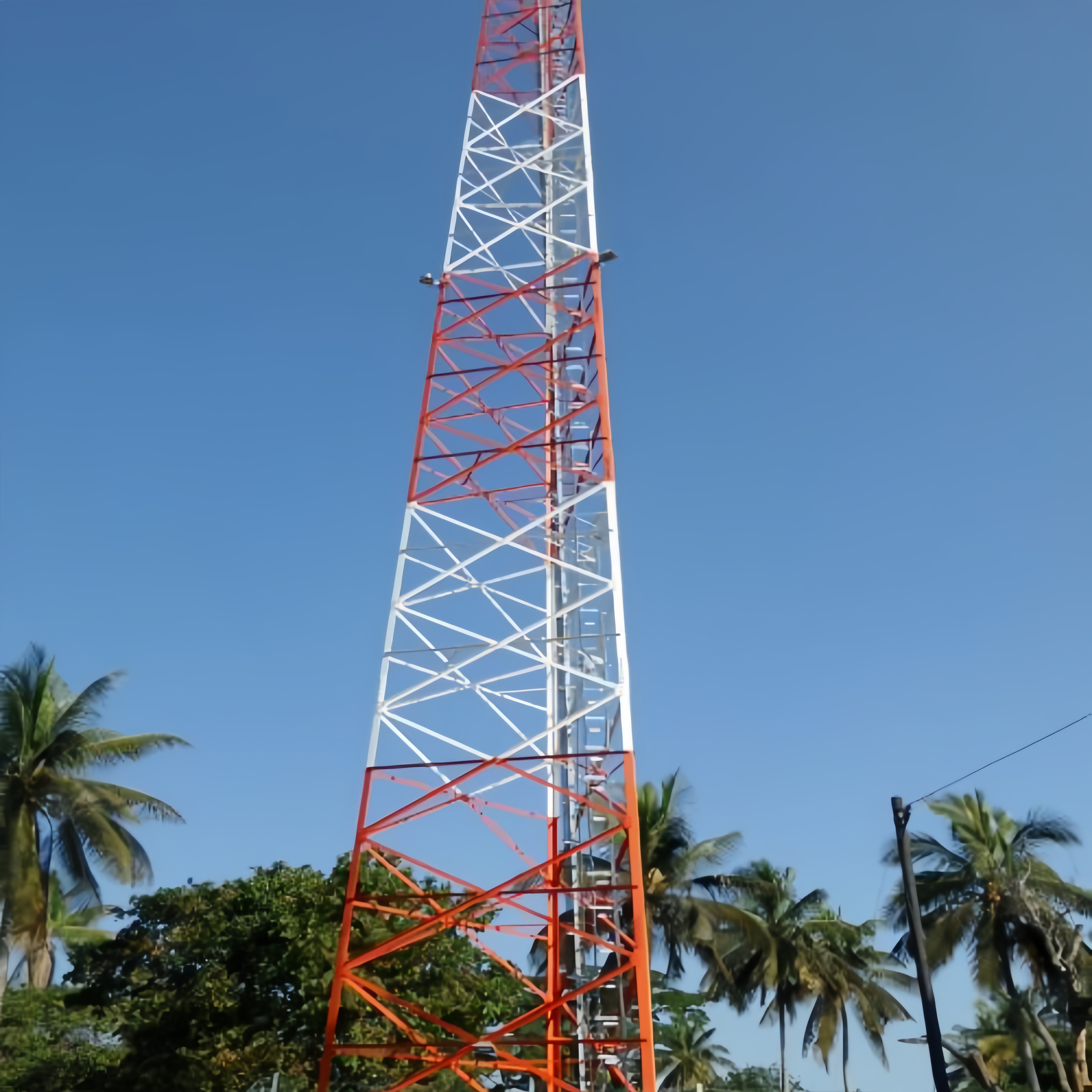
Guyed towers are tall structures supported by guy wires. They are typically used for broadcast purposes and can reach heights of over 1,000 feet. With this height, they can cover vast geographical areas, achieving signal coverage of up to 50 miles in open areas. Their deployment may require extensive zoning due to their size, making location selection crucial.
DAS is a network of spatially separated antenna nodes connected to a common source, enhancing cellular coverage in areas with high user density, such as stadiums or commercial buildings. This system can improve indoor network performance by as much as 300%, significantly increasing user satisfaction by reducing dropped calls.
Q1: What are the average costs to install different tower types?
A: Installation costs can vary widely. Monopole installations may cost from $150,000 to $300,000, while lattice towers generally range from $300,000 to $1 million.
Q2: How long does it take to deploy a communication tower?
A: Depending on local regulations and permitting processes, deployment can take anywhere from 3 to 12 months.
To deepen your understanding of communication tower technologies, consider exploring the following topics:
Advanced Tower Design Principles
Telecom Network Optimization Techniques
5G Technology and Its Infrastructure Demands
Selecting the right communication tower type can significantly impact your network performance and return on investment. JIAYAO offers a range of innovative tower solutions tailored to meet various application needs, ensuring robust communication infrastructure. Contact JIAYAO for personalized advice and solutions to fit your telecommunication challenges.