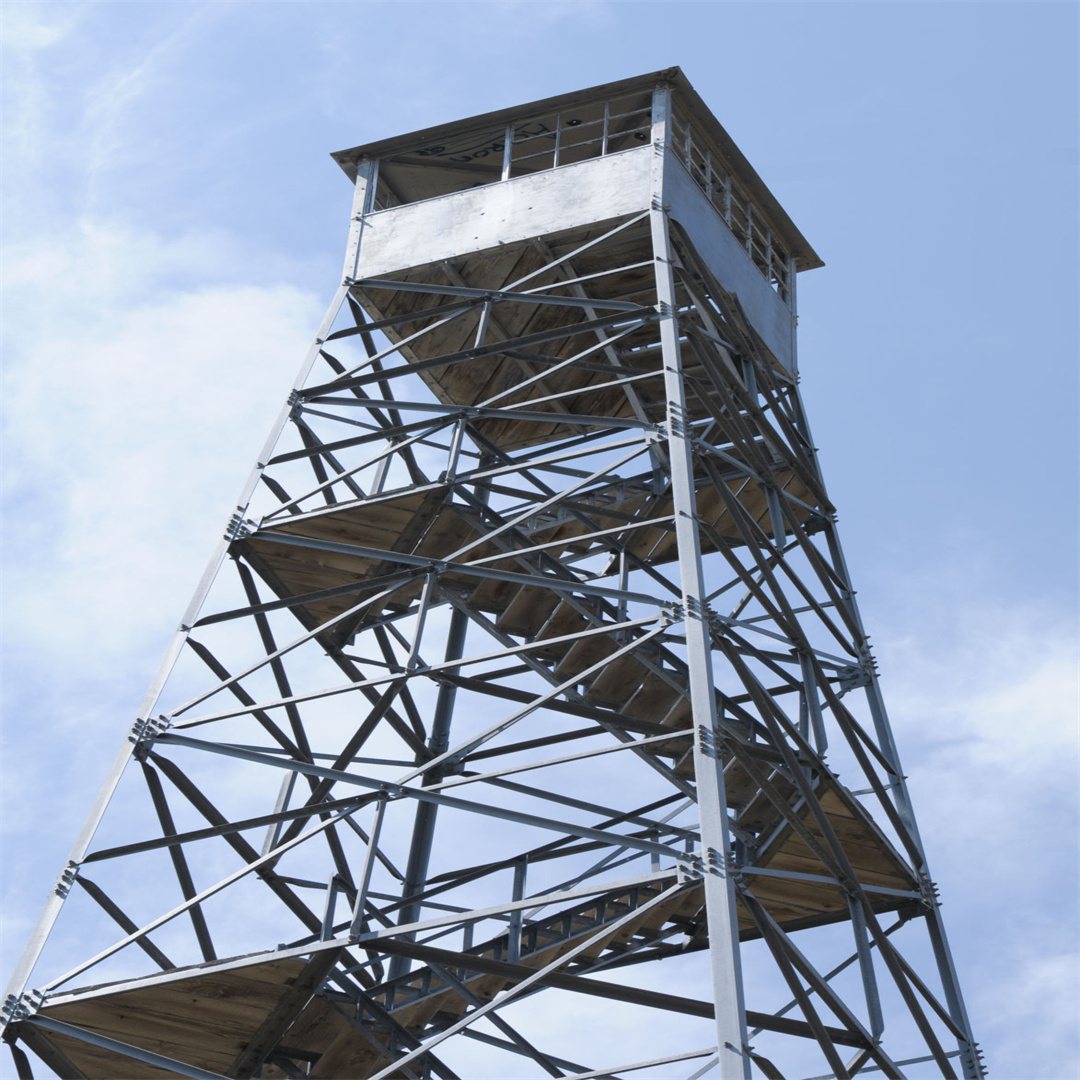
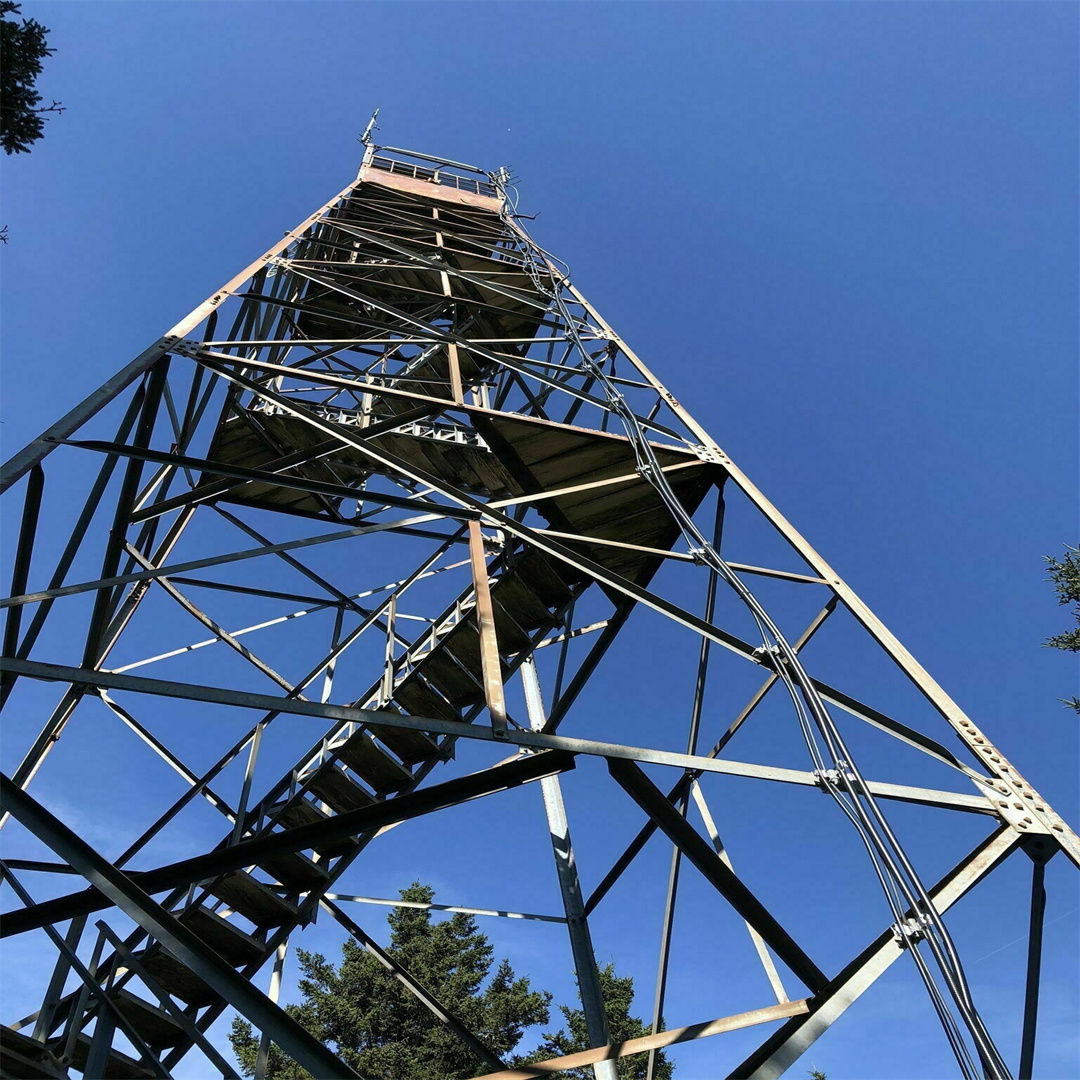
In high-latitude, high-altitude and mountainous regions, ice accretion is one of the most severe threats to telecom tower safety and network stability. When freezing rain, rime or wet snow accumulates on tower bodies, antennas and cables, it dramatically increases structural load, raises wind resistance, and may cause tower deformation, component failure or even collapse. For telecom operators serving cold climate zones, proper ice load design and tower selection are critical to reduce winter outage risks and extend infrastructure service life.
As a professional telecom tower manufacturer with rich project experience in cold and mountainous regions, JiaYao provides ice-resistant tower solutions fully compliant with international structural standards. This guide breaks down the nature of ice load, core design rules, performance comparison across tower types, and practical selection & maintenance guidelines for cold-region projects.
Ice load refers to the additional weight and mechanical stress caused by ice accumulation on tower structures, antennas and overhead cables. It forms mainly in three weather conditions:
Glaze ice: Formed by freezing rain, dense and heavy, with the greatest destructive power
Rime: Formed by supercooled fog droplets, lighter and more porous, common in high-altitude mountain areas
Wet snow accretion: Sticky wet snow that freezes on tower surfaces, common in early winter and late spring
Ice accretion harms telecom towers in three main ways:
Increased static load: Ice adds 20%–200% extra weight to the tower and cables, exceeding design limits in severe cases
Increased wind load: Ice layers enlarge the wind-facing area of components, amplifying wind stress by 30%–80%
Unbalanced load: Uneven ice shedding creates torsional and bending stress, easily causing bolt loosening, member bending or tower tilt
All JiaYao cold-region towers are designed in strict accordance with ANSI/TIA-222-G, IEC 60826 and GB 50009 standards, with the following core design measures:
Ice load design is based on local meteorological records, divided into 4 common grades:
Light ice zone: 5–10mm ice thickness
Medium ice zone: 10–20mm ice thickness
Heavy ice zone: 20–30mm ice thickness
Extra-heavy ice zone: 30mm+ ice thickness
All designs adopt a minimum safety factor of 1.5x for ice load conditions, with 2.0x for key load-bearing members.
Reinforced main members: Thicker steel sections for main legs and crossarms to bear extra ice weight
Densified bracing: Reduced spacing of diagonal and horizontal bracing to improve torsional rigidity and prevent local buckling
Strengthened connections: Higher-grade bolts and reinforced joint plates to resist unbalanced ice shedding impact
Reduced span: Shorter crossarm lengths and closer guy wire layers to minimize cantilever ice load
For regions with minimum temperatures below -20℃, low-temperature toughened steel (Q345E / ASTM A572 Grade 50 low-temperature grade) is used, which maintains good toughness and prevents brittle fracture in extreme cold.
Rounded section members are preferred to reduce ice adhesion speed
Antenna mounts and cable clamps are designed with smooth surfaces to slow ice buildup
Guy wires are fitted with vibration dampers to reduce ice-induced fatigue damage
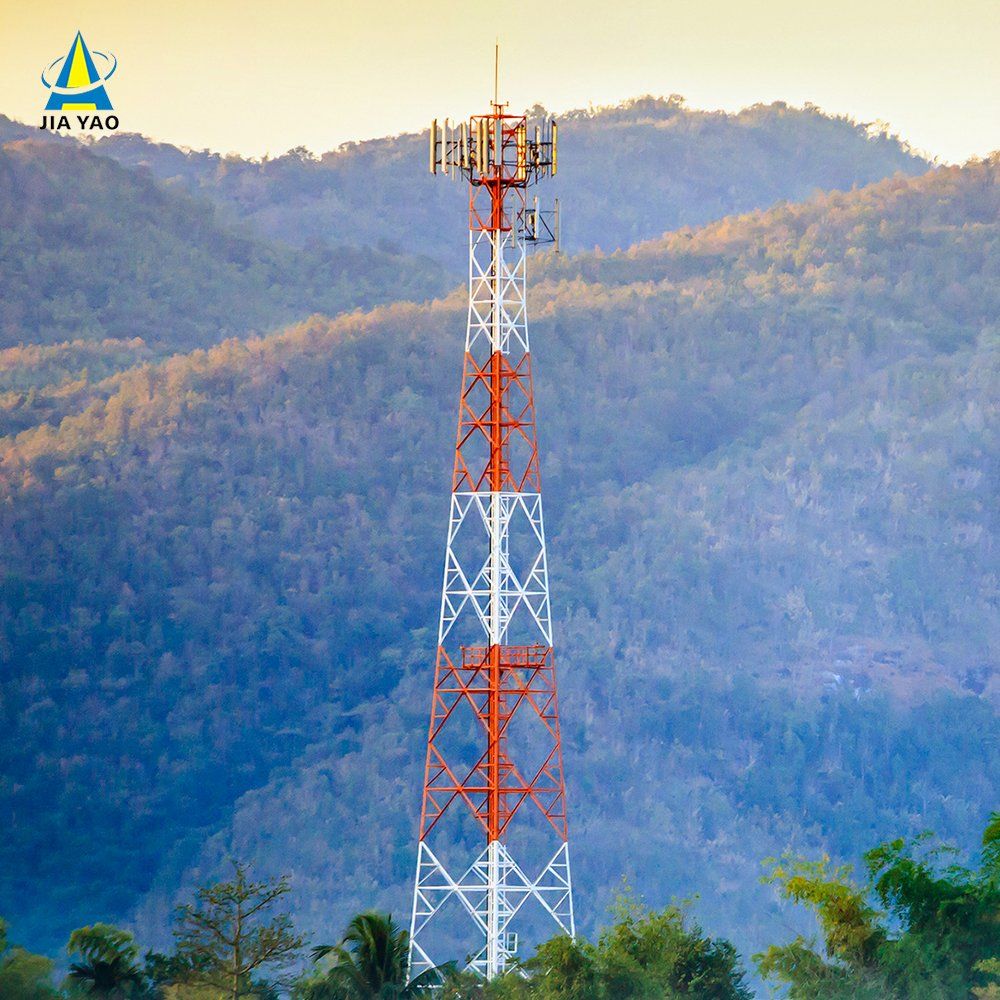
Different tower structures show very different ice resistance performance. The comparison below helps match the right tower type to local ice conditions:
Tower Type | Ice Resistance Level | Typical Ice Zone Adaptability | Core Advantage |
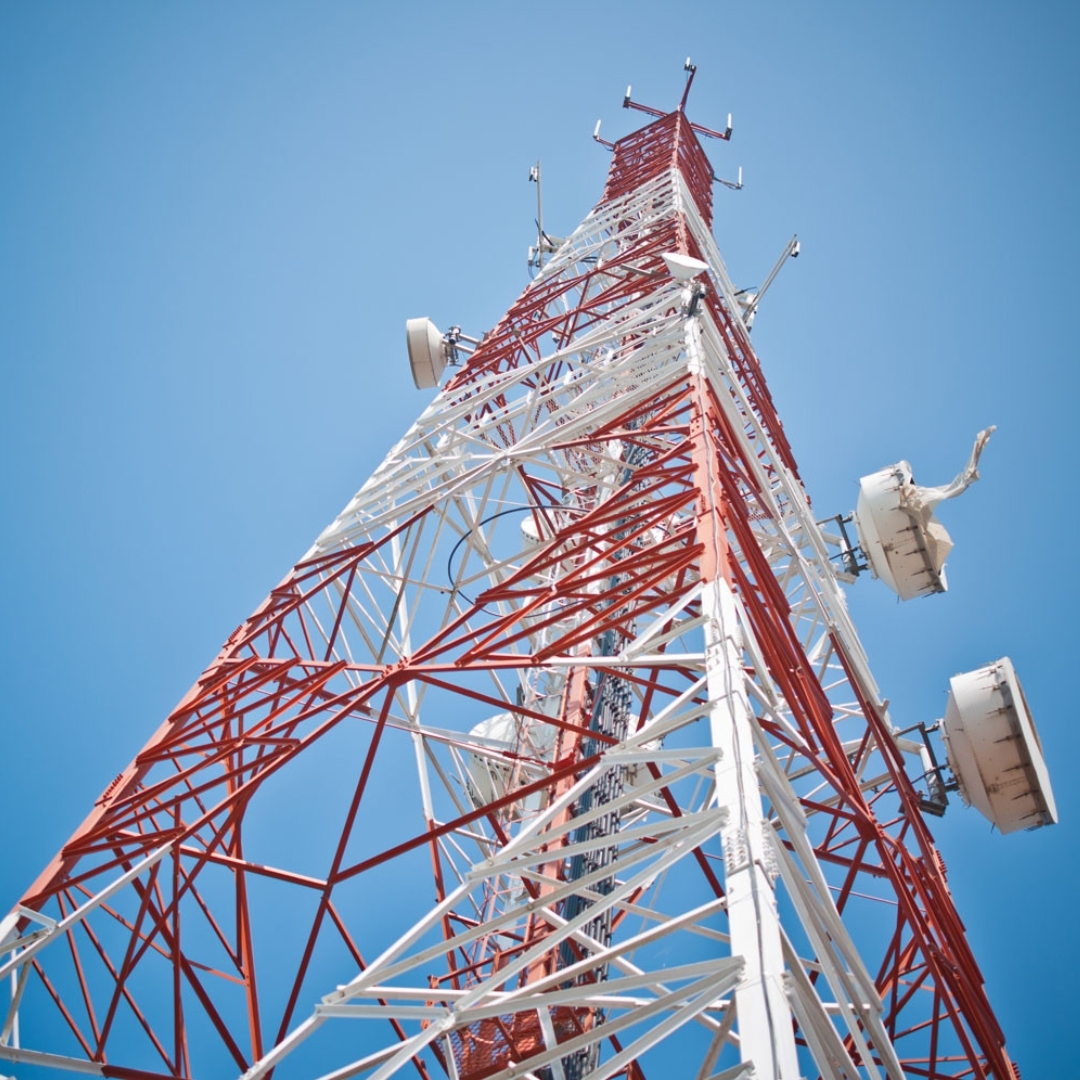
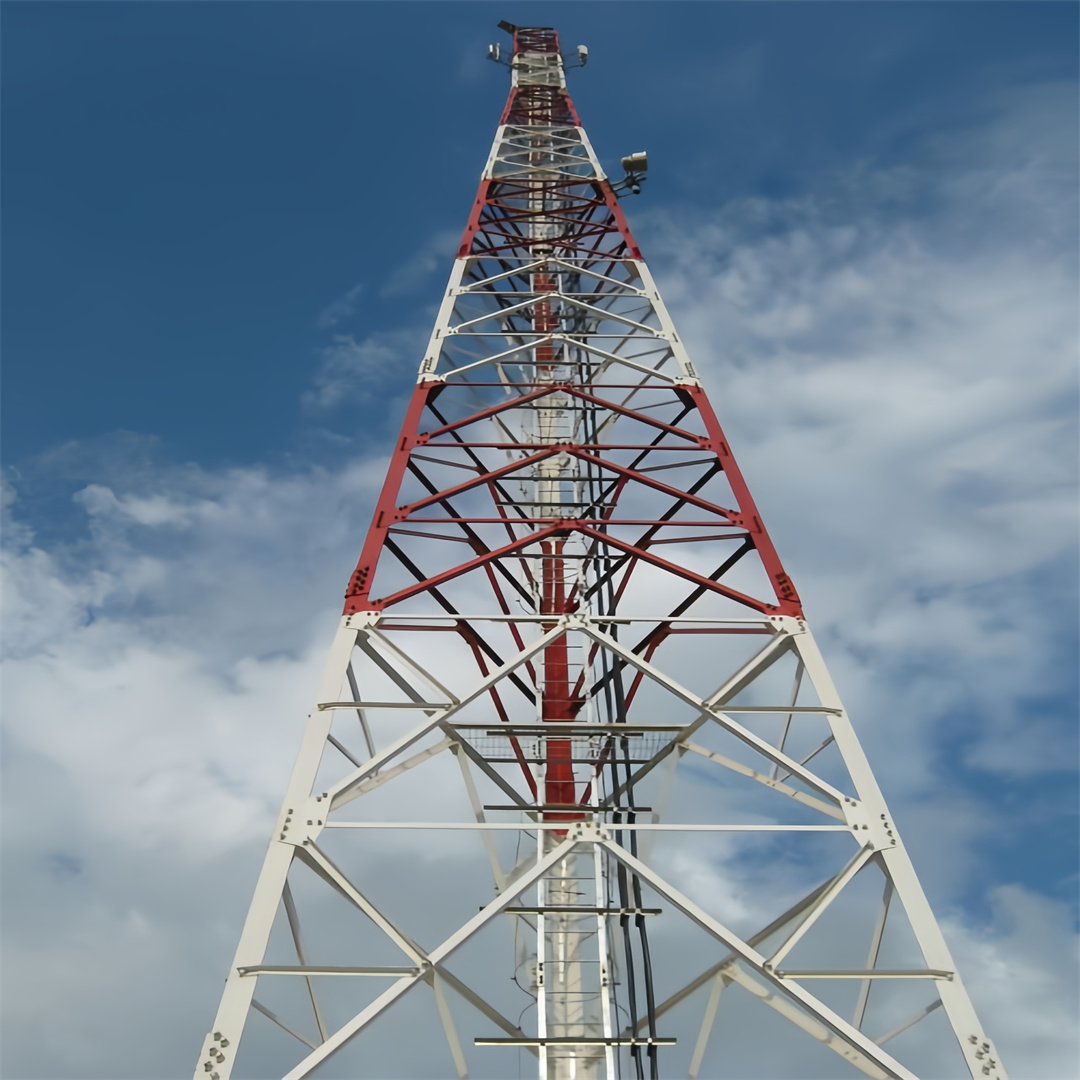
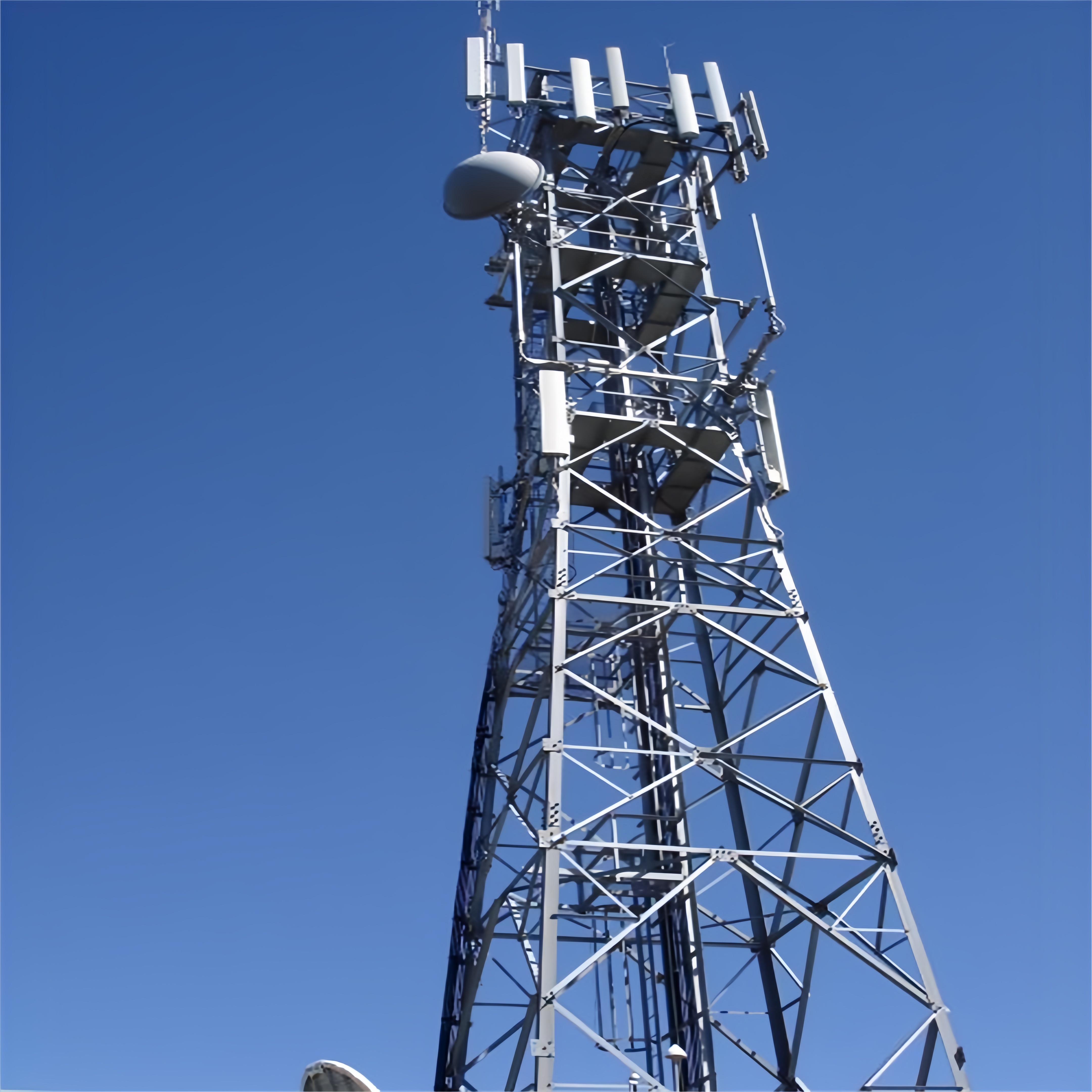
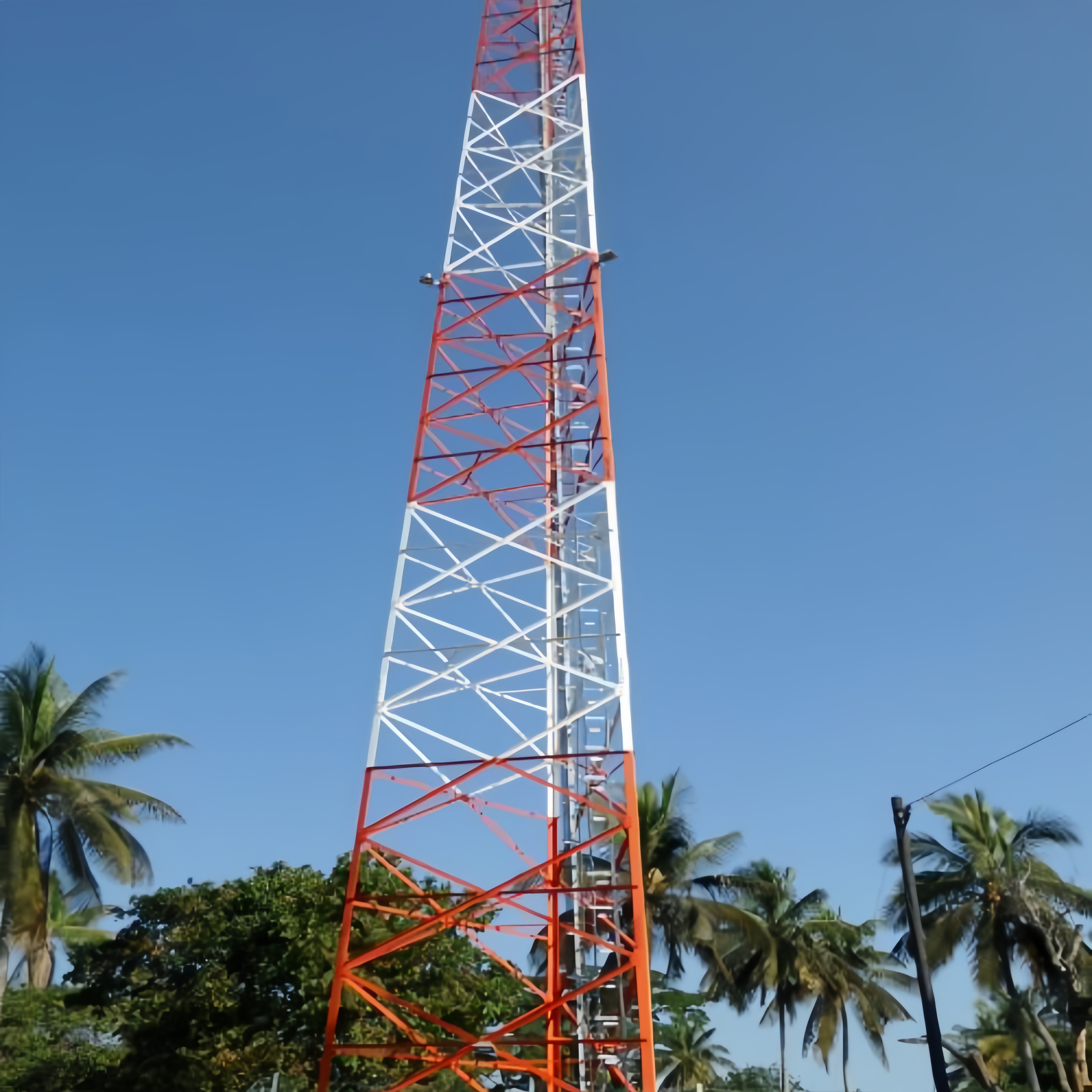
4-Legged Angular Lattice Tower | Excellent | Light to extra-heavy ice zones | Open structure reduces ice accumulation; high rigidity resists heavy ice load |
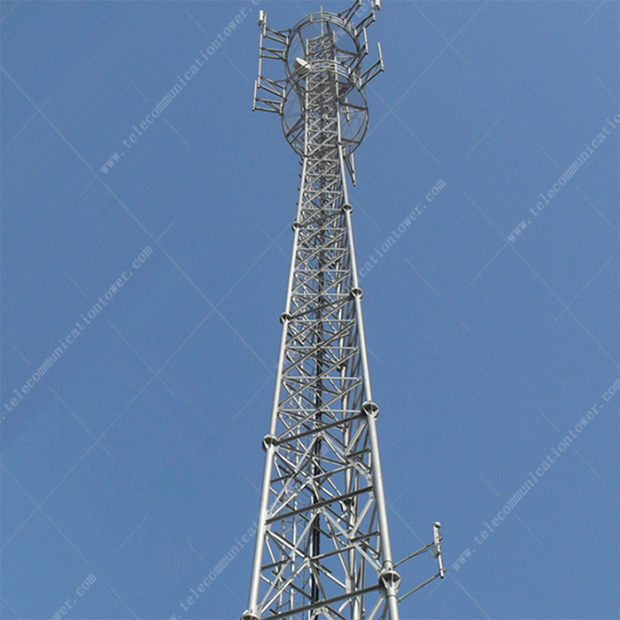
3-Legged Tubular Tower | Good | Light to heavy ice zones | Smooth tubular surface slows ice buildup; balanced rigidity and weight |
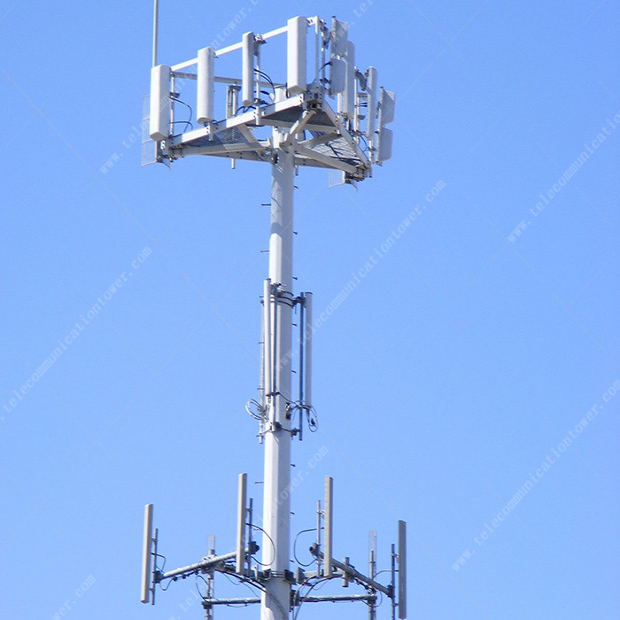
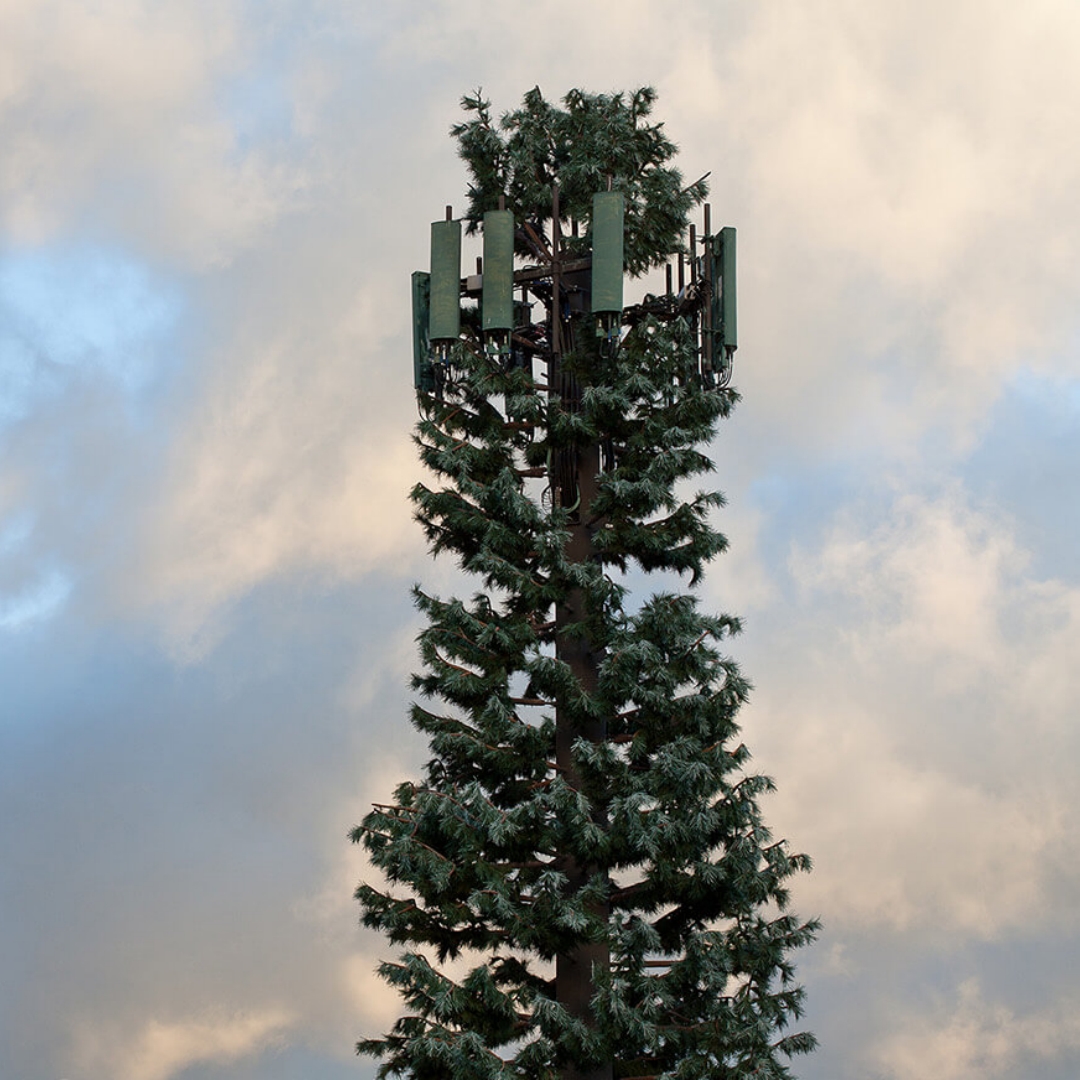
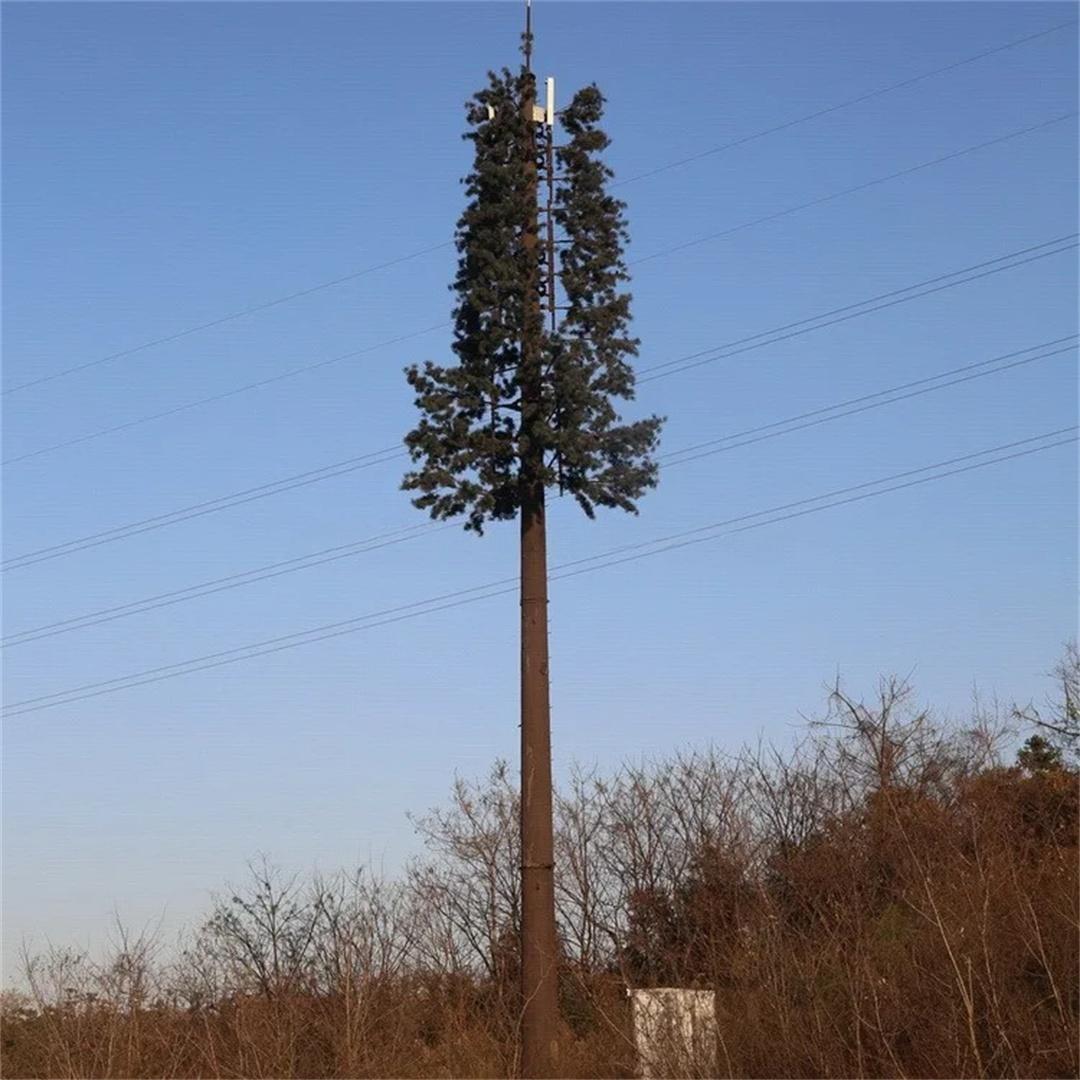
Monopole Tower | Moderate | Light to medium ice zones | Compact single shaft; suitable for urban cold regions with moderate ice |
Guyed Wire Tower | Fair | Light to medium ice zones | Lightweight structure; requires extra tension adjustment for ice load |
Angular lattice towers are the first choice for heavy ice zones. Their truss structure distributes ice load evenly, and open gaps reduce overall ice accretion compared to solid pole structures.
Tubular towers have smoother surfaces, so ice sheds more easily than angular steel, making them suitable for medium ice zones with frequent temperature fluctuations.
Monopole towers have a smaller wind-facing area under light ice, but heavy ice will greatly increase bending stress on the single shaft, so they are not recommended for heavy ice zones.
Guyed towers require regular tension adjustment during icing seasons, as ice on guy wires changes tension and may affect tower verticality.
Match tower type to ice zone grade
For heavy and extra-heavy ice zones, prioritize 4-legged lattice towers; for medium ice zones, 3-legged tubular towers are a cost-effective option; monopole towers are only recommended for light ice urban areas.
Reserve enough load margin
Design with 20%–30% extra load reserve for future antenna additions and extreme ice events, avoiding overload caused by network upgrades.
Strengthen corrosion protection
Cold regions with frequent freeze-thaw cycles accelerate corrosion. Choose hot-dip galvanized steel with optional epoxy topcoat, and pay special attention to bolt and joint corrosion protection.
Configure deicing auxiliary options
For key base stations in heavy ice zones, optional mechanical or electrical deicing systems can be configured to reduce manual maintenance risks.
Consider construction conditions
High-altitude mountain areas often have limited transportation and construction windows. Modular lattice towers with small segment sizes are more suitable for remote cold-region construction.
Proper winter maintenance can effectively reduce ice damage risks and extend tower service life:
Conduct a full structural inspection: tighten all bolts, check for corrosion and member deformation
Verify guy wire tension and adjust to design values
Inspect antenna mounts and cable fixtures to ensure firm installation
Clean drainage holes on tower platforms and cable trays to prevent ice blockage
Monitor ice thickness via remote sensors or regular patrols
Avoid climbing the tower during icing; use drone inspection when possible
For severe icing, adopt safe deicing methods such as hot air deicing or mechanical vibration deicing; manual knocking is not recommended as it may cause structural damage
Conduct a comprehensive post-ice structural inspection: check tower verticality, bolt tightness and member deformation
Re-adjust guy wire tension to standard values
Touch up damaged galvanized coating with zinc-rich paint
Inspect antenna alignment and signal performance to restore normal network operation
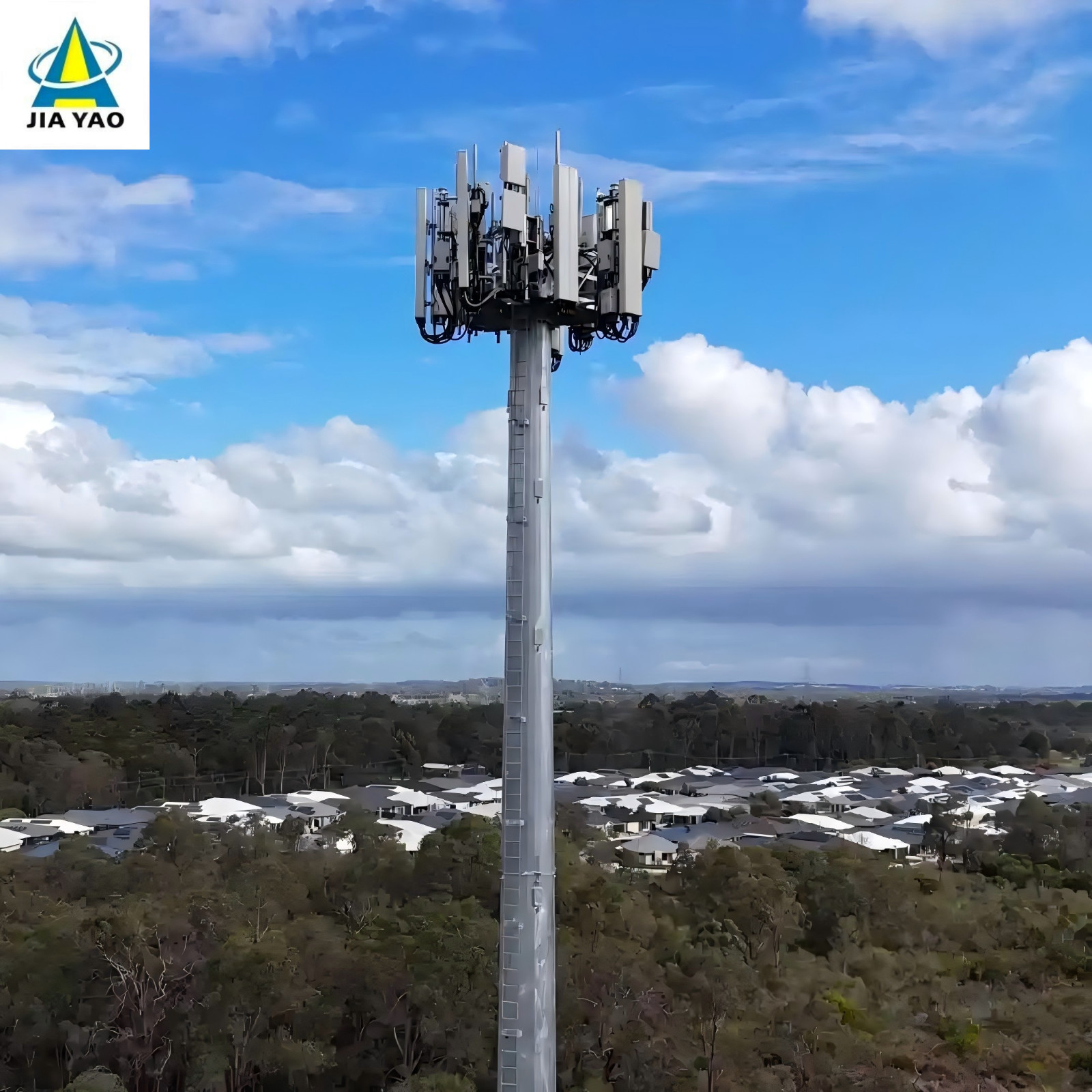
Lightning Protection Monopole Tower For Shopping Mall 5G Base Station
With project experience across 55+ countries including high-latitude and high-altitude markets, JiaYao provides full customized ice-resistant telecom tower solutions:
Custom design: Tailored structural reinforcement based on local ice thickness, temperature and wind speed data
Standard compliance: All designs meet ANSI/TIA-222-G, Eurocode 3 and other international standards
Quality materials: Premium low-temperature steel and full hot-dip galvanizing for 30+ year service life
Full documentation: Complete ice load calculation reports, material certificates and third-party test reports
Technical support: Professional installation guidance and winter maintenance training for on-site teams
Ice load is a non-negligible risk factor for telecom infrastructure in cold and high-altitude regions. By following scientific design principles, selecting the appropriate tower type for local ice conditions and implementing standardized winter maintenance, operators can significantly reduce ice damage risks and ensure stable year-round network operation.
If you have telecom tower projects in cold, high-altitude or heavy ice zones, contact JiaYao today for a free customized ice load design solution and quotation.