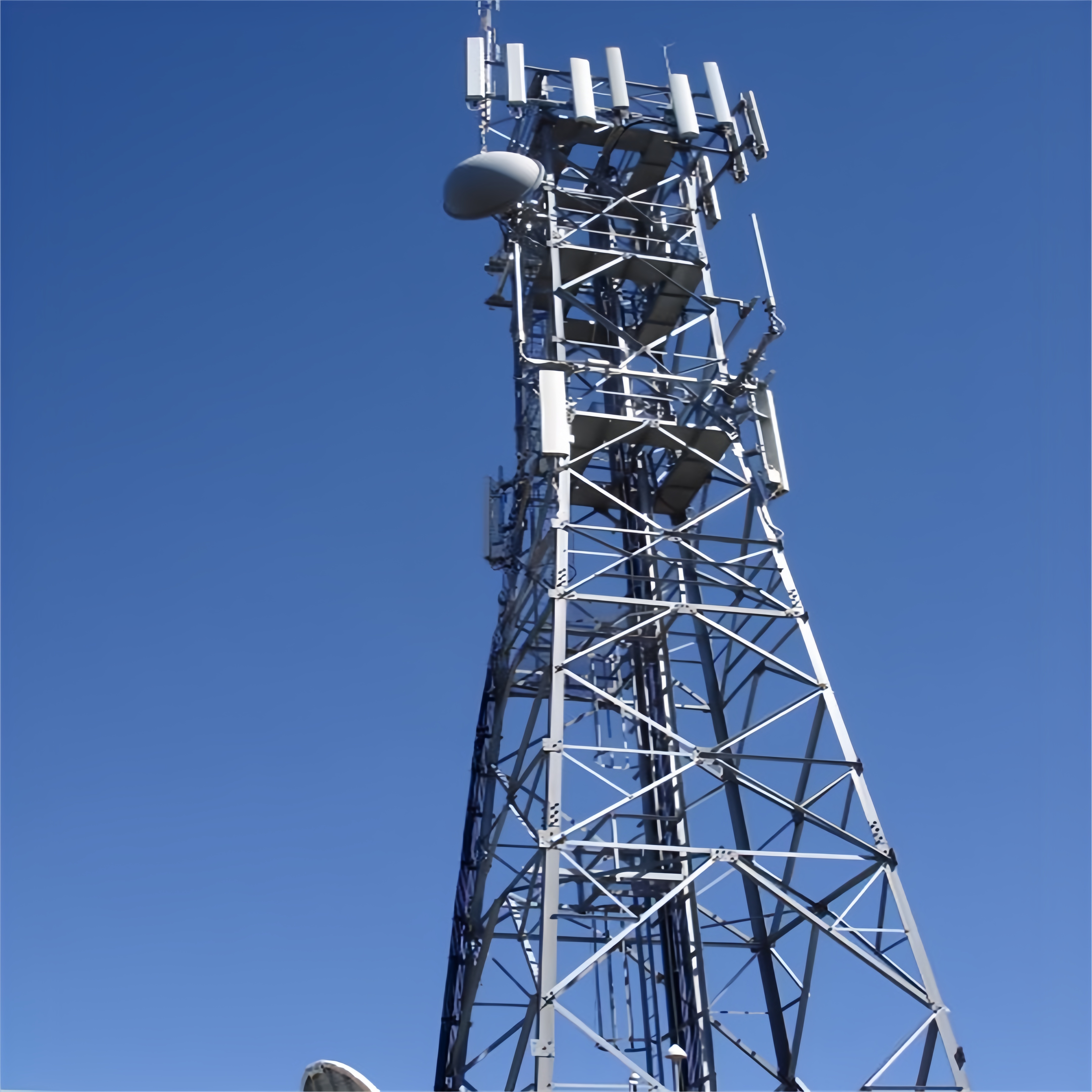
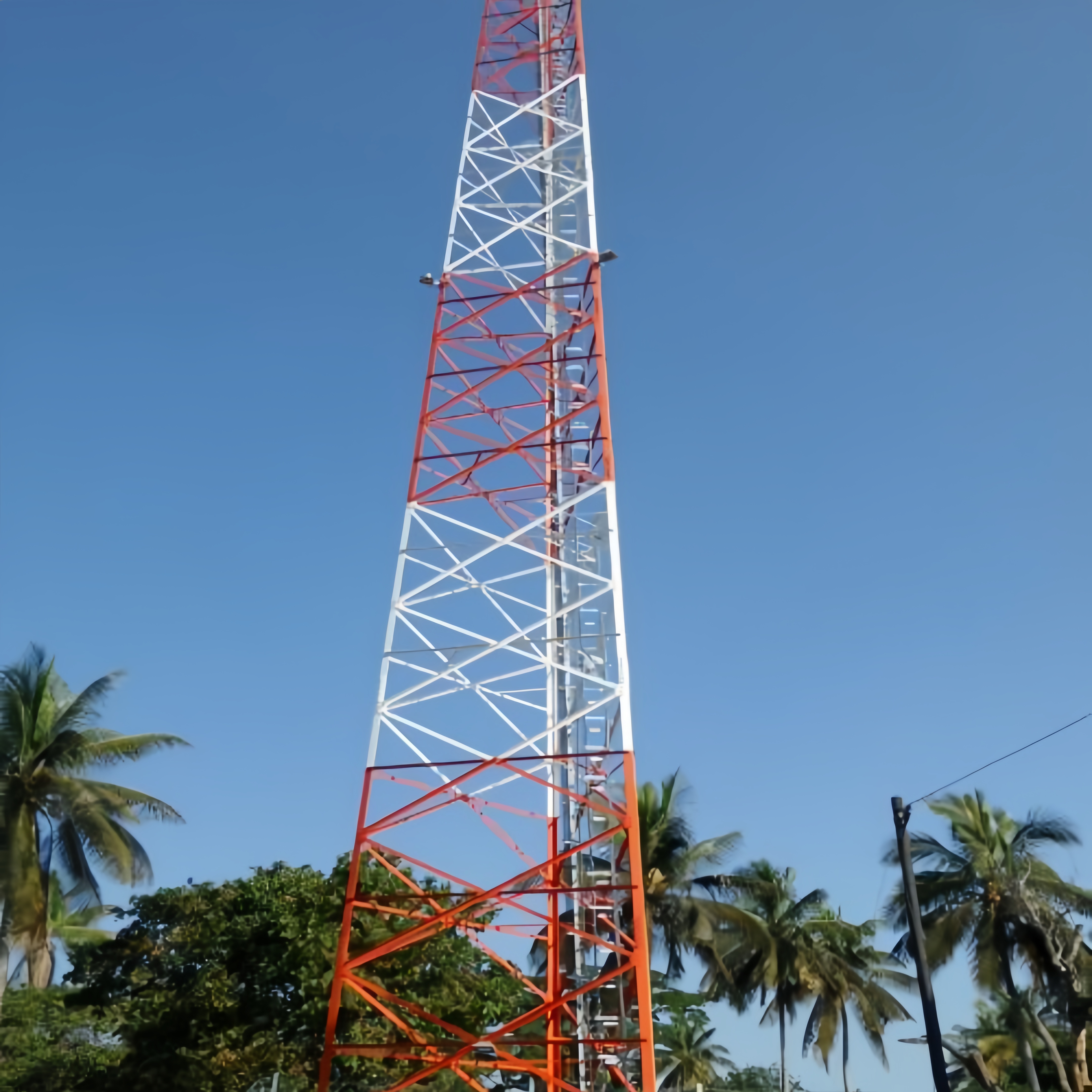
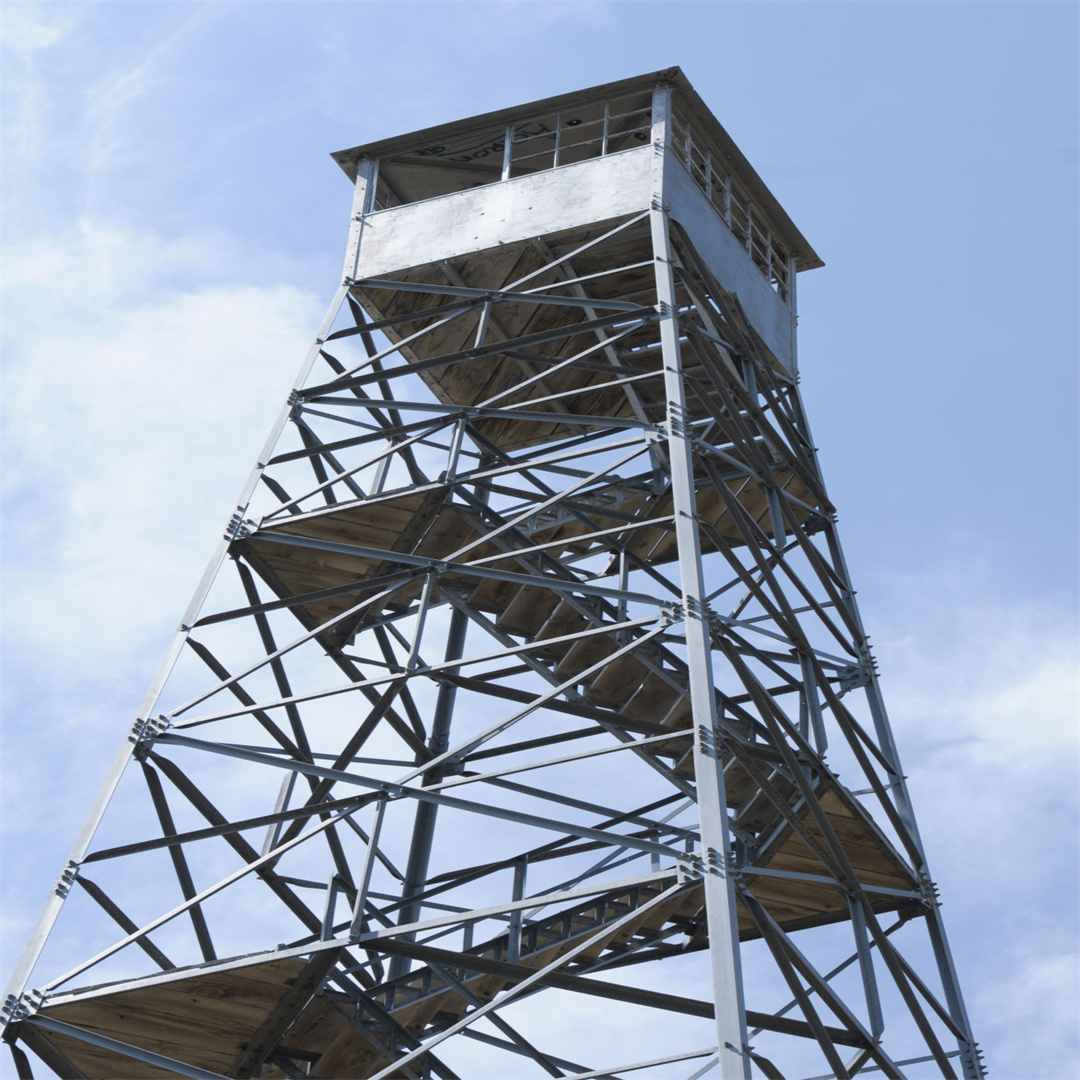
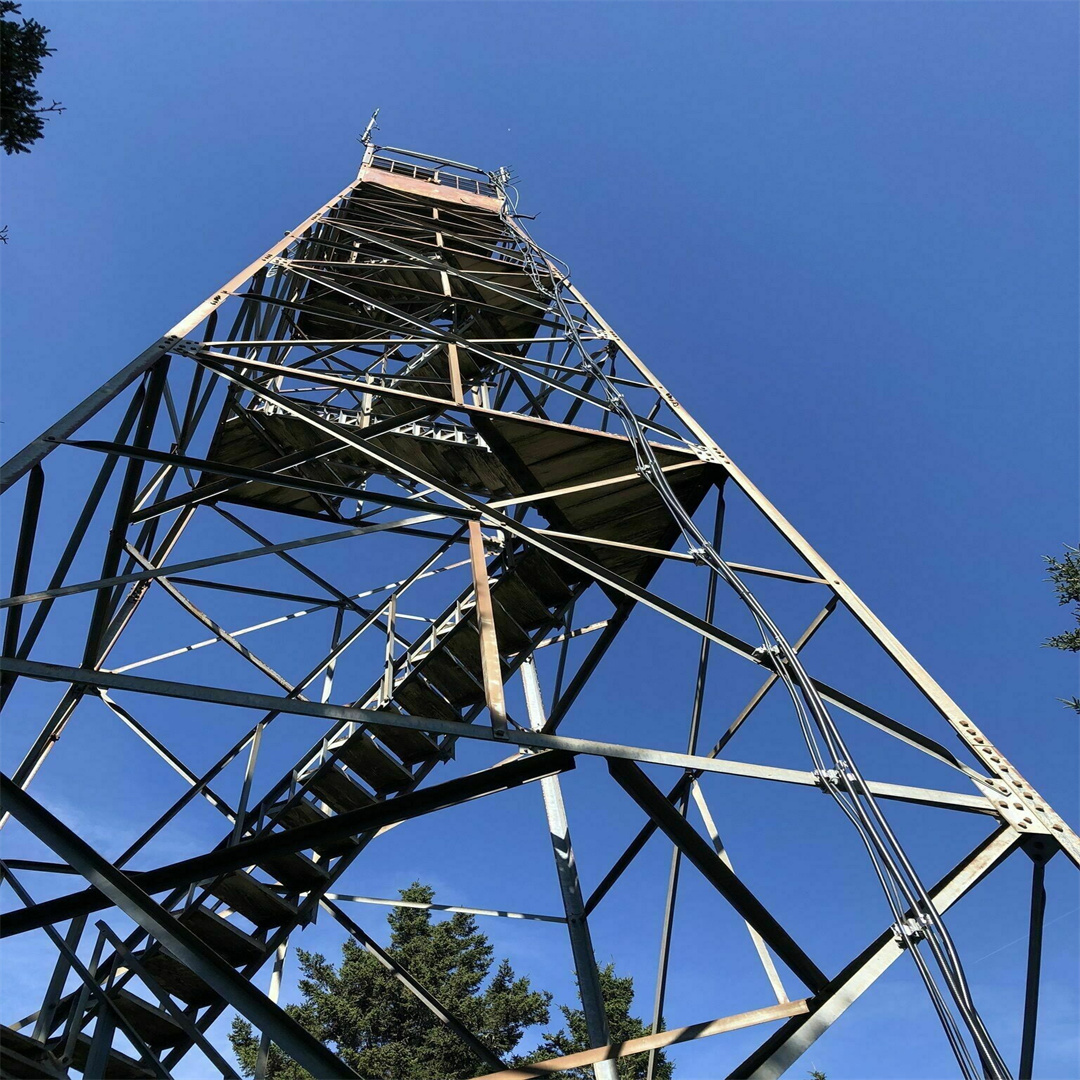
The foundation is the core supporting component of a lattice telecom tower. It transfers all loads from the tower body to the stable soil or rock layer underground, directly determining the long-term safety and stability of the whole communication tower. Reasonable foundation design and accurate load calculation are essential before construction.
Dead Load: Self-weight of tower steel structure, antenna, cable, platform and foundation concrete. This load remains constant during the service life.
Wind Load: The most critical horizontal load. Wind pressure acts on tower members, antennas and accessories. Calculation shall consider local basic wind speed, terrain height and tower shape coefficient.
Ice Load: Additional load formed by ice coating on tower bars and antennas, widely considered in cold regions.
Seismic Load: Horizontal and vertical inertia force triggered by earthquakes, calculated according to local seismic fortification intensity.
Installation & Maintenance Load: Temporary load generated during tower erection and later equipment maintenance.
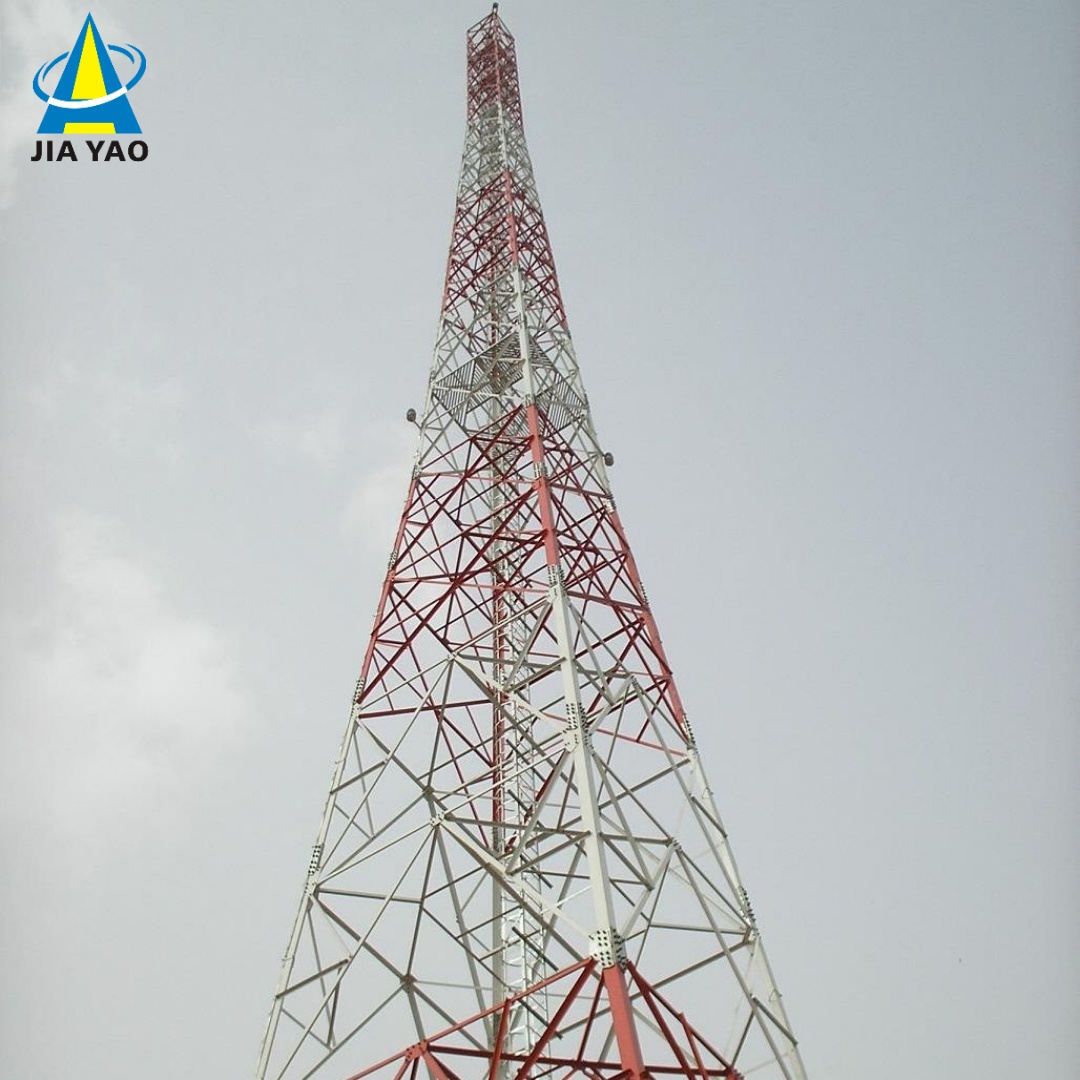
Independent Reinforced Concrete Foundation: Widely used for self-support lattice towers on normal soil. Each tower leg corresponds to one separate foundation block.
Pile Foundation: Applied in weak soil, high water table or slope sites. Piles go deep into hard stratum to reduce settlement risk.
Strip Foundation & Rock Anchor Foundation: Strip type for uniform shallow soil; rock anchor foundation for towers built on solid rock hillside.
Designers need to combine site geological survey report, topographic data and local meteorological parameters. The calculation must check foundation bearing capacity, anti-overturning stability, anti-sliding performance and foundation settlement. The safety factor against overturning and sliding shall meet international telecommunication tower specifications.
Geological exploration is the first step. Any change of soil condition during excavation requires rechecking of calculation model. Concrete pouring, steel bar arrangement and embedded anchor bolt positioning need strict quality control. After foundation curing, acceptance test must be finished before tower assembly starts.
A qualified telecom tower foundation eliminates most collapse and tilt risks. Matching load calculation with site geology ensures the communication tower can operate safely for decades under complex wind, ice and seismic environments.