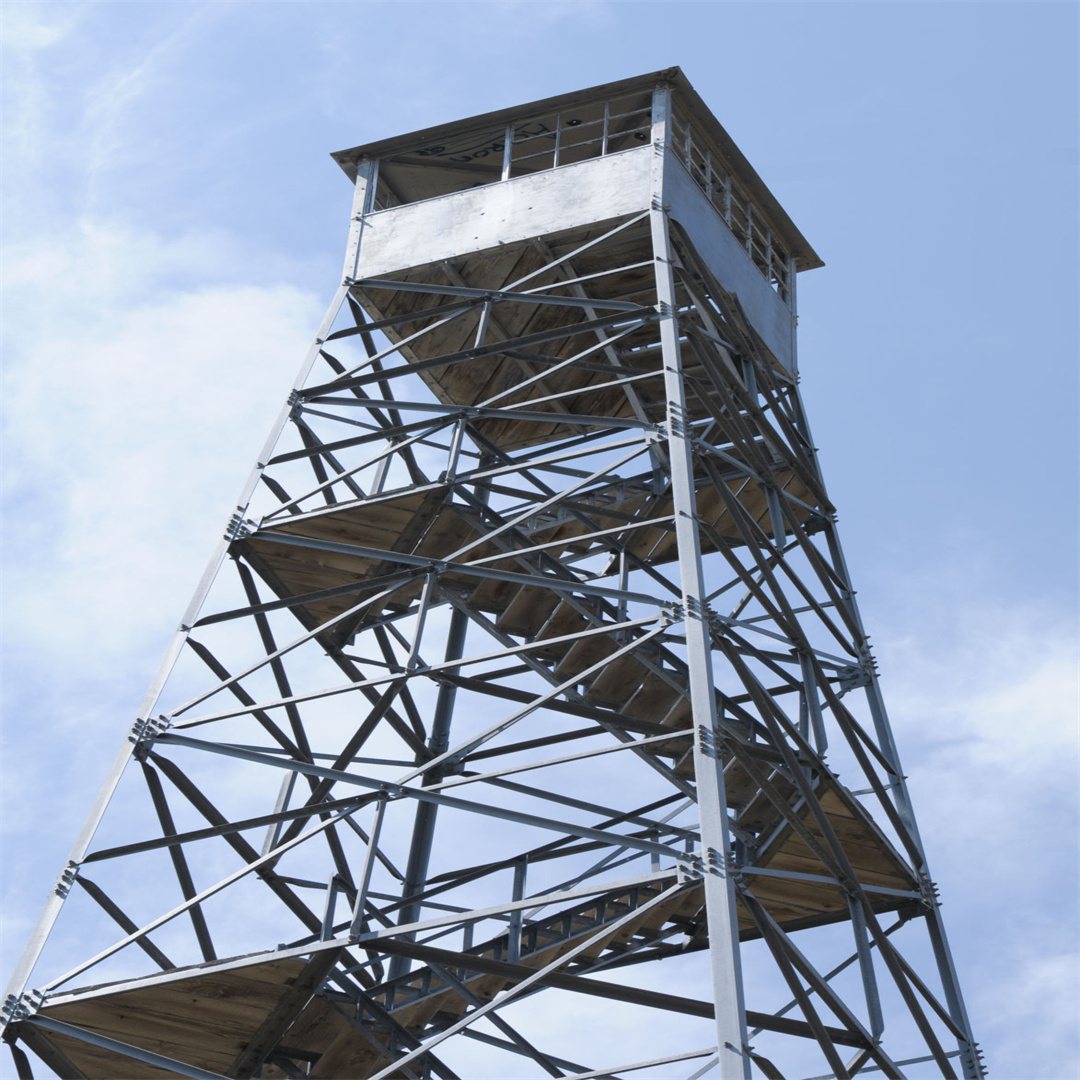
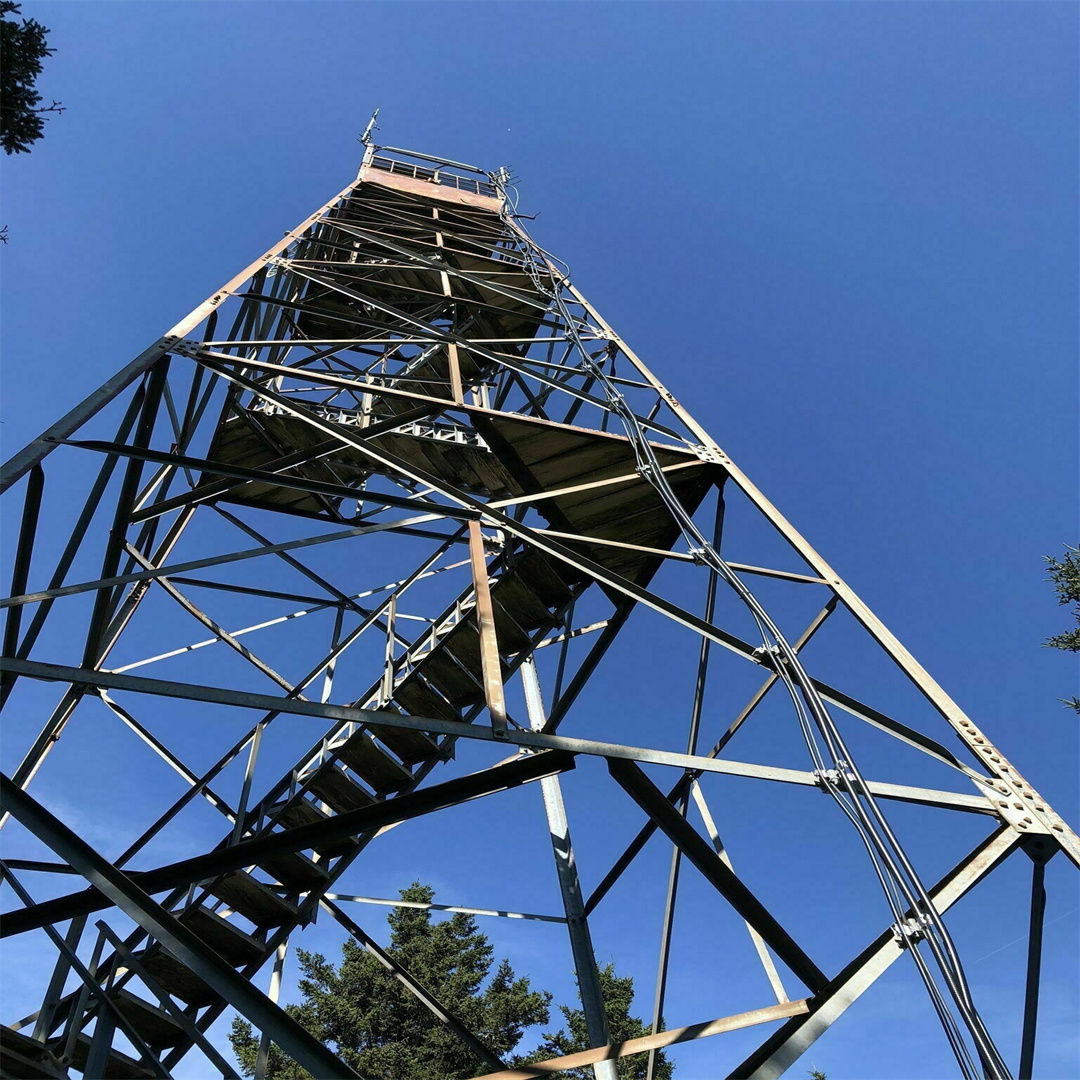
High‑strength bolts are the key connecting components that hold every section of a telecom tower together. The overall structural safety largely depends on bolt grade, material quality, correct torque tightening and anti‑corrosion performance. Many hidden tower risks such as member displacement, wind‑induced vibration fatigue and even structural failure originate from mis‑selected bolt grades, insufficient torque, mixed‑use of different bolt types or poor‑quality fasteners.
As a professional telecom tower manufacturer, JIAYAO strictly applies standardized high‑strength bolt solutions for all lattice, monopole, tri‑tubular and guyed towers. This article compares Grade 8.8 and Grade 10.9 bolts, explains core technical points, installation rules and acceptance standards for global telecom engineering teams.
High‑strength bolts are divided into two major categories: non‑preloaded ordinary high‑strength bolts and preloaded friction‑type high‑strength bolts. Most telecommunication towers adopt friction‑type high‑strength bolts, which transfer structural force by friction between connected steel plates after applying specified pre‑tension torque.
The number marking “8.8” or “10.9” represents bolt performance grade. The first digit refers to 1/100 of tensile strength in MPa; the second digit denotes the ratio of yield strength to tensile strength.
All tower bolts, nuts and washers for outdoor deployment must undergo hot‑dip galvanizing treatment to match the tower’s anti‑corrosion system.
Important reminder: Bolts, matching nuts and washers must come from the same batch. Mixing accessories from different manufacturers will lead to unreliable friction fit and thread fit.
| Performance Item | Grade 8.8 High‑Strength Bolt | Grade 10.9 High‑Strength Bolt |
|---|---|---|
| Nominal Tensile Strength | 800 MPa | 1000 MPa |
| Nominal Yield Strength | 640 MPa | 900 MPa |
| Material | Medium carbon steel | Alloy steel |
| Typical Application Scenarios | Secondary bracing, auxiliary connections, non‑main‑force joints | Main legs, flange joints, key load‑bearing connection nodes |
| Torque Requirement (M20 example) | Approx 280‑320 N·m | Approx 380‑420 N·m |
| Unit Cost | Lower | Higher |
| Feature | Good comprehensive performance, cost‑effective for secondary members | Higher strength, higher pre‑tension capacity for heavy‑load joints |
Grade 8.8 bolts are widely used for secondary connection positions on telecom towers, such as diagonal bracings, auxiliary cross members, ladder racks and cable bracket connections. It offers sufficient mechanical performance for non‑critical joints and brings good cost‑control benefits for large‑scale tower projects.
Grade 10.9 bolts have higher tensile and yield strength. They are mainly used for critical load‑bearing joints: monopole flange connections, main leg splice joints of lattice towers, heavy‑load crossarm mounting points. For towers located in typhoon‑prone, heavy‑ice and high‑seismic zones, Grade 10.9 bolts are preferred for main‑force nodes to improve overall anti‑fatigue performance under long‑term wind vibration.
Critical warning: Never replace Grade 10.9 design‑specified bolts with Grade 8.8 bolts on main load‑bearing joints, even if the bolt diameter is identical. This will create severe structural safety hazards.
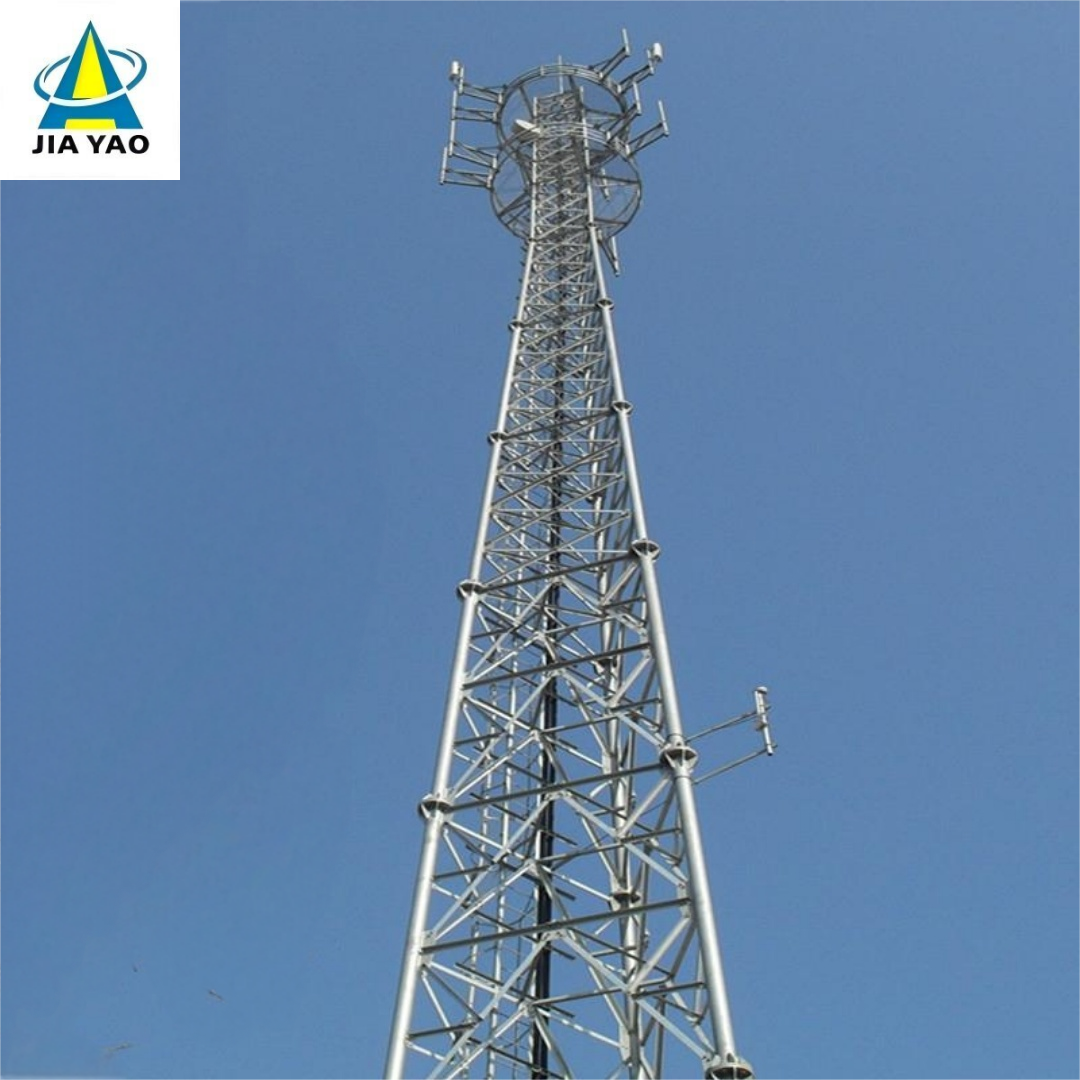
Hot‑dip galvanizing provides excellent rust protection, yet it brings one common engineering challenge: galvanized zinc layer increases thread friction. If not handled properly, it will cause inaccurate torque values.
Thread galling (seizing)
When assembling galvanized bolts, friction between zinc‑coated threads may result in thread locking and galling. Using excessive force will damage threads.
Torque deviation
Identical torque value will produce different pre‑tension force for galvanized vs non‑galvanized bolts. Construction teams cannot directly use torque data for black uncoated bolts.
Apply anti‑seize compound specially formulated for galvanized high‑strength bolts on threads before installation. Avoid ordinary grease which may damage galvanized layers.
Use torque values adjusted for hot‑dip galvanized fasteners provided by tower manufacturer.
Do not use impact wrenches for final tightening; calibrated manual or electric torque wrenches are mandatory.
Component checking before installation
Check bolt grade marking, galvanized surface quality, thread integrity. Reject bolts with cracked zinc coating, burrs or damaged threads. Classify and store Grade 8.8 and Grade 10.9 separately to prevent mixing‑up on site.
Assembly sequence
Insert bolts from inner side to outer side of tower members where possible. One bolt shall be fitted with one nut plus two galvanized washers (one under bolt head, one under nut). Washers must be placed in correct orientation. Do not use ordinary flat washers instead of special hardened washers for high‑strength bolts.
Tightening in two‑pass procedure
First pass: preliminary tightening for all bolts on one joint.
Second pass: final torque tightening following manufacturer‑specified torque figures. Tighten bolts from the center of connection plate toward outside edges, not from outside inward.
Marking after completion
Draw a clear paint marking line across bolt‑nut joint position after reaching target torque. This visual mark allows quick inspection to identify loose bolts in later patrol checks.
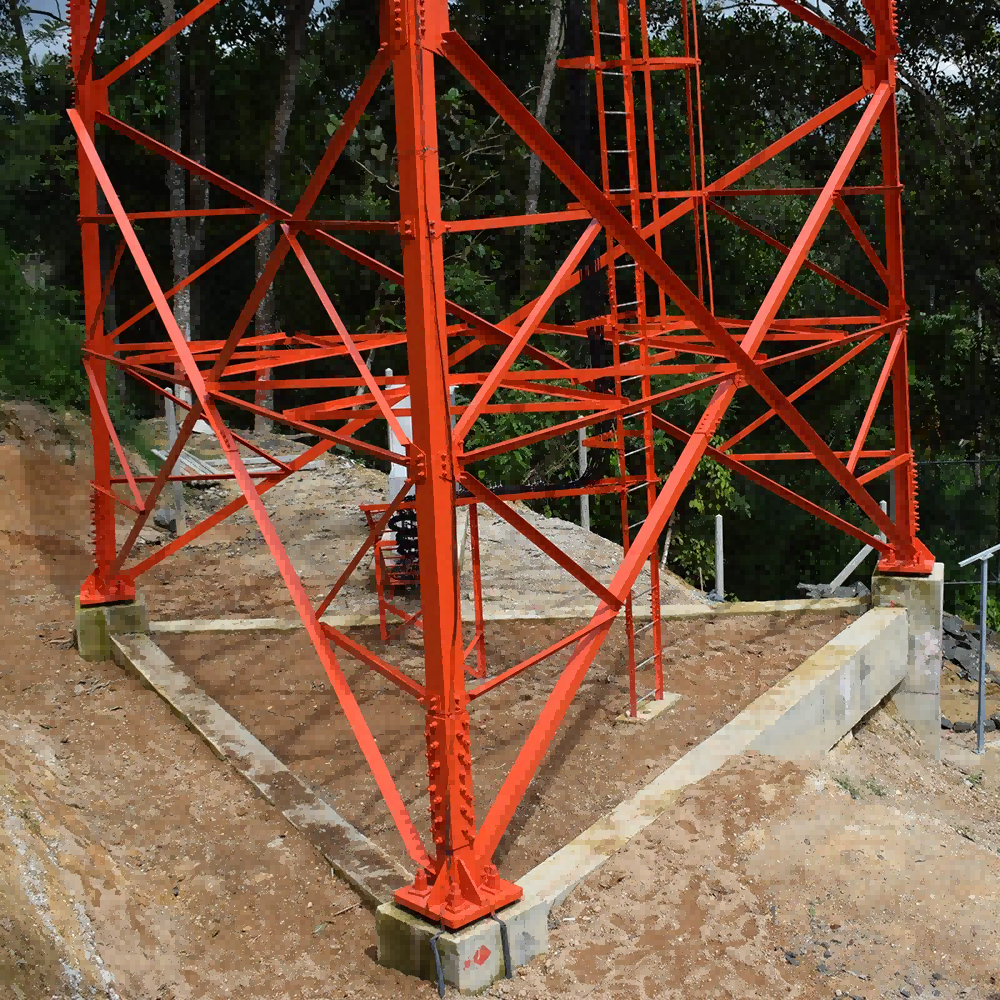
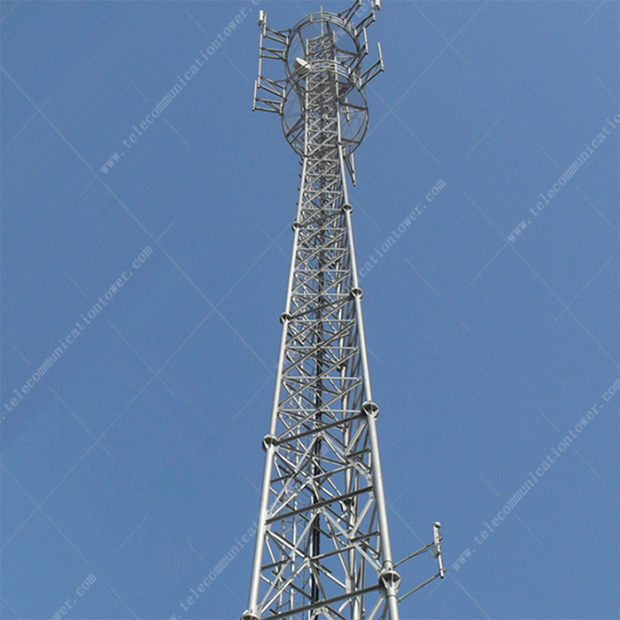
Modular Design 3 Legged Telecom Tower For 5G Private Network Deployment
Grade confusion: Substitute Grade 10.9 main‑joint bolts with Grade 8.8 bolts; mix different‑grade bolts in one connection node.
Wrong tightening tools: Rely on impact wrenches for final tightening without torque calibration. Actual pre‑tension is unknown.
Missing or mis‑placed hardened washers: Omit washers or install washers on only one side.
Re‑using removed high‑strength bolts: Once fully tightened high‑strength friction‑type bolts shall not be disassembled and reused, because pre‑strain will reduce mechanical performance.
Ignore galling risk: Force screw in seized bolts, resulting invisible internal thread damage.
Random sampling inspection: Select no less than 10 % of total bolt quantity for torque re‑check with calibrated torque wrench.
Visual check: Confirm paint marking lines are intact, no bolt/nut rotation displacement.
Record bolt grade distribution, actual torque test data into project acceptance document.
Quarterly visual patrol: Observe paint marking lines; check for bolt loosening, nut rotation, galvanized layer peeling.
Re‑torque work: For newly‑built towers, perform full re‑torque inspection 3‑6 months after commissioning, as material creep and wind vibration may lead to slight pre‑tension loss.
Post‑extreme‑weather inspection: After typhoon, heavy ice or strong earthquake, prioritize checking main‑joint Grade 10.9 bolt status.
**Replacement rule: Replace bolts with serious corrosion, thread deformation immediately; do not simply retighten corroded fasteners.
All high‑strength bolts, nuts and washers are sourced from qualified certified fastener factories. Each batch comes with material test report (MTR) and mechanical performance certificate.
We clearly specify bolt grade distribution and galvanized‑bolt adjusted torque tables within installation manuals.
Strict grade separation packaging to prevent mixing‑up during delivery.
Provide technical guidance for on‑site installation, acceptance criteria and maintenance suggestions.
High‑strength bolts are small‑size but mission‑critical tower components. Confusion between Grade 8.8 and Grade 10.9, incorrect torque tightening and poor on‑site management can introduce latent structural risks. Following design‑specified bolt grades, using calibrated torque tools and completing regular inspection is essential for long‑term tower safety.
If you need technical documents about bolt selection and torque reference for your telecom tower project, please contact JIAYAO for professional support and quotation.