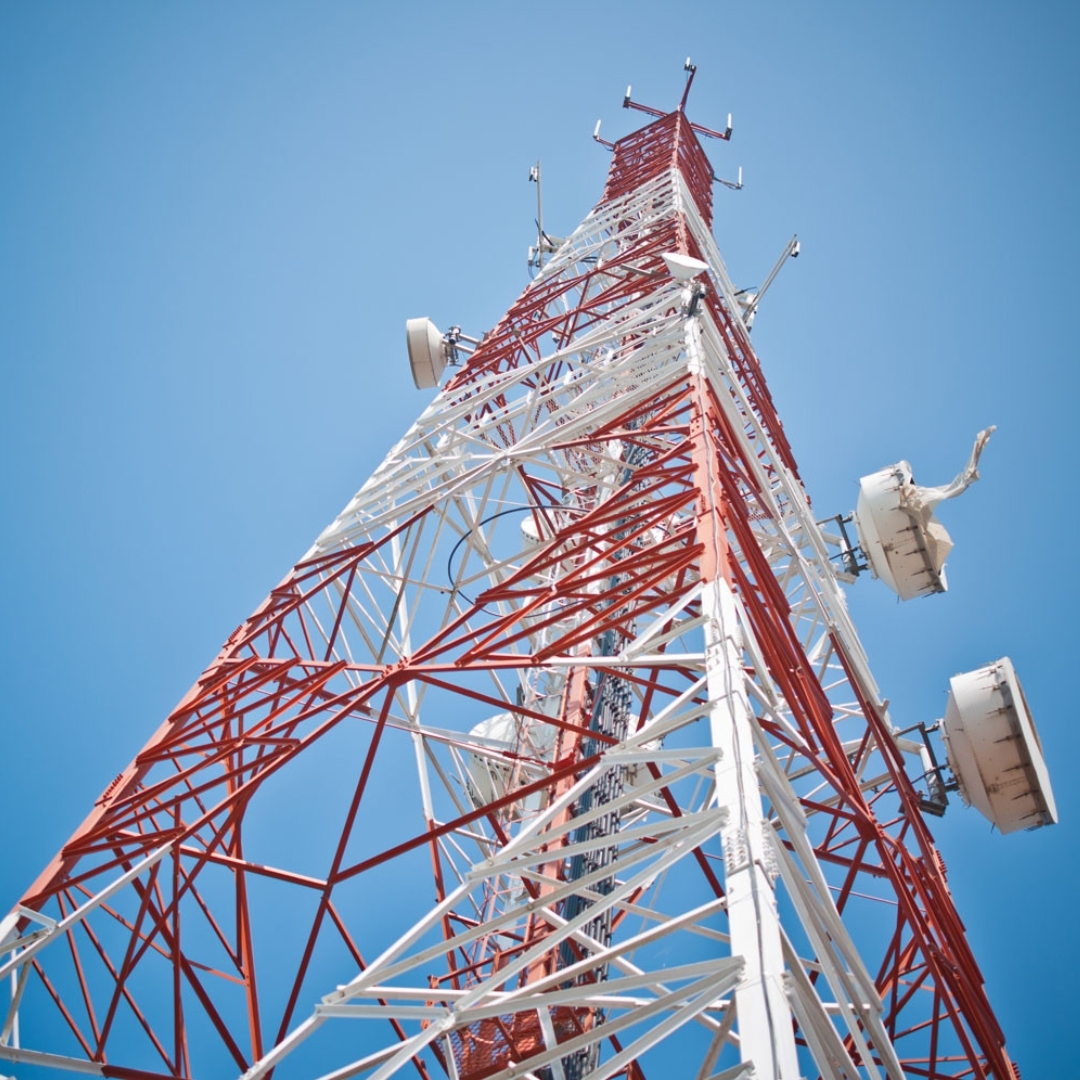
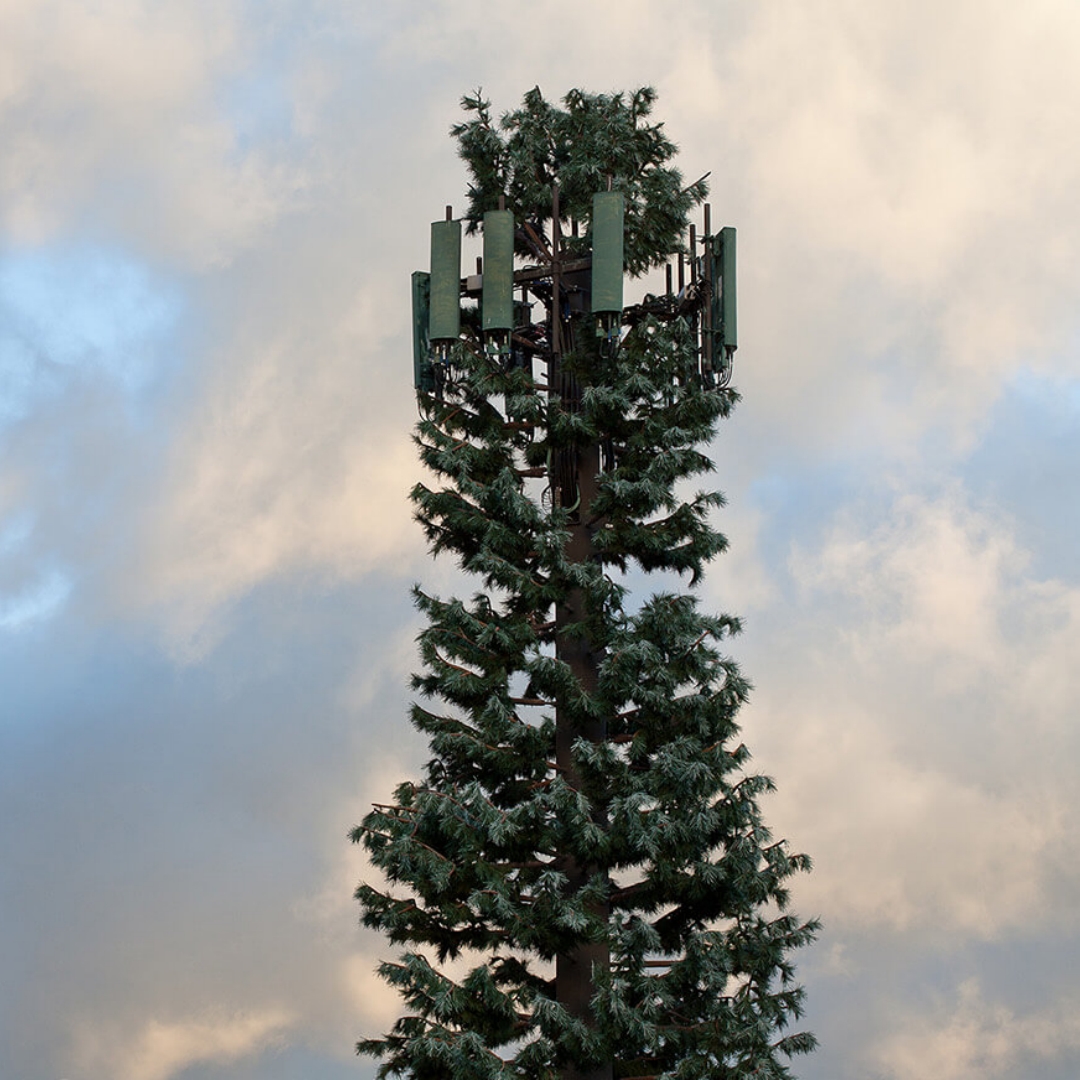
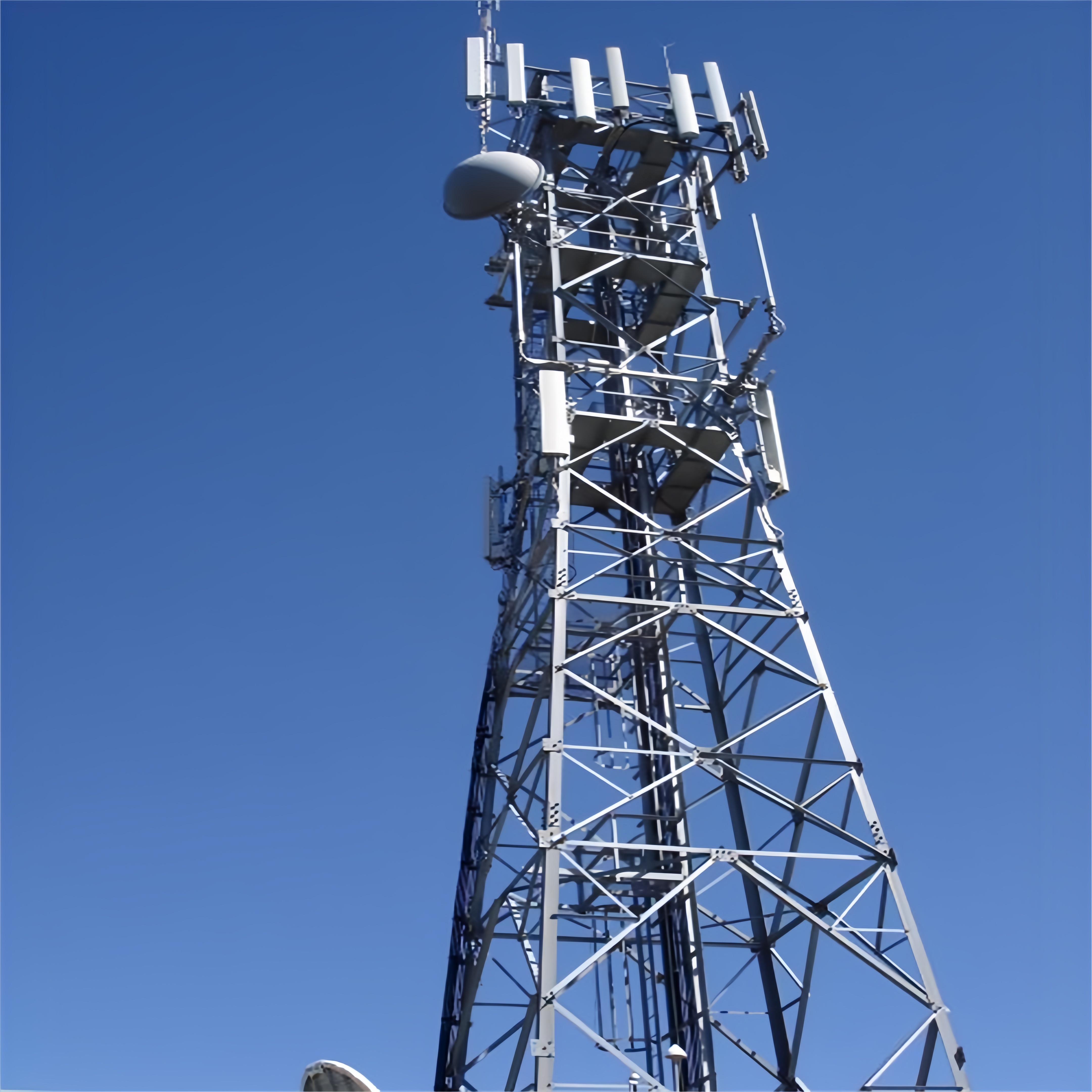
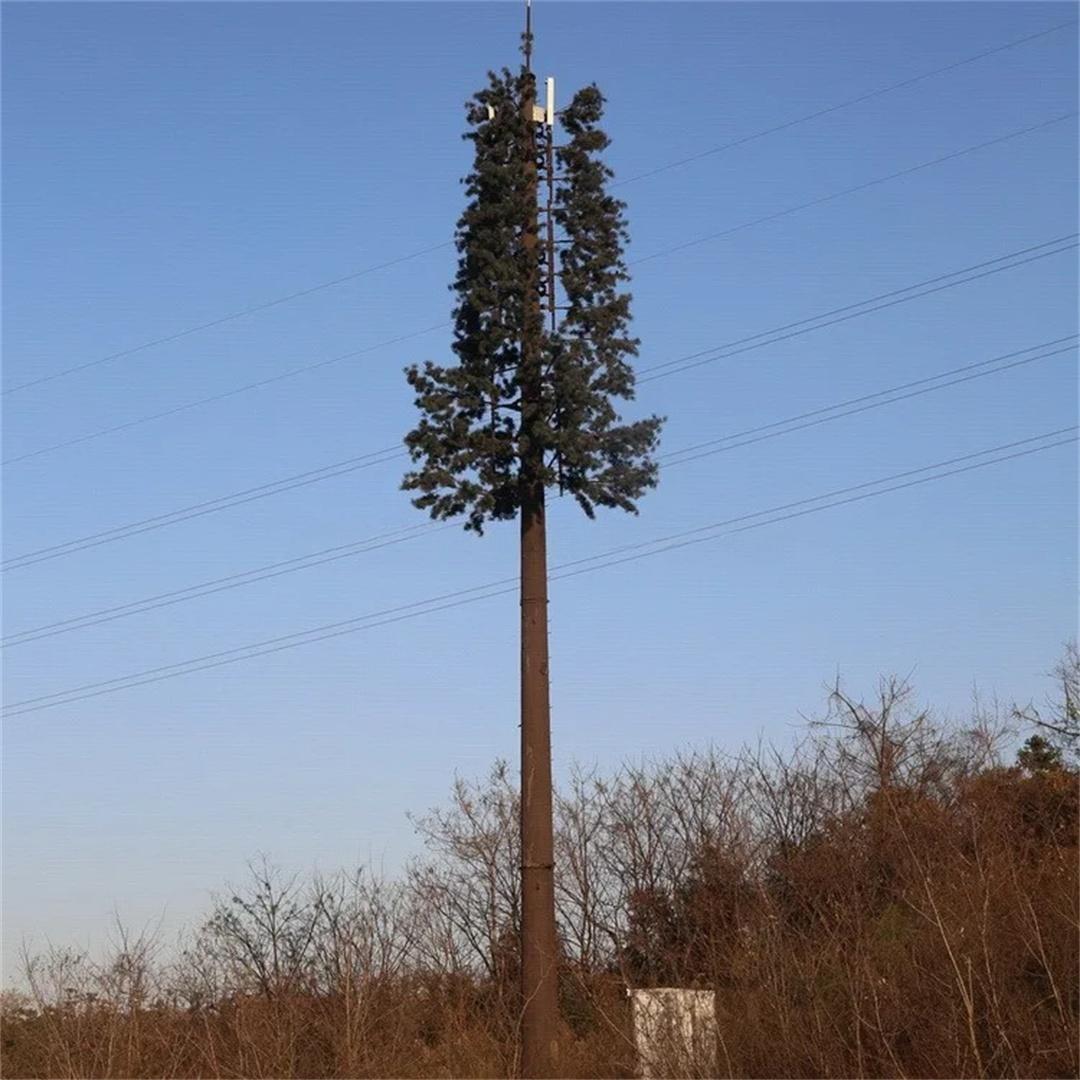
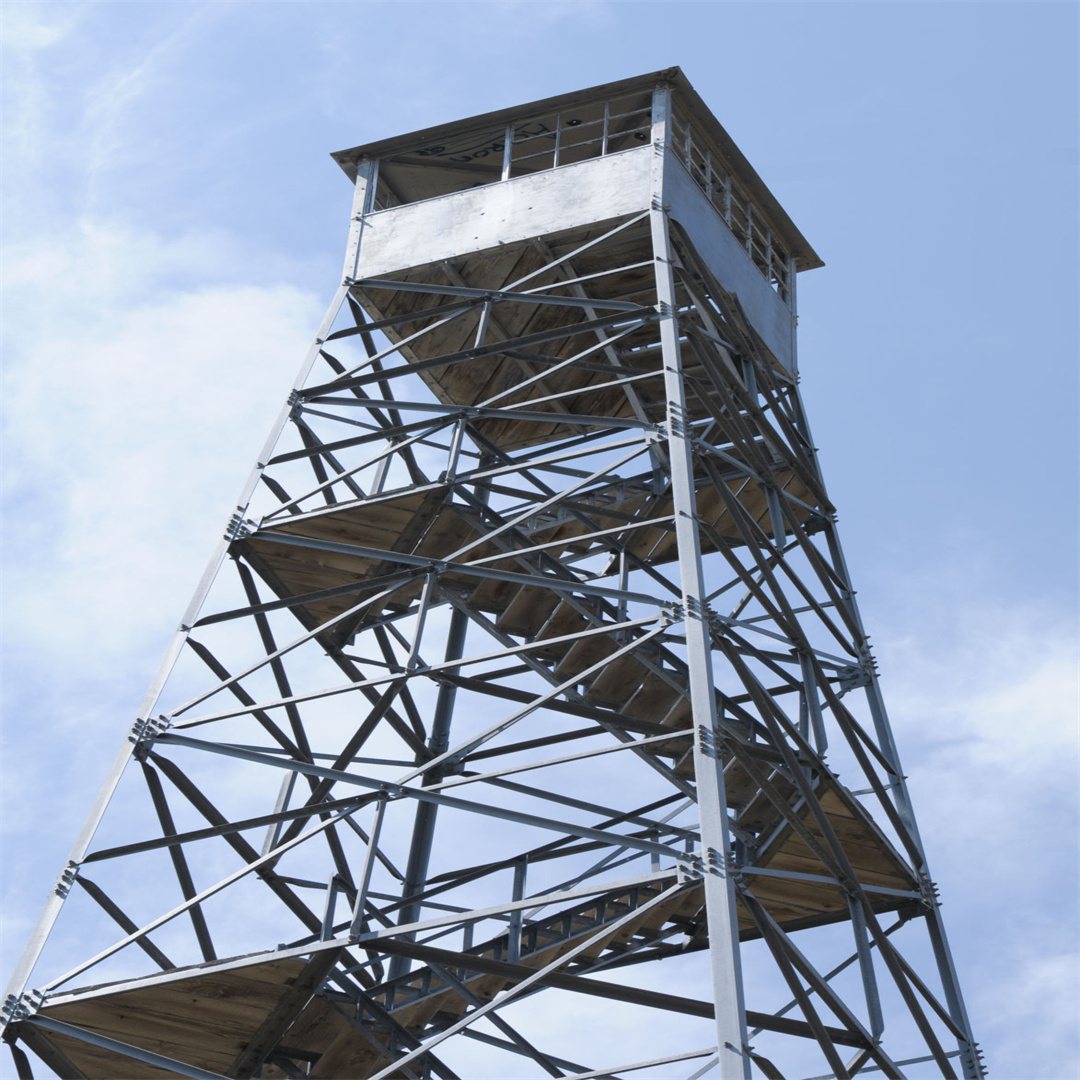
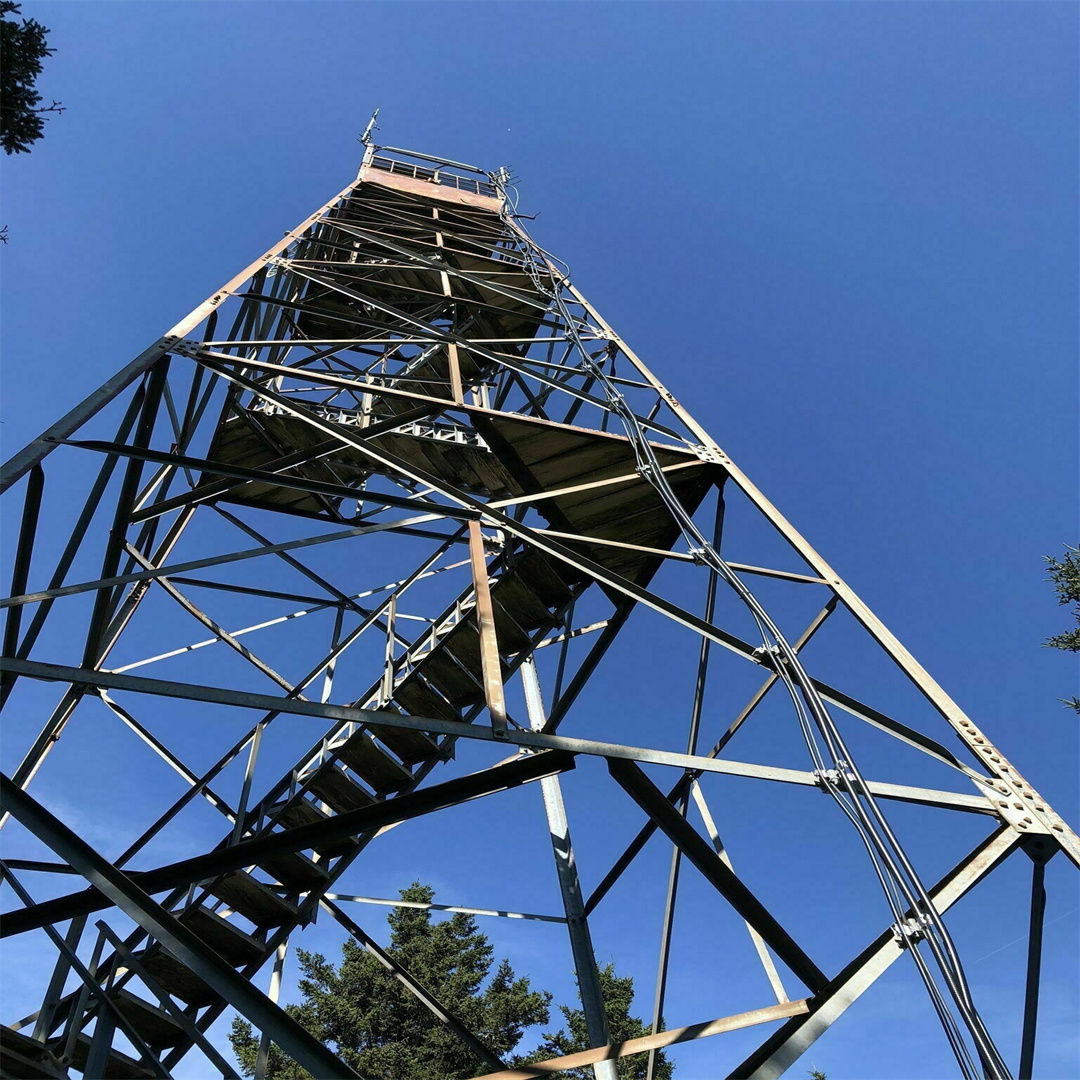
Tall communication towers constitute potential obstacles for low‑flying aircraft, helicopters and drones. Aviation warning marking and obstacle lighting systems are mandatory safety facilities, designed to make towers visible both in daytime and night‑time, so as to avoid aviation collision accidents. Different countries and regions have clear regulatory requirements on tower height threshold, paint marking pattern, obstacle lamp type, layout and brightness.
As a global telecom tower manufacturer, JIAYAO provides complete aviation warning marking and obstacle lighting kits matched to tower specifications, complying with ICAO, FAA and various local civil aviation codes. This article sorts out classification rules, installation specifications, product selection, common mistakes and maintenance suggestions for tower aviation warning systems.
The trigger height varies in different regions, here are widely‑adopted international reference thresholds:
Towers above 45 m height: Generally require both daytime aviation paint marking AND night‑time obstacle warning lights.
Towers between 20 m‑45 m: Subject to local civil‑aviation assessment; obstacle lights may be required near airports, flight paths and helipads.
Towers below 20 m: Usually exempt, unless located inside airport approach zones.
Important note: Always confirm with local civil aviation administration before design and construction. ICAO standards serve as general reference, while national / regional codes take priority for actual projects.

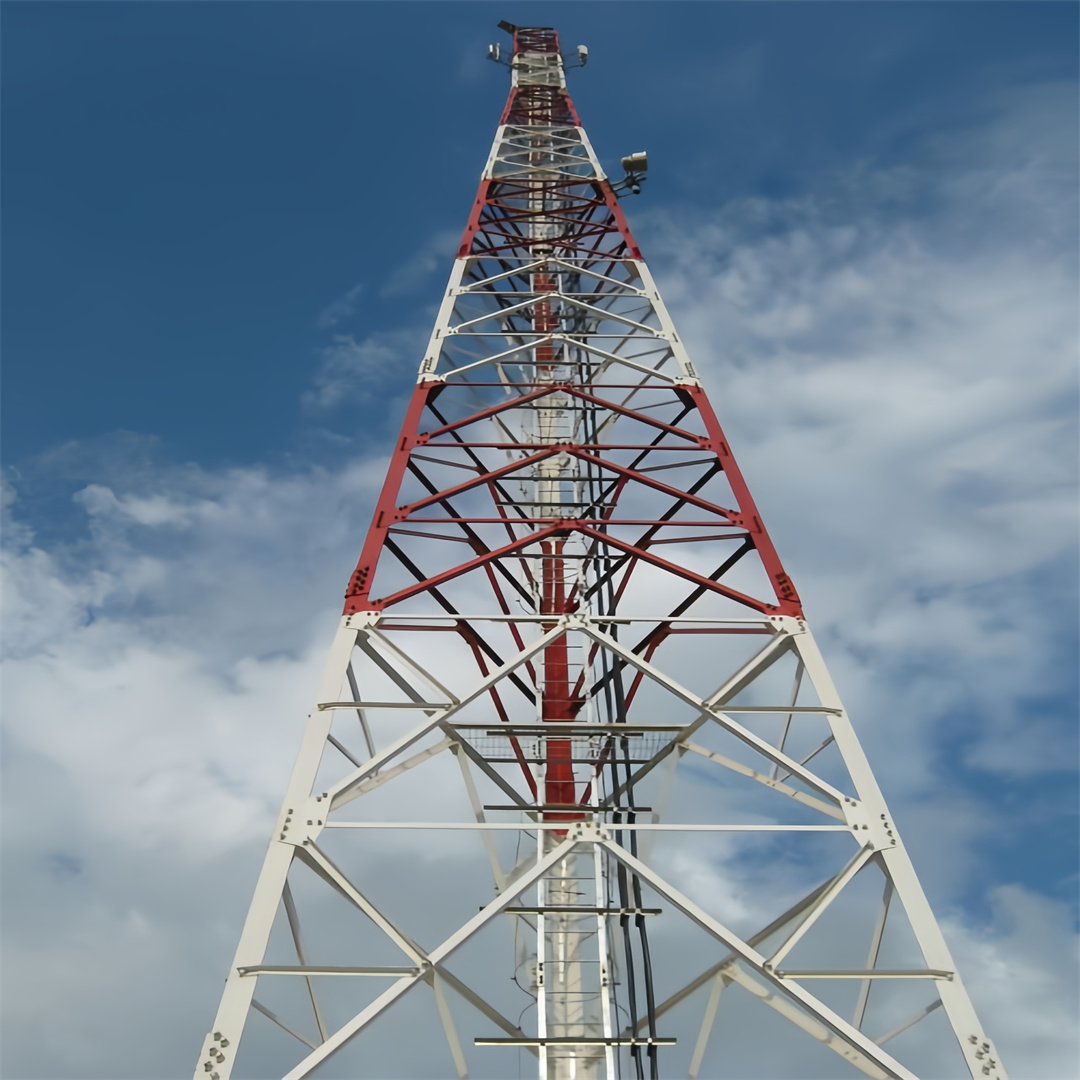
Day marking relies on alternating high‑visibility paint bands to achieve visual recognition under sunlight, without power supply.
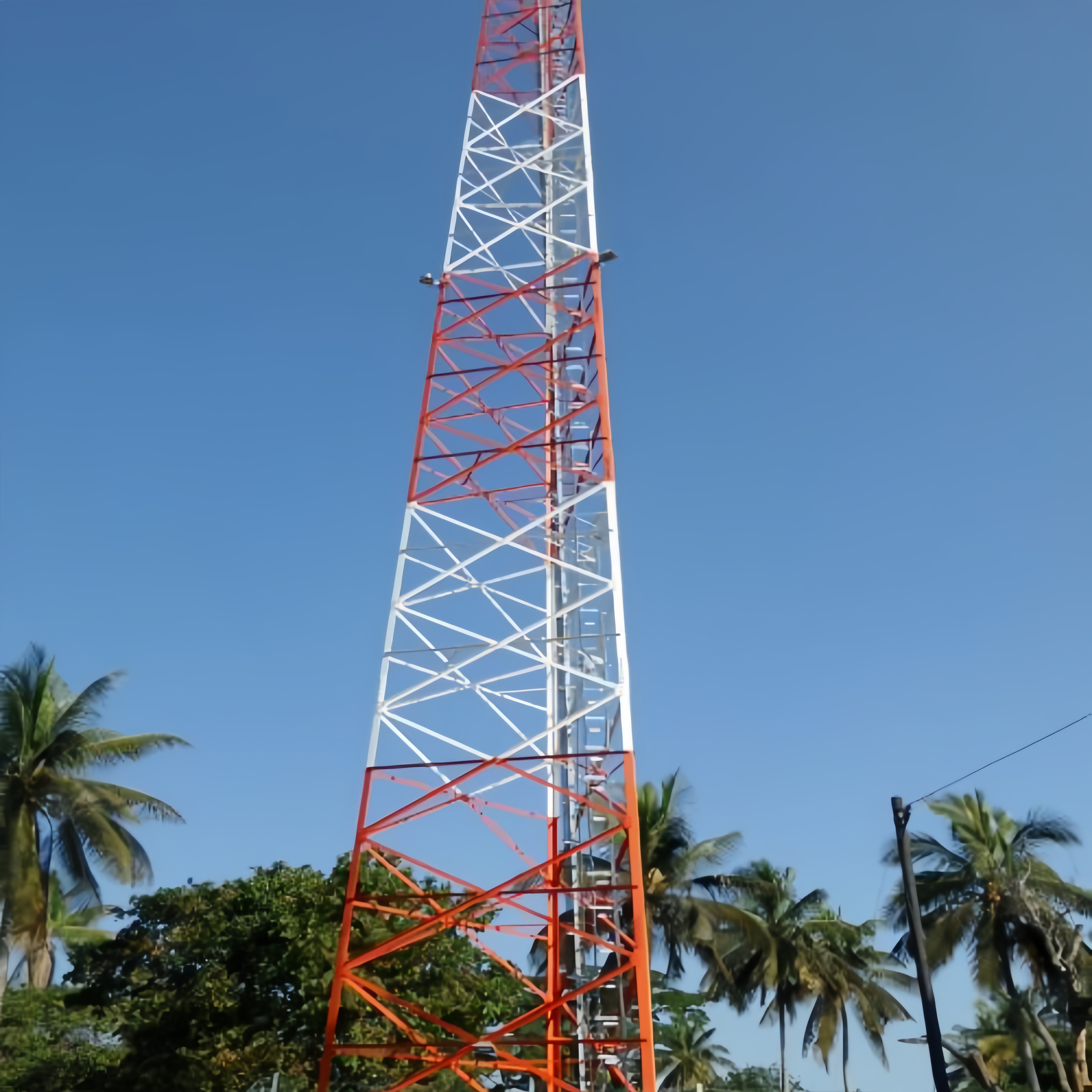
Color scheme: International standard is alternating aviation orange and white (or orange‑grey for coastal high‑salt areas).
Band layout rule: Paint bands are arranged horizontally along tower height. Each band height shall be no less than 1/7 of total tower height, minimum band width not below 6 meters.
Starting from tower top: topmost band is orange; then white, then orange, repeating downwards. The bottom band near ground level shall also be orange.
Material requirement: Use weather‑resistant polyurethane aviation paint, anti‑UV, salt‑spray resistant; repaint cycle 5‑8 years for outdoor exposure.
Application scenarios: Lattice towers, guyed masts, monopole towers that reach regulatory height requirements.
Special reminder: Hot‑dip galvanized raw surface cannot directly adhere aviation paint. Strict surface pre‑treatment is required to guarantee paint service life.
Obstacle lights ensure tower visibility during dusk, night and low‑visibility weather such as fog. According to ICAO, they are divided into low‑intensity, medium‑intensity and high‑intensity types.
1. Low‑intensity obstacle light: Red steady‑burn light. Mainly used for lower obstacles, seldom used alone for telecom towers over 45 m. Mostly act as auxiliary light at tower bottom.
2. Medium‑intensity obstacle light: Red / white flashing lamp. Most widely used for telecom towers of 45 m‑150 m. Flash mode is normally adopted. Installed at multiple height layers.
3. High‑intensity obstacle light: White high‑brightness flashing light. For towers exceeding 150 m, or towers located in key airport approach corridors.
Top‑mounted primary lights: Install a group of main obstacle lights at the absolute highest point of the tower top. Do not be shielded by antennas, crossarms or equipment.
Middle‑layer lights: Add intermediate light layers at every 45 m vertical interval downwards. For lattice towers, lamps are installed around tower perimeter to achieve 360‑degree all‑direction visibility.
Bottom‑layer lights: Set low‑intensity lights near ground for extra warning, especially for guyed towers with guy‑wire obstacles.
Power supply backup: Critical sites require UPS backup power supply, to keep lights working during mains power failure.
AC mains power supply: preferred for permanent macro towers.
Solar‑powered obstacle lights: for remote off‑grid sites, equipped with solar panel and storage battery. Suitable for mountain, desert areas without grid access.

Impact Resistant Lattice Tower For Road Side Vibration Prone Environment
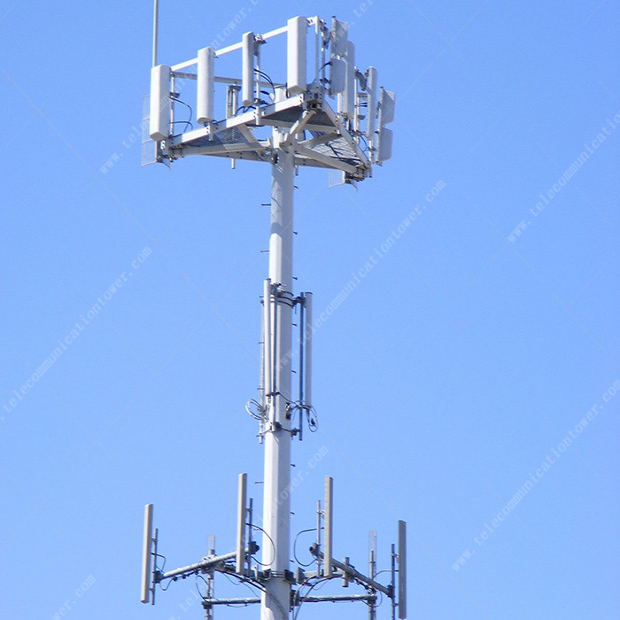
1. Monopole tower: Paint orange‑white alternating bands on pole shaft; install medium‑intensity flashing lamps at top and intermediate height positions. Lamps are fixed on outer brackets avoiding antenna shielding.
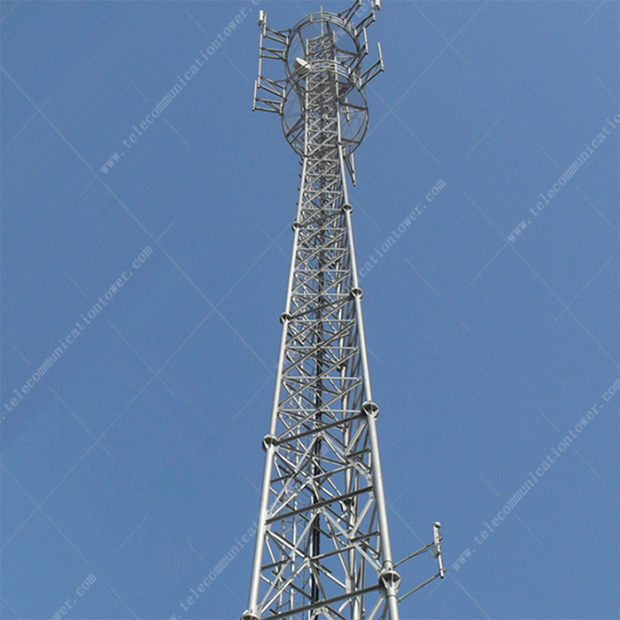
2. 3‑legged / 4‑legged lattice tower: Multiple sets of lamps distributed around tower crossarms at each required height level to realize full 360° coverage. Horizontal paint bands wrap around all tower legs.
3. Guyed wire mast: Tower mast needs marking & lights; additionally install small marker lights on critical guy‑wire anchor points, since guy cables themselves are invisible at night.
4. Rooftop high‑rise tower: If overall building plus tower height exceeds local threshold, install obstacle lights on tower top; coordinate marking requirements with building aviation warning system.
1. Obstacle lights are blocked by antennas, microwave dishes or platform structures, forming blind visual angles.
2. Wrong lamp intensity: using low‑intensity lamps for tall towers which cannot meet recognition distance requirements.
3. Incorrect paint band width or wrong color sequence, e.g. starting band in white instead of orange.
4. No backup power for important sites; lights stop working during power outage.
5. Neglect guy‑wire marking on guyed masts; invisible guy cables become hidden aviation hazards.
6. Skipping aviation warning because the tower height is just below threshold, while the site sits within airport flight zone.
Visual inspection every year: check for paint fading, peeling and chalking.
Complete repaint when color contrast obviously drops; normally every 5‑8 years, shorten cycle for coastal UV‑intensive regions.
1. Monthly remote / on‑site check: Confirm lamp flash status, no lamp burnout. For solar‑powered units, check battery and solar panel condition.
2. Quarterly check cable and fixing brackets: Fasten loose lamp fixtures; inspect cable insulation for aging.
3. Annual full function test: Simulate power failure to verify UPS backup duration.
4. Timely replacement: Failed lamps should be replaced within short time, cannot leave tower without night warning.
JIAYAO provides one‑stop aviation warning supporting packages for all tower products:
Custom paint band design according to ICAO and local civil aviation height requirements; complete pre‑painting technical guidance.
Supply medium / high‑intensity obstacle lights, both AC‑powered and solar‑powered versions.
Pre‑reserved lamp mounting brackets and cable routing holes on tower structure during production.
Provide installation layout drawing showing lamp positions, band height and wiring suggestions.
All kits comply with mainstream international aviation obstacle marking specifications.
Aviation warning marking and obstacle lighting are mandatory safety facilities for tall telecom towers. Improper configuration will bring aircraft collision risk and may lead to project approval rejection. Project teams must clarify local civil‑aviation requirements at early design phase, select correct paint schemes and lamp grades, implement standard installation and carry out periodic maintenance.
If you need aviation warning configuration solution for your telecom tower project, contact JIAYAO for professional technical support and quotation.