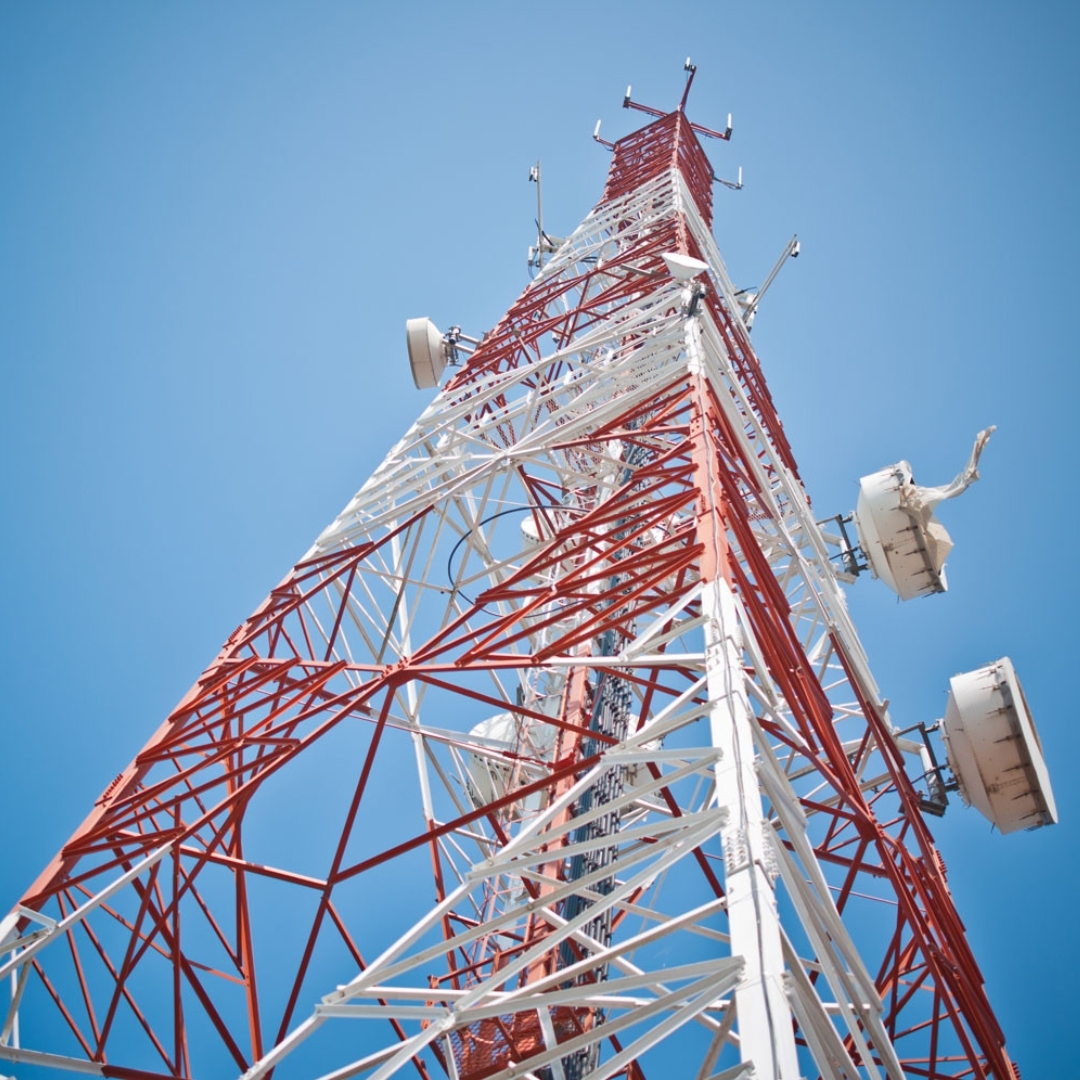
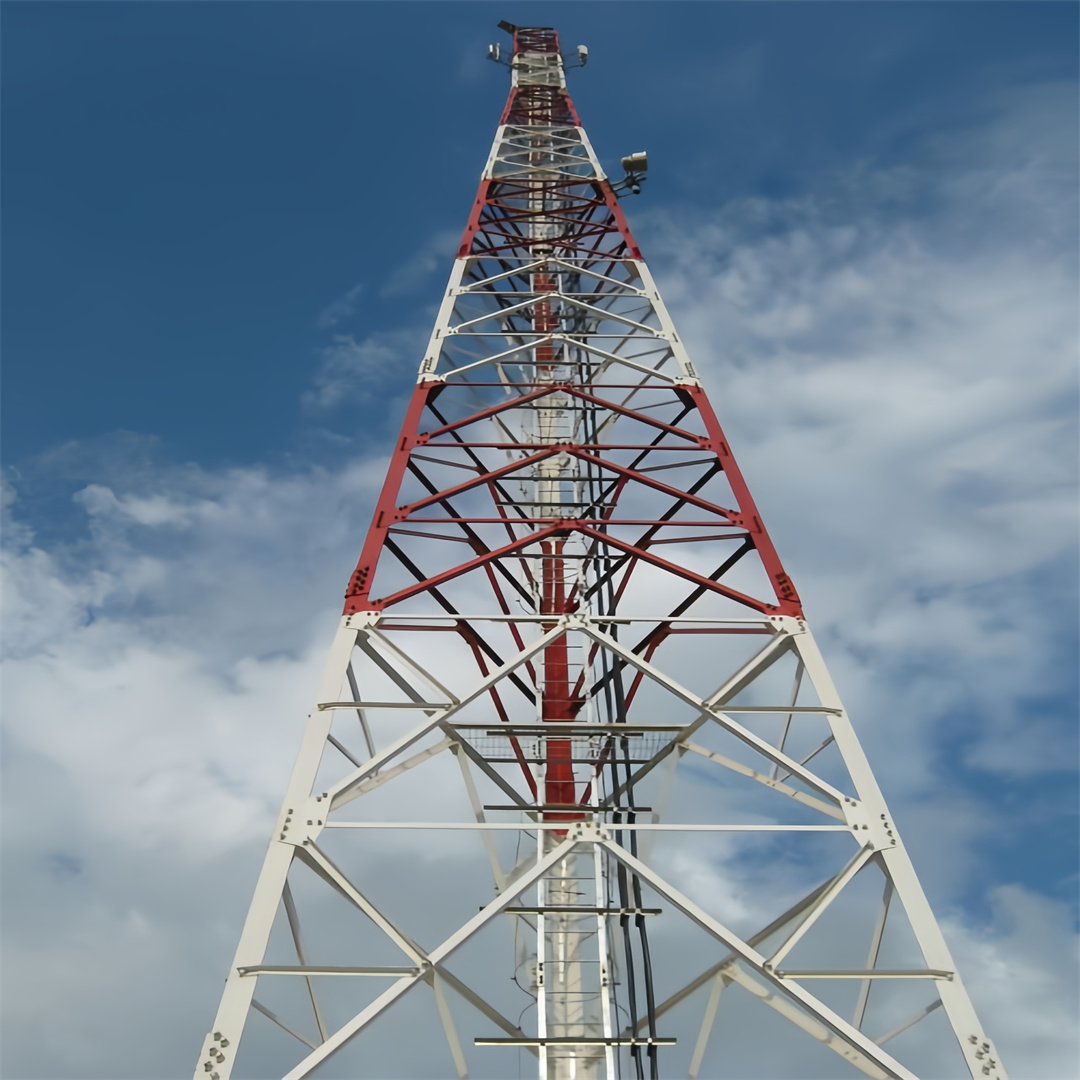
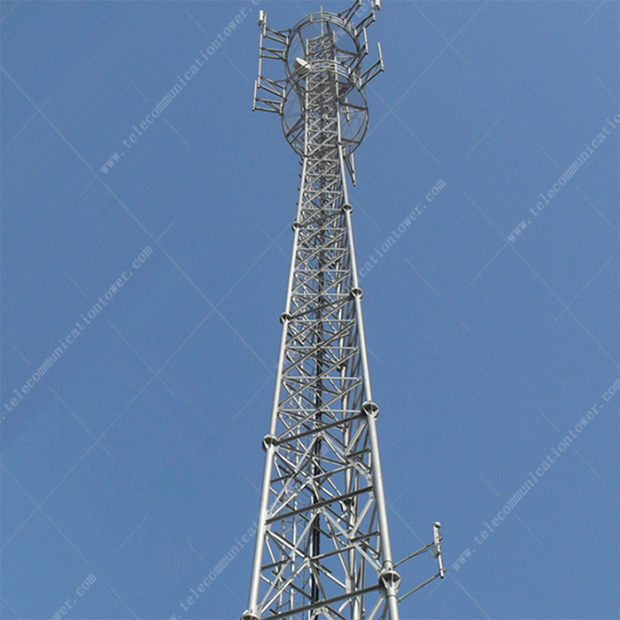
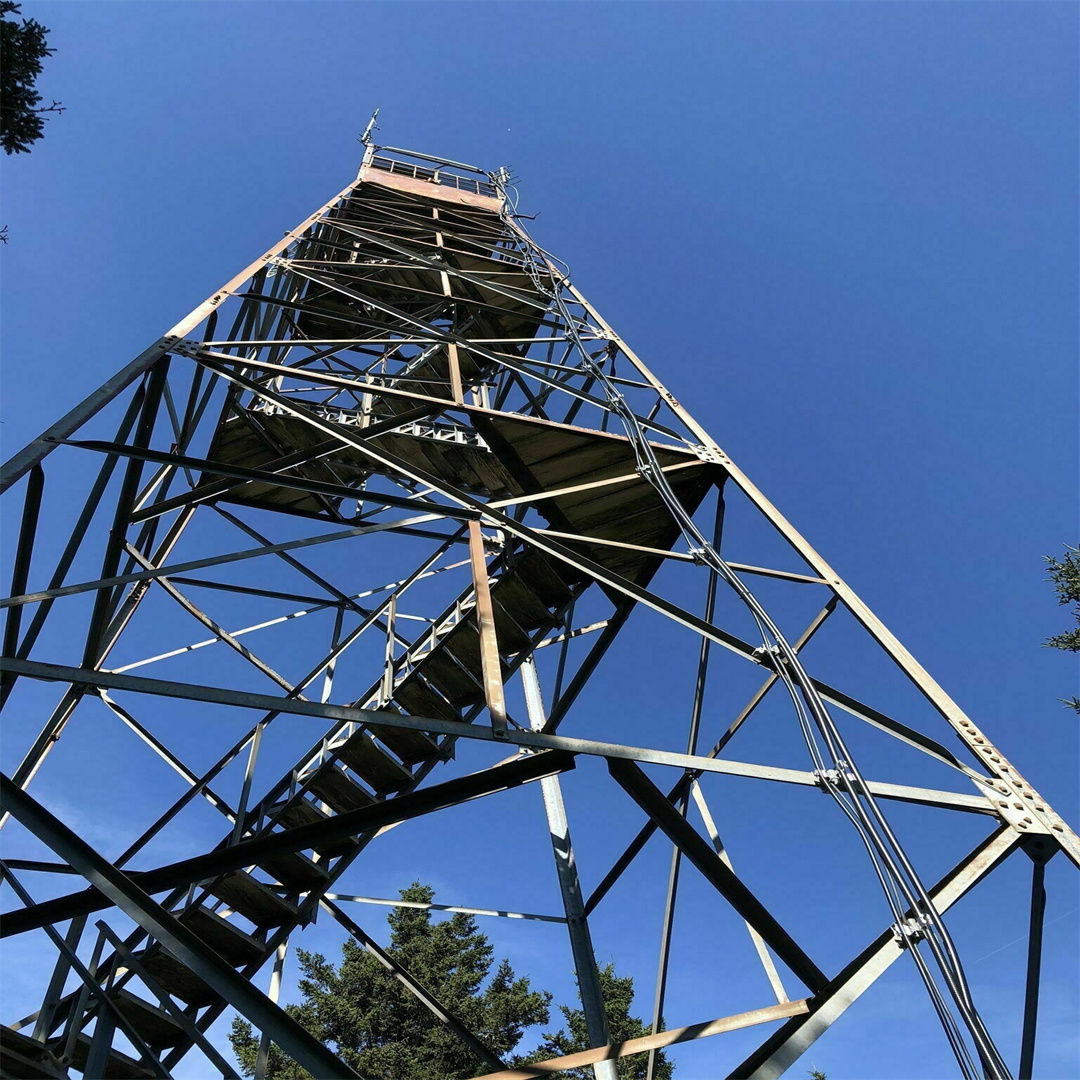
Telecom towers consist of hundreds of discrete steel components: main legs, bracings, crossarms, high‑strength bolts, brackets, ladders and auxiliary security accessories. Poor packaging, improper container loading or rough loading‑unloading operations are frequent causes of galvanized‑layer scratches, component bending, thread damage and lost spare parts. These transport‑induced defects will bring extra repair work, delay site installation and increase overall project cost.
As a telecom tower manufacturer with rich international shipping experience, JIAYAO has accumulated mature packaging and logistics specifications for both domestic delivery and sea‑container export. This article introduces standardized packaging methods, container loading principles, transport risk points and loading‑unloading operation tips for communication tower projects.
Different tower parts adopt targeted packaging solutions to avoid collision and friction during transit.
Long structural members are grouped into bundles, separated by rubber or wood cushion blocks between every two steel pieces, to prevent direct metal‑to‑metal friction that scratches hot‑dip galvanized surfaces.
Each bundle is fastened with high‑strength steel strapping; protective plastic sleeves are added at strapping binding positions to avoid cutting galvanized coating.
Each bundle sticks with a unique identification label: part number, quantity, tower section number and material grade. This greatly speeds up component sorting after arrival at site.
All high‑strength bolts, nuts, washers, small connection plates and screw accessories are packed into sealed plywood cases.
Inside the box, small parts are sorted by specification into separate woven bags. Each bag is marked with part code and quantity.
Waterproof plastic lining inside boxes prevents sea‑salt moisture corrosion during ocean shipping.
Outer box is printed with part list, quantity and warning marks: “Keep Dry”, “Fragile”, “Do Not Drop”.
Antenna brackets, ladder segments, anti‑climb cages and small bent fittings: wrapped with bubble film and woven cloth, bundled separately, avoid extrusion deformation.
Thread‑processed flange holes: use plastic hole‑protection caps to protect screw threads and flange bolt holes from impact and sand contamination.
Thin‑plate accessories: stacked with rubber gaskets between layers to prevent denting.
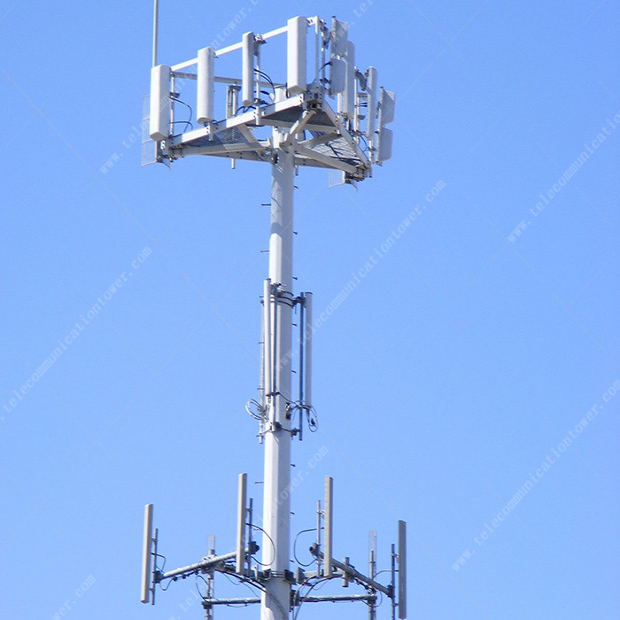
Monopole shaft sections are long heavy‑duty components.
Both ends of each pole are fitted with plastic end caps to protect flange faces and inner cavity.
Outer surface wrapped with thick woven fabric; rubber cushion pads at lifting sling contact positions.
Long poles are fixed on special transport supports, avoid direct stacking on each other.

Most overseas tower projects use 20GP / 40GP / 40HQ standard shipping containers. Reasonable loading maximizes container utilization and avoids component damage inside containers during sea vibration.
1. Heavy parts at bottom, light parts on top
2. Place heavy steel bundles at the bottom of container. Light‑weight small‑accessory plywood boxes are stacked on upper layers. Never place heavy steel members onto bolt boxes or thin fittings.
3. Gap filling and firm fixing
4. Use wooden battens, wooden wedges and air‑bags to fill gaps between component bundles. All bundles must be firmly blocked to prevent shifting, sliding and collision caused by ship shaking in ocean transit. Loose shifting inside container is one of the top causes of component damage.
5. Separate sharp‑edge components
6. Sharp‑cut ends of angle‑steel members shall be wrapped, to prevent tearing packaging bags and scratching other components inside the container.
7. Moisture‑proof configuration for sea freight
8. Place container‑desiccant bags inside closed containers, especially for long‑term ocean transportation in high‑humidity marine environments, to reduce white‑rust risk on galvanized surfaces.
9. Container loading list matching
10. Each container has a detailed packing list, marking which component bundles and boxes are loaded inside. Photos will be taken during loading for customer reference.
1. Galvanized coating scratch & abrasion
2. Caused by mutual friction between steel parts without cushion protection. Minor scratches need zinc‑rich paint repair on site; large‑area damage shortens tower anti‑corrosion service life.
3. Component bending and deformation
4. Improper stacking, over‑weight stacking or insufficient fixing in container will deform bracings, crossarms and flange ends. Deformed members cannot be assembled on site and require re‑processing.
5. Thread and bolt‑hole damage
6. Without hole‑protection caps, sand, impact and extrusion damage flange holes and bolt threads, bringing big trouble for high‑strength bolt assembly.
7. Lost or mixed‑up parts
8. Poor labeling and chaotic packing lead to missing small bolts or fittings, which will suspend on‑site installation progress.
9. White rust (storage stain)
10. When galvanized steel parts are tightly wrapped and trapped in humid sea‑air without ventilation, white rust may appear. It is surface‑level zinc‑oxide and can be cleaned; but long‑term damp storage shall be avoided.
Even well‑packaged towers can be damaged in loading‑unloading links. Follow these rules:
1. Use soft‑material lifting slings (nylon sling), avoid directly using steel wire ropes contacting galvanized surfaces. Steel wire rope easily scratches zinc layers.
2. Do not drop, throw or roll steel bundles down from trucks or containers.
3. After unloading, place steel bundles on sleepers or wooden pallets, keep components off wet muddy ground. Do not lay steel parts directly on soil.
4. After container opening, check all components against packing list immediately. Check for deformation, scratch and missing parts before signing for acceptance. Report transport damage to freight forwarder at once if found.
5. For long‑term open‑air storage on construction site: keep bundles raised off ground, cover with waterproof tarpaulin, and maintain partial ventilation to reduce white‑rust risk. Do not seal‑wrap tightly without air circulation.
1. Check total quantity against packing list: main members, bracings, bolt boxes, brackets and auxiliary security parts.
2. Visual inspection: check for bending, twisting, dent deformation of steel components.
3. Check galvanized surface: large‑area scratches, collision dents, coating peeling.
4. Check flange holes and threads: whether hole‑protection caps are intact, no collision deformation.
5. Check bolt boxes: waterproof condition, whether inner small accessories are complete.
Suggestion: Complete acceptance inspection within 7 days after container opening. It is difficult to distinguish transport‑caused damage from on‑site storage damage after long‑time stacking.

Impact Resistant Lattice Tower For Road Side Vibration Prone Environment
1. Standard export‑oriented packaging process: cushion rubber, anti‑scratch protection, independent bolt plywood boxes, hole‑protection caps for all flanges.
2. Professional container‑loading team: reasonable layout, wooden wedge fixing, desiccant for sea shipment, loading photos provided.
3. Clear‑marking part labels and container packing lists, convenient for site receiving and sorting.
4. Provide packaging scheme adjustment according to customer’s transport mode: container sea‑freight, bulk cargo ship, domestic truck transportation.
5. Remind customers of receiving‑inspection requirements and outdoor storage suggestions after goods arrive at destination port.
Packaging, transportation and loading‑unloading are easily overlooked links in telecom tower projects. Bad logistics handling will produce hidden component damage and delay construction progress. Standardized packaging, scientific container fixing and standardized receiving‑check can effectively reduce transport‑related losses.
If you have overseas telecom tower procurement projects, JIAYAO can provide professional packaging and loading solutions together with tower manufacturing. Contact us for detailed quotation and technical support.