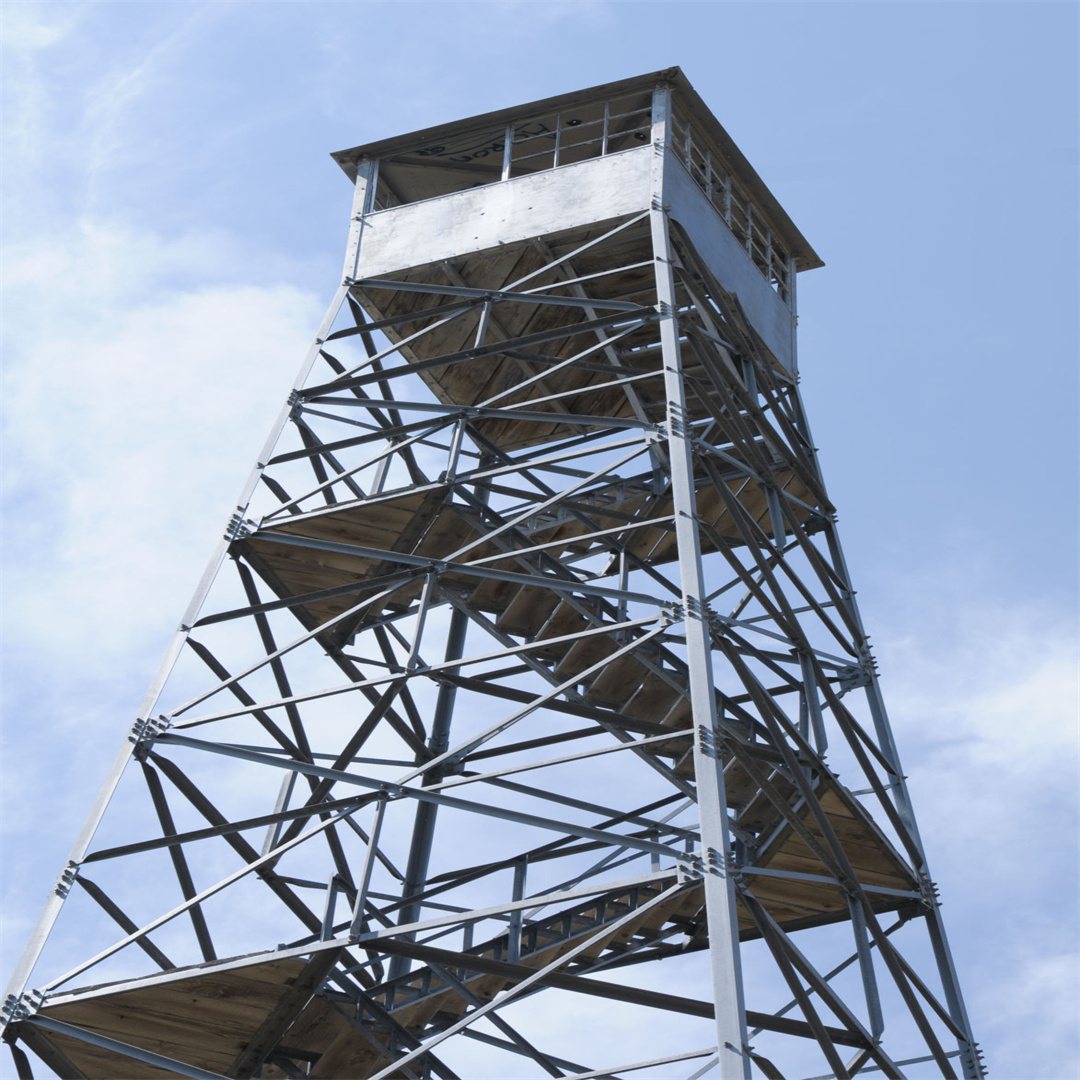
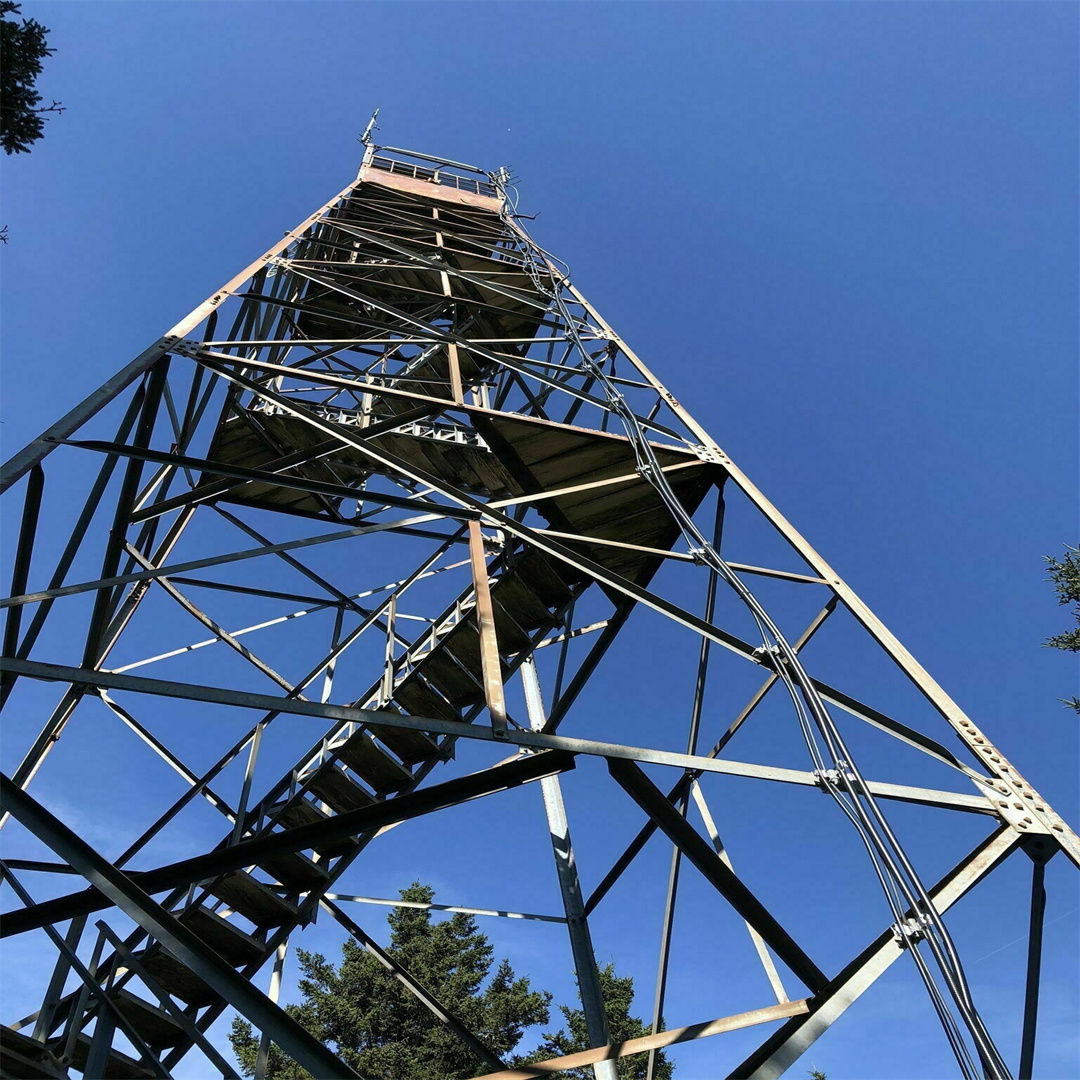
Soil‑bearing capacity refers to the maximum pressure that underground soil layers can safely withstand without excessive deformation, settlement or shear failure. It is one of the core parameters for telecom tower foundation design. Even a well‑calculated and well‑manufactured tower may suffer tilt, uneven settlement or even collapse if built on sites with insufficient soil‑bearing capacity.
As a telecom tower manufacturer with rich global project experience, JIAYAO emphasizes the importance of geotechnical investigation before foundation construction. This article clarifies basic engineering knowledge of soil‑bearing capacity, analyzes typical soil conditions, common risks, survey requirements and practical site‑selection suggestions for telecom tower projects.
When a telecom tower is put into service, the foundation transfers combined loads including tower self‑weight, antenna equipment weight, wind load, ice load and seismic load to the underground soil.
Allowable soil‑bearing capacity: The safe pressure value that soil can bear under long‑term service, with enough safety margin to prevent plastic deformation.
Key risks from insufficient bearing capacity: Overall foundation sinking, differential uneven settlement, foundation overturning and excessive tower tilt.
General reference threshold: For most self‑supporting telecom towers, the recommended minimum allowable soil‑bearing capacity is ≥100 kPa. Tall heavy‑load towers require higher values up to 180 kPa or above.
Different soil layers show huge differences in bearing capacity, consolidation performance and anti‑overturning ability.
Bearing capacity range: 180 kPa‑350 kPa
Features: High strength, low compressibility, small settlement after construction, good drainage performance.
Application: The most ideal site soil for all kinds of monopole, lattice and guyed towers. Conventional pad foundations can meet most design requirements.
Notes: Watch out for loose sand layers below the surface, which may reduce actual bearing capacity.
Bearing capacity range: 120 kPa‑250 kPa
Features: Medium‑high bearing capacity; easy to produce shrink‑swell deformation under water content change.
Application: Suitable for most medium‑height communication towers.
Notes: Need to evaluate expansion‑contraction risk. Keep foundation pit away from long‑term water immersion.
Bearing capacity range: 40 kPa‑80 kPa
Features: High water content, large compressibility, long‑term continuous settlement, low shear strength.
Risk warning: Not suitable for conventional pad foundation. If you must build here, deep pile or drilled‑shaft foundation is required. Ordinary shallow foundation will cause serious uneven settlement.
Bearing capacity range: 50 kPa‑150 kPa (depends on compaction quality)
Features: Performance varies greatly. Poorly compacted fill will produce large post‑construction settlement.
Notes: Old compacted fill may be usable; newly dumped uncompacted backfill must be removed and replaced. Do not place tower foundation directly on loose fill layers.
Bearing capacity range: >300 kPa
Features: Extremely high bearing capacity, minimal settlement.
Application: Excellent for all tower types. Can adopt rock‑anchored foundation to reduce concrete volume.
Notes: Check for broken fracture zones on rock surface.

1. High underground water table
2. Groundwater saturates soil, lowers effective bearing capacity and increases uplift force on the foundation. Silt and fine sand sites may face liquefaction risk under earthquake conditions.
3. Sloping hillside and slope‑edge sites
4. Even if surface soil looks solid, slope creep or landslide hidden danger may exist. Tower foundations should keep sufficient safety distance from slope edges.
5. Hidden old pits, pond silt and underground cavities
6. These underground defects cannot be judged only by surface observation. Without borehole exploration, foundations may sink into hidden soft zones.
7. Frozen soil in cold regions
8. Seasonal frozen soil produces frost heave in winter and thaw settlement in summer. Special anti‑frost‑heave foundation depth design must be adopted.
Geotechnical survey is not optional but essential for formal tower projects. Standard survey deliverables should contain the following information:
1. Stratigraphic distribution of each borehole, thickness of different soil layers.
2. Allowable bearing capacity of each soil layer, compression modulus parameters.
3. Underground water table elevation and water chemical corrosion grade to concrete and steel rebar.
4. Soil frost depth (for cold zones), seismic liquefaction evaluation.
5. Clear engineering suggestion for recommended foundation type and embedded depth.
Important reminder: Surface visual inspection cannot replace borehole geotechnical survey. Many sites look flat on the ground but have soft weak layers several meters below.

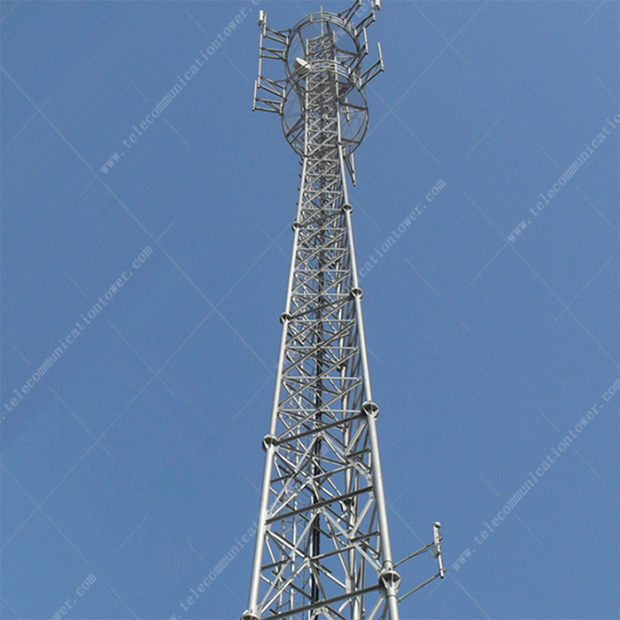
Modular Design 3 Legged Telecom Tower For 5G Private Network Deployment
1. Prioritize sites with gravel, dense sand, stiff clay or bedrock. Avoid silt, mud and uncompacted fill if possible.
2. Stay away from pond edges, old pits, landslide‑prone slopes and flood‑prone low‑lying zones.
3. For high‑water‑table sites, calculate buoyancy uplift force; select pile foundation or increase foundation weight for anti‑uplift.
4. In seasonal frost areas, foundation embedded depth must be below local maximum frost depth to prevent frost heave damage.
5. If bearing capacity is lower than design requirement, do not simply enlarge pad size. Switch to deep pile foundation or soil‑replacement treatment under professional geotechnical advice.
1. Omit geotechnical survey and directly use standard foundation drawings from other projects. Soil conditions vary greatly even within several hundred meters. Copying foundation design will bring huge hidden risk.
2. Build tower on unprocessed pond‑fill or waste‑fill ground, relying only on larger concrete slab area.
3. Ignore underground water uplift load, leading to foundation floating risk for guyed towers under large uplift force.
4. Ignore frost‑heave depth in cold regions, foundation base located inside frozen active layer.
Soil Condition | Recommended Foundation |
Gravel / dense sand / stiff clay (≥100kPa) | Reinforced concrete pad foundation |
Soft silt, muddy soil | Pile foundation / drilled shaft foundation |
Bedrock outcrop or shallow bedrock | Rock anchor foundation |
High uplift force for guyed tower | Weighted block anchor or pile‑type anchor foundation |
Seasonal frozen soil | Deepened foundation below frost line, anti‑frost‑heave treatment |
JIAYAO’s engineering team can provide foundation drawing reference according to customer‑provided geotechnical survey reports:
Review customer geotechnical documents and give professional suggestions for foundation selection.
Provide standard foundation calculation basis and construction drawing templates.
Remind customers to complete third‑party geotechnical borehole survey before civil construction.
Customize tower‑foundation matched solution for special sites such as coastal soft soil, mountain rock and frozen ground.
Soil‑bearing capacity is the starting point of safe telecom tower foundation design. Different soil types have very different mechanical properties. Skipping geotechnical investigation and blindly applying universal foundation drawings is a major safety hazard.
Project teams should complete formal borehole geotechnical survey at the early site‑selection stage, select reasonable foundation form matching local soil parameters, and avoid tower tilt, settlement or foundation failure.
If you have geotechnical reports and need engineering advice for your telecom tower project, please contact JIAYAO for professional technical support and quotation.