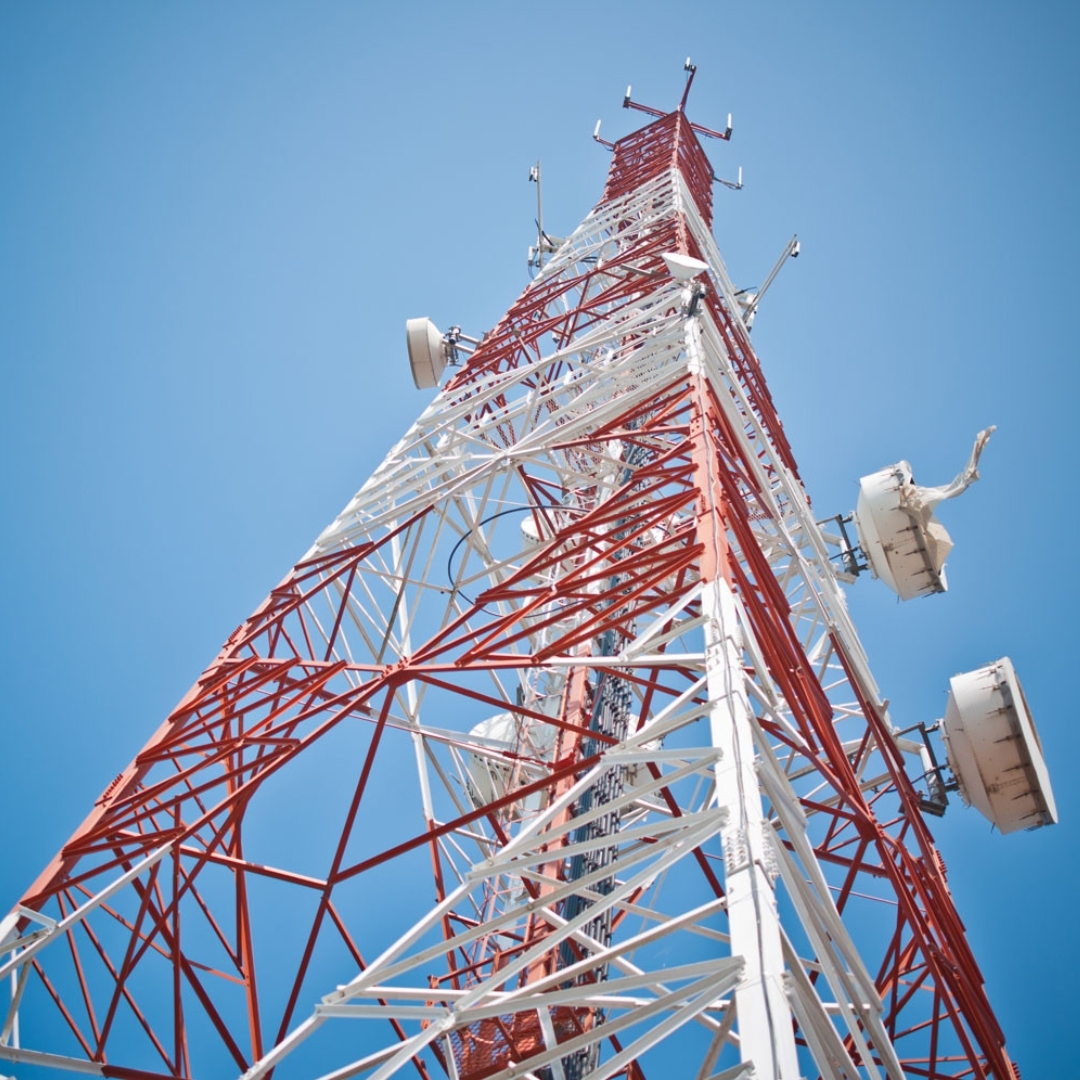
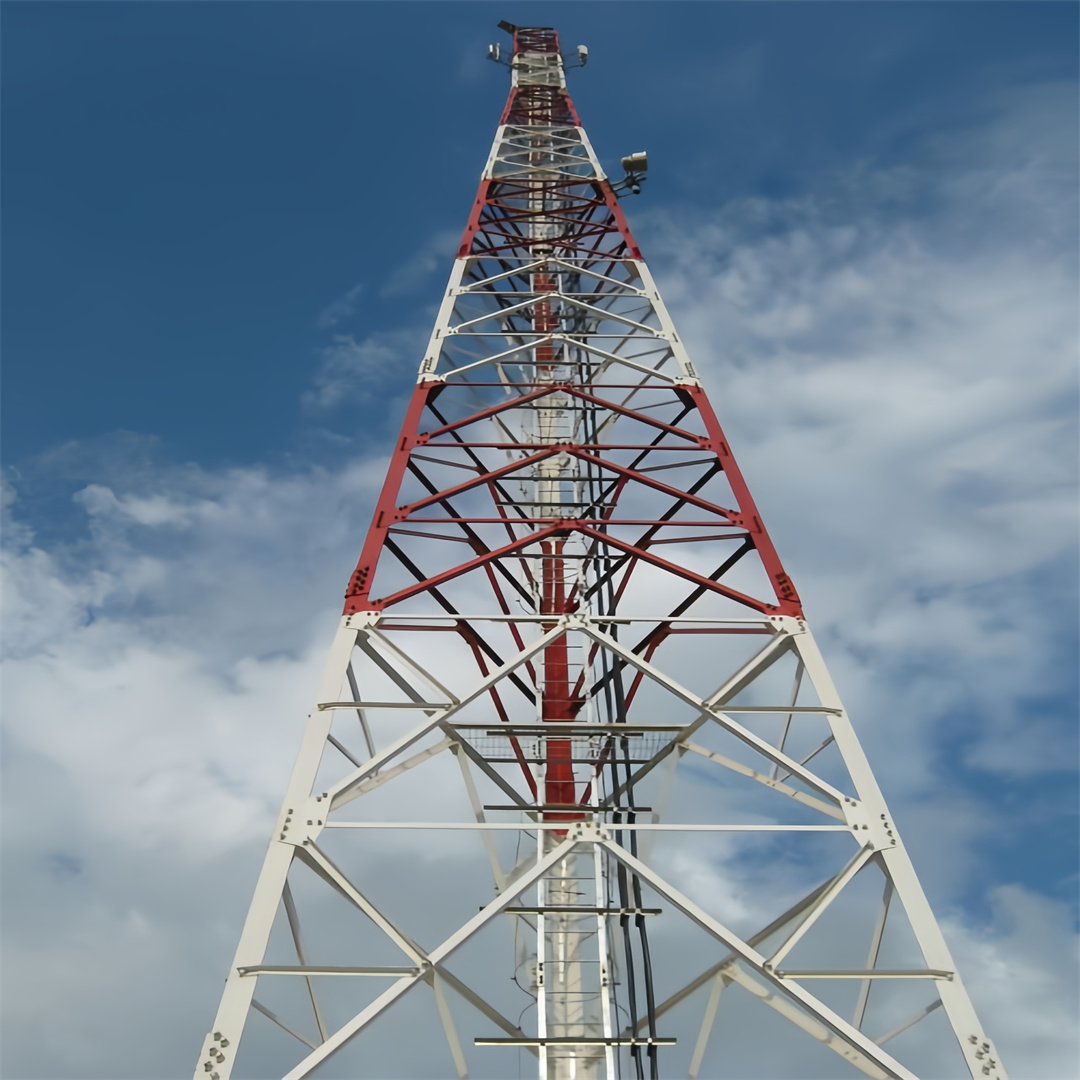
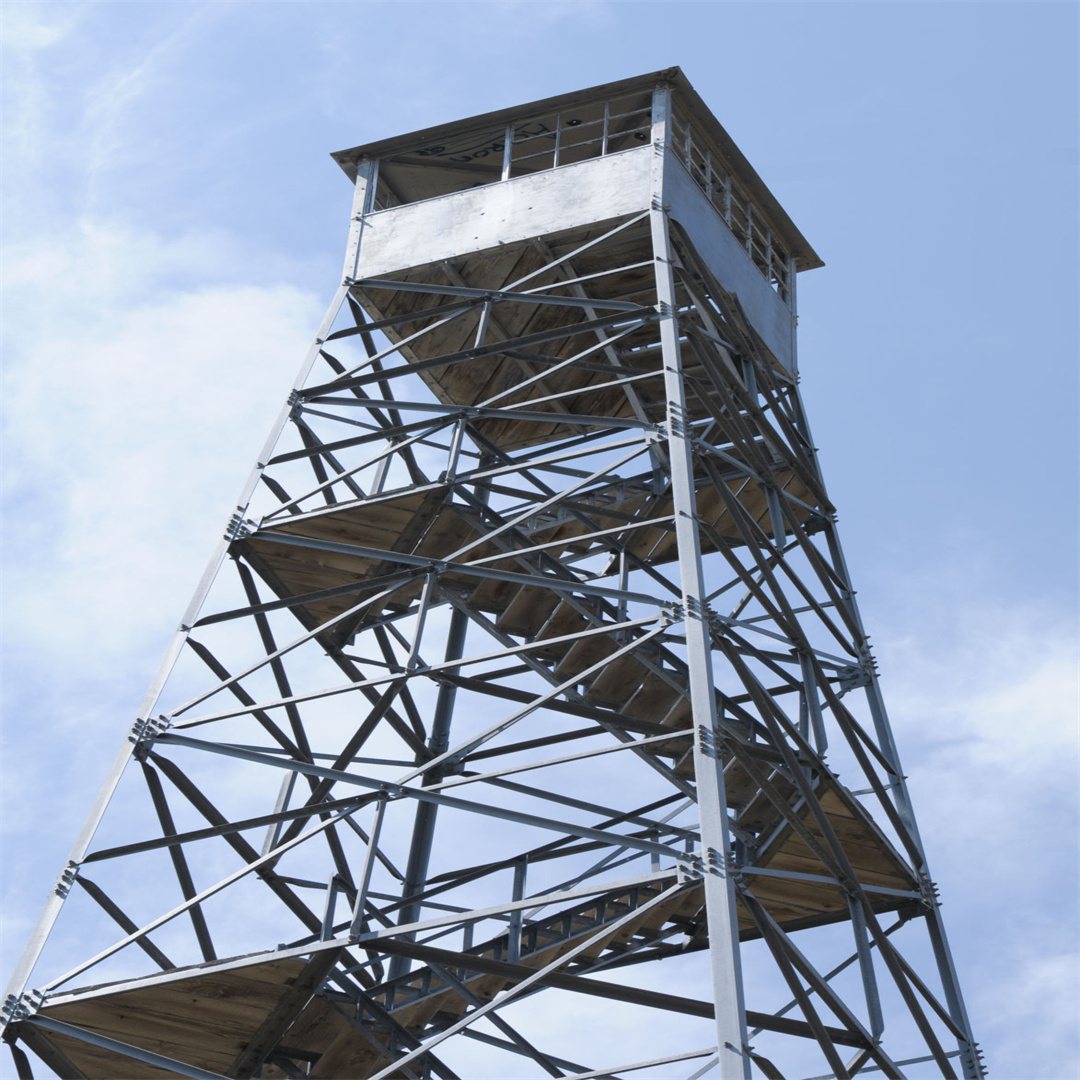
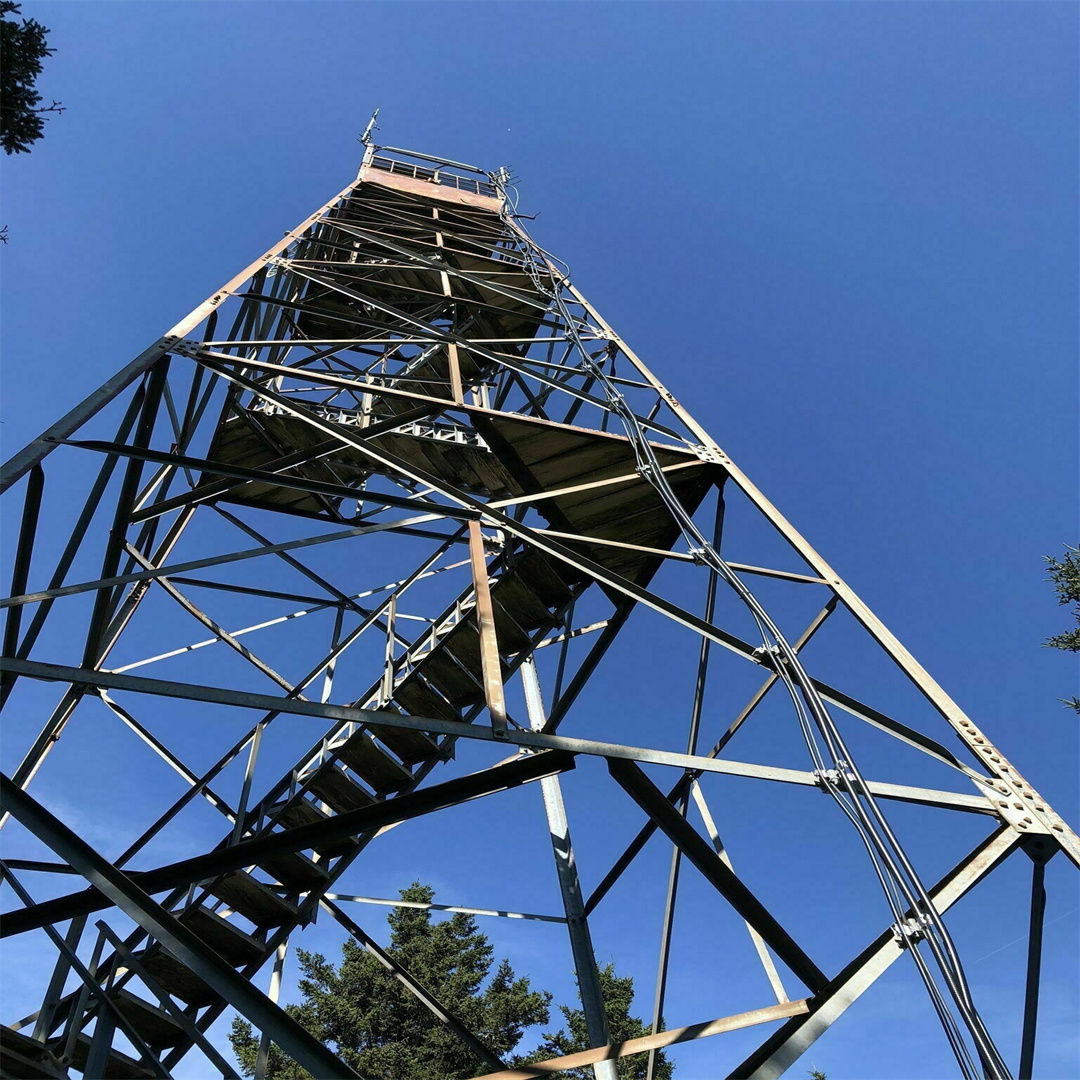
Illegal climbing, vandalism and equipment theft have become common hidden dangers of outdoor communication towers. Unauthorized personnel climbing towers may lead to fatal falls, while stolen antennas, power modules and copper cables will cause long-term network outages and huge economic losses for telecom operators. A standardized anti-climb security system is a necessary auxiliary configuration for all types of telecom infrastructure.
JIAYAO equips every tower product with matching anti-climb facilities according to tower structure. This guide sorts out mainstream anti-climb solutions, applicable tower types, installation standards and daily maintenance rules for global engineering teams and operators.
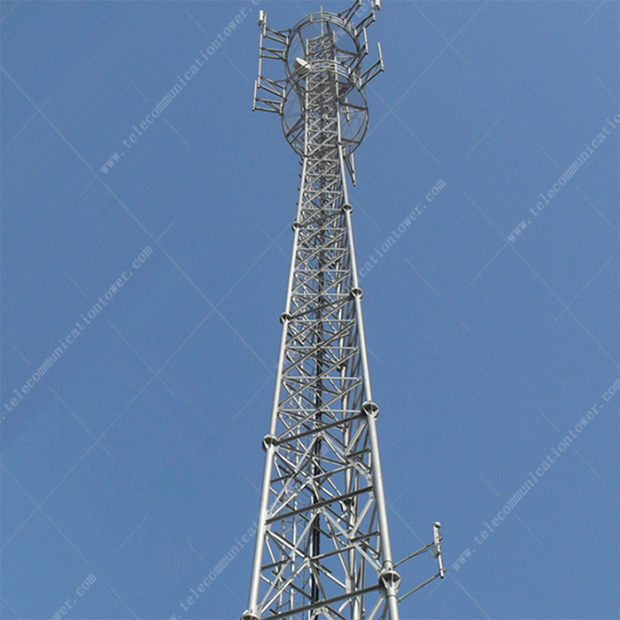
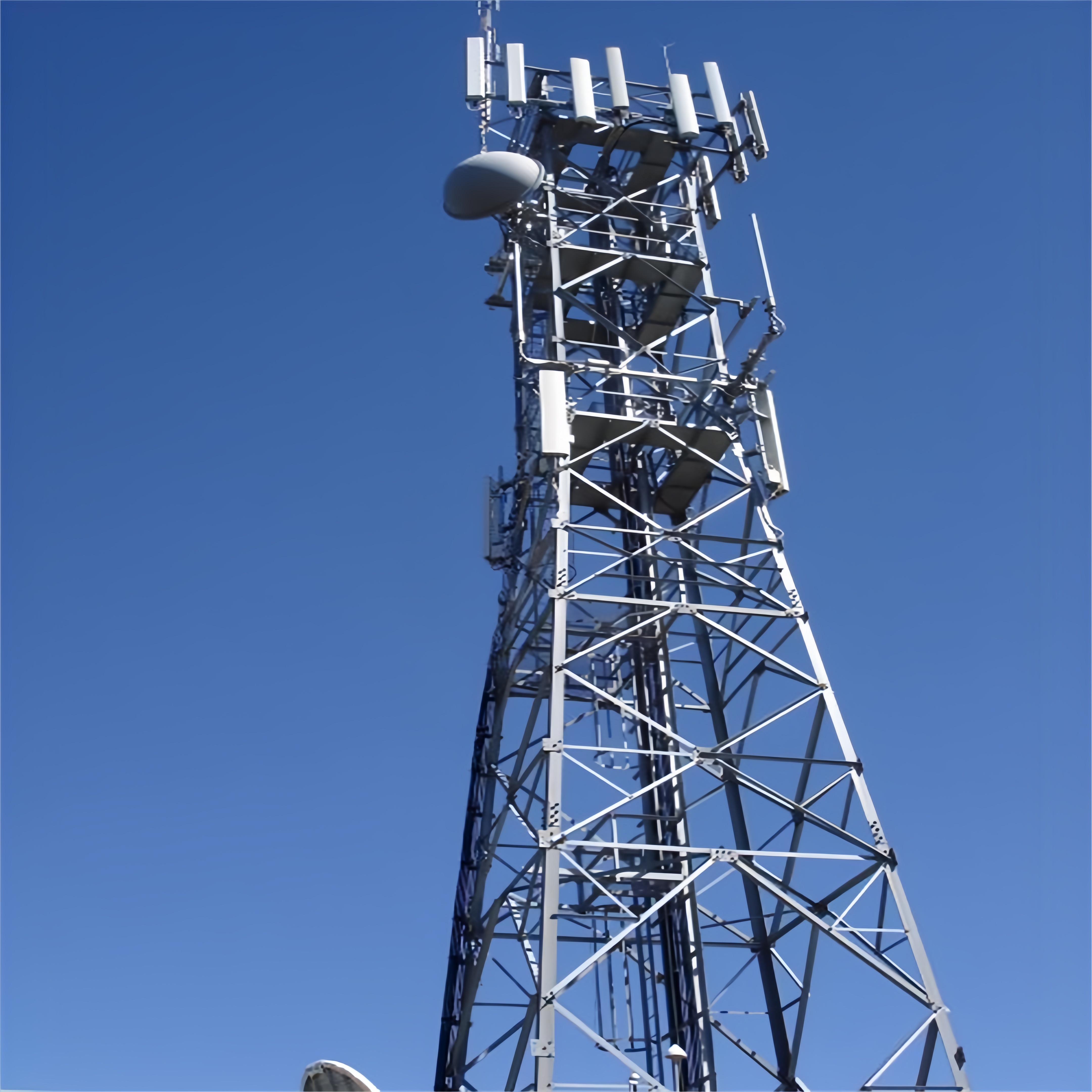
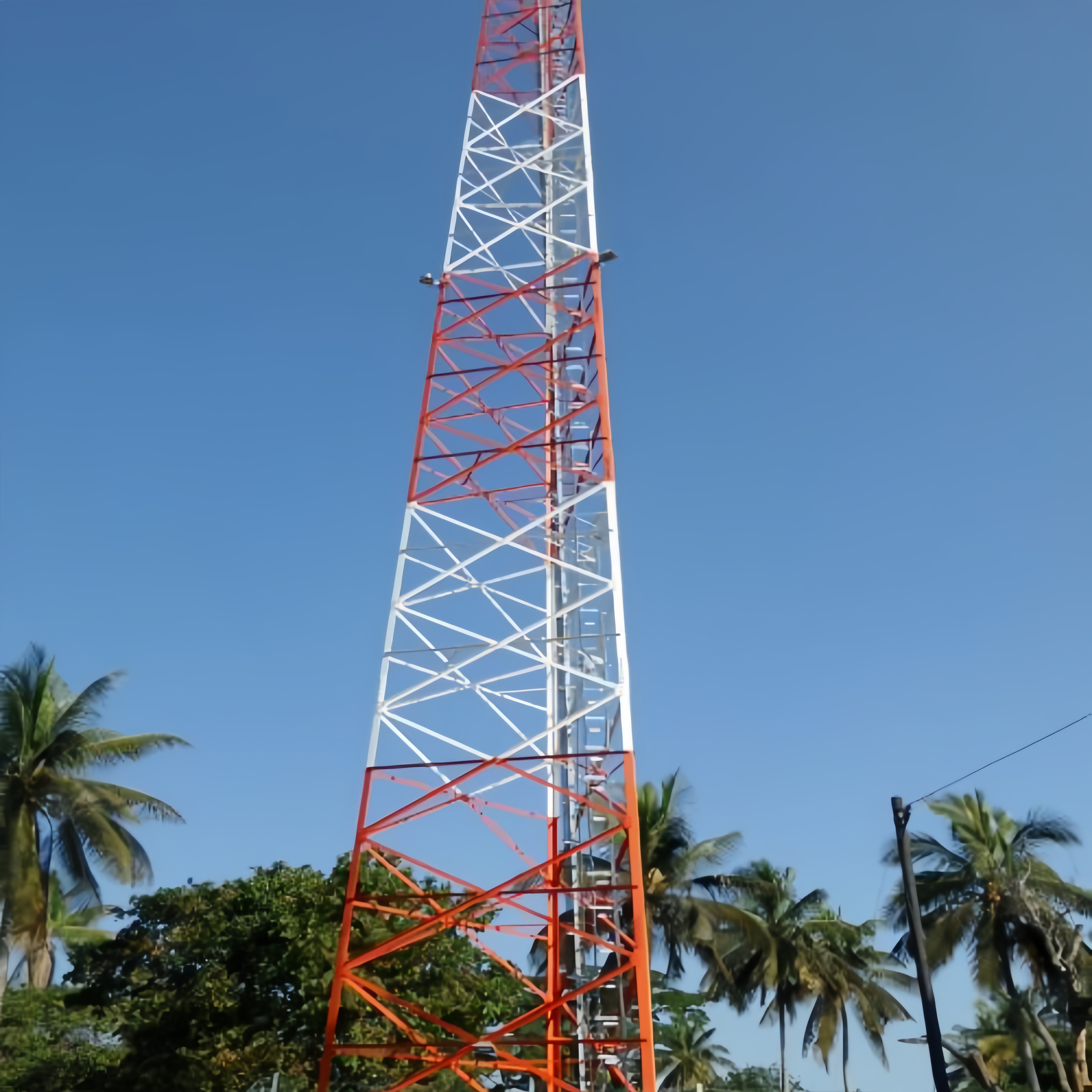
This is the standard anti-climb facility for 3-legged and 4-legged angular/tubular lattice towers. It surrounds the entire climbing ladder with closed galvanized steel mesh cages from ground to the first working platform.
Core structure: Hot dip galvanized steel square tube frame + welded anti-cut wire mesh, mesh hole smaller than 10cm to prevent foot stepping.
Lock configuration: Heavy-duty anti-theft padlock or built-in key lock at the bottom access door; only maintenance staff hold matching keys.
Height standard: The cage height is at least 6 meters above ground to block ordinary people from reaching the ladder.
Advantages: High protection level, not easy to be damaged by manual disassembly, long service life.
Suitable for four-legged lattice towers, three-tubular towers and guyed masts with external ladders.
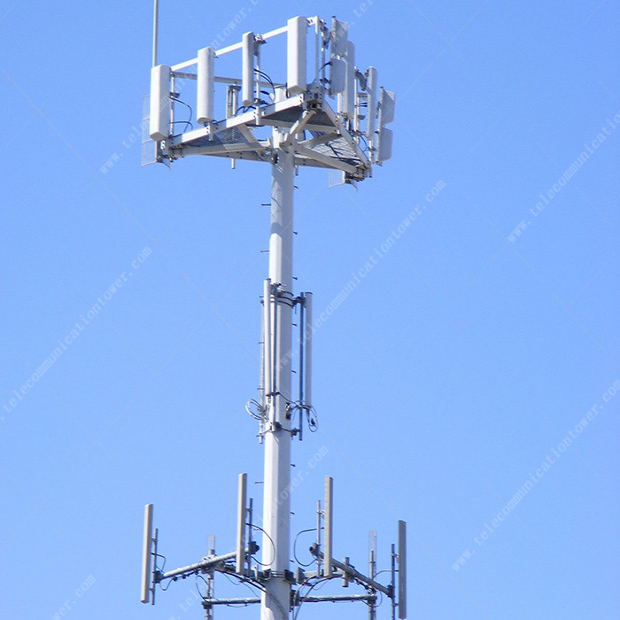
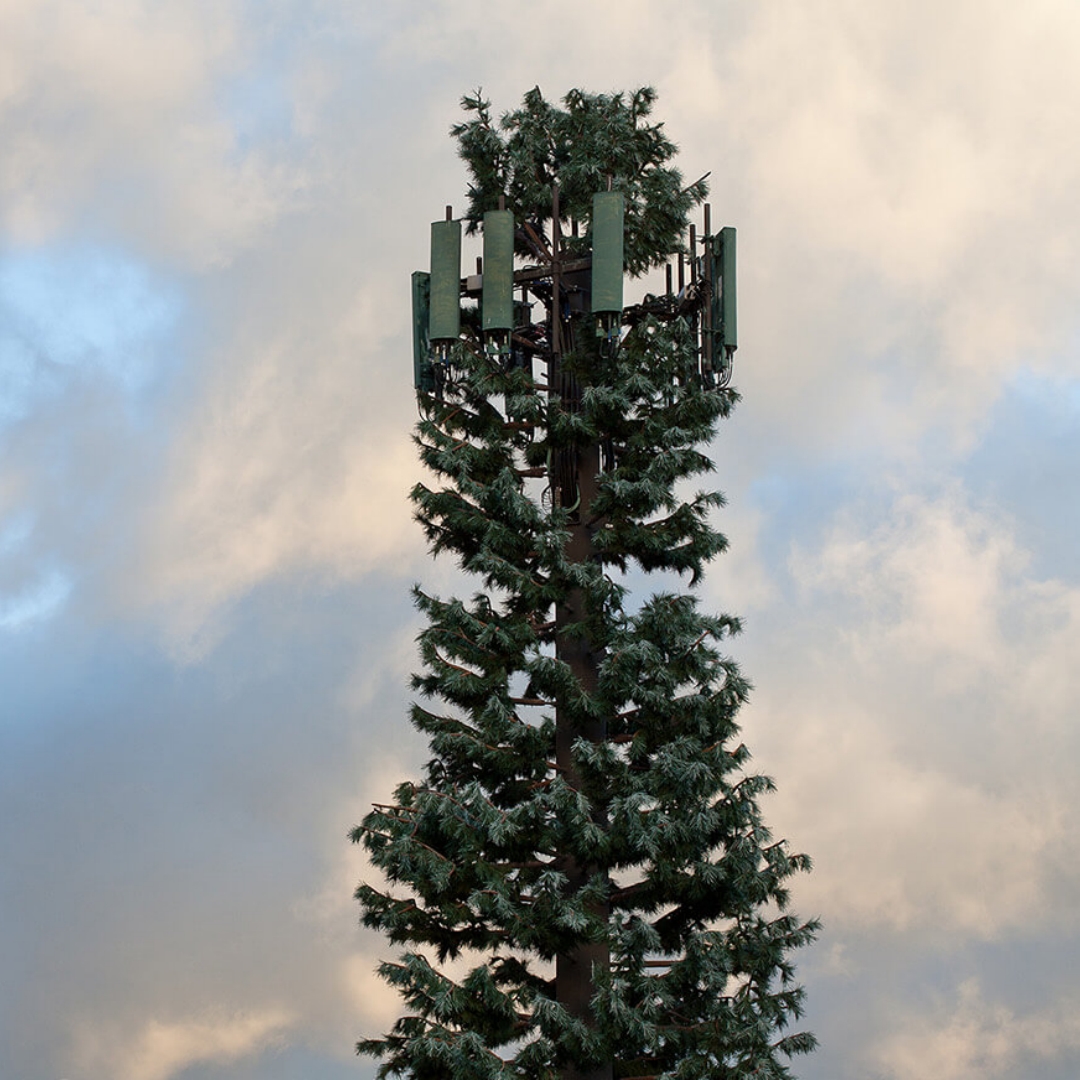
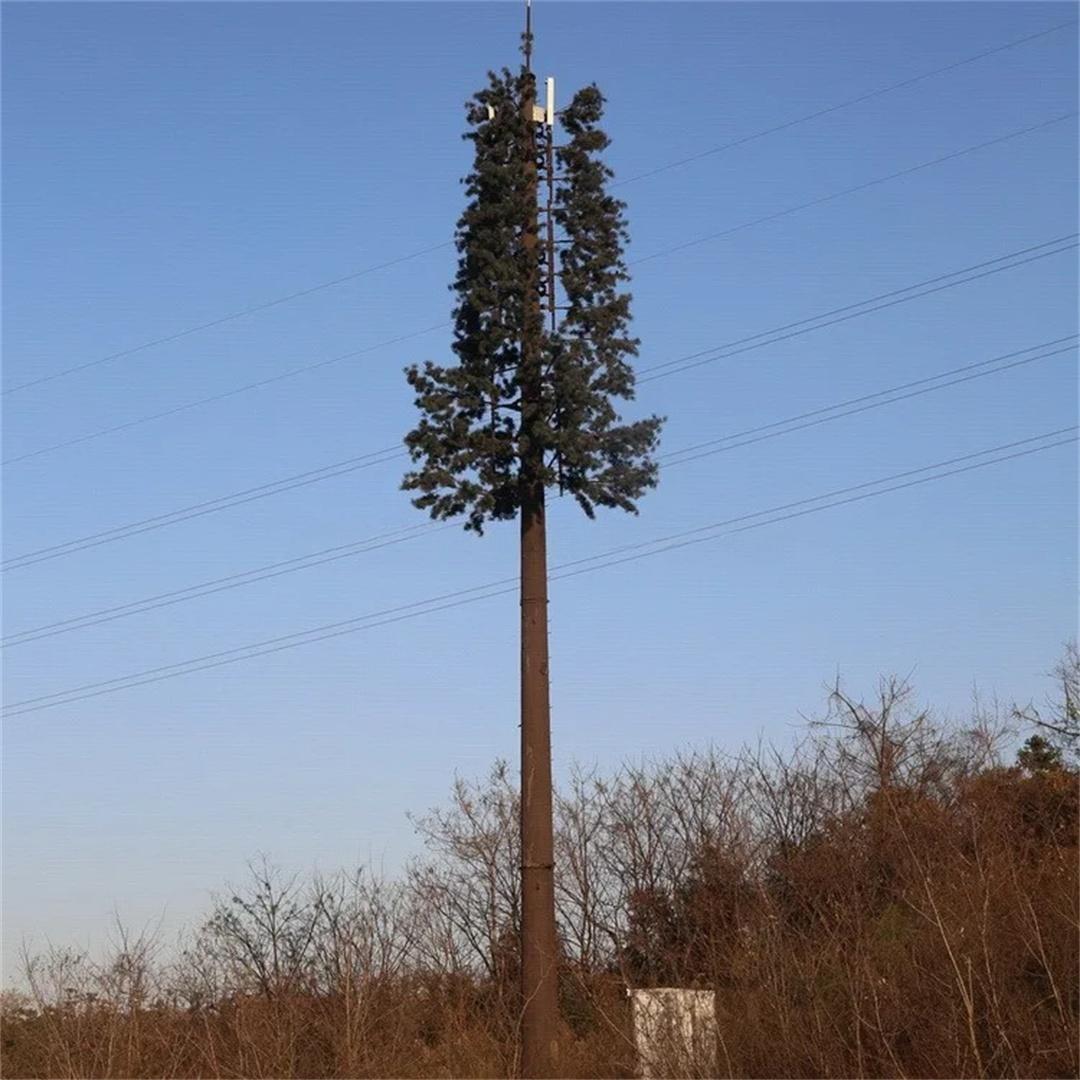
Monopole towers hide all climbing ladders inside the pole body, matched with a lockable anti-climb access door at the tower base.
Design features: The door plate is thickened galvanized steel with anti-pry edge design, integrated with the tower base cabinet.
Security upgrade options: Electronic password lock, fingerprint lock or remote intelligent lock for unattended sites.
Supporting protection: Anti-cut steel lining inside the door to prevent prying open with tools.
Advantages: Beautiful appearance, integrated with the tower without extra protruding parts, convenient for daily equipment inspection.
Suitable for urban monopole towers, bionic tree towers and lamp post small cell poles.
Anti-climb thorn barriers are auxiliary protection accessories for all tower types, installed on tower legs, foundation guardrails or base enclosures. Two mainstream styles: blade thorn strips and multi-directional metal thorns.
Installation position: Welded or bolted on tower lower legs, surrounding wall tops around the tower site.
Material: Galvanized steel strip with sharp cutting edges, resistant to rust and weather erosion.
Application scenarios: Used together with anti-climb cages as secondary protection, especially for remote unattended rural towers.
Advantages: Low cost, easy installation, strong deterrent effect against climbing attempts.
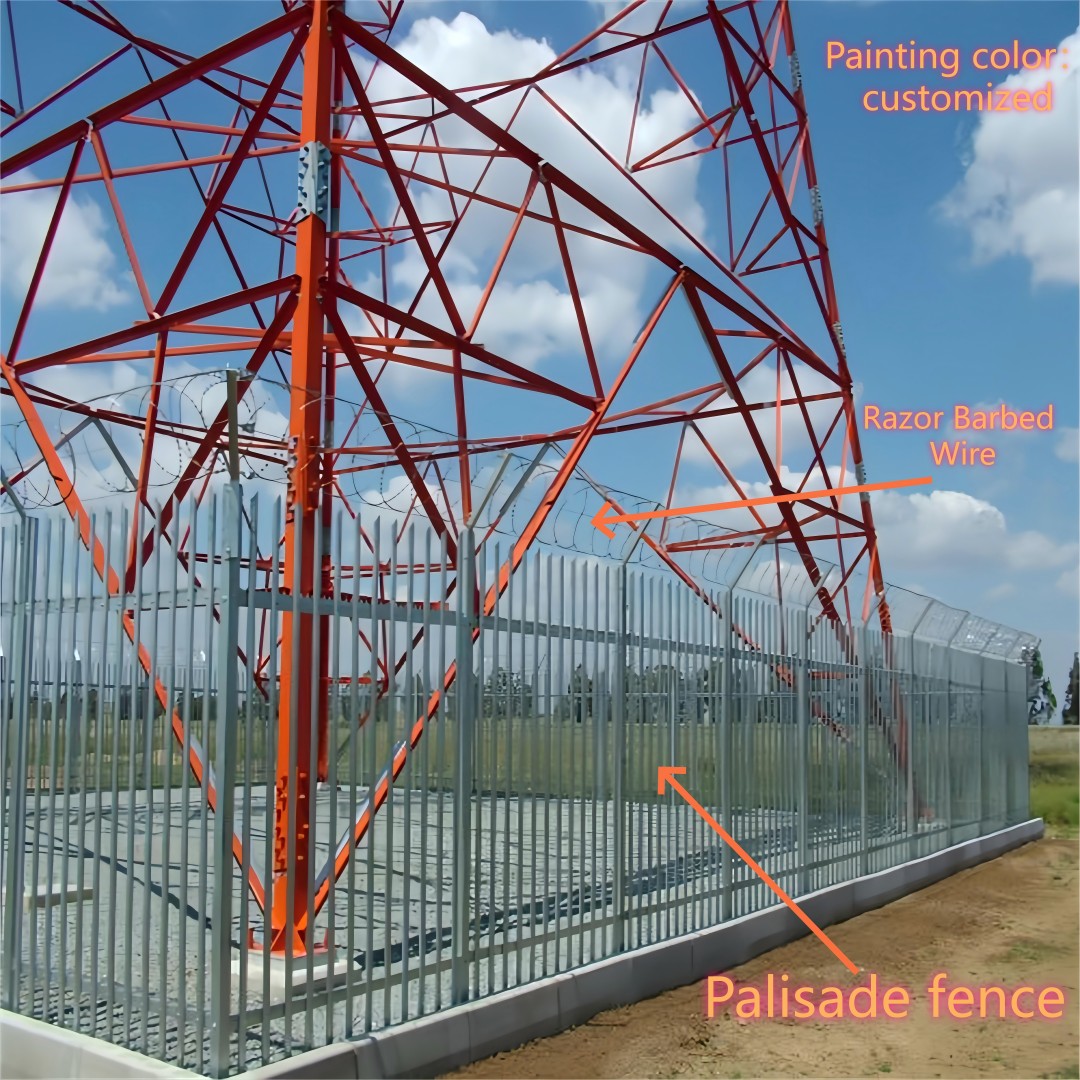
For ground towers with independent foundation space, a full-set perimeter fence solution is adopted.
Composition: Galvanized wire mesh fence + anti-climb thorn top + locked gate.
Size standard: Fence height ≥1.8m, set 1.5–2m away from the tower foundation to reserve maintenance space.
Additional options: Buried vibration alarm cables connected to remote monitoring platforms for real-time theft alerts.
Suitable for large microwave towers, high guyed masts and suburban macro base stations.
Specially customized for rooftop communication towers installed on building roofs.
Structure: Enclosed galvanized guardrail surrounding the tower base with locked access gate.
Height limit: Guardrail height over 1.2m to block climbing from the roof surface.
Matching design: Combined with building existing safety barriers to avoid gaps for climbing.
Suitable for rooftop monopoles, small lattice towers and rooftop mini cell poles.
1. Four-legged / three-tubular lattice tower: Primary anti-climb safety cage + auxiliary thorn barrier + perimeter fence (if space permits)
2. Urban monopole / bionic tower: Built-in anti-climb lockable base door + optional surrounding thorn strip
3. Guyed wire mast: Ladder anti-climb cage + anti-climb thorns on lower mast sections
4. Rooftop communication tower: Enclosed anti-climb guardrail with lock gate
5. Small cell lamp pole / wall-mounted bracket: Built-in lockable equipment cabinet + short thorn strips at the bottom
1. Material anti-corrosion requirement
2. All anti-climb components adopt full hot dip galvanizing in accordance with ISO 1461, consistent with the tower body, to avoid rust damage within 30 years. Coastal areas can add epoxy topcoat for enhanced salt spray resistance.
3. Lock safety standard
4. Mechanical locks must use anti-pry, anti-saw heavy-duty locks; unattended remote towers recommend intelligent electronic locks with access record function.
5. Height specification
6. The effective anti-climb height of all barriers shall not be less than 6 meters above the natural ground to eliminate climbing leverage points.
7. Tool anti-disassembly design
8. All fixing bolts for anti-climb facilities use one-way anti-removal nuts to prevent thieves from dismantling protection structures with common tools.
9. No hidden danger for maintenance
10. The lock door and access channel shall reserve sufficient operation space for inspection personnel, without affecting normal climbing maintenance.
1. Safety accidents: Children, tourists or trespassers climb towers and fall, leading to personal injury and operator compensation disputes.
2. Equipment loss: Antennas, RRU, batteries and copper feeders are frequently stolen, causing network blackouts.
3. Structural damage: Illegal disassembly of tower bolts, ladders and crossarms destroys the tower’s load-bearing balance.
4. Line failure: Cut cables and damaged lightning grounding systems bring hidden dangers of lightning strike and signal interruption.
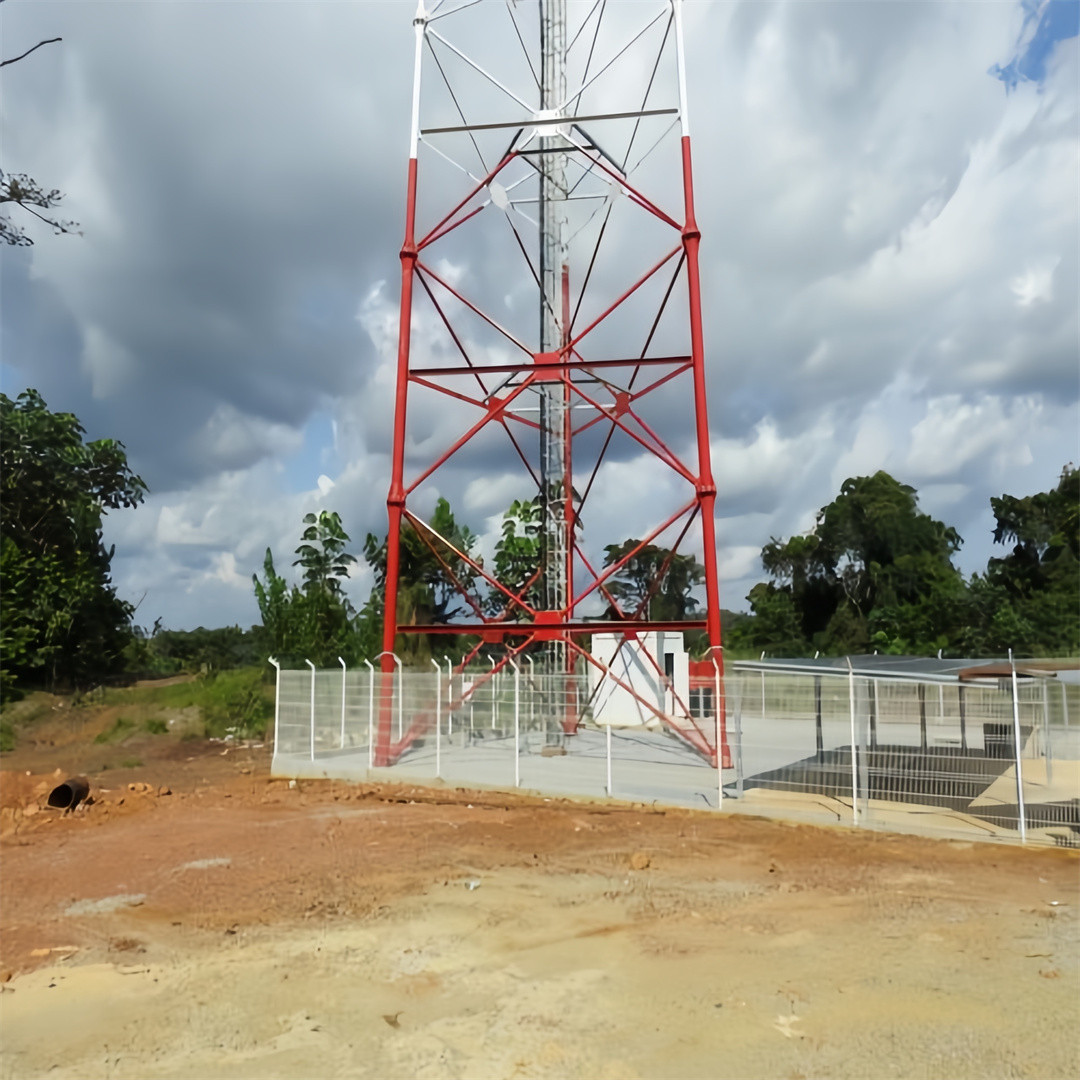
Hot Dip Galvanized 3 Tube Tower Low Wind Drag For Riverside 5G Coverage
1. Monthly visual inspection
2. Check whether anti-climb cages, doors and thorn strips are deformed, cut or pried; confirm all locks are intact and closed normally.
3. Quarterly bolt tightening
4. Tighten loose fixing nuts of anti-climb components; touch up scratched galvanized surfaces with zinc-rich paint.
5. Semi-annual lock maintenance
6. Inject lubricant into lock cylinders to prevent rust jamming; replace damaged locks immediately.
7. Post-storm comprehensive check
8. After typhoons, heavy rain or snow, inspect whether anti-climb barriers are impacted and deformed by debris.
9. Annual full renewal assessment
10. For towers in high-theft rural and remote areas, replace aging anti-climb accessories every 3–5 years to maintain protection performance.
1. One-stop matching: Every tower is pre-designed with supporting anti-climb solutions during factory drawing, no secondary modification required on site.
2. Standardized customization: Provide basic mechanical lock schemes and upgraded intelligent alarm lock schemes according to customer budget and site security level.
3. Global standard compliance: All security components meet TIA-222-G and European telecom site safety norms, with complete product certificates.
4. Fast delivery: Anti-climb accessories are produced synchronously with tower bodies to shorten the whole project delivery cycle.
Perfect anti-climb security systems are an indispensable auxiliary part of communication tower projects. Reasonable matching of cages, lock doors, thorn barriers and perimeter fences can effectively prevent illegal climbing, equipment theft and safety accidents, greatly reducing the long-term operation loss of telecom operators.
JIAYAO can provide targeted anti-climb matching schemes for all your tower projects. Contact our engineering team to get a complete security configuration plan and quotation.