Material selection is one of the most fundamental decisions in telecom tower design, directly determining structural safety, service life, transportation cost, installation efficiency and total lifecycle value. In the global communication infrastructure industry, angular steel, tubular steel and aluminum alloy are the three most widely used structural materials, each with distinct performance characteristics and optimal application scenarios.
As a professional telecom tower manufacturer with 10+ years of experience, JIAYAO produces towers in all three materials to match different project needs. This guide compares their core properties, advantages, limitations and suitable use cases, helping project teams make the most cost-effective material choice for their infrastructure projects.
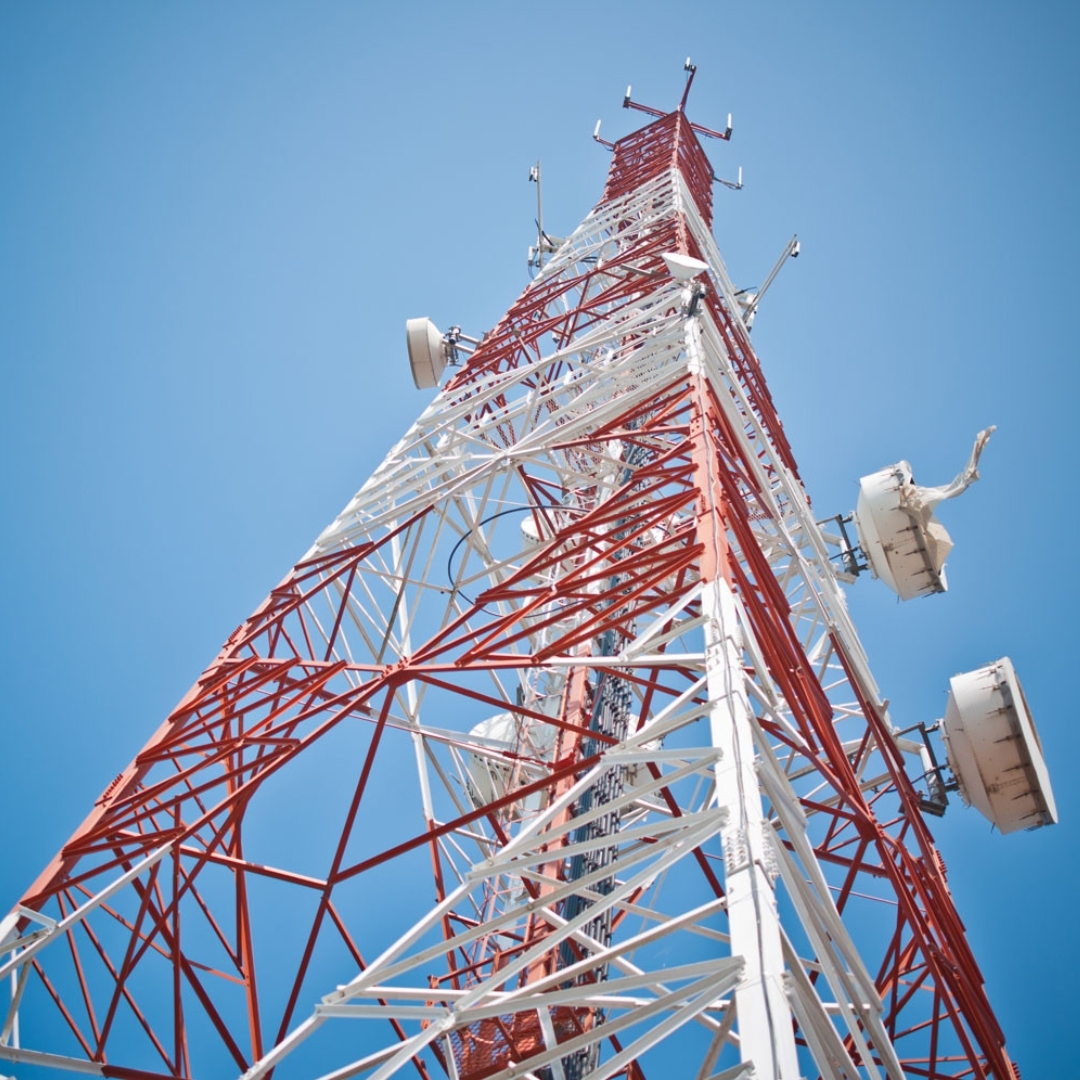
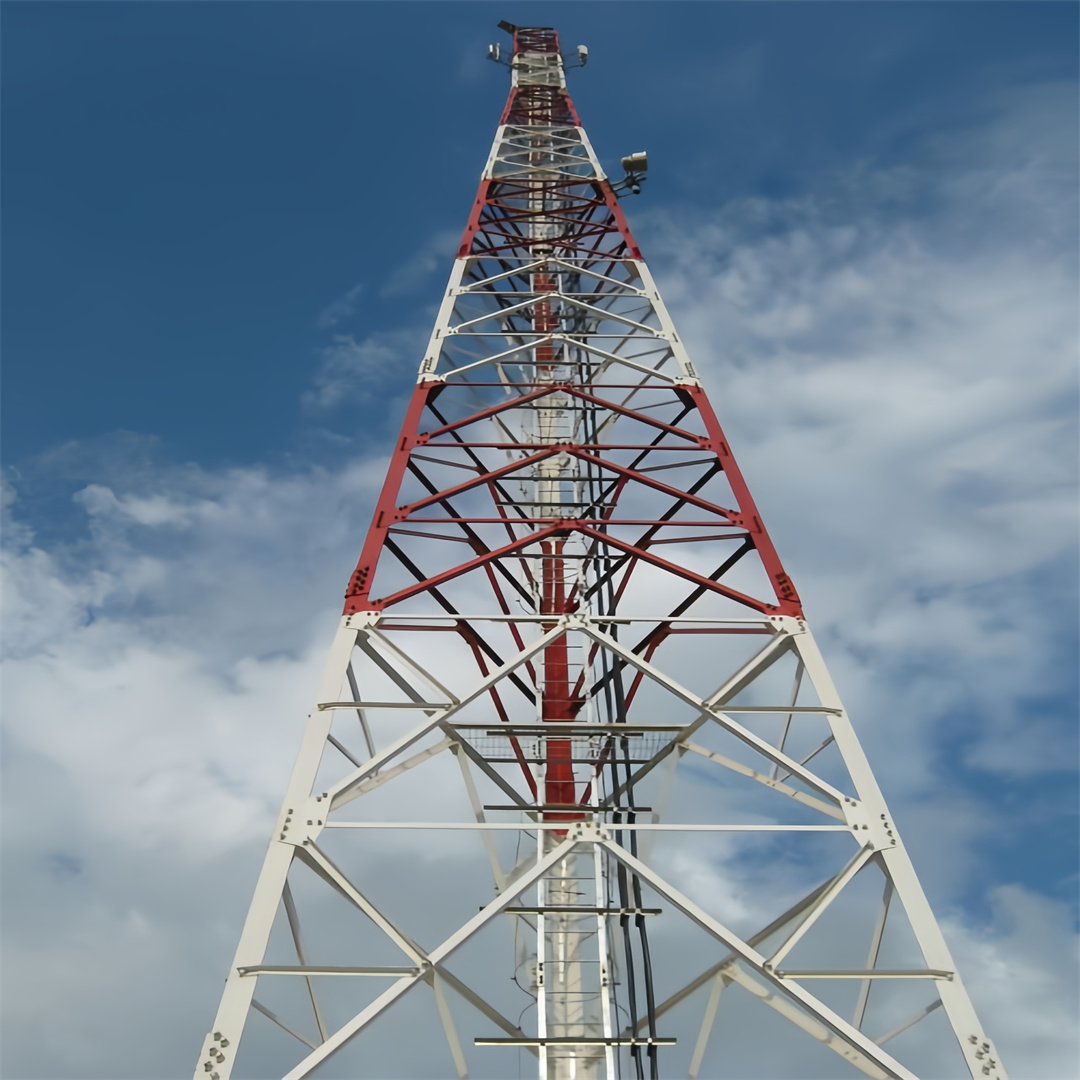
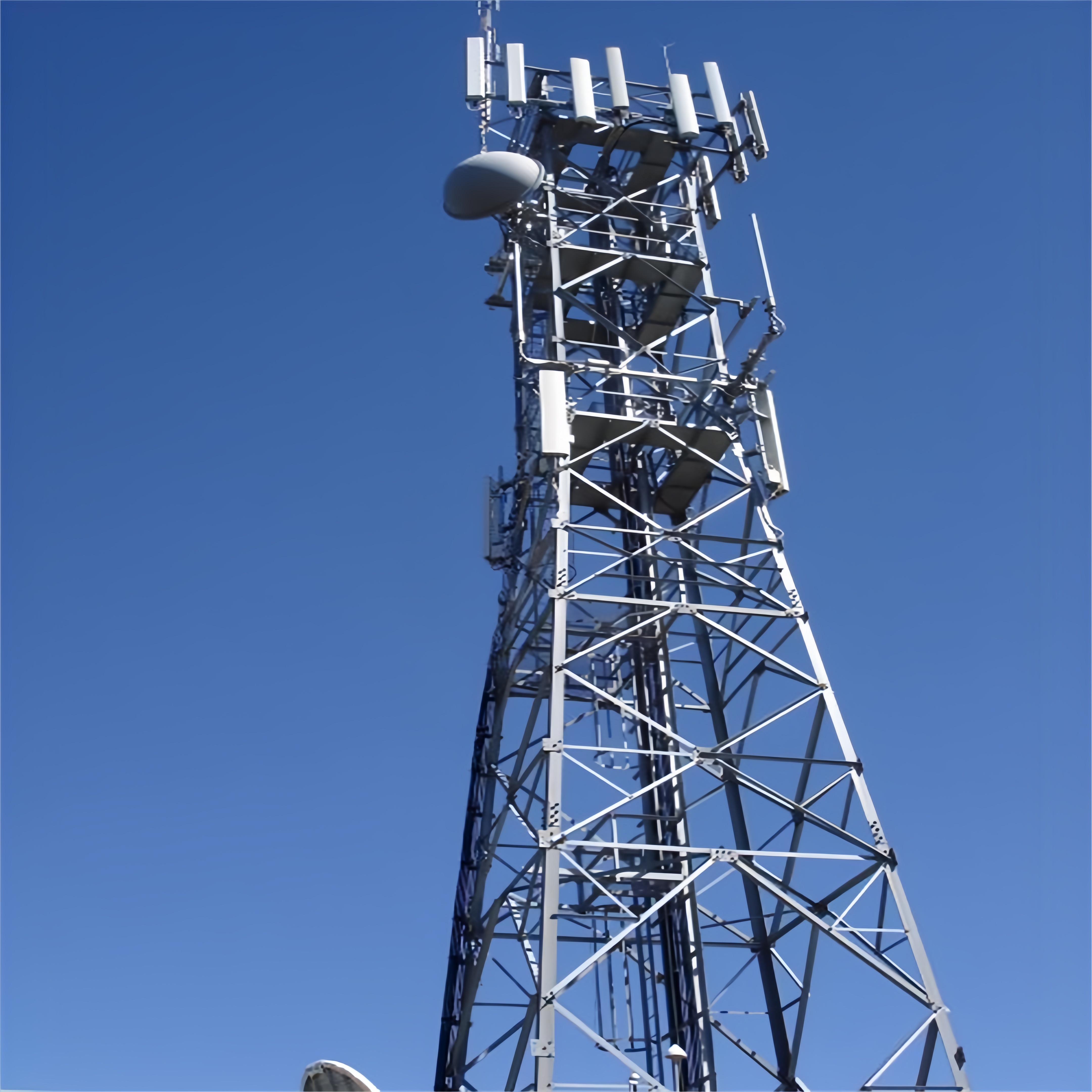
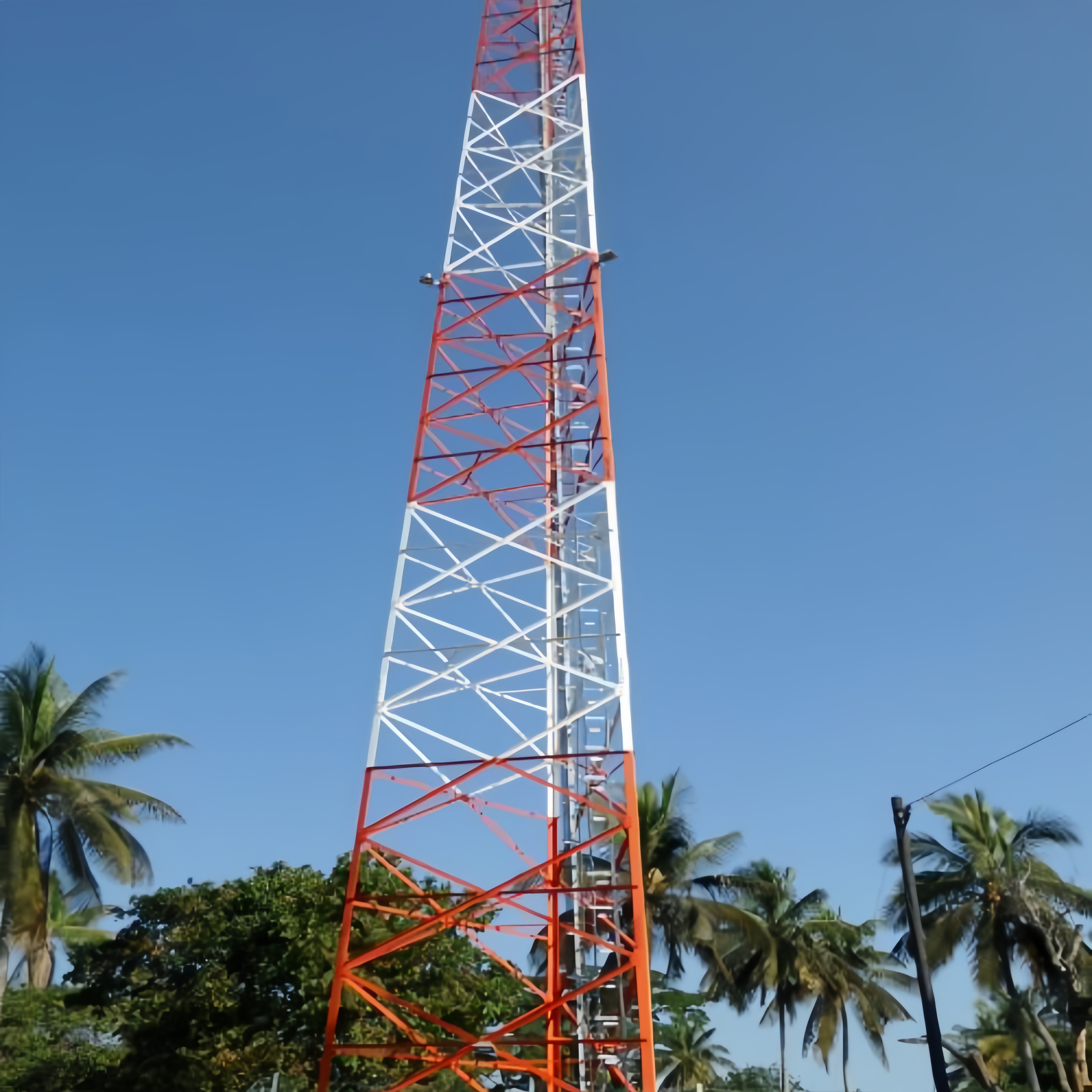
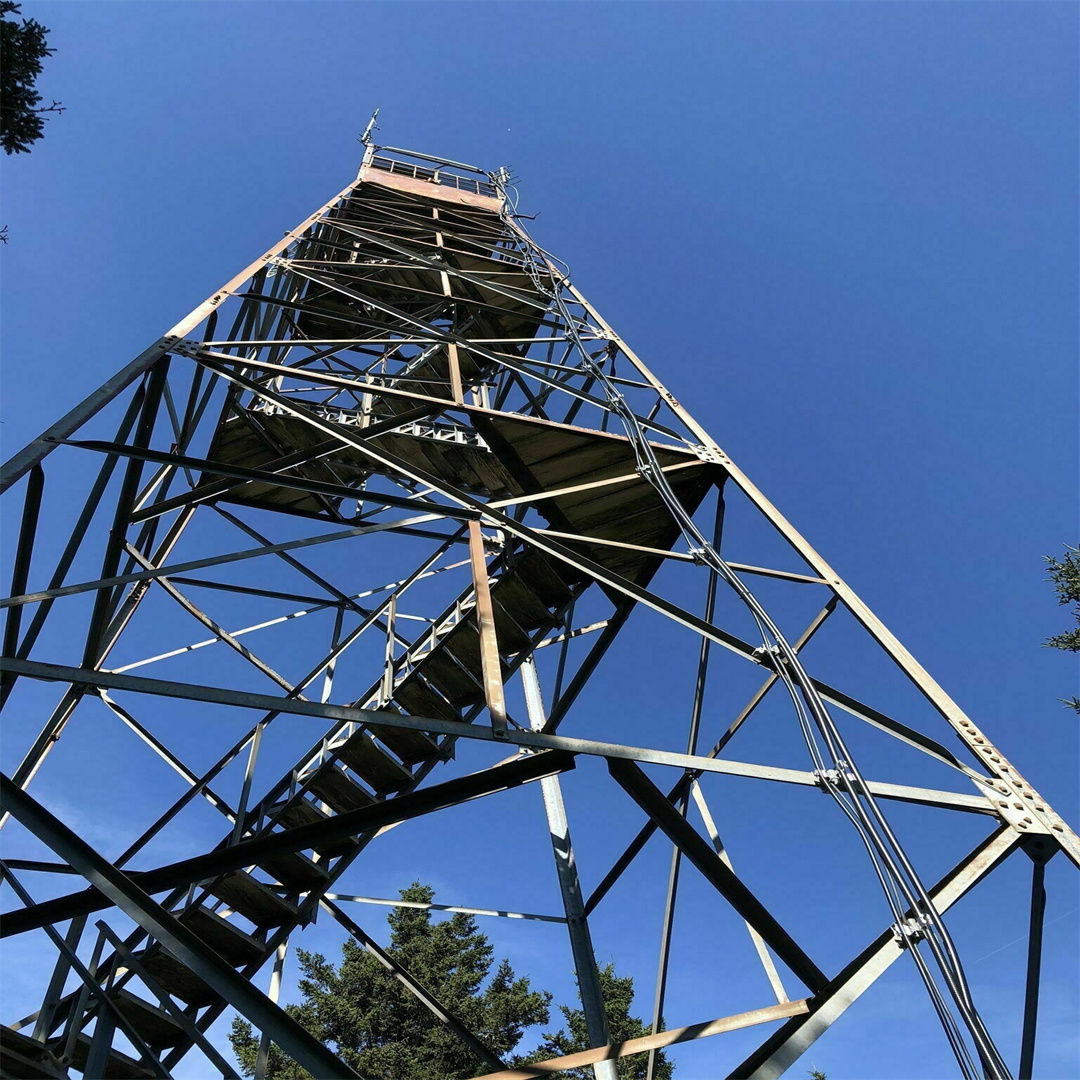
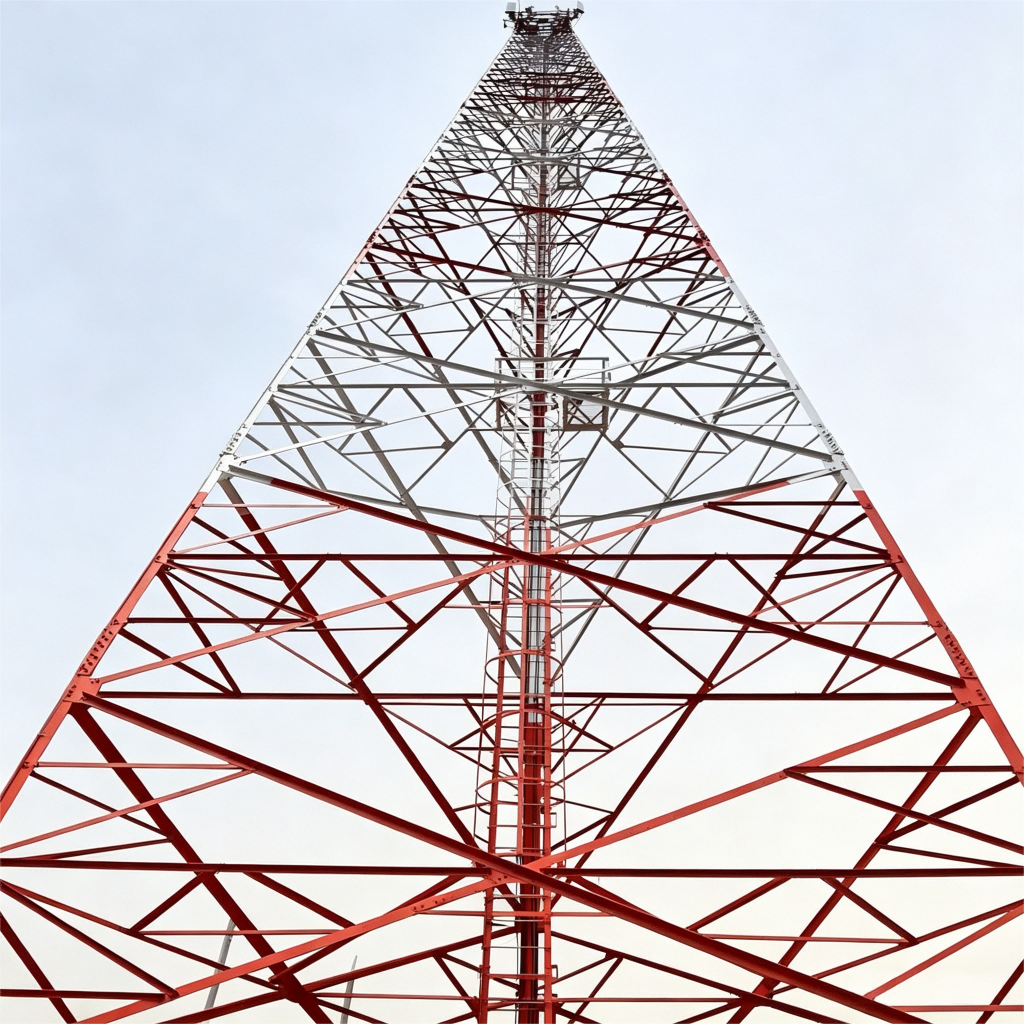
Angular steel (angle iron) is the most traditional and widely used material for communication towers. It refers to L-shaped cross-section carbon steel, typically made of Q235B / ASTM A36 or Q345B / ASTM A572 Grade 50 structural steel, with full hot-dip galvanized surface treatment for corrosion protection.
Structural performance: High compressive and shear strength, good overall rigidity when assembled into lattice truss structures
Processing property: Easy to cut, punch and connect with bolts; mature production technology with low processing cost
Surface treatment: Full hot-dip galvanizing per ASTM A123 / ISO 1461 standards, zinc layer thickness ≥85μm
Weight: Medium weight per unit length, higher than tubular steel for the same load capacity
Lowest material and manufacturing cost among the three options
Mature supply chain, widely available raw materials globally
Good on-site adjustability, easy to modify and assemble on site
Excellent load-bearing performance for lattice tower structures
Larger wind-facing area, higher wind resistance than tubular structures
More angular edges, slightly higher visual impact
Heavier than aluminum alloy, higher transportation cost for remote projects
3-legged and 4-legged lattice communication towers
Guyed wire towers for rural and remote areas
Heavy-load microwave and broadcast towers
Power transmission and communication integrated towers
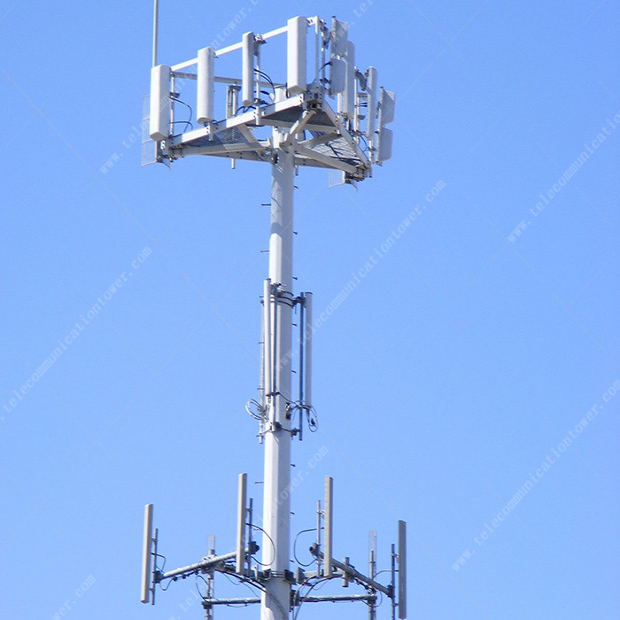
Tubular steel towers use seamless or welded circular steel tubes as main structural members, made of Q345B / ASTM A572 Grade 50 low-alloy steel as standard, with hot-dip galvanized anti-corrosion treatment. It is the preferred material for modern self-supporting towers with high wind resistance requirements.
Structural performance: Excellent bending and torsional rigidity, uniform force distribution, good wind resistance
Aerodynamic design: Smooth circular cross-section reduces wind drag by 20–30% compared to angular steel lattice
Surface treatment: Internal and external hot-dip galvanizing for all-round corrosion protection
Appearance: Clean and smooth surface, better visual effect for urban deployment
Superior wind resistance, ideal for high-wind and typhoon-prone areas
Compact structure, smaller footprint for the same load capacity
Smooth surface reduces ice adhesion in cold regions
Neat appearance, easier to integrate into urban landscape
Higher material and processing cost than angular steel
More complex connection nodes, higher precision requirement for production
Heavier than aluminum alloy, requiring larger lifting equipment for installation
Monopole towers and tri-tubular towers for urban 5G base stations
High-precision microwave transmission towers
Coastal and high-wind zone communication towers
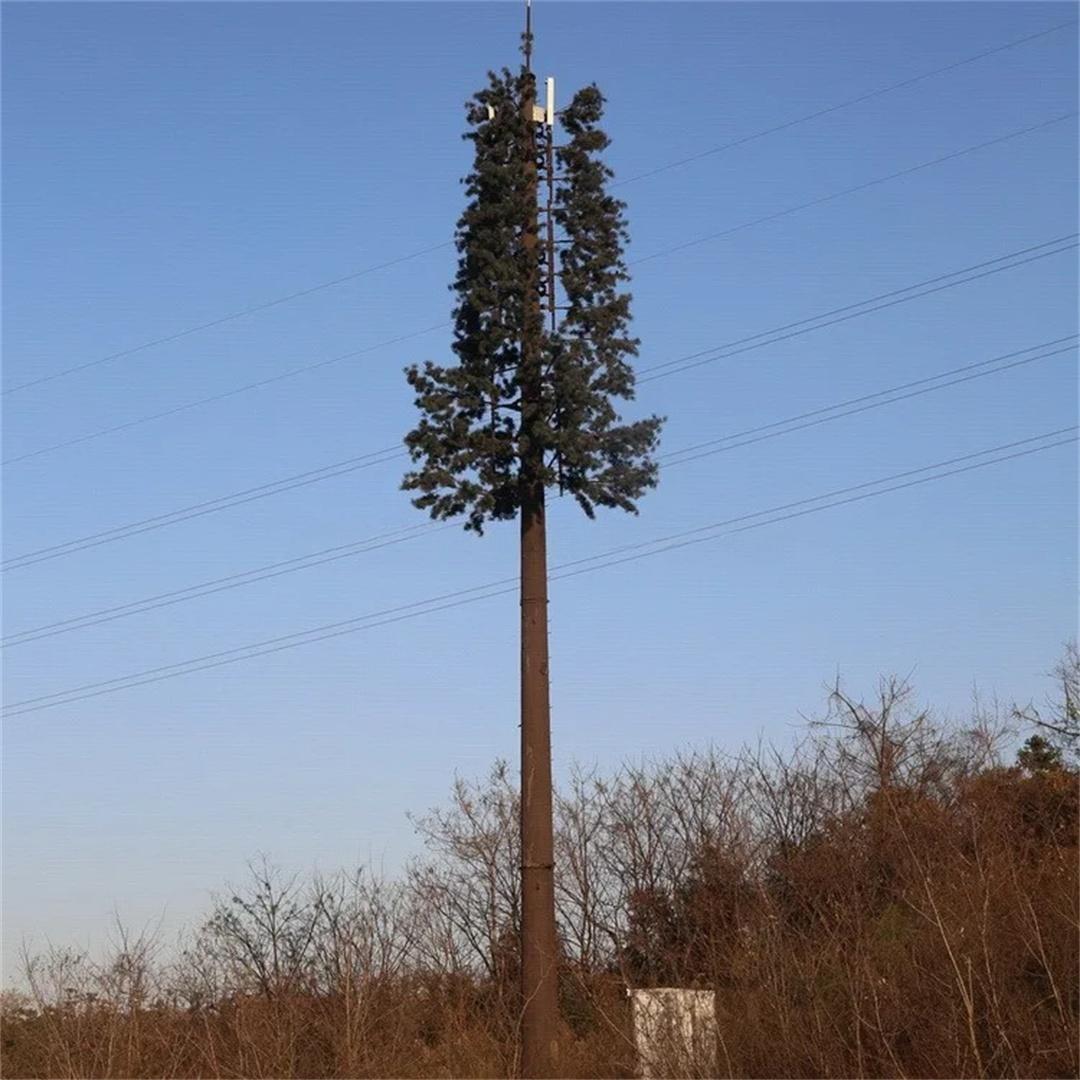
Rooftop towers with aesthetic requirements
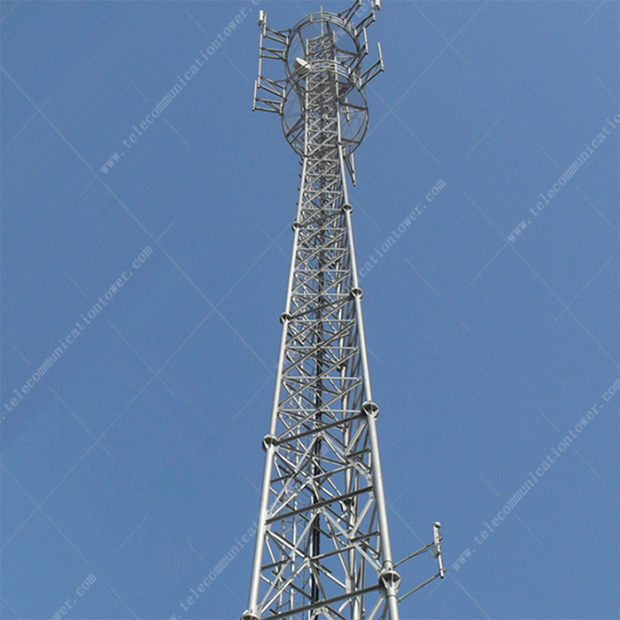
Aluminum alloy telecom towers use high-strength aviation-grade aluminum alloys (typically 6061-T6 / 6005A) as structural materials. They are valued for their ultra-light weight and natural corrosion resistance, and are widely used in portable, emergency and special-scenario towers.
Weight performance: Only 1/3 the density of steel, greatly reducing transportation and manual handling burden
Corrosion resistance: Natural oxide film on the surface provides inherent anti-corrosion ability, no galvanizing required
Strength: Lower absolute strength than steel, but high strength-to-weight ratio
Processing property: Easy to extrude and machine, suitable for precision telescopic and modular structures
Ultra-lightweight, easy to transport and deploy manually in areas without heavy machinery
Excellent corrosion resistance, especially suitable for coastal and high-salt environments
No need for hot-dip galvanizing, more environmentally friendly production process
Good fatigue resistance, suitable for frequently moved portable towers
Higher material cost, 2–3 times the price of steel per unit weight
Lower absolute rigidity, not suitable for heavy-load and ultra-high towers
Lower high-temperature resistance, requiring special design for extreme heat environments
Requires professional connection technology to avoid galvanic corrosion with steel accessories
Portable telescopic masts for emergency communication
Lightweight small cell poles and rooftop mini towers
Coastal and island communication facilities
Field operation and military mobile communication systems
Performance Index | Angular Steel | Tubular Steel | Aluminum Alloy |
Typical Material Grades | Q235B, Q345B / ASTM A36, A572 Gr50 | Q345B / ASTM A572 Gr50 | 6061-T6, 6005A |
Strength Level | High | Very High | Medium |
Relative Weight (same load) | 100% | 85–90% | 30–40% |
Wind Resistance | Good | Excellent | Fair |
Natural Corrosion Resistance | Poor (requires galvanizing) | Poor (requires galvanizing) | Excellent |
Manufacturing Cost | Lowest | Medium | Highest |
Transportation & Installation Cost | Medium | Medium | Lowest |
Design Service Life | 30+ years (galvanized) | 30+ years (galvanized) | 25+ years |
Visual Appearance | General | Good | Good |
To select the optimal tower material for your project, evaluate the following five core factors:
For large-scale rural network construction with tight budget: prioritize angular steel lattice towers for the lowest total cost
For urban projects with moderate budget: choose tubular steel towers for balanced performance and appearance
For emergency and portable scenarios where deployment efficiency is prioritized: select aluminum alloy despite higher unit price
High-wind / typhoon-prone areas: tubular steel is preferred for its best aerodynamic performance
Coastal / high-salt corrosion areas: aluminum alloy for natural corrosion resistance, or tubular steel with extra anti-corrosion coating
Heavy ice / cold regions: angular steel lattice towers for highest structural rigidity and load capacity
Remote mountainous areas with no road access: aluminum alloy portable towers for manual transportability
Areas with mature road and lifting conditions: angular steel or tubular steel for better cost performance
Rapid deployment emergency projects: aluminum alloy telescopic towers for fastest setup
Ultra-high towers (over 80m) and heavy-load stations: angular steel or tubular steel for sufficient strength
Light-load small cell and short towers (below 30m): aluminum alloy can be considered for weight advantage
High-precision microwave links: tubular steel for best torsional rigidity and pointing stability
Urban core areas and scenic spots with strict landscape requirements: tubular steel monopole towers
Industrial zones and rural areas with no aesthetic restrictions: angular steel lattice towers for cost efficiency
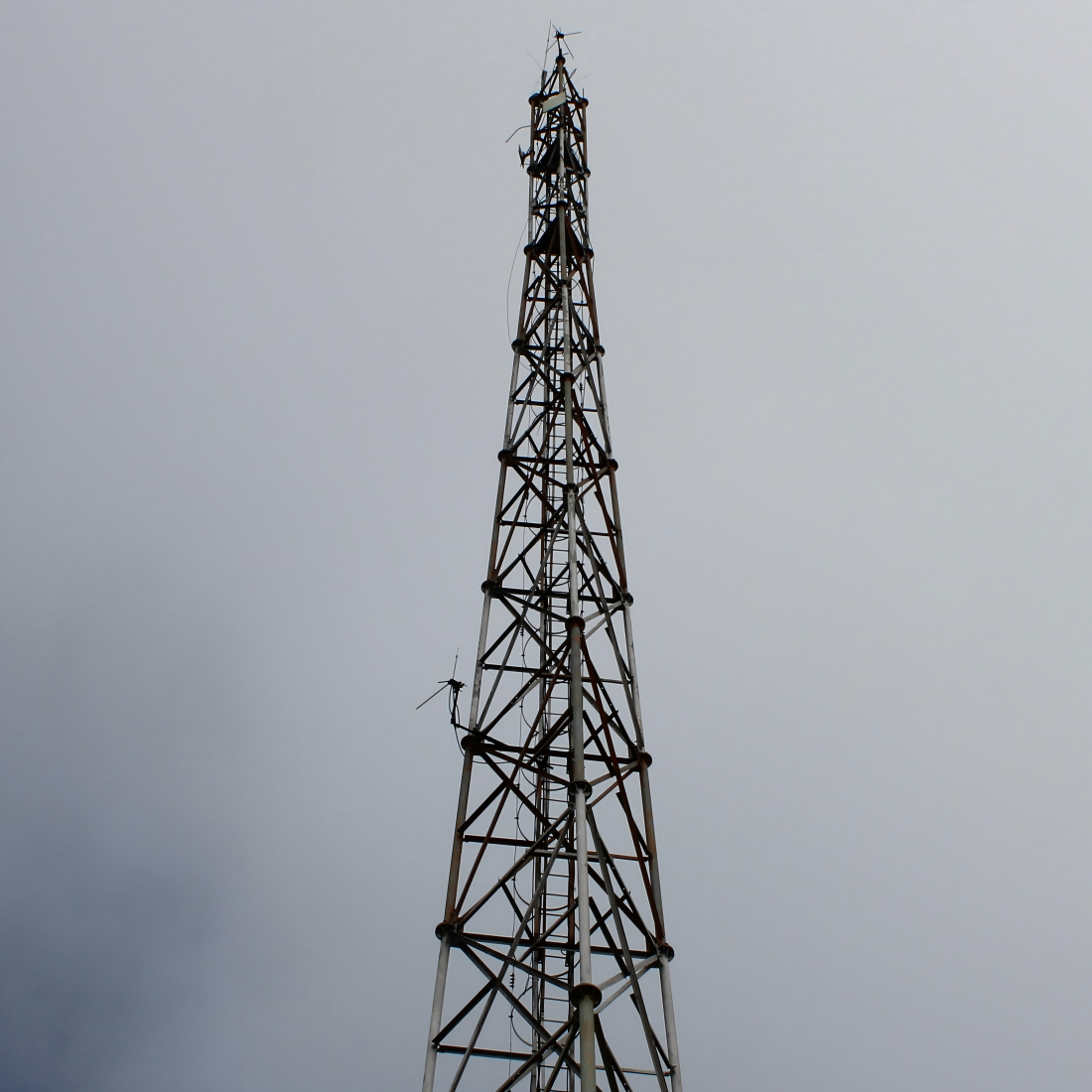
Hot Dip Galvanized 3 Tube Tower Low Wind Drag For Riverside 5G Coverage
All JIAYAO telecom towers implement strict raw material and production quality control:
Authoritative raw material sources: All steel materials are from top Chinese steel mills (HBIS, Baowu, Shougang); aluminum materials are from national standard aviation aluminum manufacturers, with complete material test reports for each batch
Standard anti-corrosion treatment: Steel products adopt full hot-dip galvanizing in accordance with ASTM A123 / ISO 1461; aluminum products adopt anodic oxidation or powder coating as optional upgrades
Full certification system: Products comply with ANSI/TIA-222-G, Eurocode 3, ISO 9001 and other international standards, with third-party inspection available
Customized support: We can adjust material grades, specifications and anti-corrosion schemes according to project requirements to provide the most suitable solution
Angular steel, tubular steel and aluminum alloy each have irreplaceable advantages in telecom tower applications. Angular steel leads in cost efficiency and heavy-load performance, tubular steel excels in wind resistance and urban adaptability, and aluminum alloy stands out for lightweight portability and corrosion resistance. There is no universally best material, only the most suitable choice for specific project scenarios.
As a full-range telecom infrastructure supplier, JIAYAO provides professional material selection guidance and customized tower solutions for every project. If you need help selecting the right tower material for your communication project, contact us today for free technical consultation and a targeted quotation.