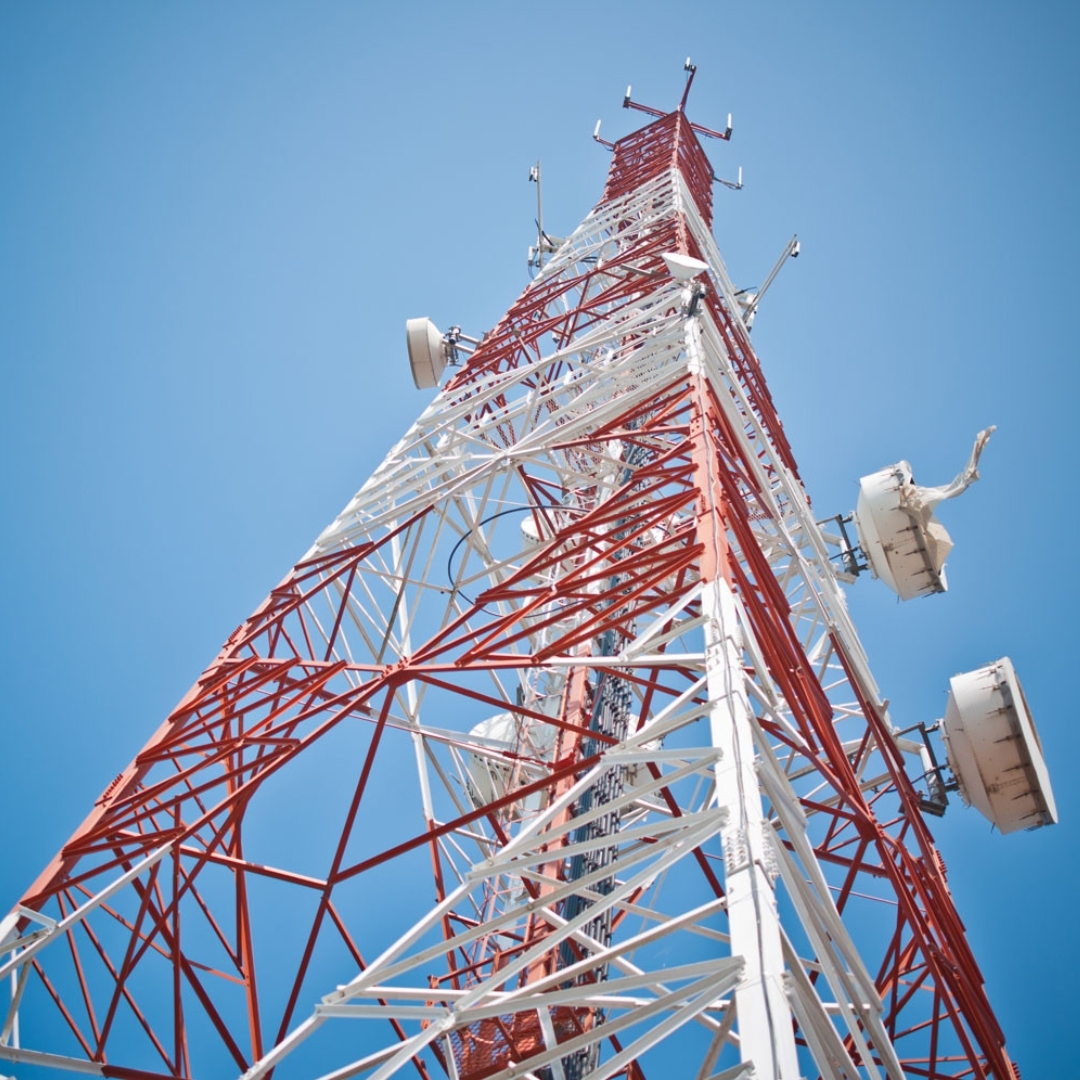
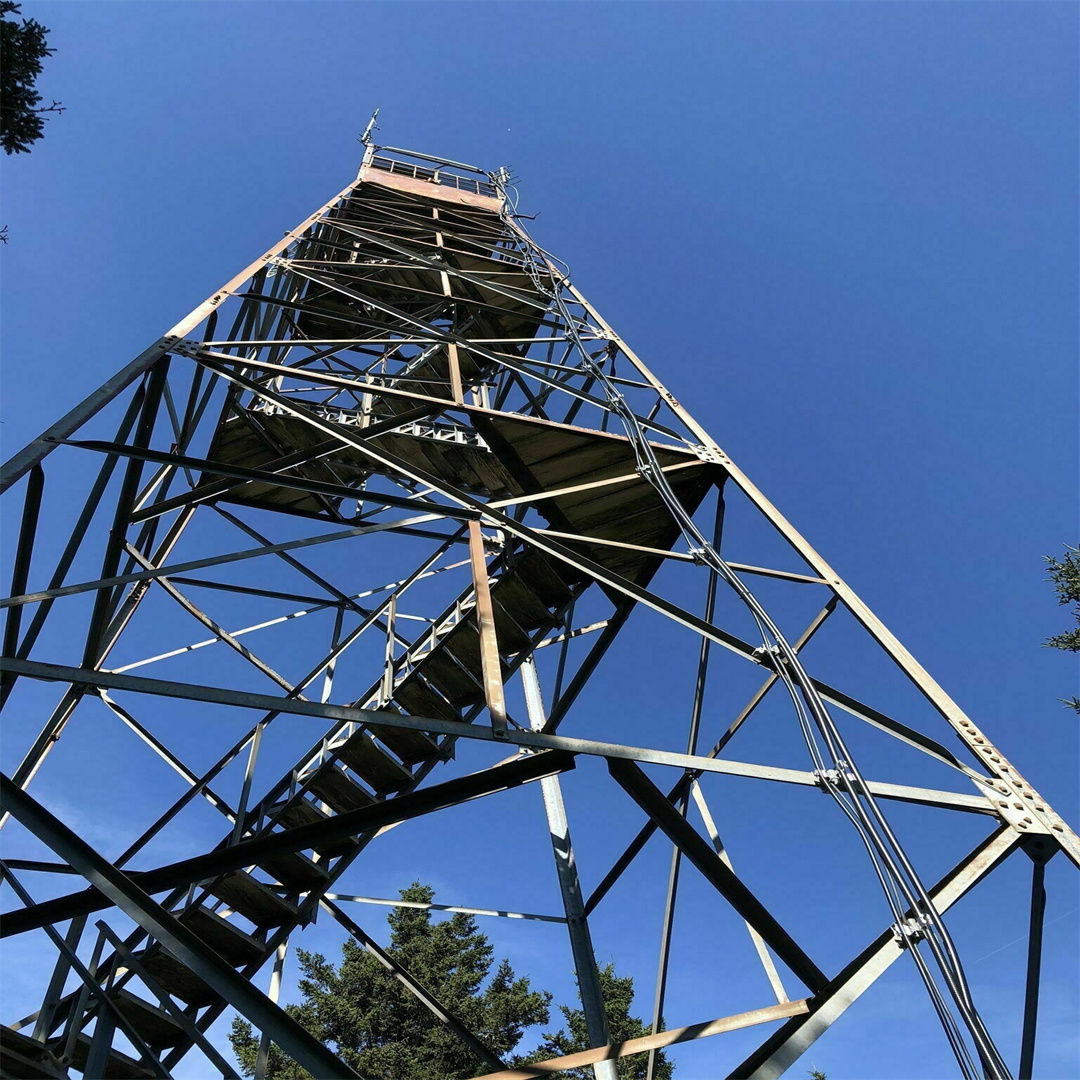
Microwave communication towers are the core supporting infrastructure for point-to-point wireless transmission. In areas where optical fiber deployment is difficult or costly, they serve as a reliable alternative for backbone transmission and edge access of communication networks. As a core product line of JIAYAO, microwave towers have been widely deployed in telecom backbone networks, remote area access systems and emergency communication projects across 55+ countries.
Different from general cellular base station towers, microwave towers have stricter requirements for structural rigidity, antenna pointing accuracy and line-of-sight performance. This guide explains the main types, design features, application scenarios and selection criteria of microwave communication towers, helping project teams build stable and cost-effective microwave transmission links.
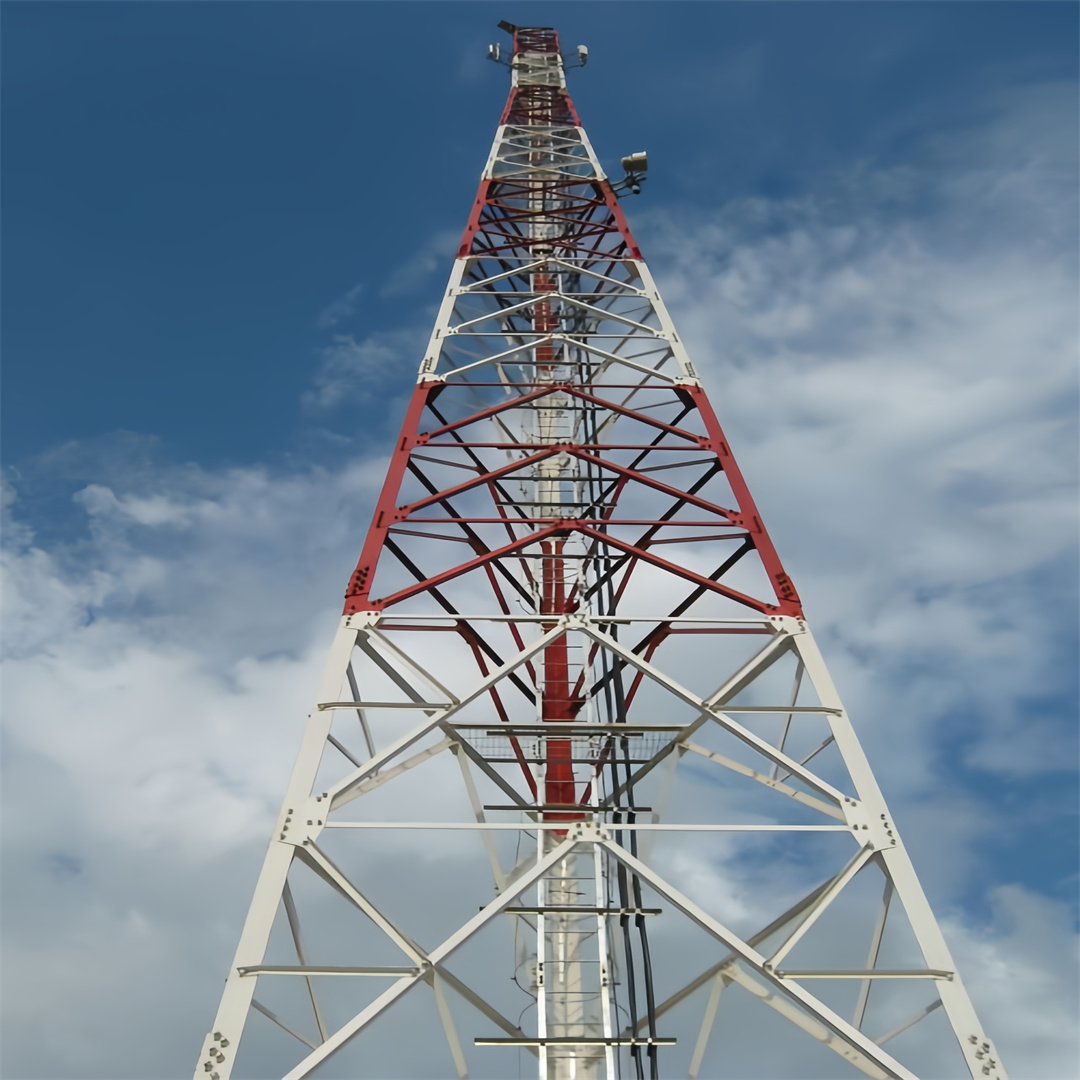
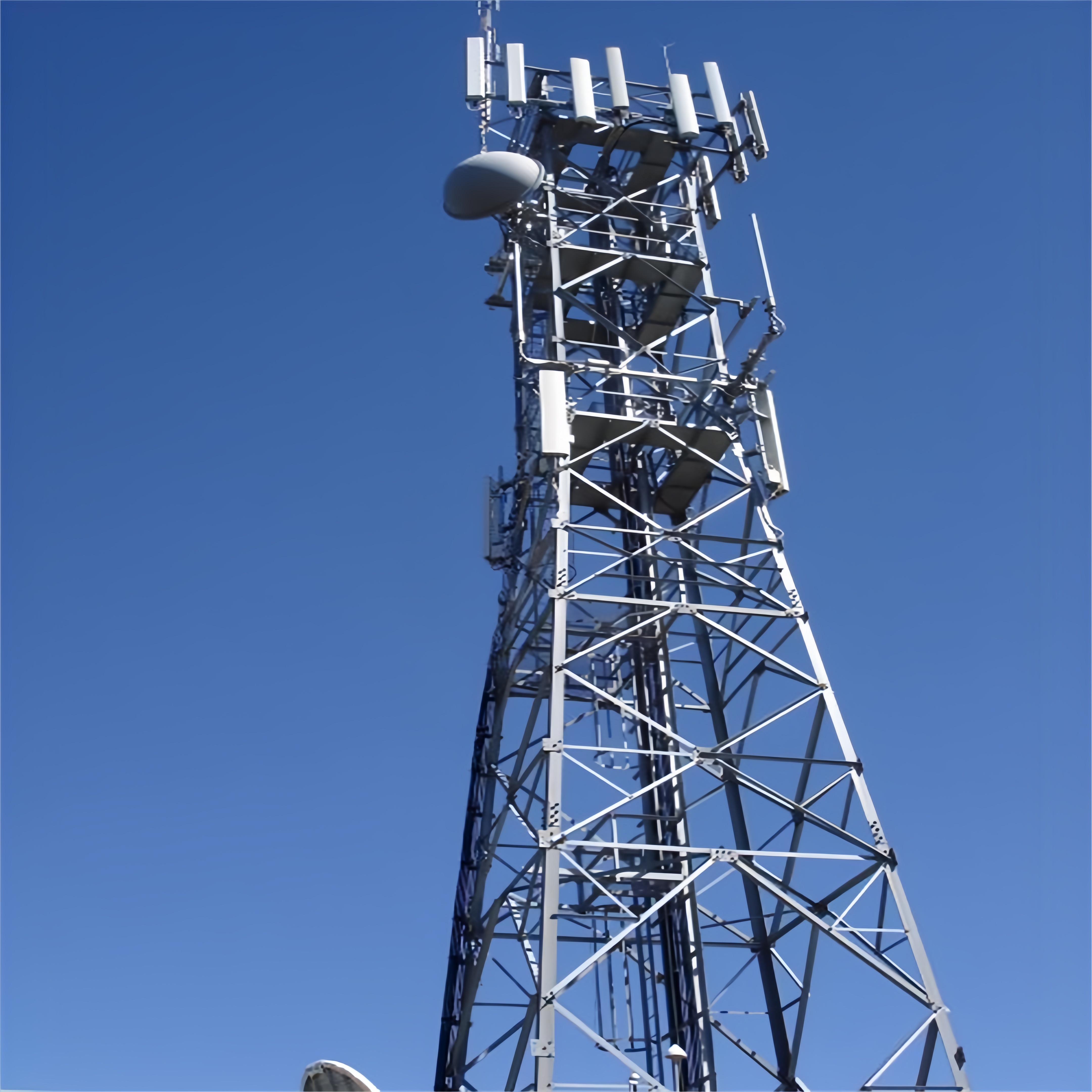
Long-haul backbone microwave towers are designed for inter-city and cross-regional high-capacity transmission links, serving as the backbone of wireless transmission networks. They usually adopt heavy-duty lattice structures to carry multiple sets of large-diameter microwave antennas for long-distance, large-bandwidth signal transmission.
Key Structural & Performance Features:
Typical height range: 50m – 120m, customized according to terrain and line-of-sight requirements
Mostly 3-legged tubular or 4-legged angular lattice structure, with high torsional rigidity to ensure antenna pointing accuracy
Supports 4–12 sets of microwave antennas with diameters from 0.6m to 3.2m, and can be equipped with multi-layer working platforms
Designed for single-hop transmission distance up to 50–100km, suitable for PDH, SDH and IP microwave transmission systems
Reinforced wind and ice resistance design, suitable for various complex climatic environments
Primary Application Scenarios: Provincial and municipal telecom backbone transmission networks, cross-river and cross-mountain long-distance communication links, and trunk transmission in remote areas without fiber coverage.
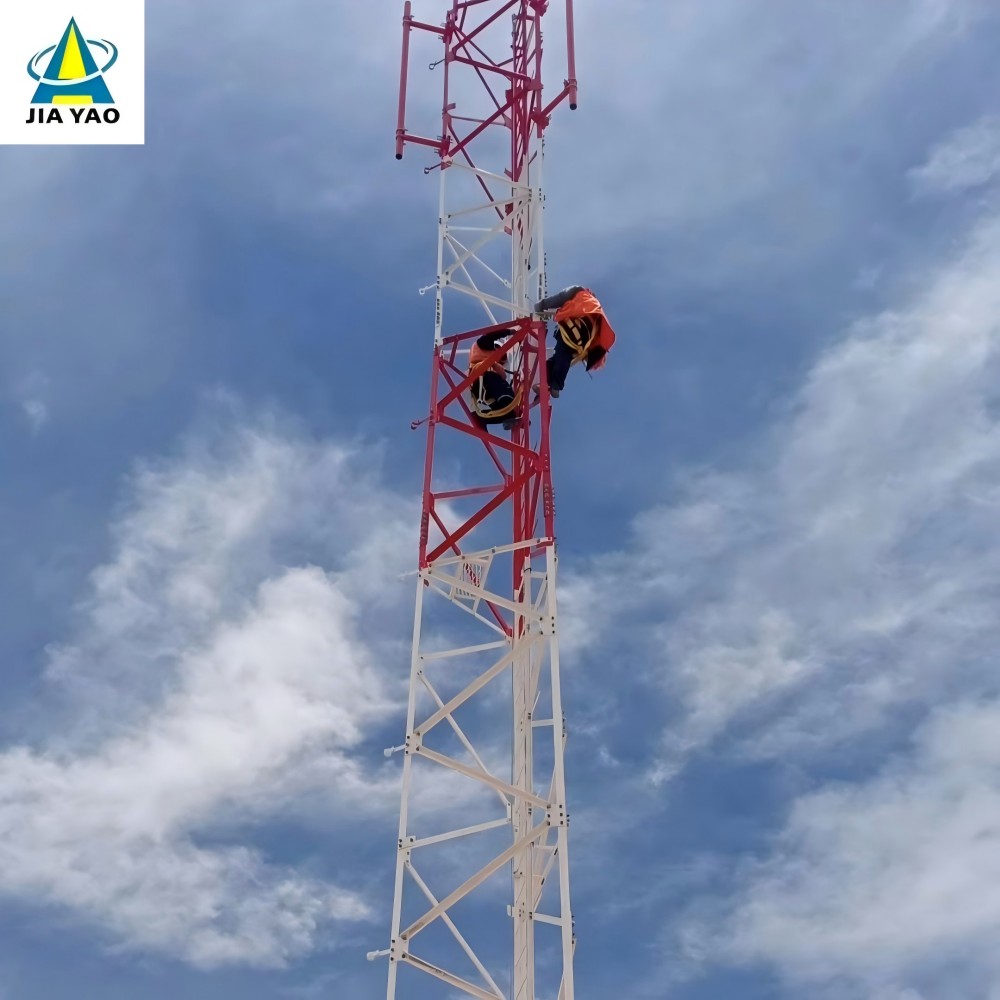
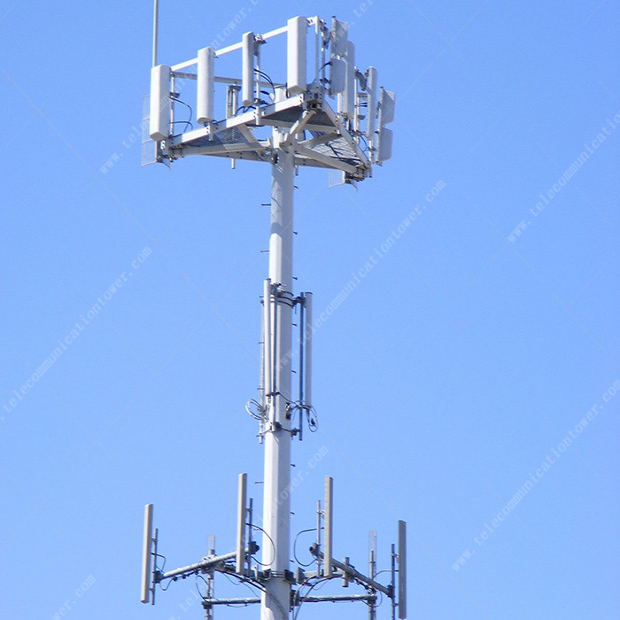
Short and medium haul access microwave towers are the most widely used type, mainly used for base station backhaul, urban access network and private network communication. They have flexible structural forms and can adapt to various urban and rural deployment scenarios.
Key Structural & Performance Features:
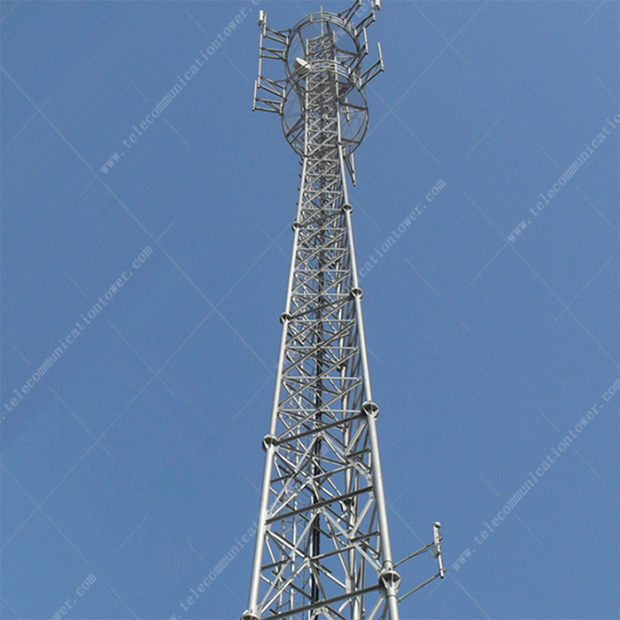
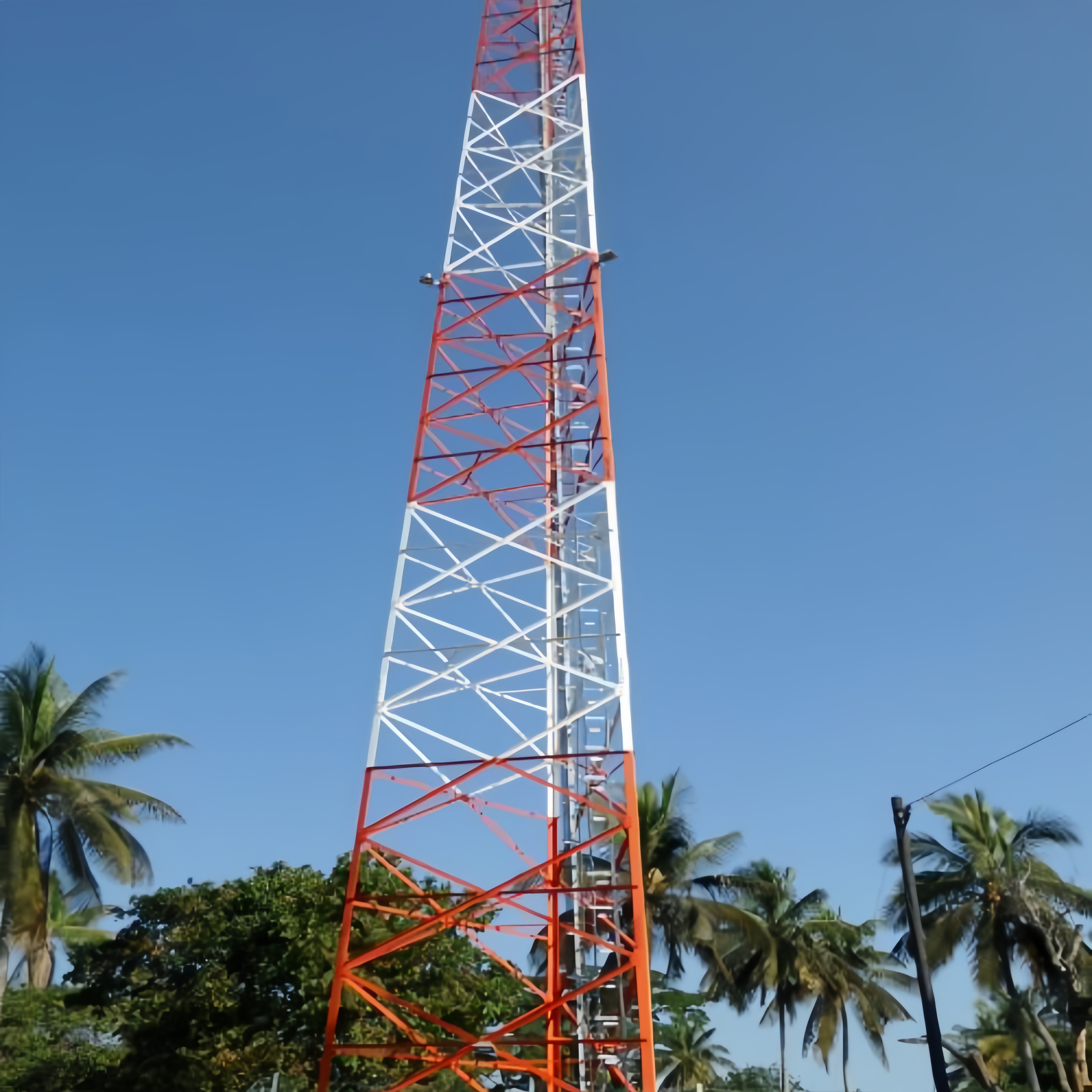
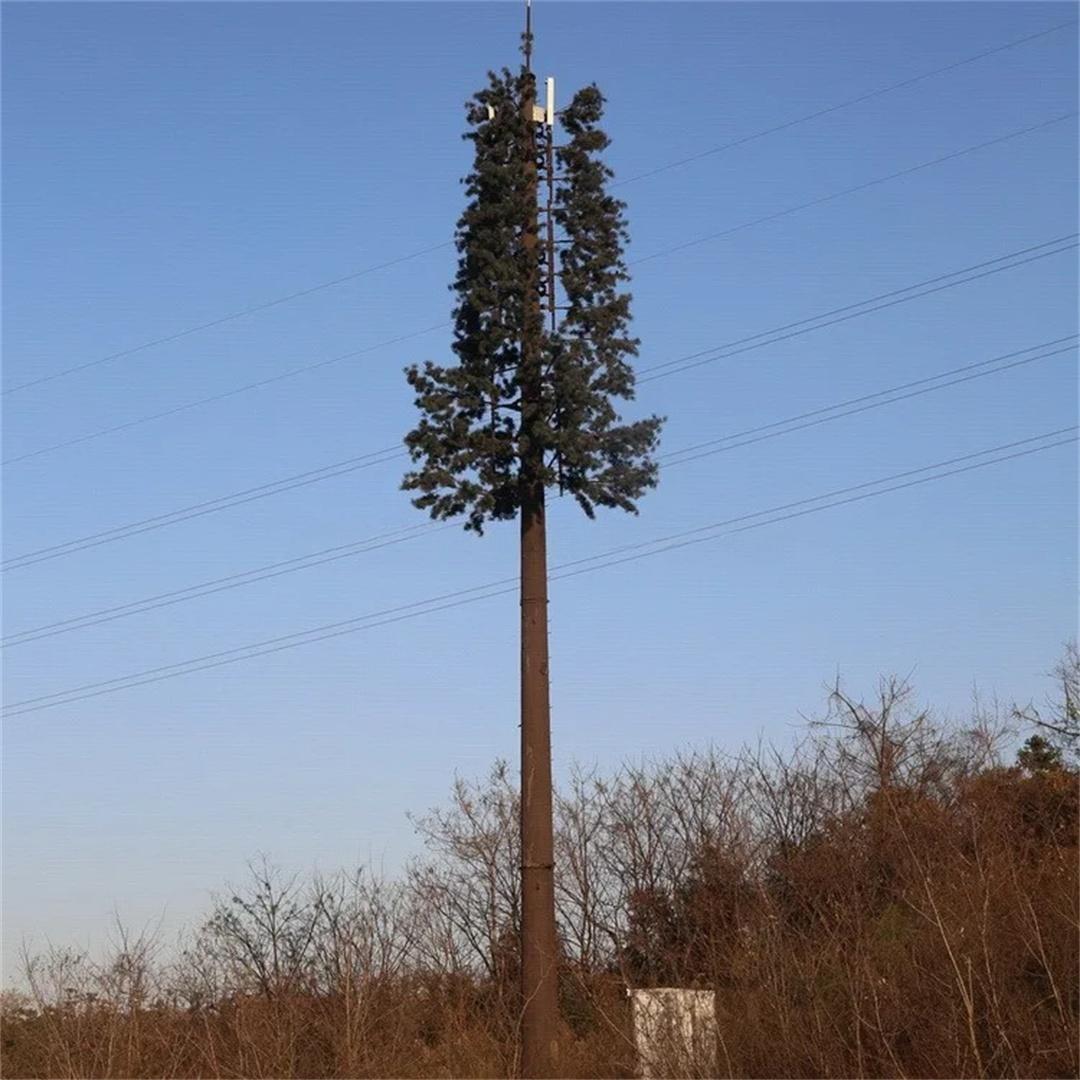
Typical height range: 20m – 60m, with monopole, tri-tubular and small lattice structures available
Carries 2–6 sets of small and medium-diameter microwave antennas, matching 5G base station backhaul and enterprise private network requirements
Compact design, small footprint, easy to coordinate for site acquisition in urban and suburban areas
Can be co-located with 4G/5G cellular antennas to realize one tower for multiple purposes and reduce comprehensive cost
Primary Application Scenarios: 5G base station wireless backhaul, urban and suburban access network, industrial park and mining area private communication, and temporary network access for construction sites.
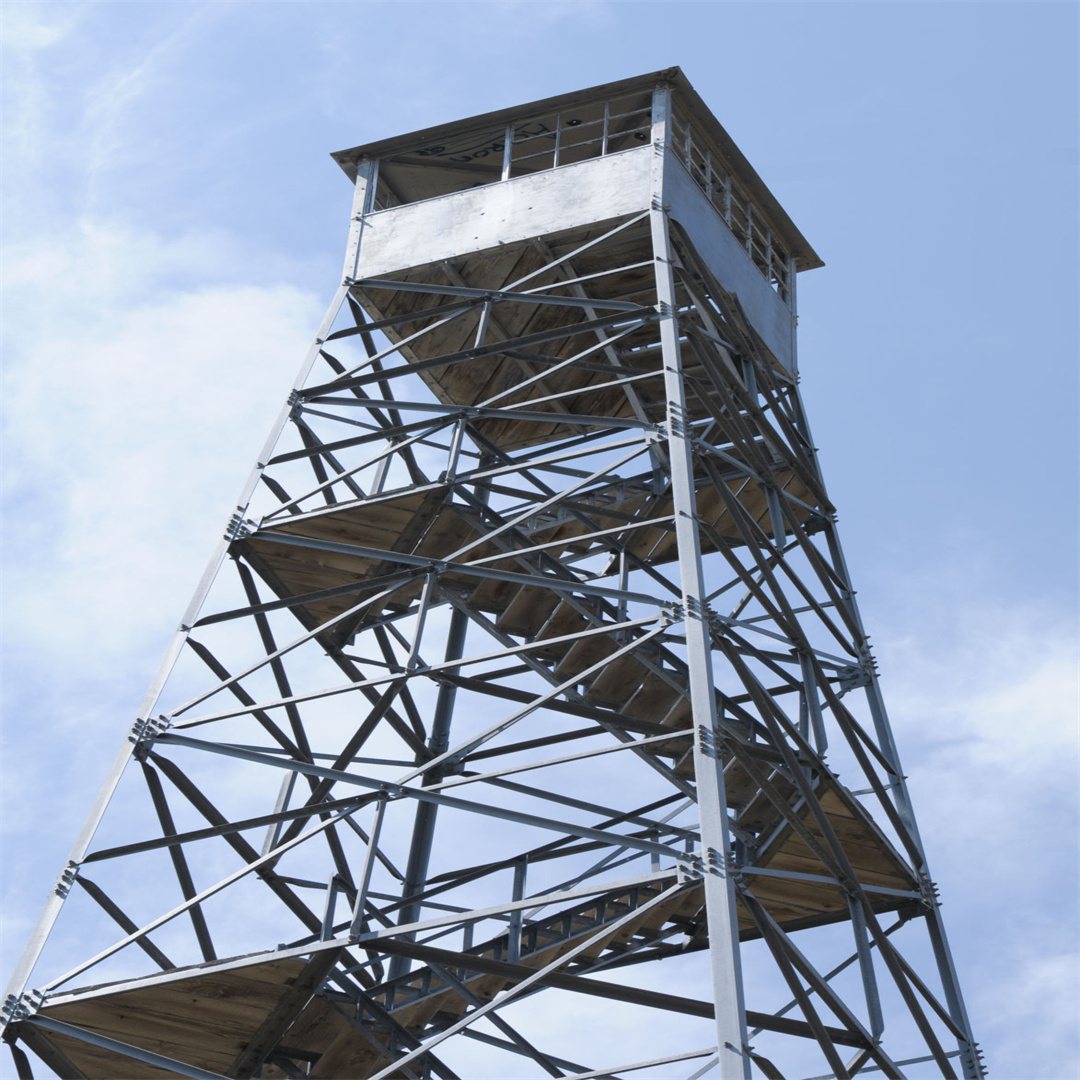
Portable emergency microwave towers are designed for temporary deployment and emergency restoration scenarios. They adopt telescopic or guyed lightweight structures, which can be quickly erected without permanent foundations to rapidly restore communication links.
Key Structural & Performance Features:
Typical height range: 10m – 30m, made of aluminum alloy or high-strength galvanized steel
Modular and lightweight design, single component weight ≤30kg, can be manually transported and assembled by 2–3 people
Deployment time of 2–4 hours, supporting rapid recovery of microwave links after disasters
Equipped with adjustable outriggers and guy wire systems, adaptable to uneven terrain such as mountains and ruins
Primary Application Scenarios: Post-disaster emergency communication restoration, temporary microwave links for large events, field engineering temporary communication, and emergency command system transmission.
Type | Height Range | Typical Structure | Antenna Capacity | Single-Hop Distance | Deployment Cycle |
Long-Haul Backbone Tower | 50m – 120m | 4-legged lattice / tri-tubular | 4–12 sets (0.6–3.2m diameter) | 30–100km | 15–30 days |
Short-Medium Haul Access Tower | 20m – 60m | Monopole / small lattice | 2–6 sets (0.3–1.2m diameter) | 5–30km | 7–15 days |
Portable Emergency Tower | 10m – 30m | Telescopic / guyed portable | 1–3 sets (0.3–0.6m diameter) | 2–15km | 2–4 hours |
Microwave transmission relies on unobstructed line-of-sight propagation. Tower height must be calculated according to terrain elevation, obstacle height and Fresnel zone clearance requirements to ensure that more than 60% of the first Fresnel zone is free of obstacles, so as to avoid signal attenuation and transmission interruption.
Microwave antennas have extremely high requirements for pointing accuracy, and angle deviation of even a few degrees will cause a sharp drop in received signal level. The tower structure must have sufficient torsional rigidity to control wind-induced deflection and torsion within the allowable range, ensuring stable alignment of microwave links.
Most microwave towers need to carry both microwave equipment and cellular communication antennas at the same time. The design shall reserve enough installation space and load margin, and reasonably arrange the position of each system to avoid electromagnetic interference between different frequency bands.
As key nodes of the transmission network, microwave towers must ensure stable operation in extreme weather. The design shall be based on local wind speed, ice thickness and corrosion grade, and adopt corresponding structural reinforcement and anti-corrosion schemes.
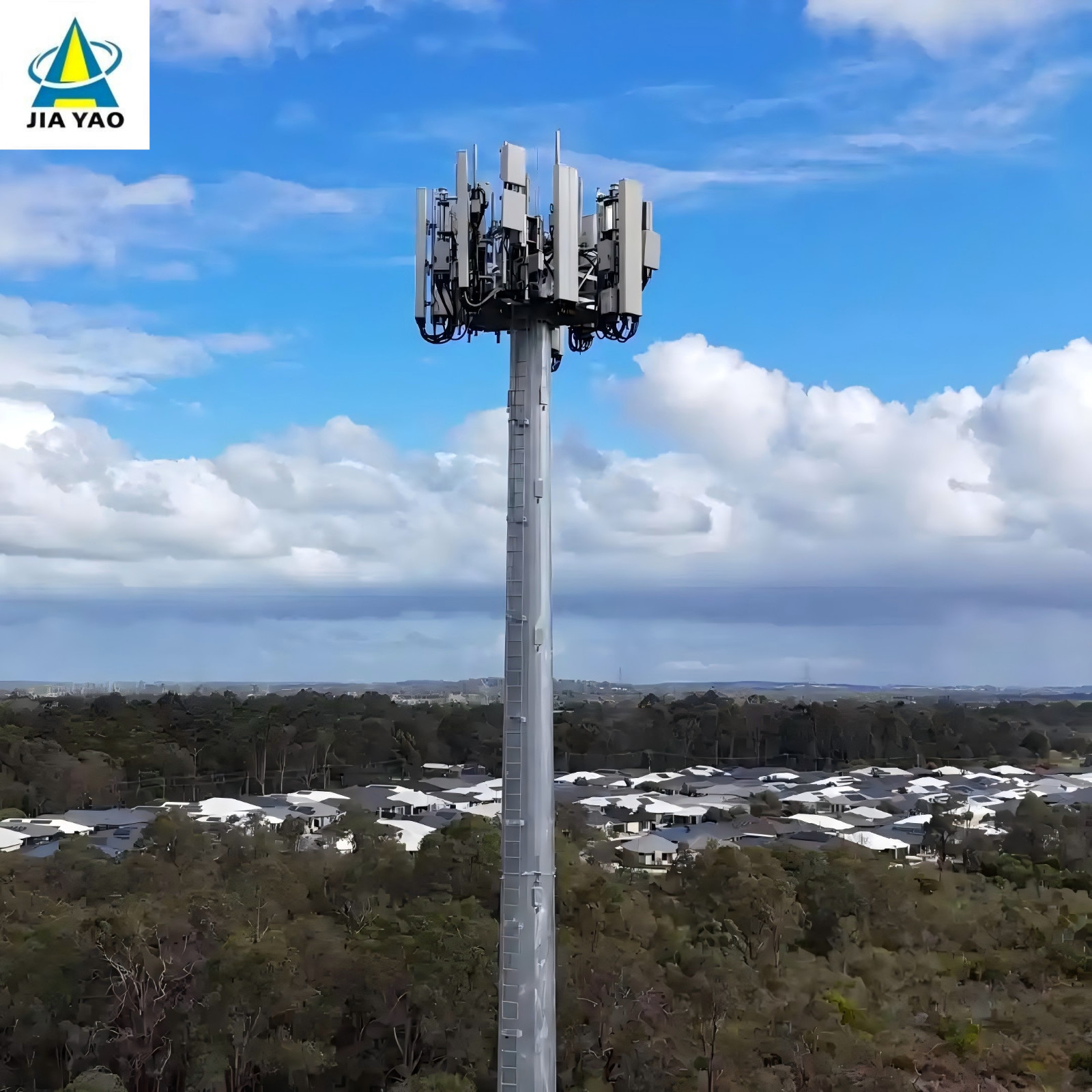
Lightning Protection Monopole Tower For Shopping Mall 5G Base Station
1. Select by transmission distance and capacity
For long-distance, large-capacity backbone links, choose heavy-duty 4-legged lattice long-haul towers
For base station backhaul and urban access, choose monopole or tri-tubular short-medium haul towers
For emergency and temporary scenarios, choose portable telescopic or guyed microwave towers
2. Select by site conditions
For urban areas with tight land use, prioritize monopole microwave towers with small footprint
For remote mountainous and rural areas with sufficient land, choose cost-effective lattice microwave towers
For areas with no road access and difficult construction, choose portable modular towers
3. Reserve upgrade margin
4. It is recommended to reserve 30–50% load margin during design to support subsequent capacity expansion and frequency band upgrade, avoiding secondary reconstruction of the tower.
All JIAYAO microwave communication towers are manufactured and tested in strict accordance with international standards:
Structural design: Compliant with ANSI/TIA-222-G, Eurocode 3 and GB 50017 standards
Anti-corrosion treatment: Full hot-dip galvanizing according to ASTM A123 and ISO 1461, minimum zinc layer thickness ≥85μm, ensuring 30+ years service life
Raw materials: High-quality Q235B / Q345B steel from top steel mills, with complete material quality certificates
Customization support: Fully customizable height, load, antenna configuration and anti-corrosion grade according to project requirements
Microwave communication towers are an indispensable part of modern communication networks, providing flexible, low-cost and high-reliability wireless transmission solutions for scenarios where optical fiber cannot be deployed. By selecting the appropriate tower type and following scientific design principles, operators can build stable and efficient microwave transmission links at a lower cost.
As a professional telecom infrastructure manufacturer with 10+ years of experience, JIAYAO provides full customized microwave tower solutions from design and production to installation guidance. If you have microwave transmission project requirements, contact us today for a free engineering design and quotation.