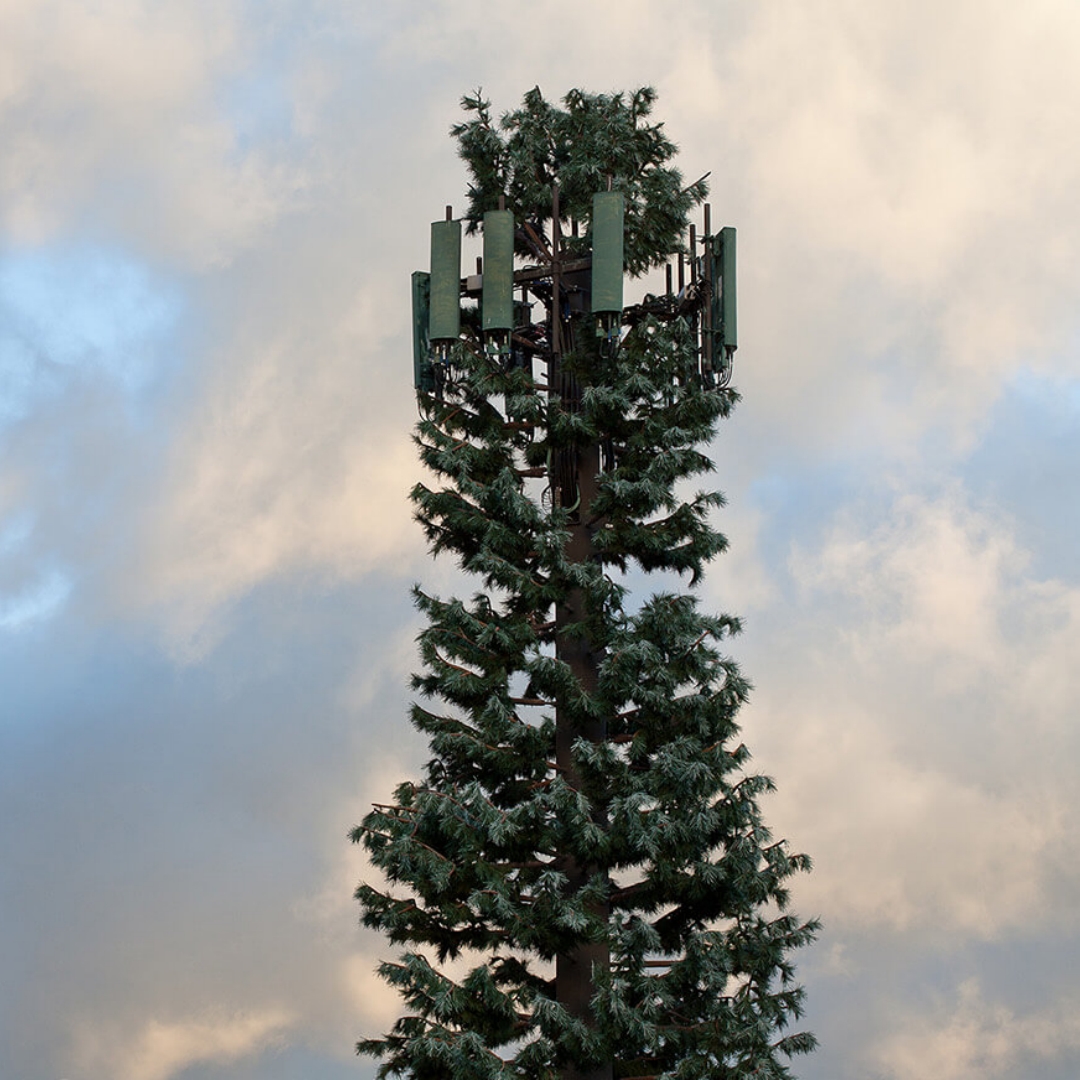
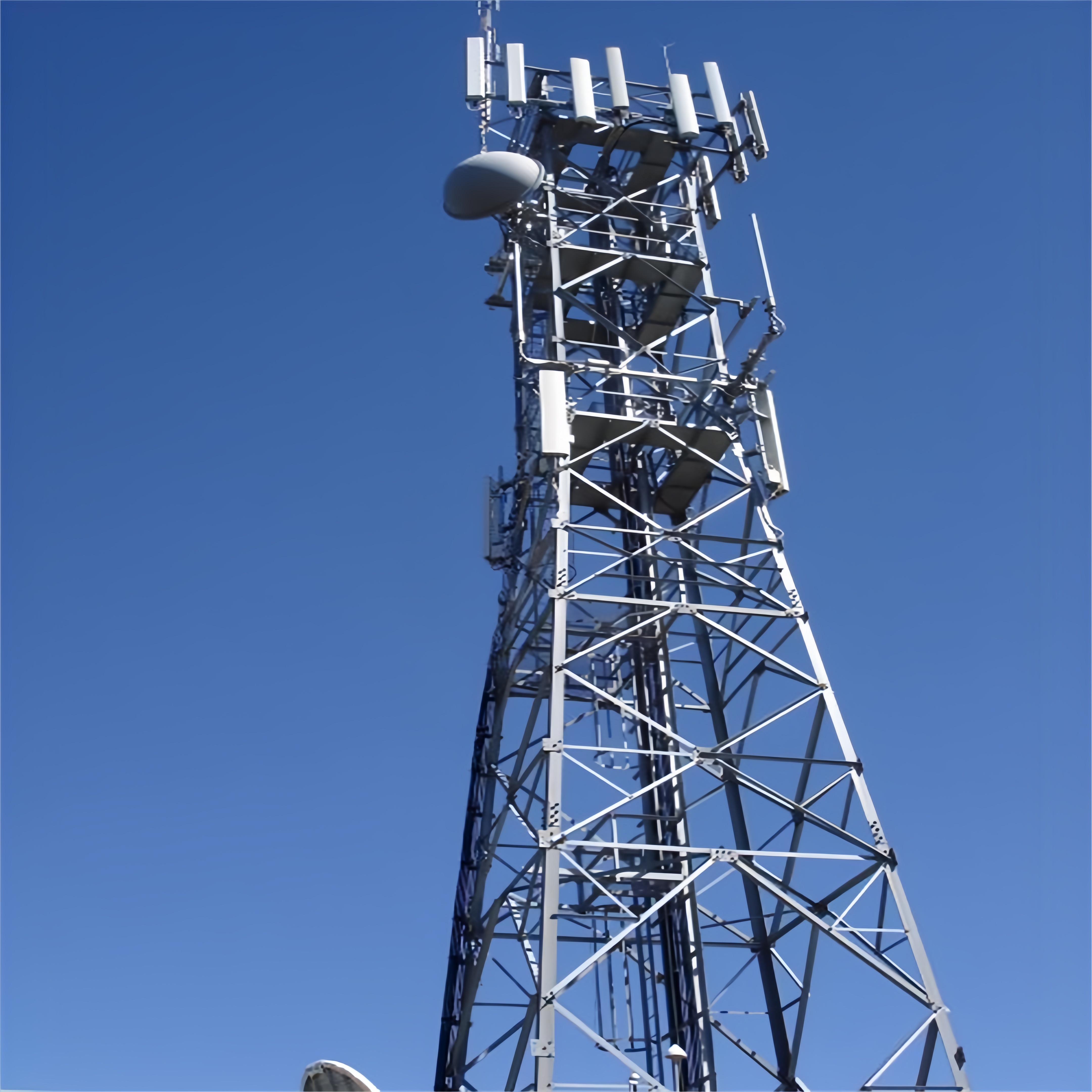
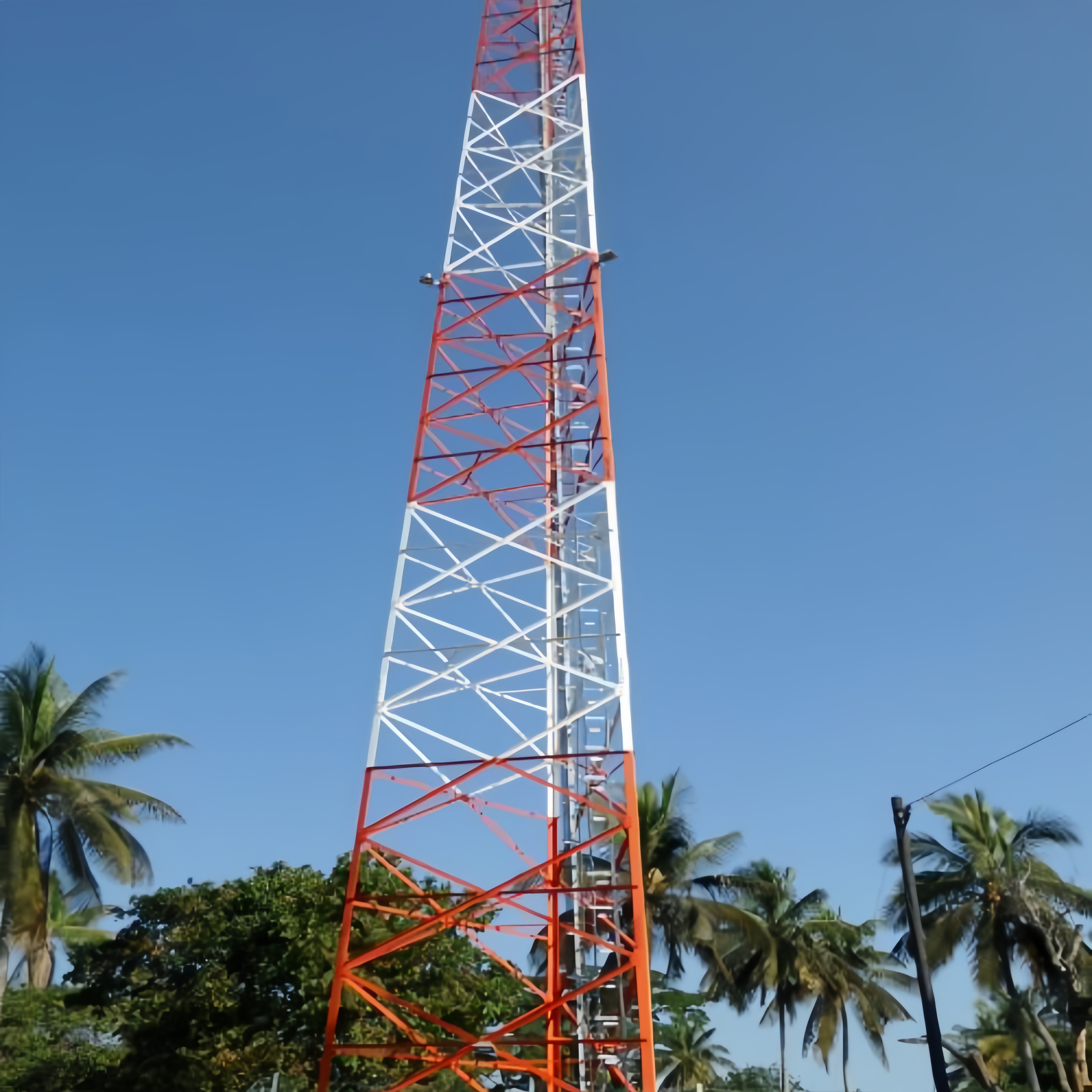
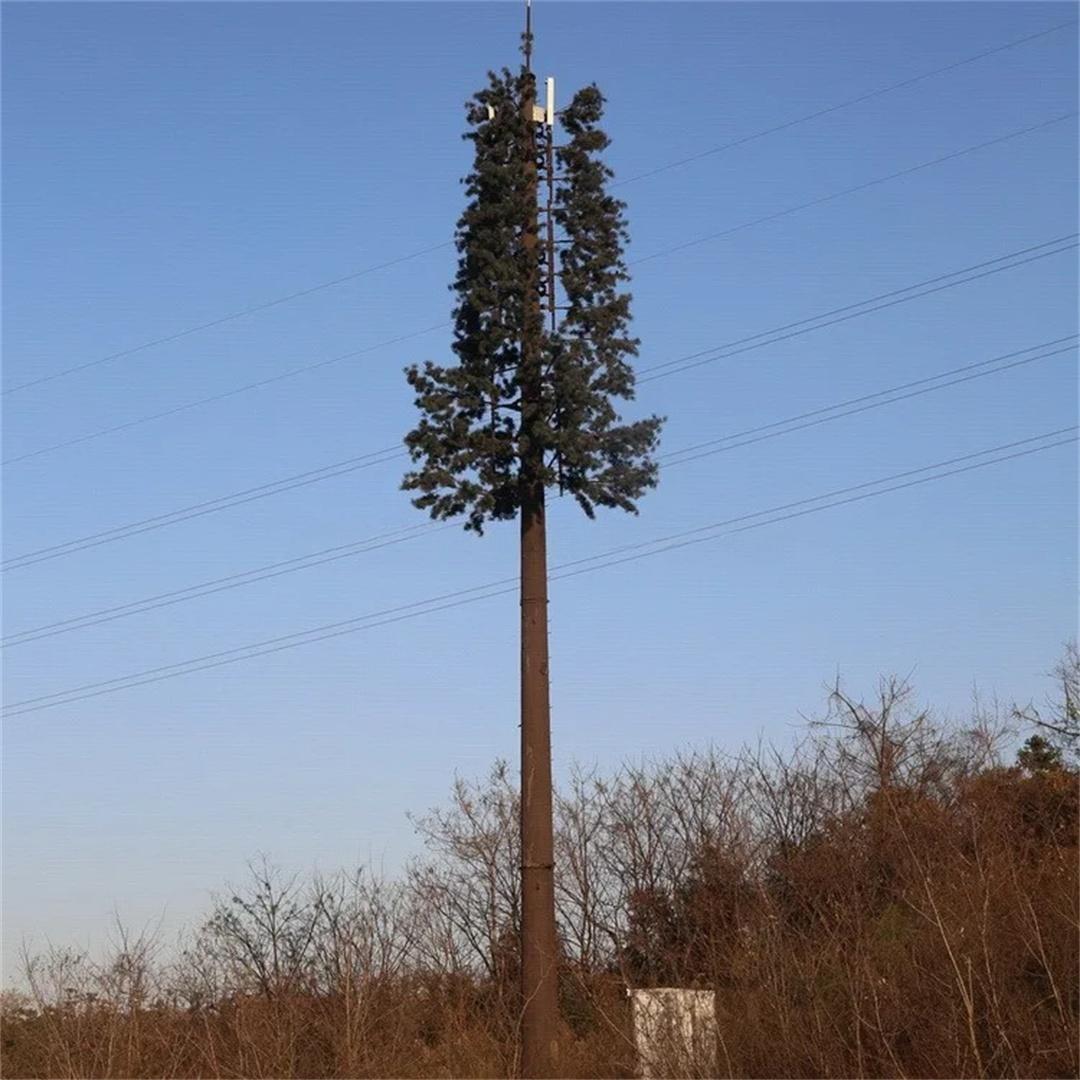
As 5G networks move from wide-area coverage to high-capacity densification, small cells have become the core solution for filling urban signal dead zones, improving indoor coverage, and boosting network capacity in high-traffic areas. Unlike large macro base station towers, 5G small cell support structures are compact, lightweight, and highly discreet, designed to fit into dense urban environments where land is scarce and aesthetic requirements are strict.
As a professional telecom infrastructure manufacturer, JIAYAO offers a full range of small cell tower and pole solutions optimized for urban deployment, with products deployed in over 55 countries worldwide. This guide breaks down the core types, design features, deployment best practices, and selection criteria for 5G small cell structures, helping operators and contractors deliver efficient, cost-effective urban 5G densification.
The street pole small cell mast is the most widely used ground-mounted small cell solution, designed for installation on sidewalks, street medians, and park green belts. It features a slim, single-pole structure with a typical height of 6m to 12m, integrating antenna mounting positions and equipment cabinets into a compact unit.
Key Features:
Ultra-slim pole body with a diameter of 114–219mm, minimal visual impact on the streetscape
Integrated equipment cabinet at the base, with built-in power supply and heat dissipation
Standardized top mounting interface, compatible with all mainstream 5G small cell antennas
Hot-dip galvanized steel body with optional color-matched paint for urban landscape coordination
Best For: Urban residential streets, commercial sidewalks, community green belts, and suburban road coverage.
The smart street light integrated pole combines 5G communication, public lighting, and smart city functions into a single structure. It is the preferred solution for new urban road construction and smart city projects, achieving "one pole for multiple uses" and reducing repeated construction.
Key Features:
Integrated functions: 5G antenna mount, LED street light, traffic sign bracket, monitoring camera, and public broadcast
Hidden antenna design: all communication equipment is built into the pole body or lampshade, no exposed devices
Optional smart modules: environmental sensors, 5G WIFI hotspots, and emergency call buttons
Unified appearance design, highly coordinated with urban road landscape
Best For: New urban roads, smart city demonstration zones, commercial pedestrian streets, and scenic area roads.
The wall-mounted small cell bracket is a space-saving solution installed directly on the exterior walls of buildings, requiring no ground land at all. It consists of a galvanized steel mounting bracket and a matching equipment box, with a typical extension length of 0.5m to 2m.
Key Features:
Zero ground occupation, completely solving the difficulty of urban site acquisition
Lightweight design, total weight less than 50kg, suitable for most building exterior walls
Adjustable angle and length, flexible antenna pointing adjustment for optimal coverage
Quick installation, can be completed by 2 workers in 2–4 hours
Best For: Dense urban core areas, old residential communities, alleyways, and building shadow signal dead zones.
The rooftop mini pole is designed for installation on building rooftops, providing targeted coverage for high-rise buildings and surrounding areas. With a typical height of 2m to 6m, it is lightweight and non-intrusive, making it ideal for 5G capacity supplementation in urban high-rise zones.
Key Features:
Ultra-lightweight structure, total load less than 200kg, suitable for most building roof load conditions
Non-penetrating weighted base option, no damage to roof waterproof layer
Discreet appearance, can be painted to match building exterior color
Supports 2–4 small cell antennas simultaneously, covering multiple directions
Best For: High-rise residential buildings, office buildings, shopping mall rooftops, and urban high-traffic area capacity enhancement.
Type | Height Range | Footprint | Installation Time | Visual Impact | Best Scenario |
Street Pole Mast | 6m – 12m | 0.5 – 1 ㎡ | 1 – 2 days | Low | Urban streets, communities |
Smart Light Pole | 8m – 15m | 0.8 – 1.2 ㎡ | 2 – 3 days | Very Low | New roads, smart cities |
Wall-Mounted Bracket | 0.5 – 2m extension | 0 (wall-mounted) | 2 – 4 hours | Minimal | Dense old urban areas |
Rooftop Mini Pole | 2m – 6m | 0.3 – 0.8 ㎡ | 4 – 8 hours | Very Low | High-rise building rooftops |
Solve Urban Site Shortage
Small cell structures require very little or no ground land, greatly reducing the difficulty of site acquisition and approval in dense urban areas, and shortening the project construction cycle.
Low Visual Impact
The compact, concealed design blends into the urban landscape, effectively reducing public opposition to communication infrastructure construction.
Fast Deployment & Low Cost
The construction period is only 1/3 to 1/5 of that of macro towers, and the total project cost is 60–80% lower, making it suitable for large-scale dense deployment.
Flexible & Scalable
It can be flexibly added or relocated according to network traffic changes, adapting to the dynamic adjustment needs of 5G networks.
For urban dense areas: station spacing of 200–300m to ensure continuous 5G coverage
For general urban areas: station spacing of 300–500m to balance coverage and cost
Avoid installing small cells in low-lying or heavily obstructed positions to ensure signal propagation effect
Ground pole type: antenna height of 6–10m, covering 150–300m radius
Wall-mounted type: installation height of 4–8m, covering 100–200m radius
Rooftop type: antenna height of 2–4m above the roof surface, covering 200–400m radius
Reserve 220V mains power interface near the installation position, with power of 500–1000W per station
Prioritize fiber optic backhaul to ensure 5G high-speed transmission performance; wireless backhaul can be used for difficult-to-wire positions
The installation must comply with local municipal planning and landscape requirements
Keep a safe distance from high-voltage lines and gas pipelines
The grounding system must meet the standard, with grounding resistance ≤10Ω, to ensure lightning protection safety
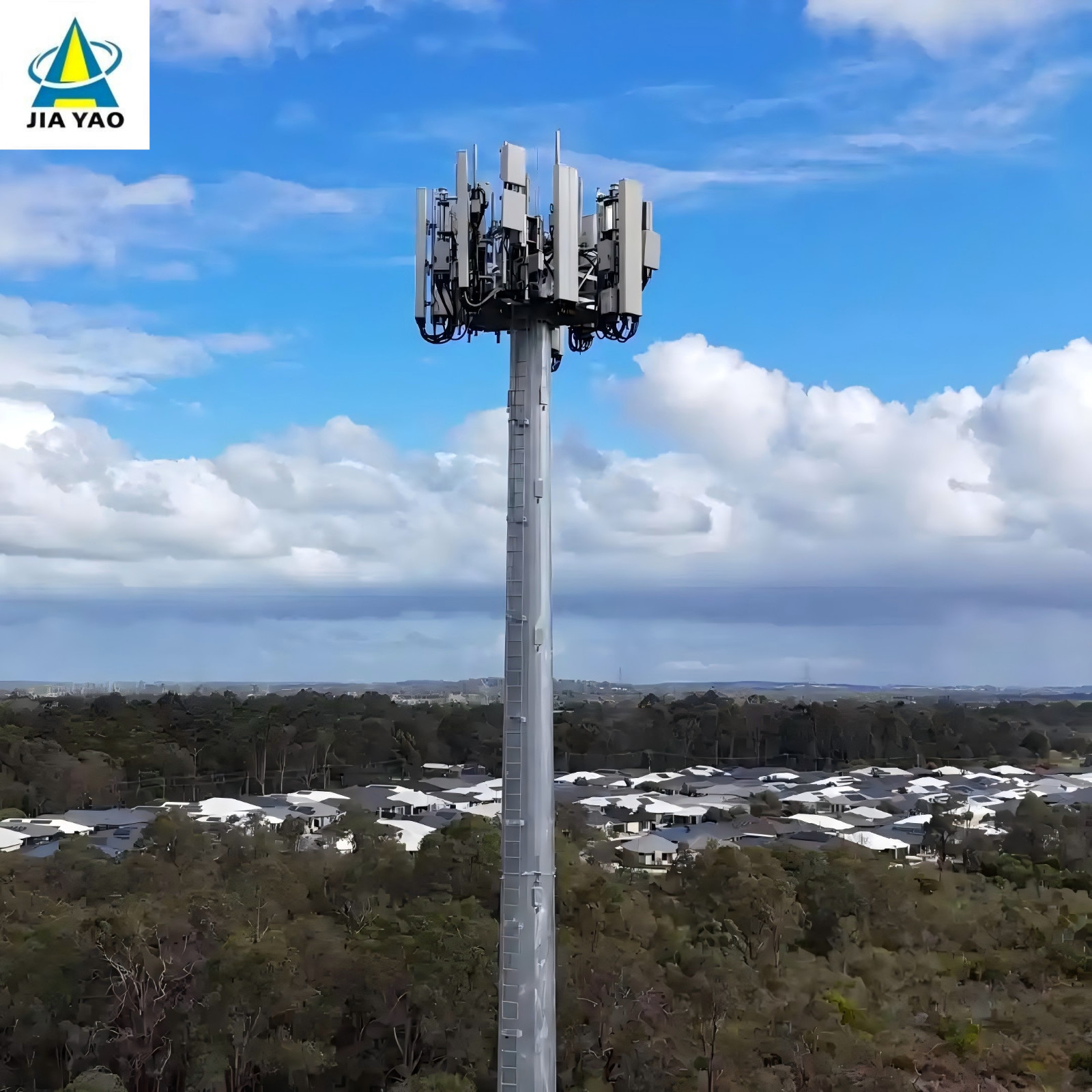
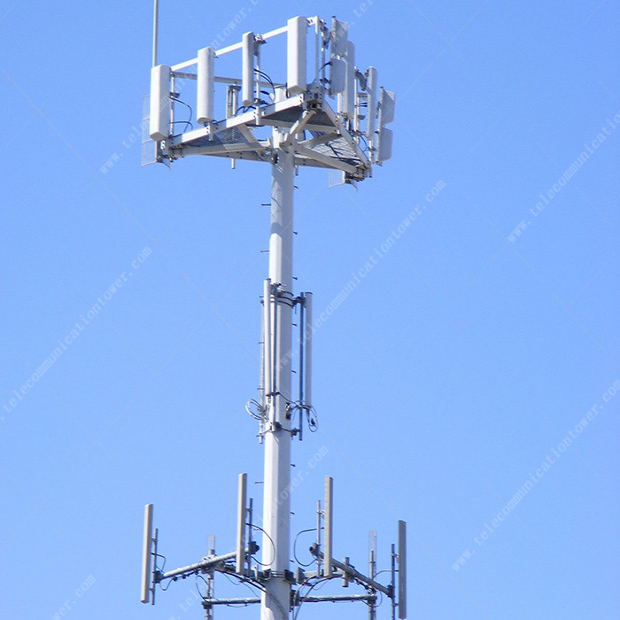
Lightning Protection Monopole Tower For Shopping Mall 5G Base Station
Choose street pole masts for urban road and community coverage with available ground space
Choose smart light poles for new road construction and smart city projects requiring multi-function integration
Choose wall-mounted brackets for dense old urban areas with no available ground land
Choose rooftop mini poles for high-rise building areas and rooftop capacity supplementation
All JIAYAO small cell structures are manufactured in strict accordance with international standards:
Raw materials: High-quality Q235B/Q345B steel, sourced from top domestic steel mills
Anti-corrosion: Full hot-dip galvanizing in accordance with ASTM A123 and ISO 1461 standards, zinc layer thickness ≥85μm
Structural design: Compliant with ANSI/TIA-222-G and Eurocode 3 standards, designed for 30+ years service life
Customization: Support customized height, color, function modules and mounting interfaces according to project requirements
5G small cell structures are the core infrastructure for urban 5G network densification and signal dead zone filling. By selecting the right type of small cell structure for different scenarios and following scientific deployment principles, operators can achieve high-quality 5G coverage at the lowest cost and the fastest speed.
As a professional telecom tower manufacturer with 10+ years of experience, JIAYAO provides full customized small cell solutions for global customers, from design and production to installation guidance. If you have 5G densification project needs, contact us today for a free design scheme and quotation.