3. Drilled Shaft Foundation
The drilled shaft foundation (also called caisson foundation) is a type of deep foundation where a large-diameter hole is drilled into the ground and filled with reinforced concrete. It provides higher load capacity than pile foundations and is less disruptive during construction.
Key Features:
Very high vertical and lateral load capacity
Minimal vibration during construction
Suitable for urban areas with nearby buildings
Can be customized to match specific soil conditions
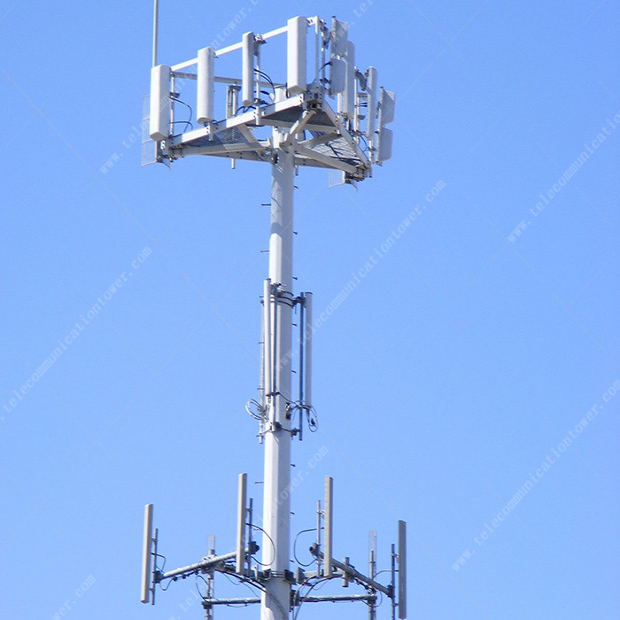
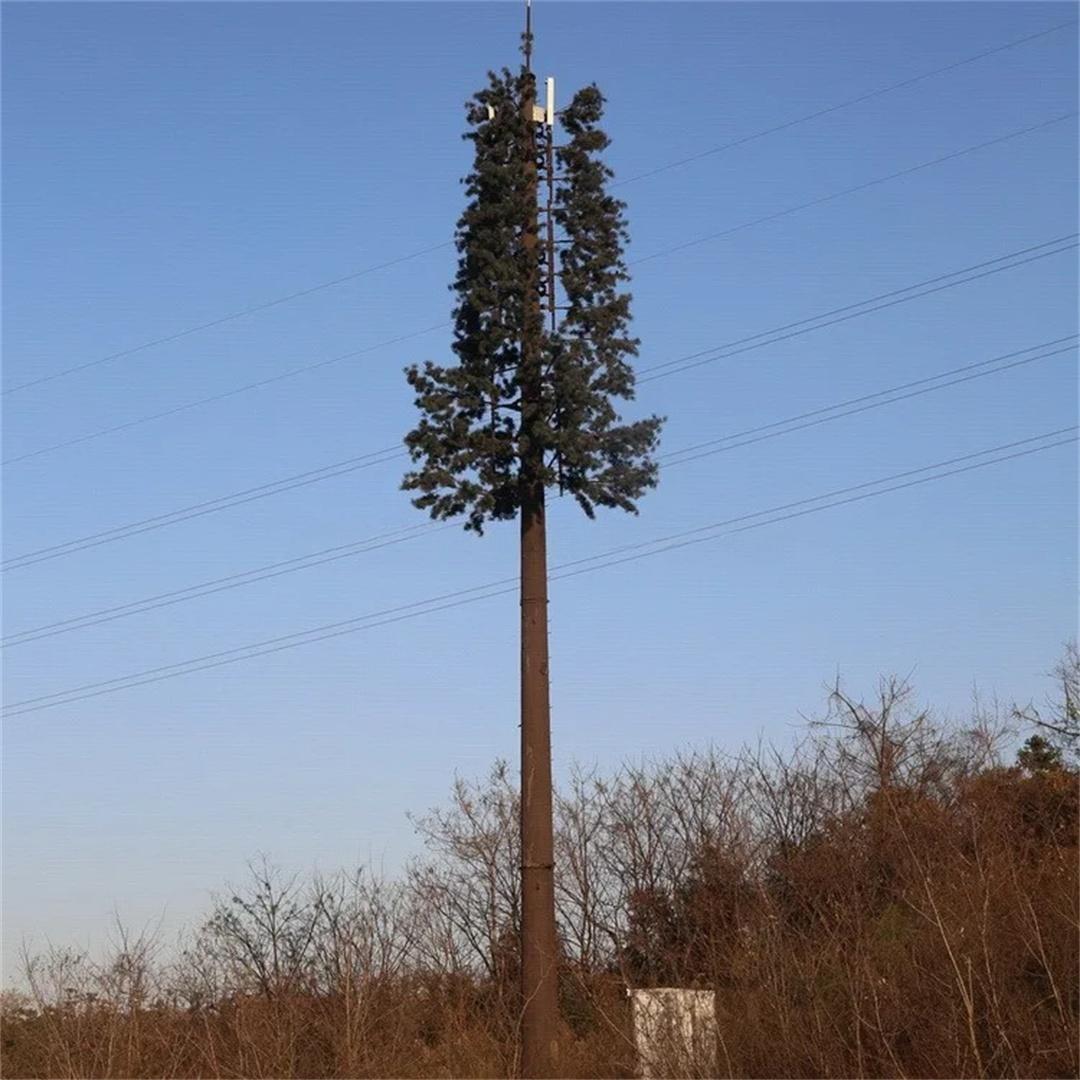
Best For: Urban monopole towers, heavy-duty broadcast towers and sites with strict noise and vibration restrictions.
4. Guyed Tower Anchor Foundation
The guyed tower anchor foundation is specifically designed to resist the large horizontal and uplift forces from guy wires. It typically consists of a heavy concrete block or a drilled anchor embedded deep into the ground.
Key Features:
Designed to resist both horizontal and uplift loads
Multiple anchor points distributed around the tower
Can be adjusted for different guy wire angles
Cost-effective for tall guyed towers
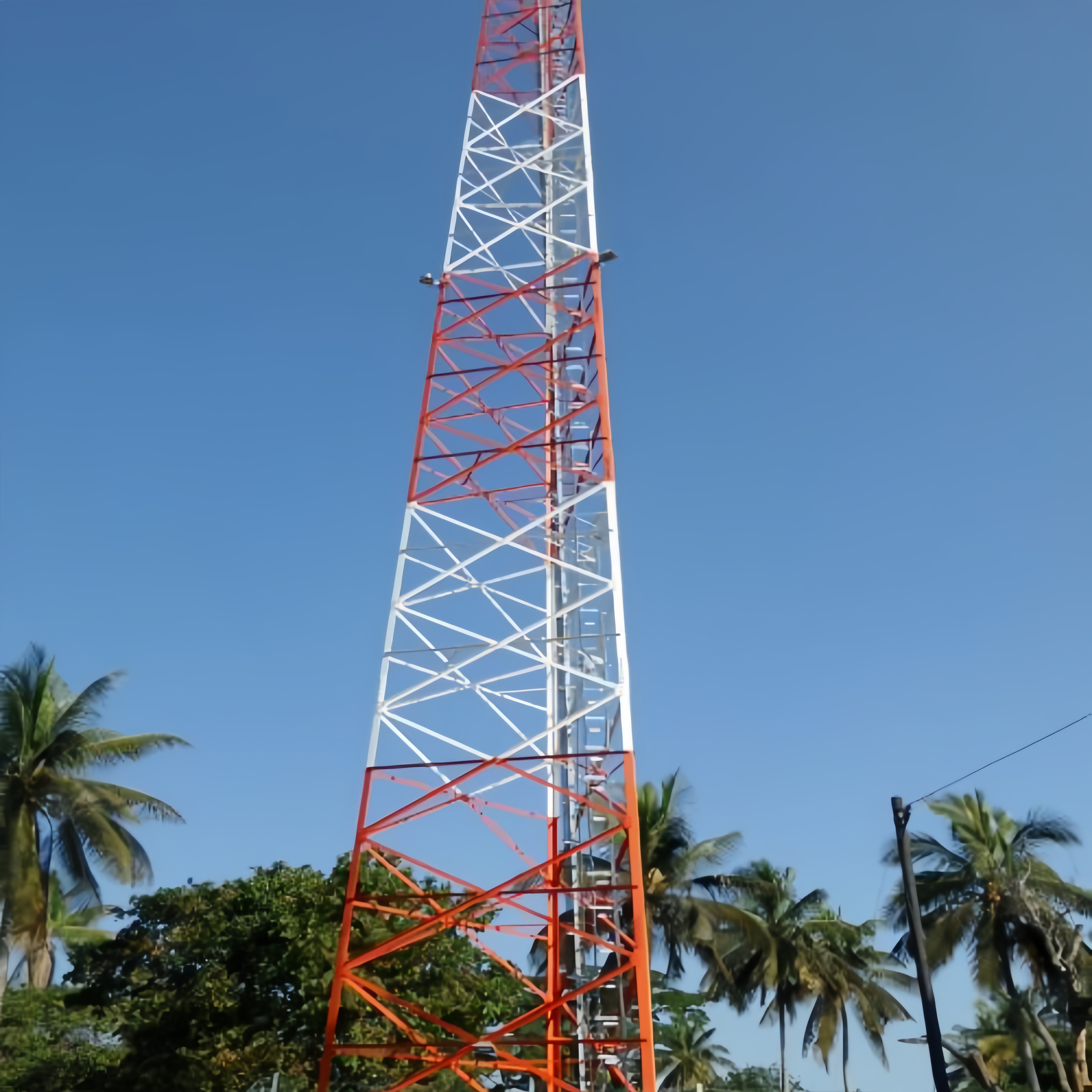
Best For: All guyed wire towers (telecom, broadcast and wind measurement masts) ranging from 30m to 200m in height.
5. Rooftop Tower Foundation
The rooftop tower foundation is specially engineered for installation on building rooftops, designed to distribute the tower load evenly across the building's structural columns without damaging the roof structure.
Key Features:
Non-penetrating design available (weighted base)
Distributes load over multiple structural columns
Does not damage roof waterproofing
Easy to remove and relocate
Best For: All types of rooftop towers (lattice, monopole and integrated poles) on commercial, residential and industrial buildings.
Quick Comparison Table
Foundation Type | Typical Load Capacity | Suitable Soil Bearing Capacity | Construction Time | Cost Level |
Concrete Pad | 50-500 tons | ≥100kPa | 7-14 days | Low |
Pile | 200-2000 tons | <100kPa | 14-21 days | High |
Drilled Shaft | 500-5000 tons | Any | 10-18 days | Medium-High |
Guyed Anchor | 10-200 tons per anchor | ≥80kPa | 5-10 days | Low-Medium |
Rooftop Weighted | 0.5-5 tons | N/A | 1-3 days | Low |
Key Design Principles for Telecom Tower Foundations
1. Geotechnical Site Investigation
A comprehensive geotechnical survey is the first and most important step in foundation design. It should include:
Soil type and classification
Bearing capacity at different depths
Water table level
Soil settlement characteristics
Seismic activity for earthquake-prone areas
2. Load Calculation
All foundations must be designed to resist three types of loads:
Vertical loads: Tower weight, equipment weight and ice load
Horizontal loads: Wind load and seismic load
Uplift loads: Uplift forces from wind and guy wires
A minimum safety factor of 1.5x is required for all load conditions.
3. Settlement Control
Differential settlement (uneven settling of the foundation) is one of the most common causes of tower tilt. Foundations must be designed to limit total settlement to less than 50mm and differential settlement to less than 1/1000 of the tower height.
4. Corrosion Protection
For foundations in corrosive environments (coastal areas, industrial zones), additional protection measures are required:
Use corrosion-resistant steel reinforcement
Apply epoxy coating to steel bars
Use sulfate-resistant concrete
Install cathodic protection for deep foundations
Common Foundation Problems & Prevention
1. Tower Tilt
Cause: Uneven settlement, poor soil compaction or foundation design errors
Prevention: Conduct thorough geotechnical survey, use proper reinforcement and ensure uniform concrete pouring
2. Foundation Cracking
Cause: Excessive load, poor concrete quality or temperature changes
Prevention: Use proper concrete mix design, install temperature reinforcement and cure concrete properly
3. Uplift Failure
Cause: Insufficient foundation weight or anchor depth
Prevention: Calculate uplift loads accurately and use appropriate foundation weight or anchor depth
4. Corrosion Damage
Cause: Exposure to salt water, chemicals or acidic soil
Prevention: Use corrosion-resistant materials and apply protective coatings
Quality Control Standards
All JiaYao tower foundations are designed and constructed in accordance with international standards:
ANSI/TIA-222-G: Structural standard for antenna supporting structures
ACI 318: Building code requirements for structural concrete
Eurocode 7: Geotechnical design standard
GB 50007: Chinese code for design of building foundations
We provide complete foundation design drawings, calculation reports and construction guidance for all our tower products, ensuring compliance with local building codes and regulations.
JiaYao's Foundation Engineering Services
As a full-service telecom infrastructure provider, JiaYao offers comprehensive foundation engineering solutions:
Free geotechnical assessment: We review your site survey data and recommend the optimal foundation type
Custom foundation design: Our engineering team provides detailed foundation drawings and calculation reports
Construction supervision: We offer on-site construction guidance to ensure proper installation
Quality inspection: We conduct post-construction foundation inspection and load testing
Global compliance: Our designs meet all international and local building standards
With over 10,000 tower foundations successfully installed worldwide, we have the experience and expertise to handle even the most challenging site conditions.
Conclusion
A properly designed and constructed foundation is essential for the long-term safety, stability and performance of any telecom tower. By selecting the right foundation type for your site conditions, following sound engineering principles and implementing strict quality control measures, you can ensure your telecom infrastructure will provide reliable service for 30+ years.
At JiaYao, we are committed to delivering complete end-to-end solutions for all your telecom infrastructure needs, from tower design to foundation engineering and installation support. Contact us today to discuss your project requirements and receive a free customized foundation design and quotation.