As global 5G network deployment enters its peak phase, proper antenna integration has become the most critical factor determining network coverage quality, capacity, and cost efficiency. Unlike 4G systems that typically use 2-4 antennas per tower, 5G base stations require 8-16 antennas (including Massive MIMO arrays), significantly increasing the load and wind resistance requirements for telecom towers.
As a leading telecom tower manufacturer with over 10 years of experience, JiaYao has designed and supplied antenna-integrated towers for more than 10,000 5G base stations worldwide. This guide breaks down the core principles of 5G antenna integration, optimal configurations for different tower types, and key design considerations to help you build high-performance, future-proof 5G infrastructure.
Common 5G Antenna Types & Their Requirements
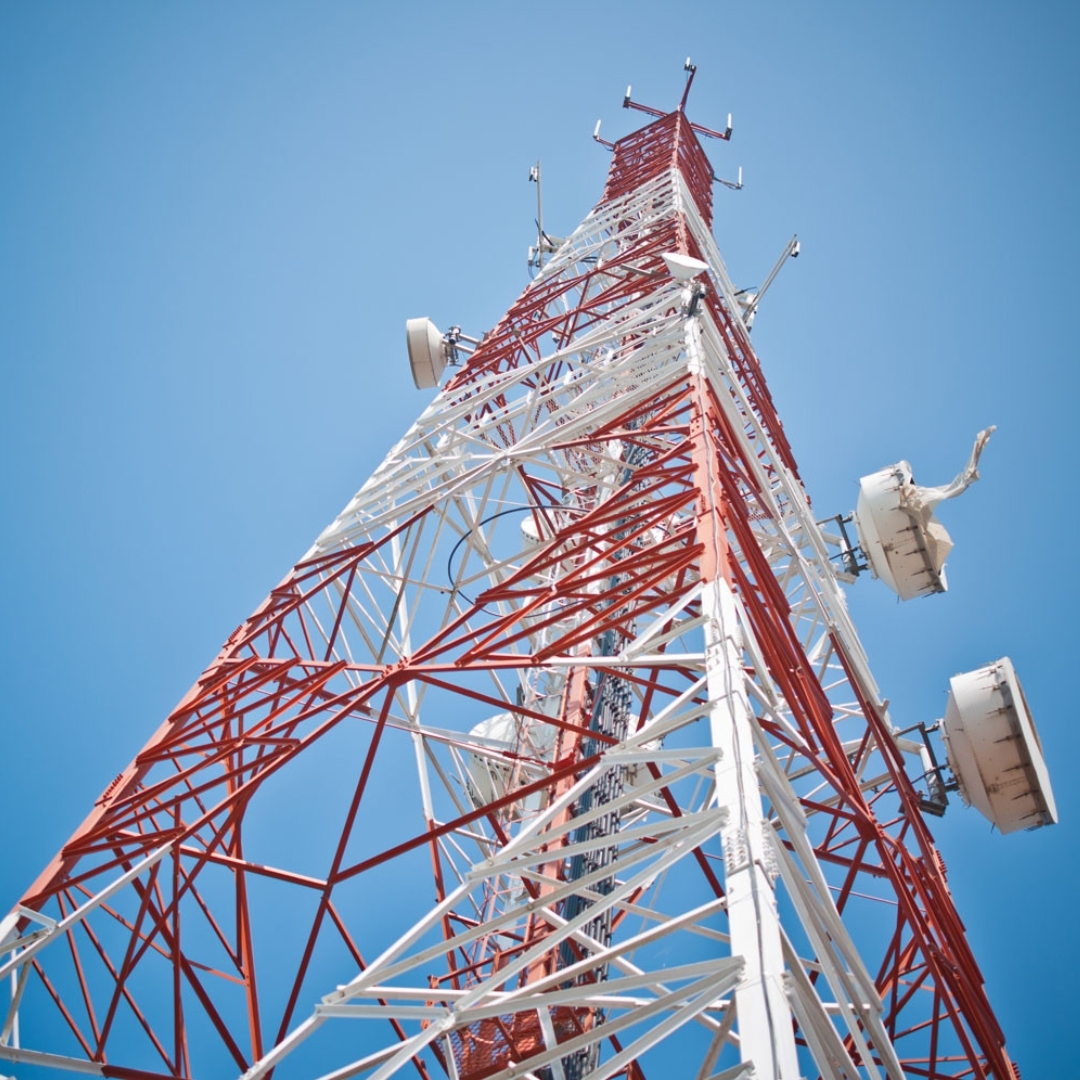
1. Massive MIMO Antenna
The core component of 5G networks, Massive MIMO antennas use 64T64R or 32T32R arrays to deliver high-speed, high-capacity connectivity.
Weight: 30-50kg per unit
Wind load: 0.8-1.2 m² per unit
Mounting requirements: Requires rigid, vibration-free support
Typical quantity: 3-6 units per macro base station
2. 4G/5G Dual-Band Antenna
Combines 4G and 5G frequency bands in a single unit, ideal for network upgrade projects.
Weight: 20-35kg per unit
Wind load: 0.5-0.8 m² per unit
Mounting requirements: Standard pole mount
Typical quantity: 3-4 units per base station
3. Microwave Backhaul Antenna
Used for point-to-point data transmission between base stations.
Weight: 15-40kg per unit (depending on diameter)
Wind load: 0.3-1.5 m² per unit
Mounting requirements: Precise alignment capability
Typical quantity: 1-4 units per base station
4. Small Cell Antenna
Compact, low-power antennas for urban densification and indoor coverage.
Weight: 5-15kg per unit
Wind load: 0.1-0.3 m² per unit
Mounting requirements: Flexible mounting on poles, walls or rooftops
Typical quantity: 2-8 units per site

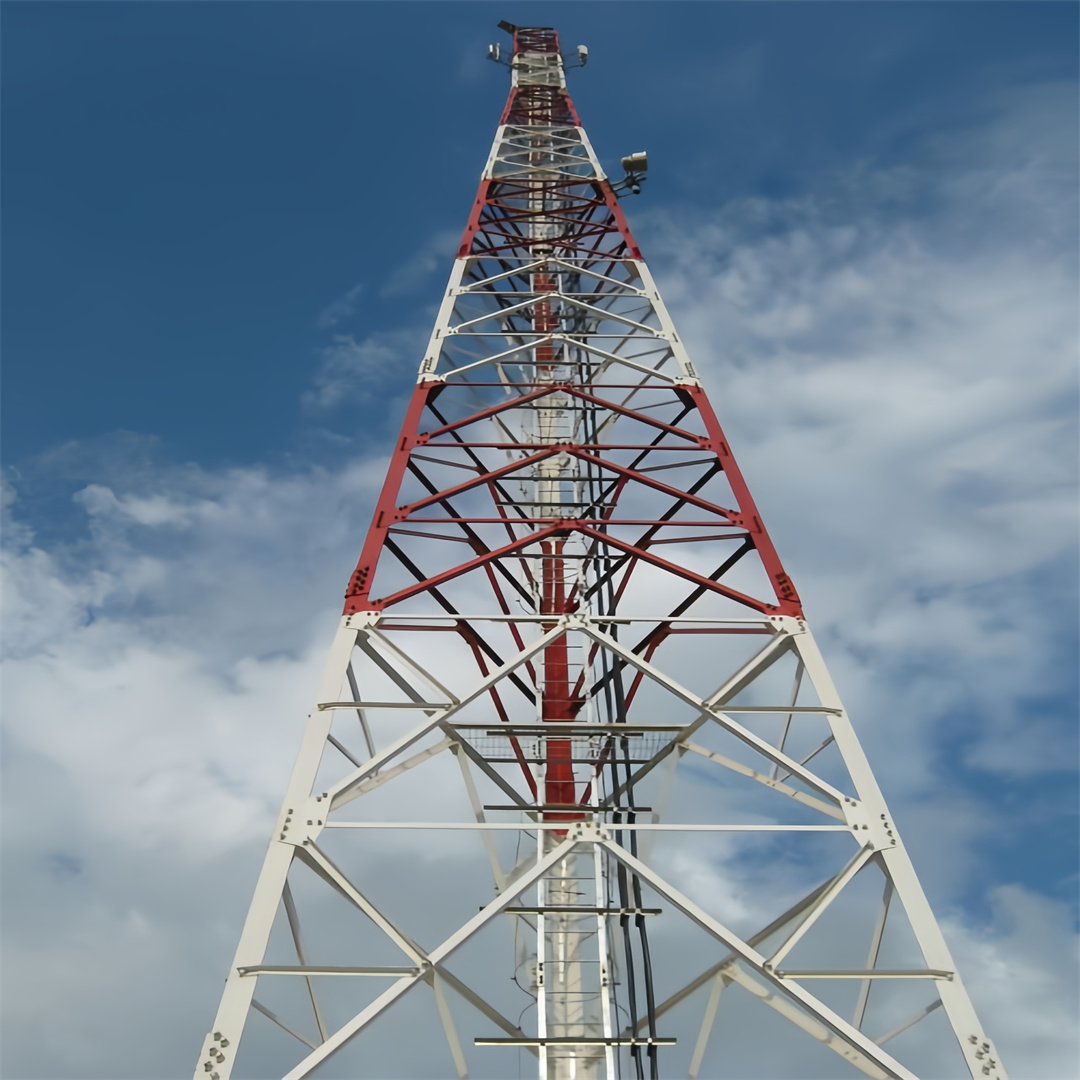
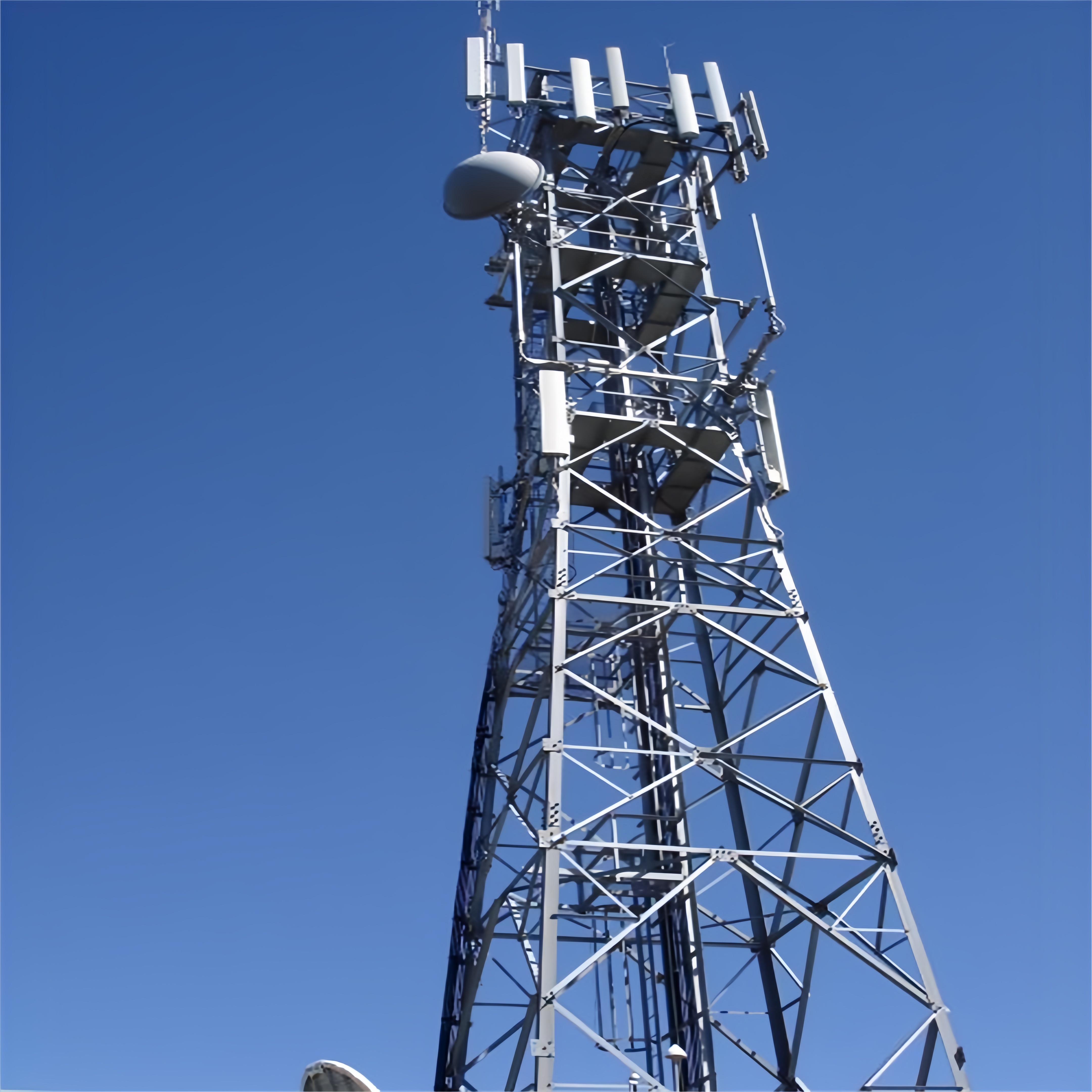
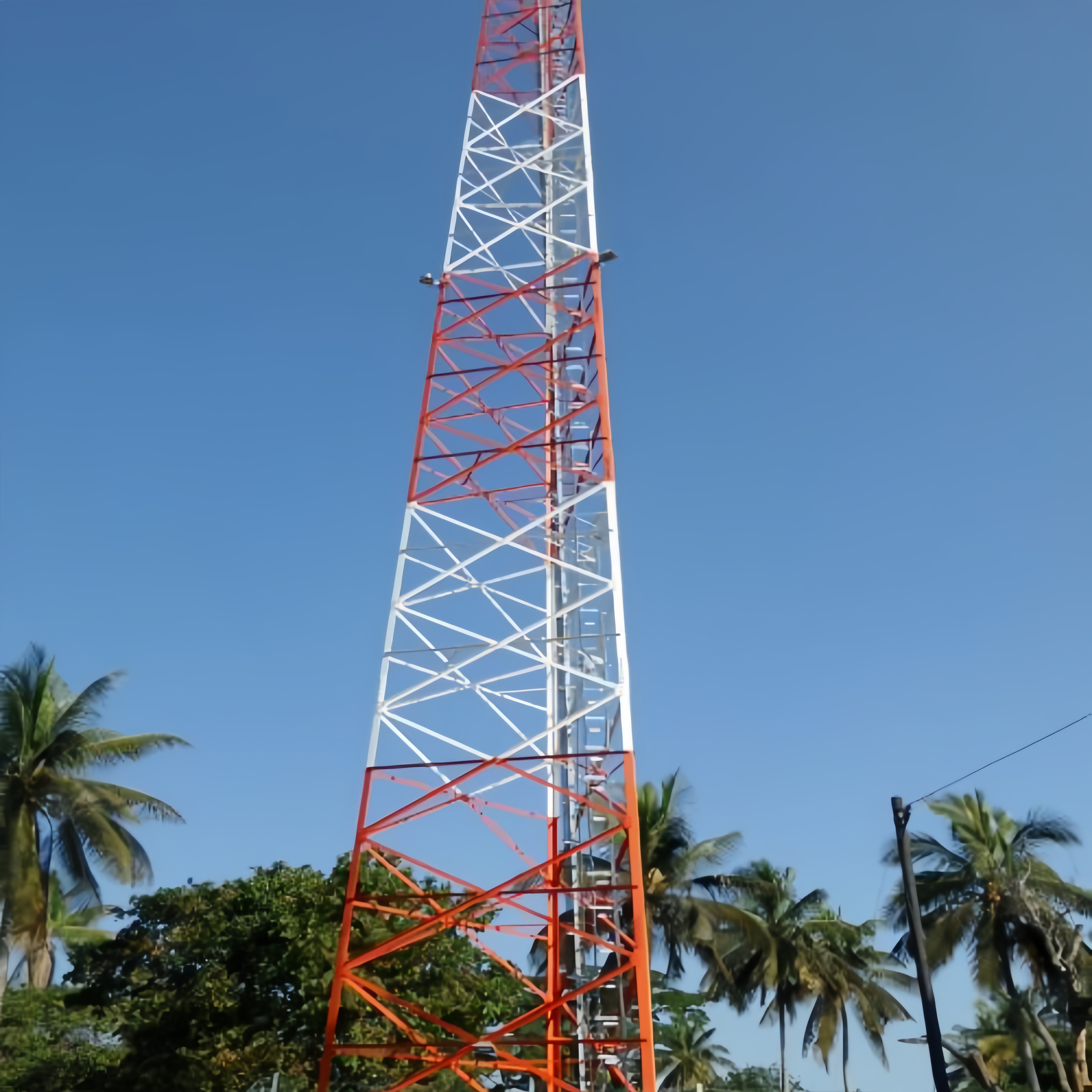
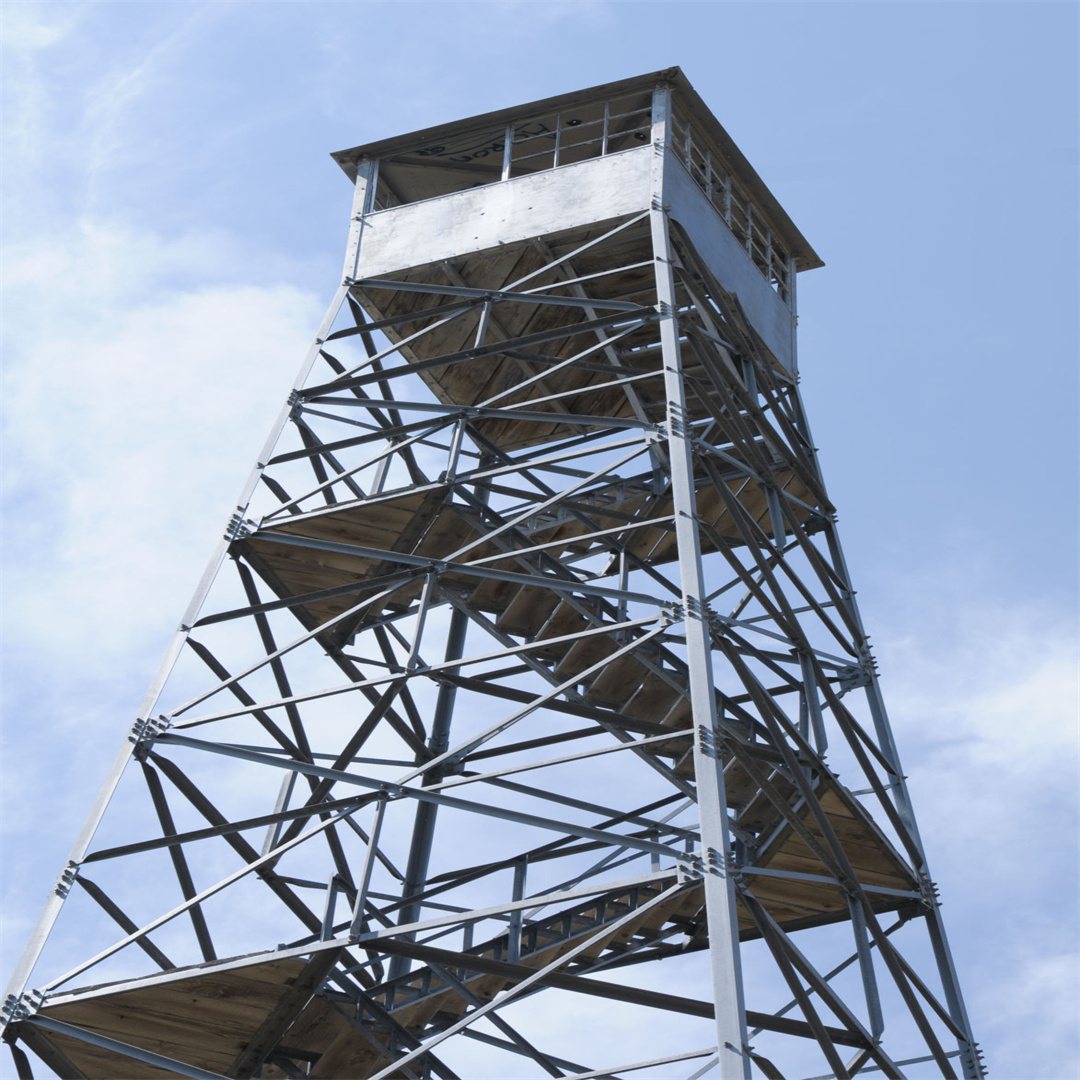
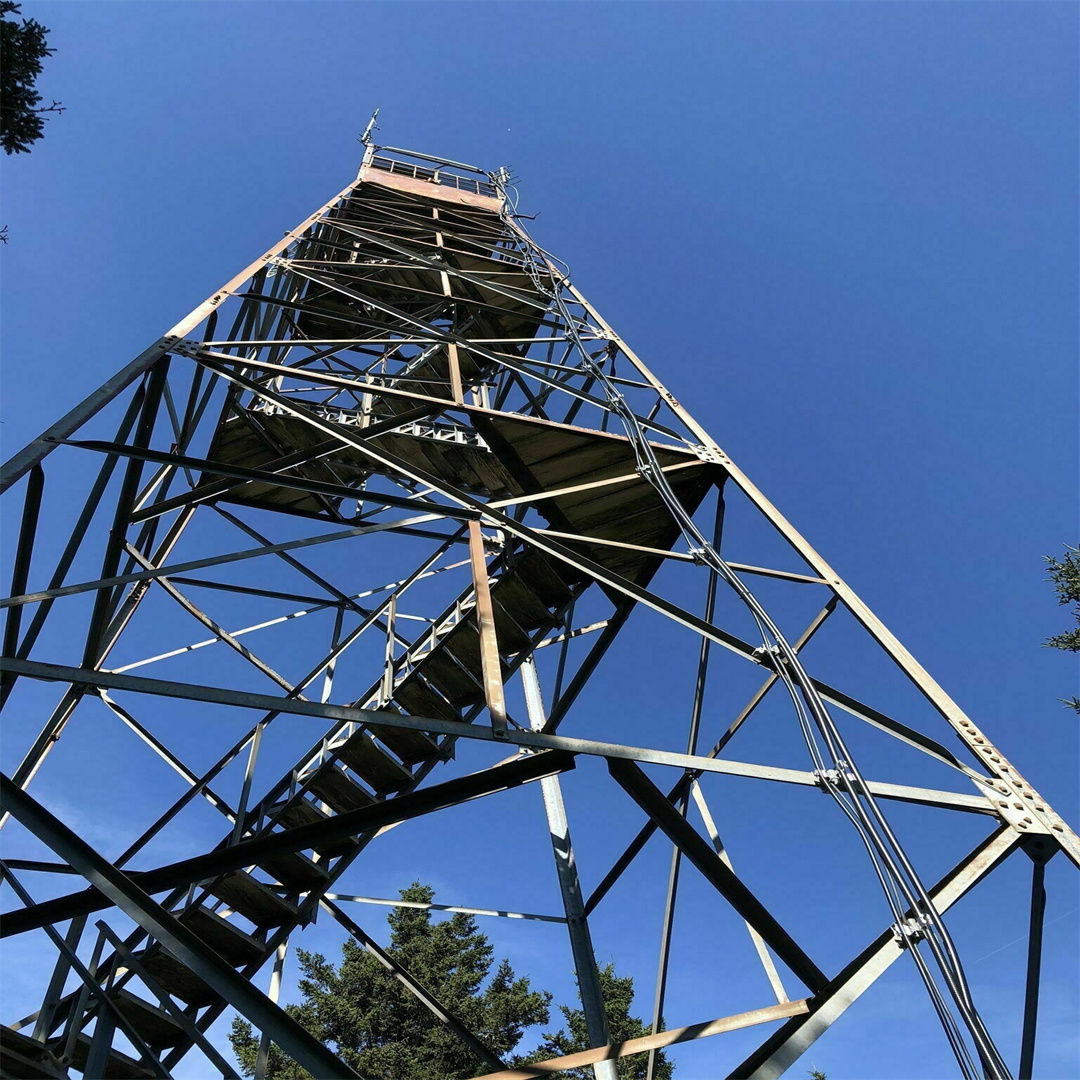
4 Legged Galvanized Self Supported Communications Antenna Angle Steel Lattice Tower
Optimal Antenna Configurations by Tower Type
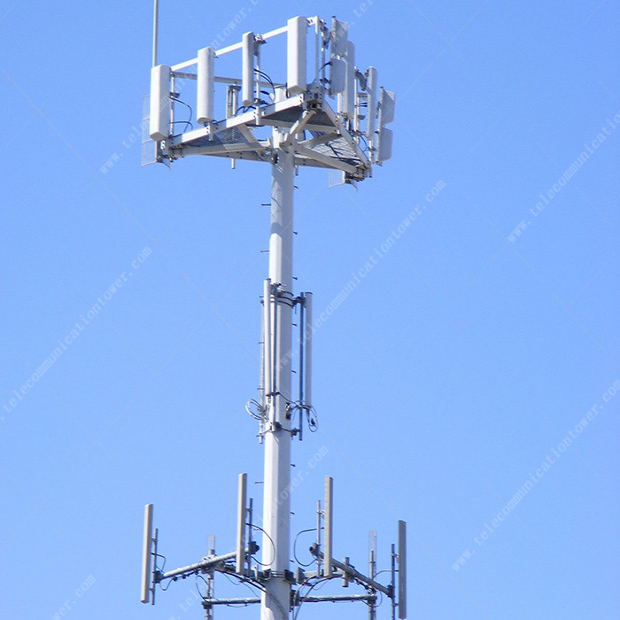
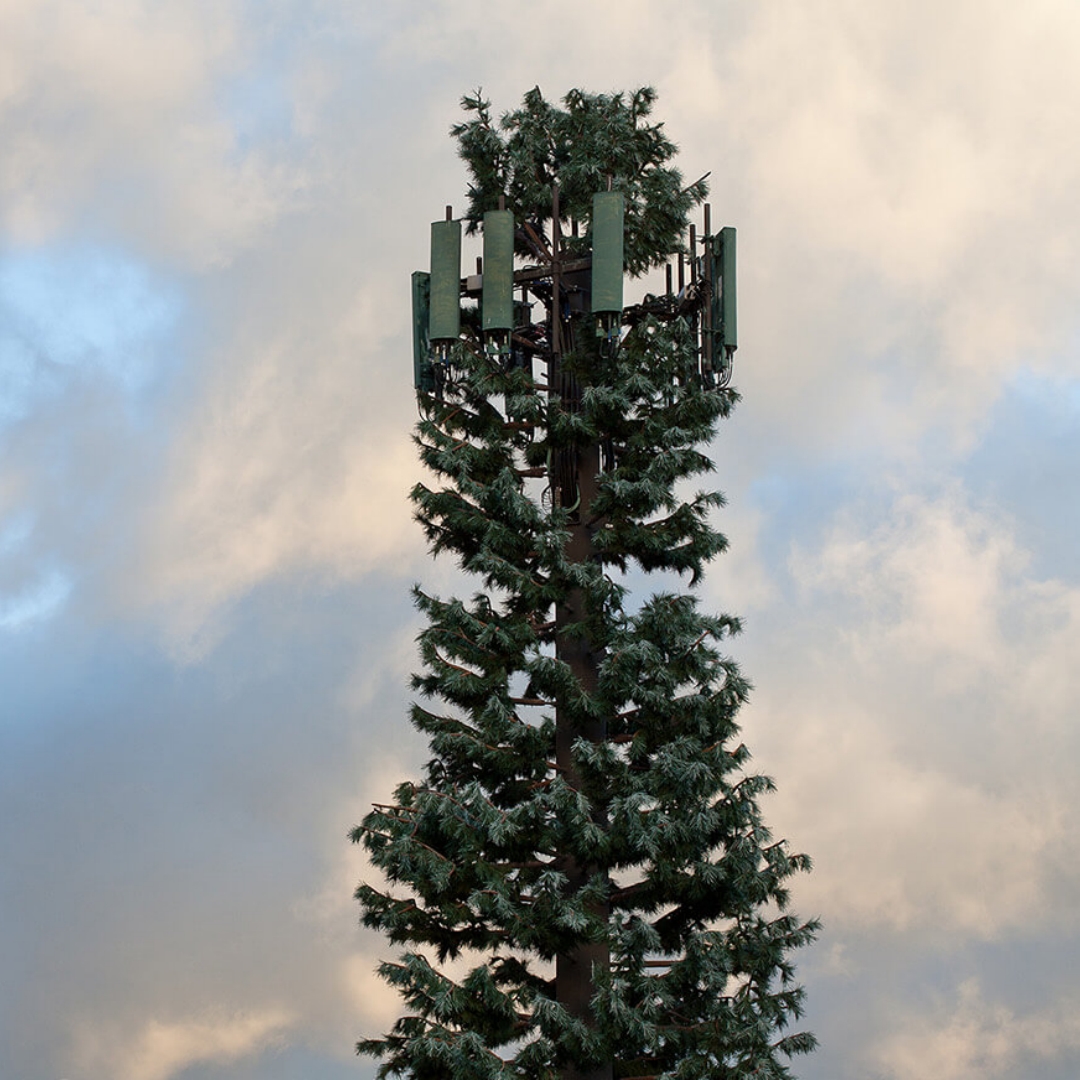
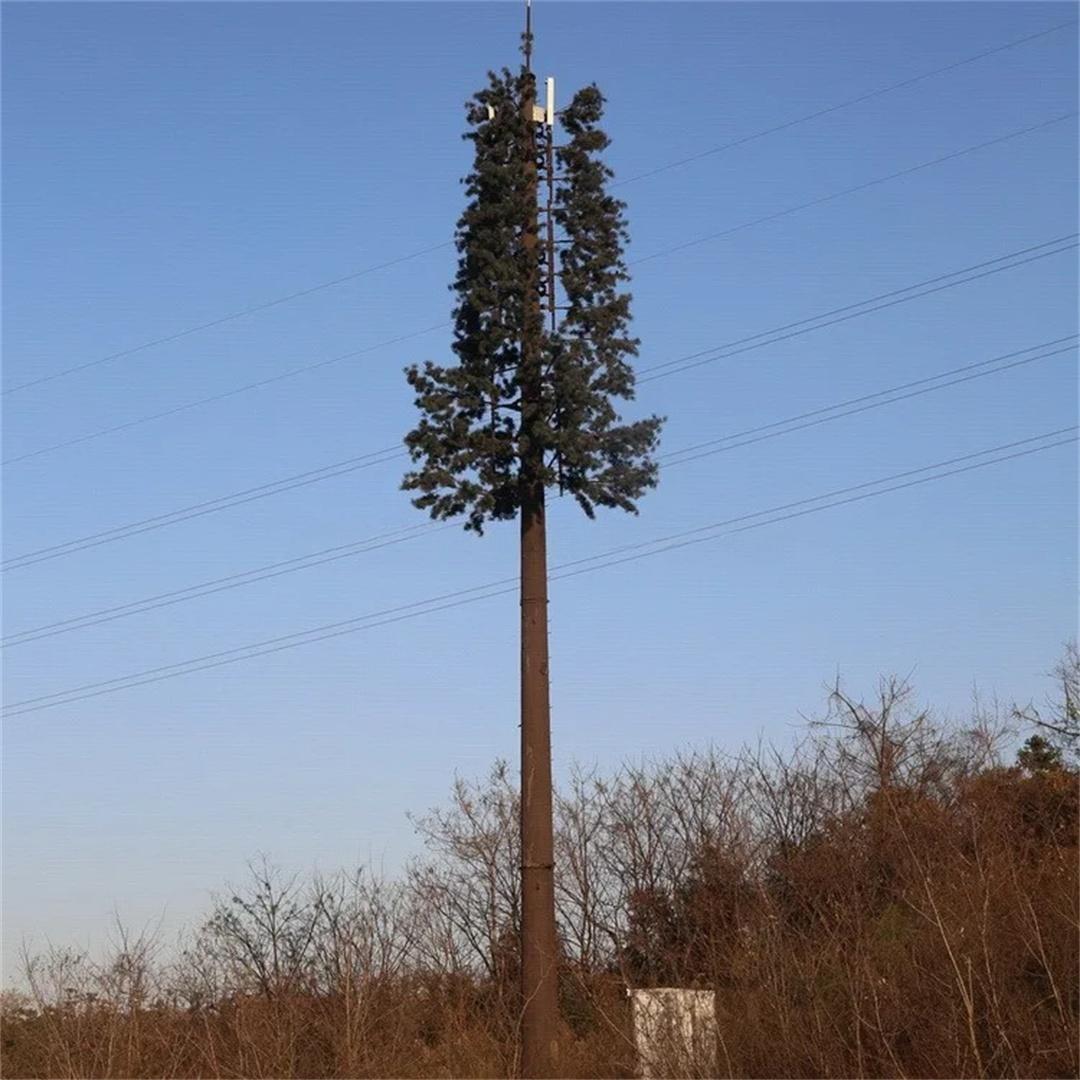
1. Monopole Tower (10m-40m)
The most common tower type for urban 5G deployment.
Top platform: Mount 3-6 Massive MIMO antennas in a triangular arrangement
Middle sections: Mount 3-4 dual-band antennas and 1-2 microwave antennas
Configuration tip: Use internal cable management to hide all feeders inside the pole
Max recommended load: 1500kg total
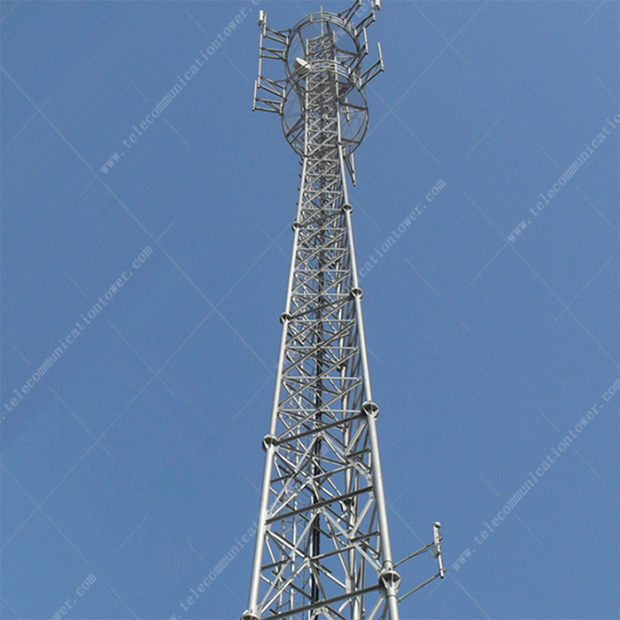
2. Tri-Tubular Tower (20m-70m)
Ideal for rural and suburban macro base stations.
3. Guyed Wire Tower (30m-120m)
Best for long-distance coverage and remote areas.
Multiple mounting levels: Install antennas at 2-3 different height levels
Configuration tip: Avoid mounting antennas near guy wire attachment points
Max recommended load: 3000kg total
4. Rooftop Tower (5m-20m)
Perfect for urban signal dead zone filling.
Lightweight configuration: Use compact 32T32R Massive MIMO antennas
Configuration tip: Distribute load evenly over building structural columns
Max recommended load: 800kg total
Key Design Considerations
1. Load Calculation
Accurate load calculation is critical for tower safety. Always consider:
Static weight of all antennas and mounting hardware
Wind load on antennas and tower structure (at maximum design wind speed)
Ice load for cold climate regions
Safety factor of 1.5x for all load-bearing components
2. Wind Resistance Optimization
Antennas contribute 60-80% of the total wind load on a 5G tower. To optimize:
Use low-profile, aerodynamic antenna designs
Space antennas properly to avoid wind shadow effects
Align antenna boresights with the prevailing wind direction when possible
3. Electromagnetic Compatibility (EMC)
Proper spacing between antennas prevents interference:
Maintain minimum 1m horizontal spacing between different frequency bands
Avoid mounting antennas directly above or below each other
Use shielded cables and proper grounding to reduce electromagnetic radiation
4. Lightning Protection
All antennas must be properly grounded:
Install a lightning rod at the highest point of the tower
Connect all metal antenna mounts to the tower's grounding system
Use surge protectors for all signal and power cables
5. Future Upgrade Preparation
Design towers with 6G upgrade in mind:
Reserve 30-50% extra load capacity for future antennas
Install additional cable trays and mounting brackets
Use modular design that allows easy expansion
Common Mistakes to Avoid
Underestimating wind load: This is the most common cause of tower damage in high-wind events
Poor cable management: Exposed cables increase wind load and maintenance costs
Uneven load distribution: Causes tower tilt and structural stress
Ignoring future upgrade needs: Leads to costly tower replacement when technology advances
Using low-quality mounting hardware: Compromises safety and reliability
JiaYao's Antenna-Integrated Tower Solutions
At JiaYao, we provide complete end-to-end antenna integration services:
Custom tower design: Engineered to your specific antenna configuration and load requirements
Pre-installed mounting hardware: All brackets and cable trays pre-installed in the factory
Load testing and certification: Third-party certified load calculations and structural analysis
6G upgrade ready design: All our towers include extra capacity for future technology upgrades
Global compliance: Meet ANSI/TIA-222-G, Eurocode 3 and all local standards
Our antenna-integrated towers reduce on-site installation time by 40% and ensure optimal network performance. With products deployed in over 55 countries, we have the experience and expertise to support your 5G and future 6G infrastructure projects.
Conclusion
Proper antenna integration is essential for building high-performance, reliable and cost-effective 5G networks. By understanding the requirements of different antenna types, selecting the optimal configuration for your tower type, and following best design practices, you can ensure your infrastructure delivers excellent coverage today and is ready for future technology upgrades.
Contact JiaYao today to discuss your 5G tower antenna integration needs. Our engineering team will provide a free customized design and quotation within 24 hours.