Corrosion
is the single biggest threat to the long-term performance and safety of
telecom towers. Unprotected steel towers can lose up to 1mm of
thickness per year in harsh environments, leading to structural failure,
costly repairs, and network downtime. Hot dip galvanizing has emerged
as the gold standard for telecom tower corrosion protection, used by 90%
of global telecom operators to ensure 30+ years of reliable service.
As
a leading telecom tower manufacturer with in-house galvanizing
facilities, JiaYao applies hot dip galvanizing to 100% of our steel
tower products. This guide explains how hot dip galvanizing works, why
it is superior to other protection methods, and how proper galvanizing
ensures the longevity of your telecom infrastructure.
What Is Hot Dip Galvanizing?
Hot
dip galvanizing is a metallurgical process that bonds a layer of zinc
to steel by immersing the steel components in a bath of molten zinc at
approximately 450°C (842°F). Unlike paint or powder coating that only
adheres to the surface, galvanizing forms a permanent, metallurgical
bond with the steel, creating a barrier that is both protective and
sacrificial.
The resulting coating consists of three distinct layers:
Zinc-Iron Alloy Layers: Formed by the reaction between zinc and iron, tightly bonded to the steel substrate
Pure Zinc Outer Layer: Provides a tough, abrasion-resistant surface
Zinc Oxide Patina: Forms naturally over time, further enhancing corrosion resistance
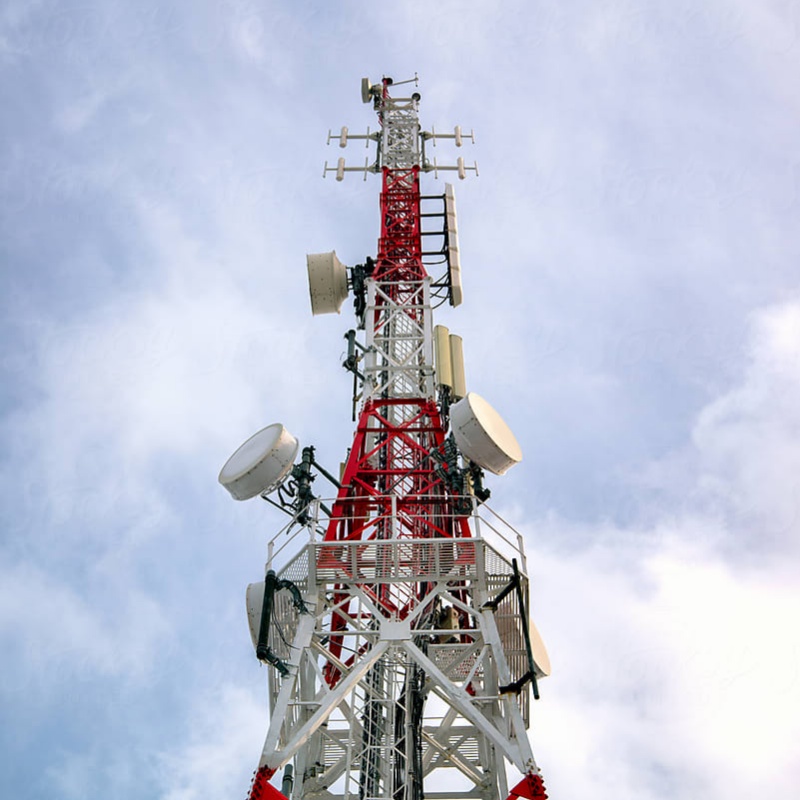
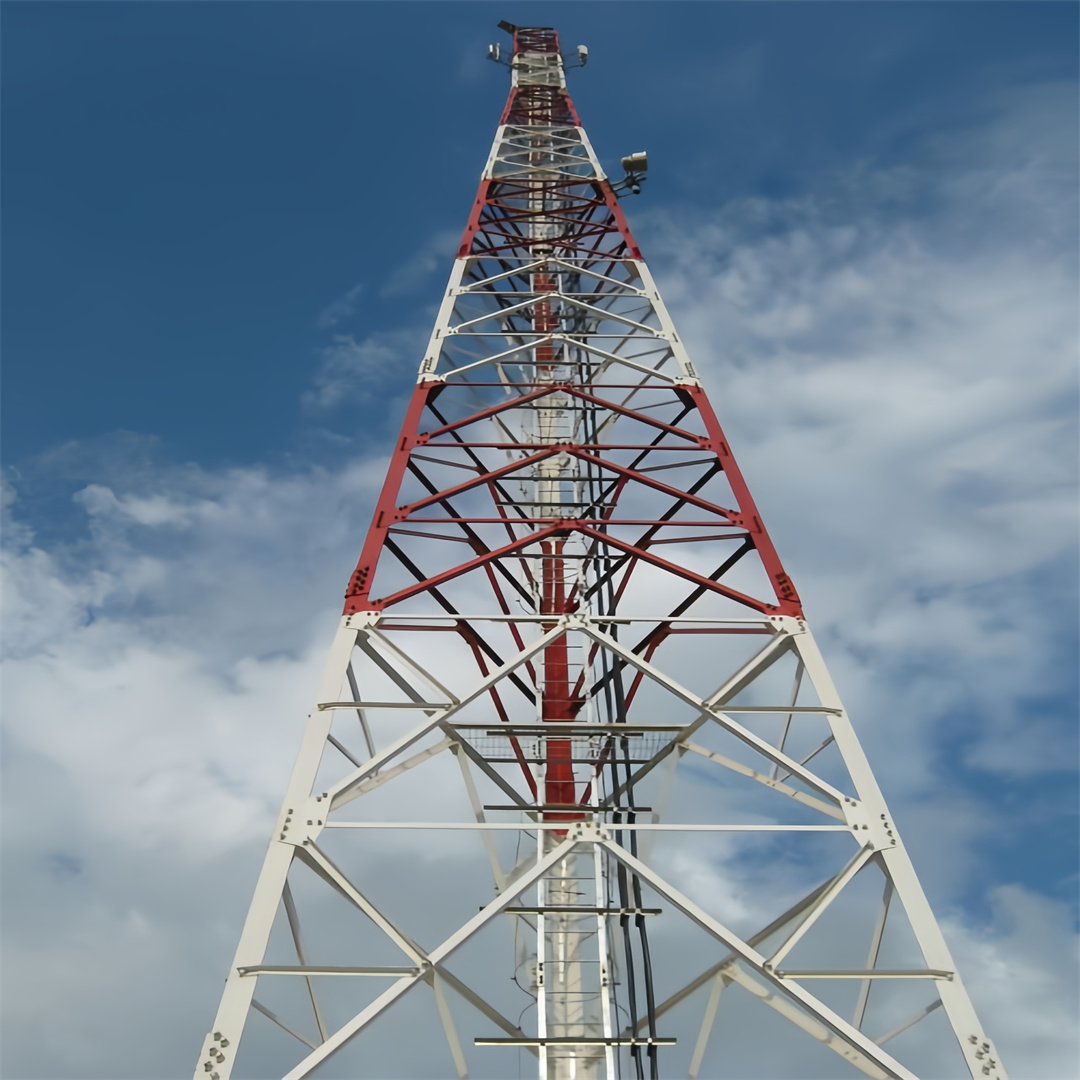
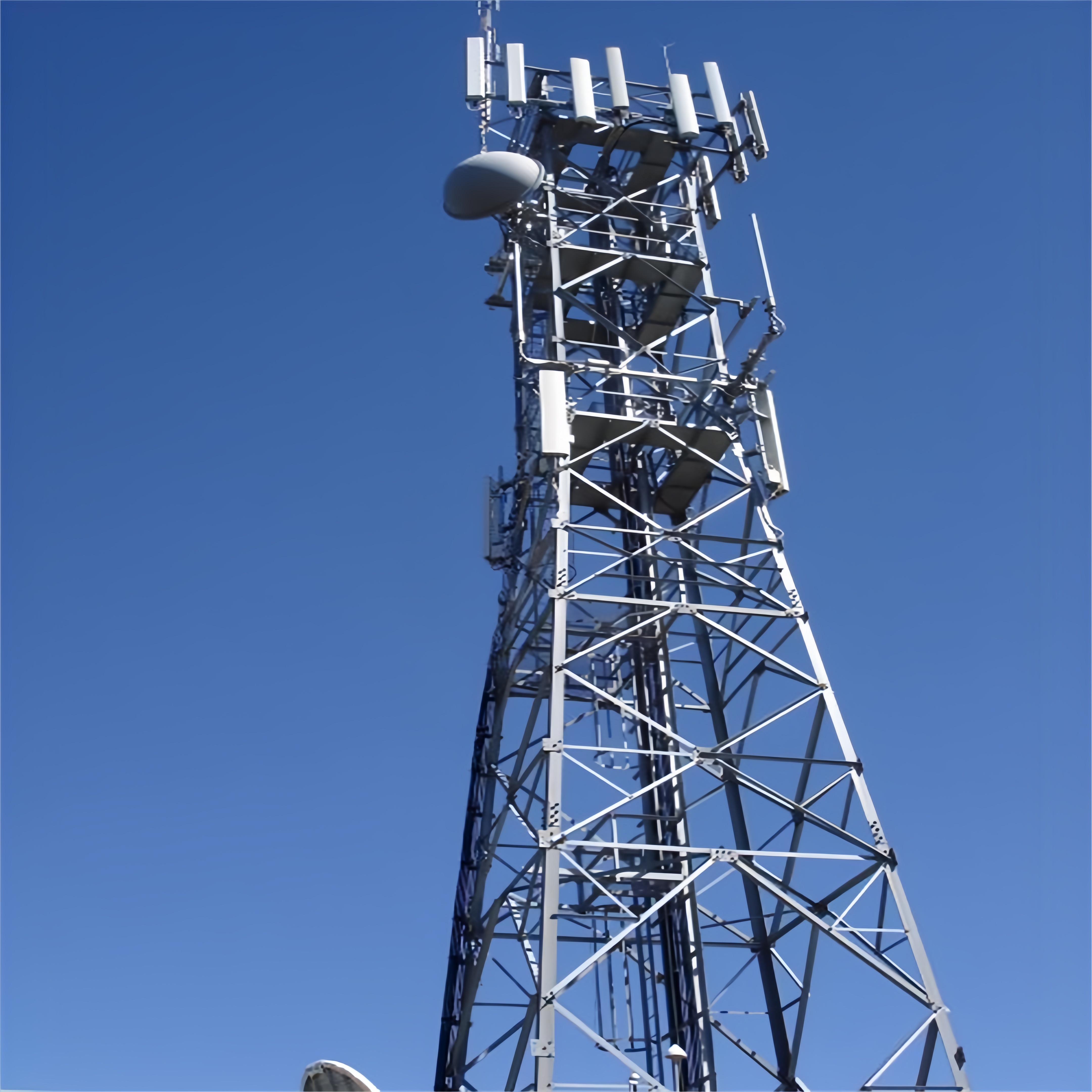
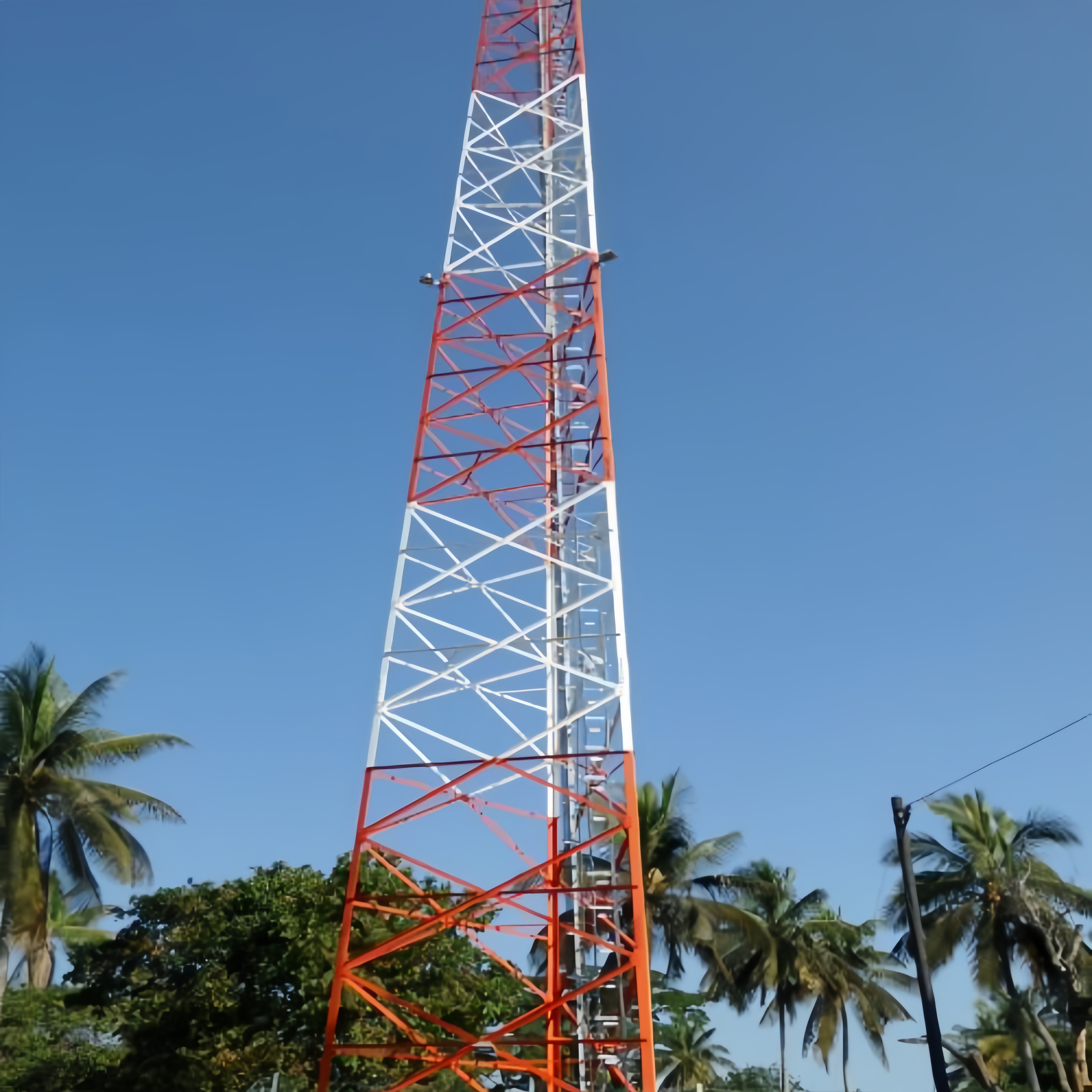
Hot Dip Galvanized 4 Leg Steel Microwave Communication Tower Price
Why Hot Dip Galvanizing Is Essential for Telecom Towers
1. Unmatched Corrosion Protection
Hot
dip galvanizing provides complete protection for all steel surfaces,
including internal and external areas, edges, corners, and bolt holes
that are difficult to reach with paint. The zinc coating acts as both a
physical barrier and a sacrificial anode—if the coating is scratched,
the zinc will corrode preferentially to protect the underlying steel.
2. Long Service Life
A properly applied hot dip galvanized coating provides 30+ years of maintenance-free service
in most environments, and 20+ years even in harsh coastal or industrial
areas. This is 3-5 times longer than paint or powder coating.
3. Cost-Effective
While
the initial cost of galvanizing is slightly higher than paint, the
total life-cycle cost is significantly lower. Galvanized towers require
no repainting or regular maintenance, saving thousands of dollars over
the tower’s lifetime.
4. Tough and Durable
The
galvanized coating is highly resistant to abrasion and impact, making
it ideal for towers that are transported, handled, and installed in
remote areas. It can withstand the rigors of construction without
damage.
5. Environmentally Friendly
Zinc
is a natural, recyclable material, and the hot dip galvanizing process
produces no hazardous waste. Galvanized steel is 100% recyclable at the
end of its service life.
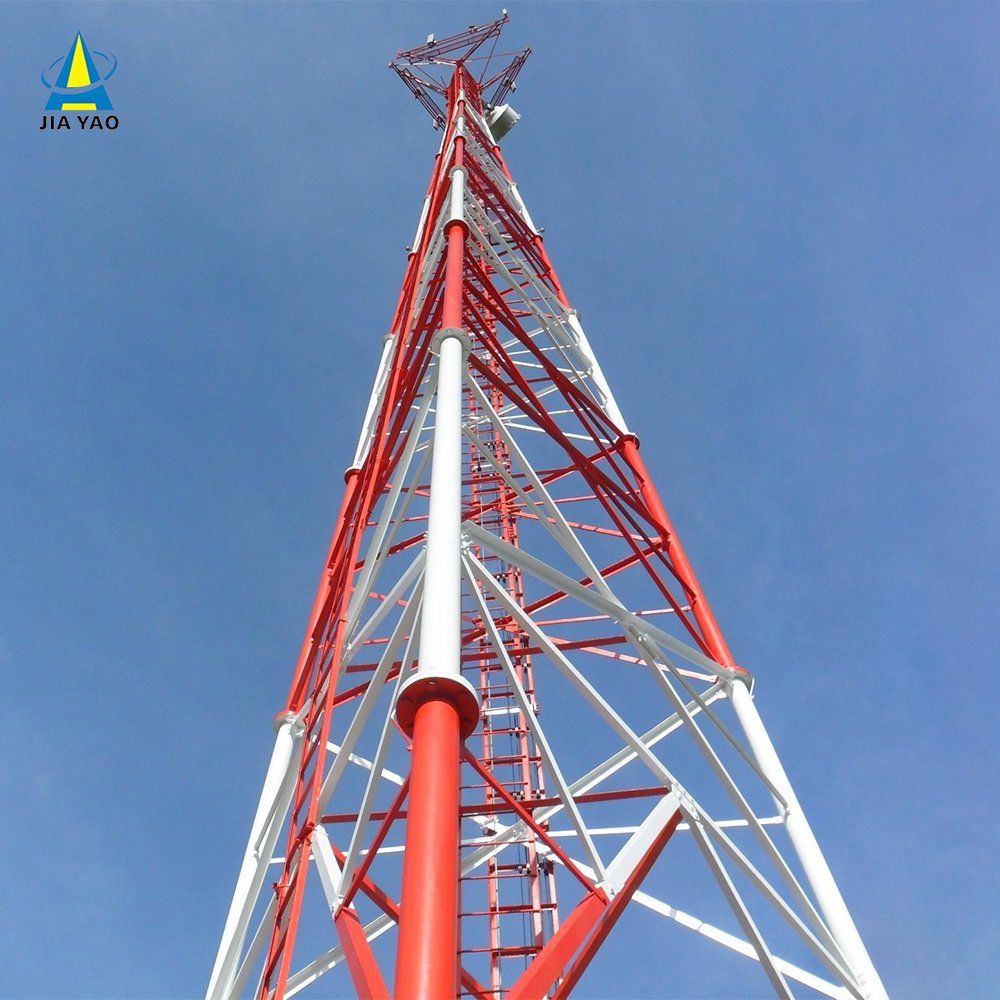
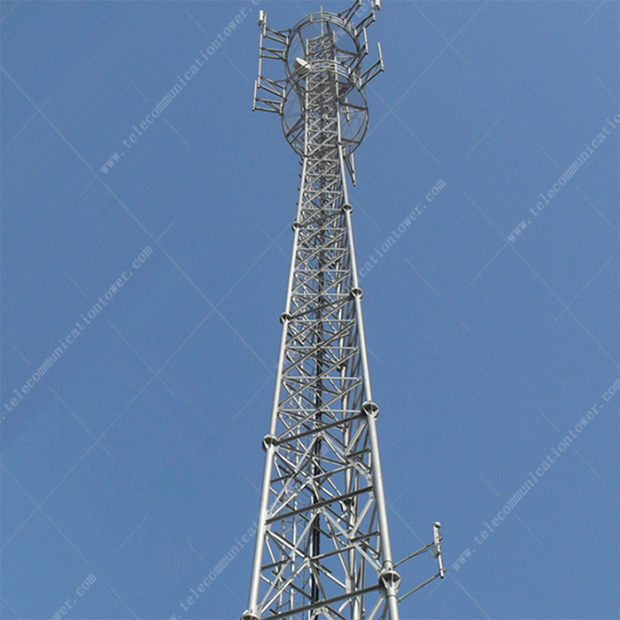
Hot Dip Galvanized 3 Leg Tubular Steel Microwave Telecom Tower Price
Complete Hot Dip Galvanizing Process at JiaYao
JiaYao’s in-house fully automated galvanizing line follows a strict 7-step process to ensure consistent, high-quality coatings:
Surface Preparation: All steel components are inspected for defects and cleaned to remove oil, grease, and dirt
Pickling: Components are immersed in a hydrochloric acid bath to remove rust and mill scale
Rinsing: Thoroughly rinsed with clean water to remove residual acid
Fluxing: Dipped in a zinc ammonium chloride flux solution to prevent oxidation and improve zinc adhesion
Galvanizing: Immersed in molten zinc bath (450°C) for 3-5 minutes to form the zinc-iron alloy layers
Quenching: Cooled in water to solidify the coating
Quality Inspection: Every component is inspected for coating thickness, adhesion, and appearance
International Quality Standards
All JiaYao galvanized towers comply with the strictest international standards:
ASTM A123: Standard specification for zinc (hot-dip galvanized) coatings on iron and steel products
ISO 1461: Hot dip galvanized coatings on fabricated iron and steel articles
GB/T 13912: Chinese national standard for hot dip galvanizing
Our minimum zinc layer thickness is 85μm
for steel components thicker than 6mm, exceeding the requirements of
most international standards. We provide third-party test reports for
all galvanized products.
Hot Dip Galvanizing vs Other Corrosion Protection Methods
Common Misconceptions About Hot Dip Galvanizing
Myth 1: Galvanizing causes hydrogen embrittlement
Fact:
Properly controlled galvanizing processes do not cause hydrogen
embrittlement in high-strength steel. JiaYao uses a low-acid pickling
process and post-galvanizing baking to eliminate any risk of hydrogen
embrittlement.
Myth 2: Galvanized towers cannot be painted
Fact:
Galvanized steel can be painted successfully with the right
preparation. We offer optional topcoats for towers that require specific
colors or additional corrosion protection.
Myth 3: White rust means the galvanizing has failed
Fact:
White rust (zinc oxide) is a natural patina that forms on galvanized
surfaces in humid environments. It does not affect the protective
properties of the coating and will weather to a stable gray patina over
time.
Maintenance Best Practices for Galvanized Towers
While galvanized towers require minimal maintenance, following these best practices will extend their service life:
Annual Inspection: Check for any damage to the galvanized coating from impact or abrasion
Touch Up Repairs: Use zinc-rich paint (minimum 95% zinc content) to touch up any scratches or damaged areas
Cleaning: Wash towers in coastal areas annually with fresh water to remove salt deposits
Avoid Contact: Prevent galvanized steel from coming into direct contact with dissimilar metals (copper, brass) to avoid galvanic corrosion
JiaYao’s Galvanizing Advantage
As one of the few telecom tower manufacturers with in-house fully automated galvanizing facilities, JiaYao offers:
Complete Quality Control: We control every step of the galvanizing process, ensuring consistent quality
Fast Turnaround: In-house galvanizing reduces production time by 30% compared to outsourcing
Custom Coating Thickness: We can provide thicker coatings (up to 120μm) for coastal and industrial environments
Full Certification: All our galvanized products come with material test reports and third-party certification
Environmentally Responsible: Our galvanizing line uses closed-loop water systems and meets all international environmental standards
Conclusion
Hot
dip galvanizing is the most reliable, cost-effective, and durable
corrosion protection method for telecom towers. It provides complete
protection for all steel surfaces, delivers 30+ years of
maintenance-free service, and offers the lowest total life-cycle cost.
At
JiaYao, we are committed to producing the highest quality galvanized
telecom towers in the industry. Our in-house galvanizing facilities,
strict quality control, and compliance with international standards
ensure that every tower we manufacture will provide reliable service for
decades to come.
Contact
JiaYao today to learn more about our galvanized telecom tower solutions
and how we can support your infrastructure projects.