

Home > Products > 4 Legged Angular Steel Tower
Solar Powered Antenna Tower Self Supporting Galvanized 20 30 40M 4G 5G Off Grid Telecom Mast
Solar Powered Antenna Tower Self Supporting Galvanized 20 30 40M 4G 5G Off Grid Telecom MastSolar Powered Antenna Tower Self Supporting Galvanized 20 30 40M 4G 5G Off Grid Telecom MastSolar Powered Antenna Tower Self Supporting Galvanized 20 30 40M 4G 5G Off Grid Telecom MastSolar Powered Antenna Tower Self Supporting Galvanized 20 30 40M 4G 5G Off Grid Telecom MastSolar Powered Antenna Tower Self Supporting Galvanized 20 30 40M 4G 5G Off Grid Telecom Mast

Solar Powered Antenna Tower Self Supporting Galvanized 20 30 40M 4G 5G Off Grid Telecom Mast


Remote Area Solar Panel Antenna Tower Hot Dip Galvanized 18 28 38M 5G 4G Wifi Telecom Tower

What is a Solar-Integrated Telecom Tower?

 
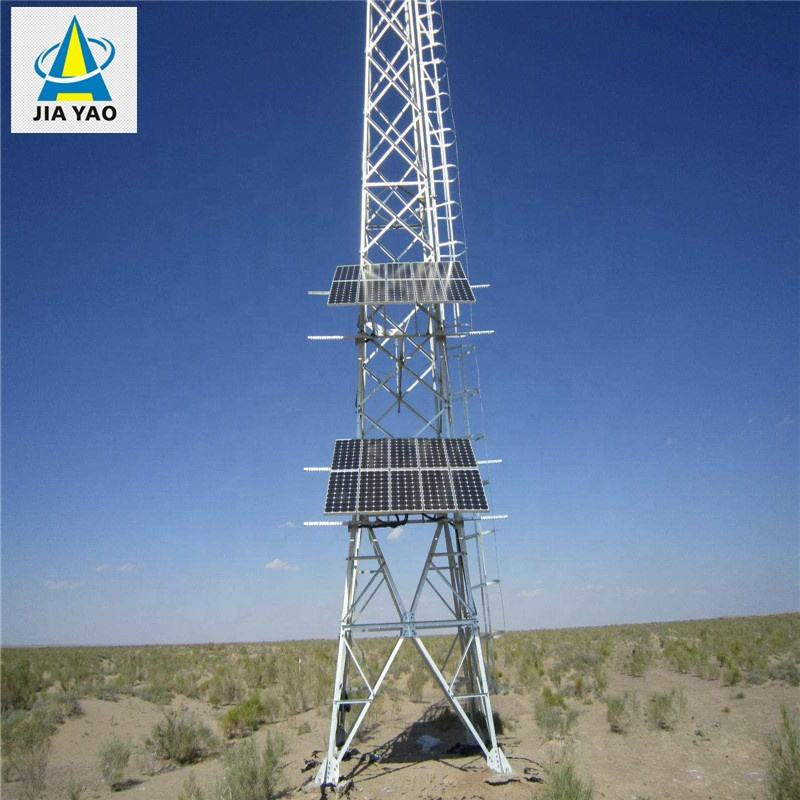
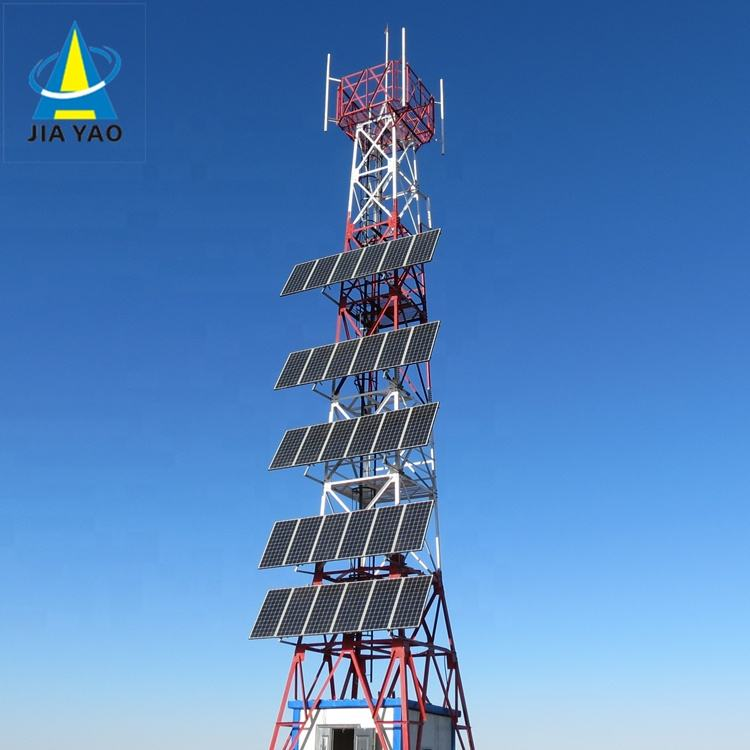
A solar-integrated telecom tower is an innovative infrastructure that combines a traditional telecom tower with a solar power generation system, enabling self-sustaining operation for communication equipment—especially in off-grid or remote areas. Unlike conventional towers relying entirely on grid electricity or diesel generators, this tower integrates solar panels, energy storage batteries, and intelligent power management systems into its design. It not only fulfills the core function of supporting antennas and transmission devices but also provides clean, stable energy, aligning with global trends of green infrastructure and cost optimization.
Core Structural & Design Features
 
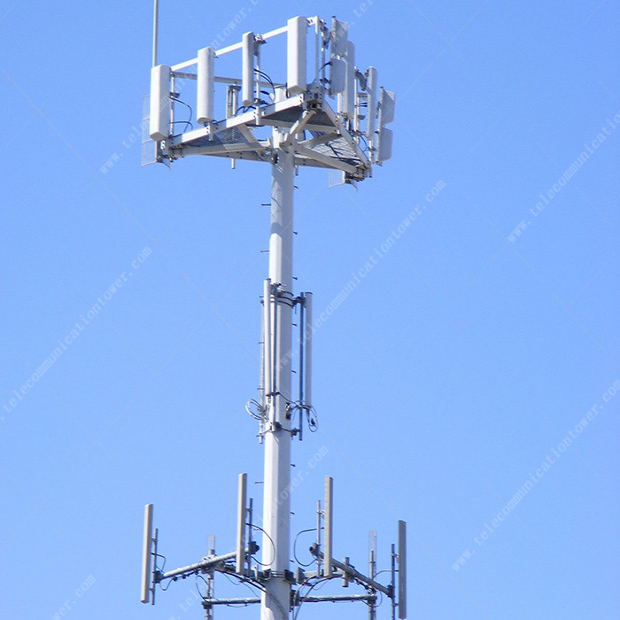
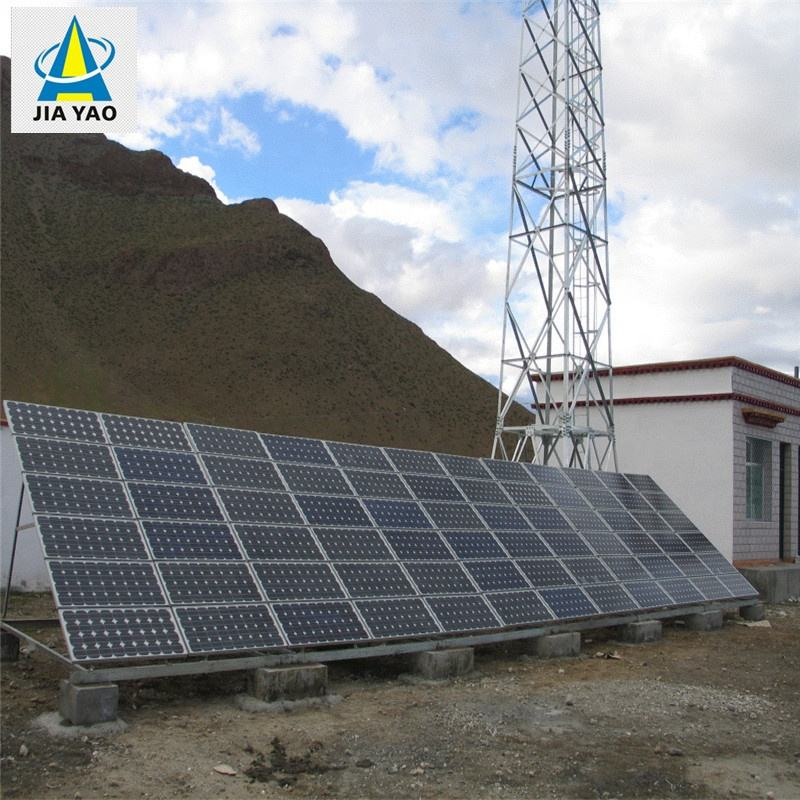
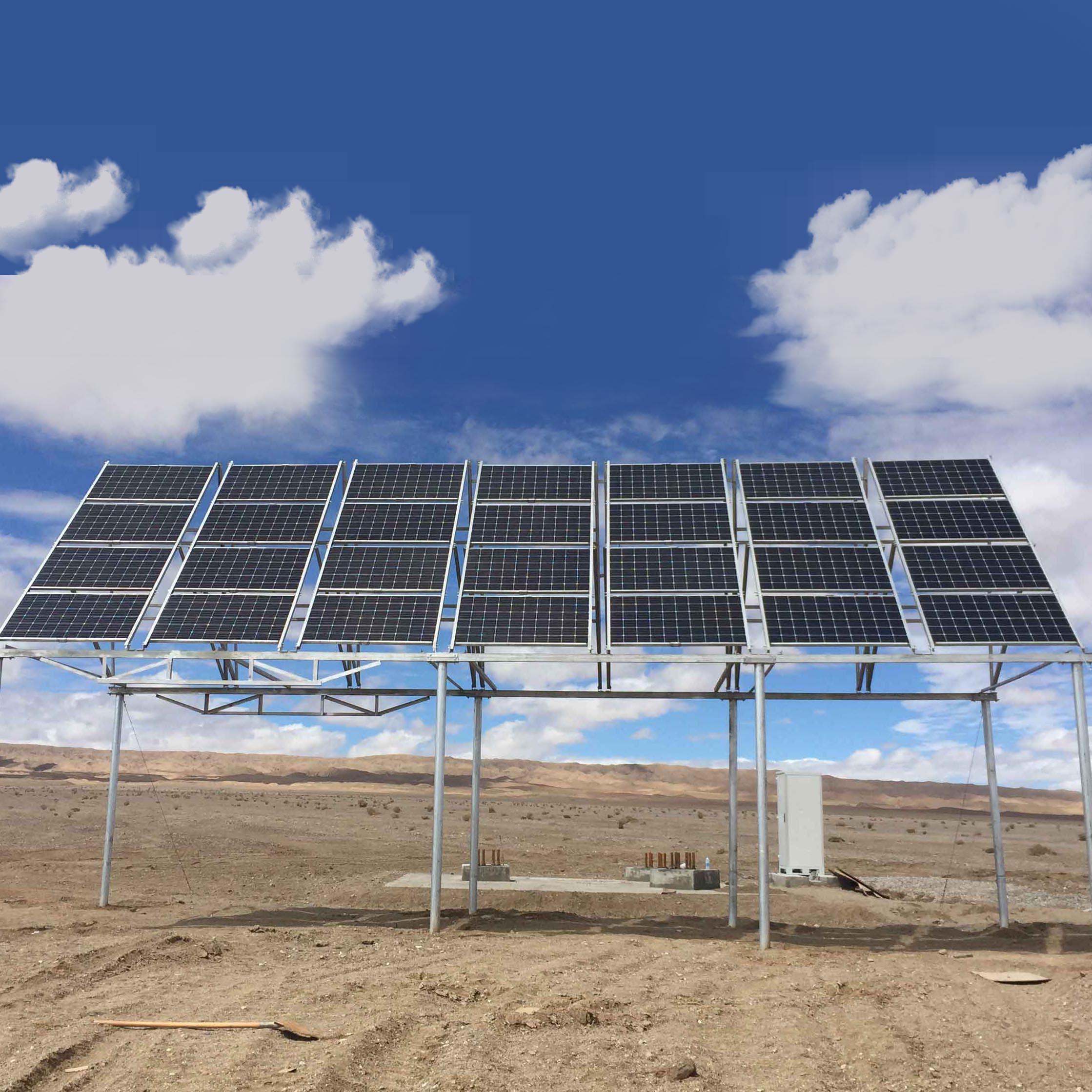
Integrated Solar Panel Mounting: Solar panels are installed on the tower's top platform, side brackets, or specially designed cantilevers—optimized for sun exposure (adjustable angle for different latitudes) without obstructing antenna signals.
Energy Storage & Management System: Equipped with lithium-ion or lead-acid batteries (capacity 20kWh–100kWh) and an MPPT (Maximum Power Point Tracking) controller to store excess solar energy and ensure 24/7 power supply (even on cloudy days).
Dual-Power Backup Design: Supports seamless switching between solar power, grid electricity, and diesel generators (optional) to avoid communication interruptions due to extreme weather or prolonged low sunlight.
Lightweight & Load-Optimized Structure: The tower frame (typically 3-legged lattice or monopole design) is engineered to bear the additional weight of solar panels (15–50kg per panel) while maintaining wind resistance (up to 200km/h) and stability.
Intelligent Monitoring: Integrated with remote monitoring systems to track solar energy generation, battery status, and tower structural health—enabling real-time troubleshooting and maintenance reminders.
Marine Grade Solar Panel Antenna Tower Galvanized 16 26 36m 5g 4G Offshore Telecom Tower
Product Description
Key Materials & Manufacturing Standards
Tower Structure: High-strength structural steel (Q345B/ASTM A36) for lattice frames or rolled steel plates (ASTM A500) for monopoles, with hot-dip galvanization (ASTM A123) for corrosion resistance.
Solar Components: High-efficiency monocrystalline/polycrystalline solar panels (IP67-rated for waterproof/dustproof) and industrial-grade batteries (cycle life ≥2000 times) to withstand outdoor harsh conditions.
Fasteners & Connections: Stainless steel bolts (ISO 898 Grade 8.8) and anti-loosening connectors to secure solar panels and brackets, preventing vibration-induced damage.
Compliance: Meets TIA-222-G (telecom tower safety), IEC 61215 (solar panel performance), and IEC 62133 (battery safety) standards, ensuring global applicability and reliability.

Versatile Application Scenarios
Off-Grid Remote Areas: Provides 4G/5G coverage in rural villages, mountainous regions, or desert areas where grid electricity is unavailable—eliminating the need for long-distance power lines.
Ecologically Sensitive Zones: Powers communication and environmental monitoring equipment in nature reserves, wetlands, or national parks—reducing carbon emissions and minimizing ecological impact.
Disaster-Prone Regions: Serves as a self-sustaining communication hub during grid outages caused by earthquakes, floods, or hurricanes—supporting emergency response teams.
Rural Telecom Expansion: Helps telecom operators reduce operational costs (saves 30–60% on electricity bills annually) when expanding coverage to low-population-density areas.
Technical Data
Design
1. Design Code
ANSI/TIA-222-G/H/F, EN 1991-1-4 & EN 1993-3-1
Structure Steel
2. Grade
Mild Steel
High Tensile Steel
GB/T 700:Q235B, Q235C,Q235D
GB/T1591:Q355B, Q355C,Q355D
ASTM A36
ASTM A572 Gr50
EN10025: S235JR, S235J0,S235J2
EN10025: S355JR, S355J0,S355J2
3. Design Wind Speed
Up to 250 km/h
4. Allowable deflection
0.5 ~1.0 degree @ operational speed
5. Tension strength (Mpa)
360~510
470~630
6. Yield strength (t≤16mm) (Mpa)
235
355
7. Elongation (%)
20
24
8. Impact strength KV (J)
27(20°C)---Q235B(S235JR)
27(20°C)---Q345B(S355JR)
27(0°C)---Q235C(S235J0)
27(0°C)---Q345C(S355J0)
27(-20°C)---Q235D(S235J2)
27(-20°C)---Q345D(S355J2)
Bolts & Nuts
9. Grade
Grade 4.8, 6.8, 8.8
10. Standards for mechanical properties
10.1 Bolts
ISO 898-1
10.2 Nuts
ISO 898-2
10.3 Washers
ISO 6507-1
11. Standards for Dimensions
11.1 Bolts
DIN7990, DIN931, DIN933
11.2 Nuts
ISO4032, ISO4034
11.3 Washers
DIN7989, DIN127B, ISO7091
Welding
12. Method
CO2 Shielded Arc Welding & Submerged Arc Welding(SAW)
13. Standard
AWS D1.1
Marking
14. Method of marking of the members
Hydraulic Press Stamping
Galvanizing
15. Galvanization standard of steel sections
ISO 1461 or ASTM A123
16. Galvanization standard of bolts and nuts
ISO 1461 or ASTM A153
Test
17. Factory test
Tensile test,Elements analysis, Sharpy test(impact test), Cold Bending,
Preece test,Hammer test
Capacity
18. Maximum Production Capacity
50,000 TON per annum
Marine Grade Solar Panel Antenna Tower Galvanized 16 26 36m 5g 4G Offshore Telecom Tower
What is the lattcie structure of Solar Panel Tower?
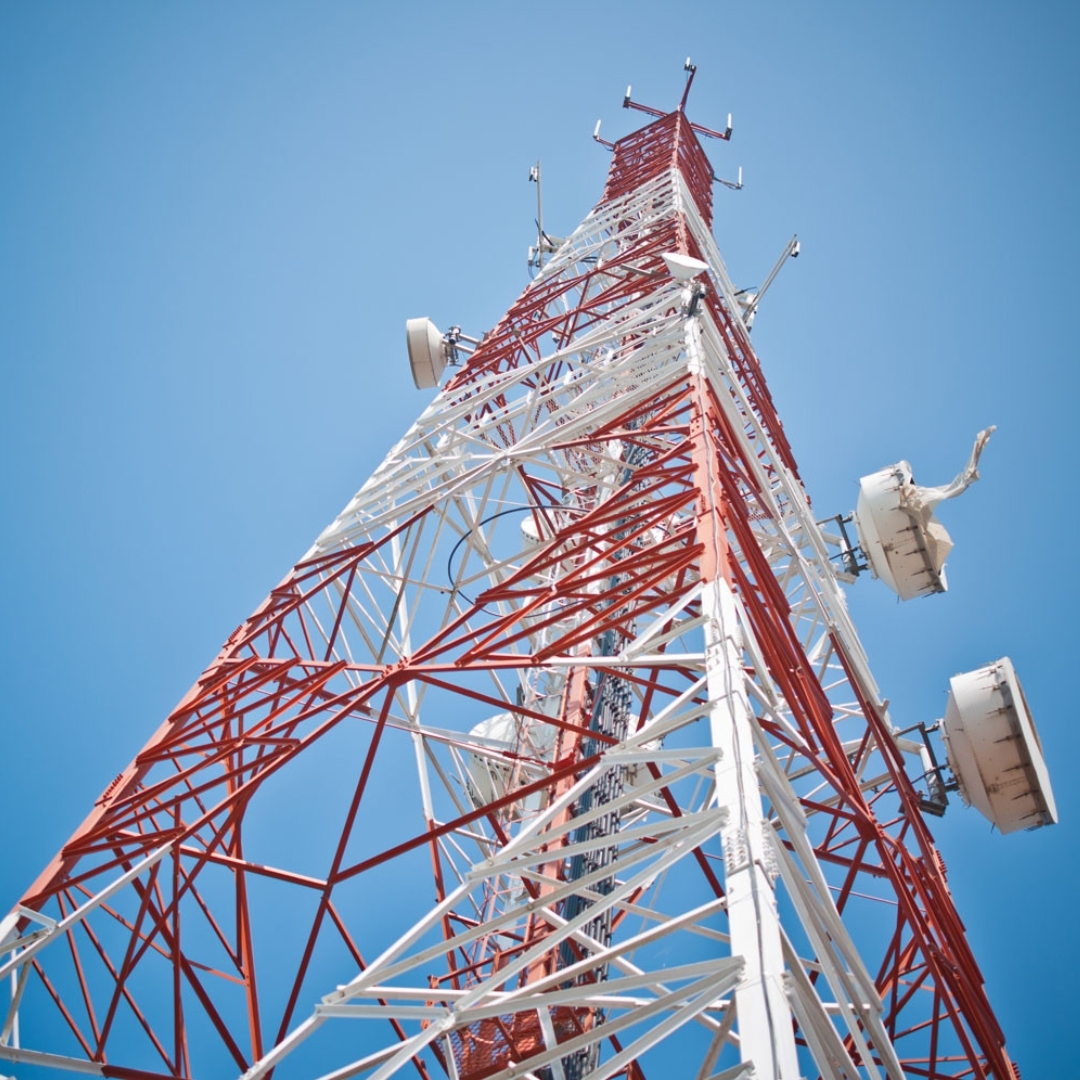
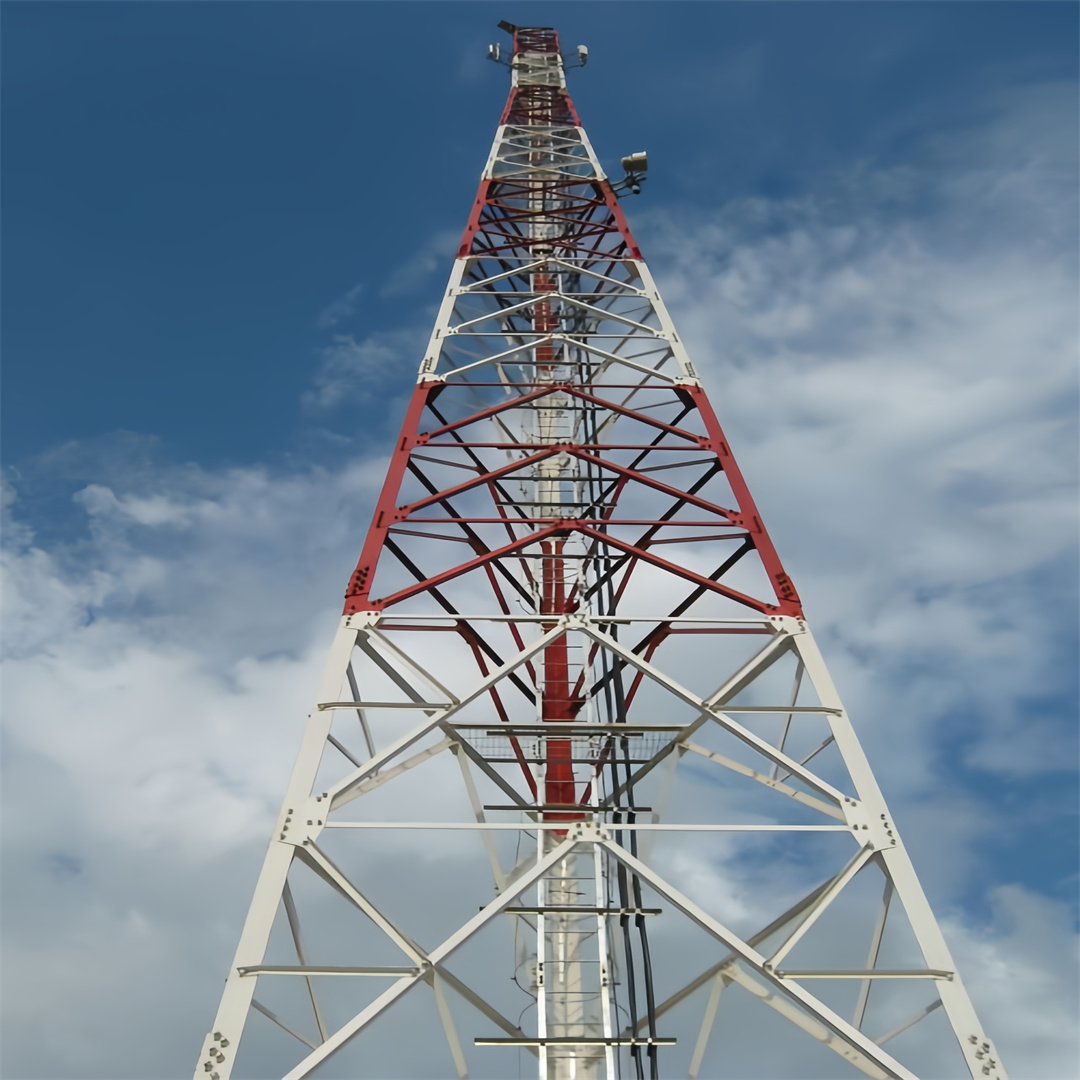
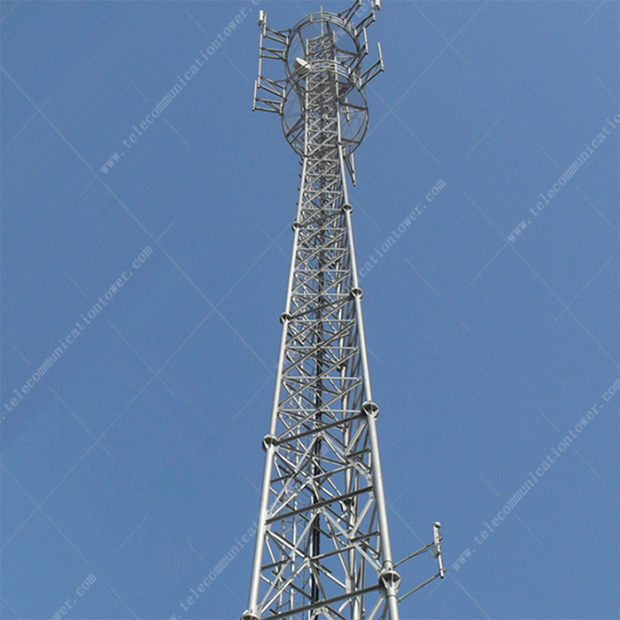
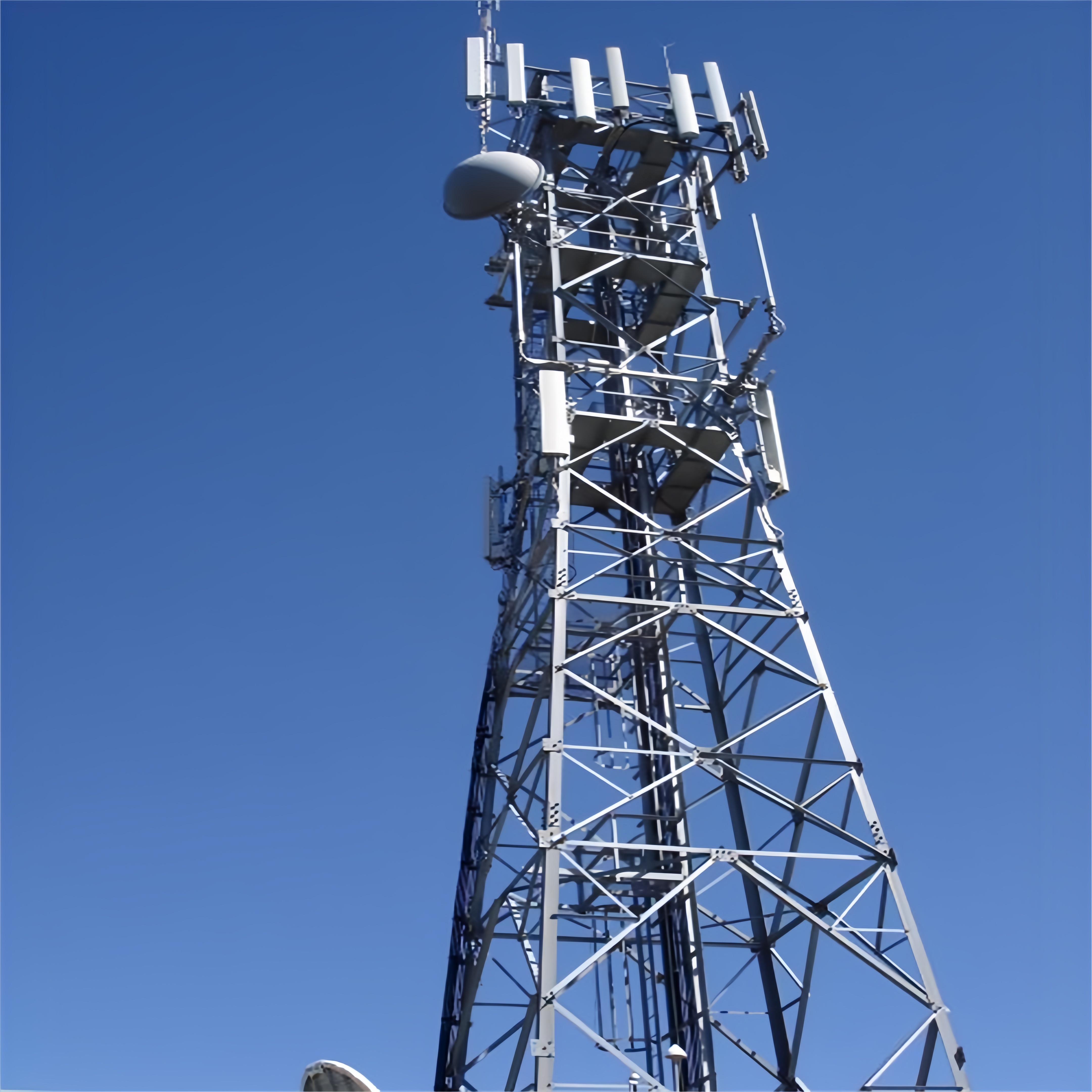
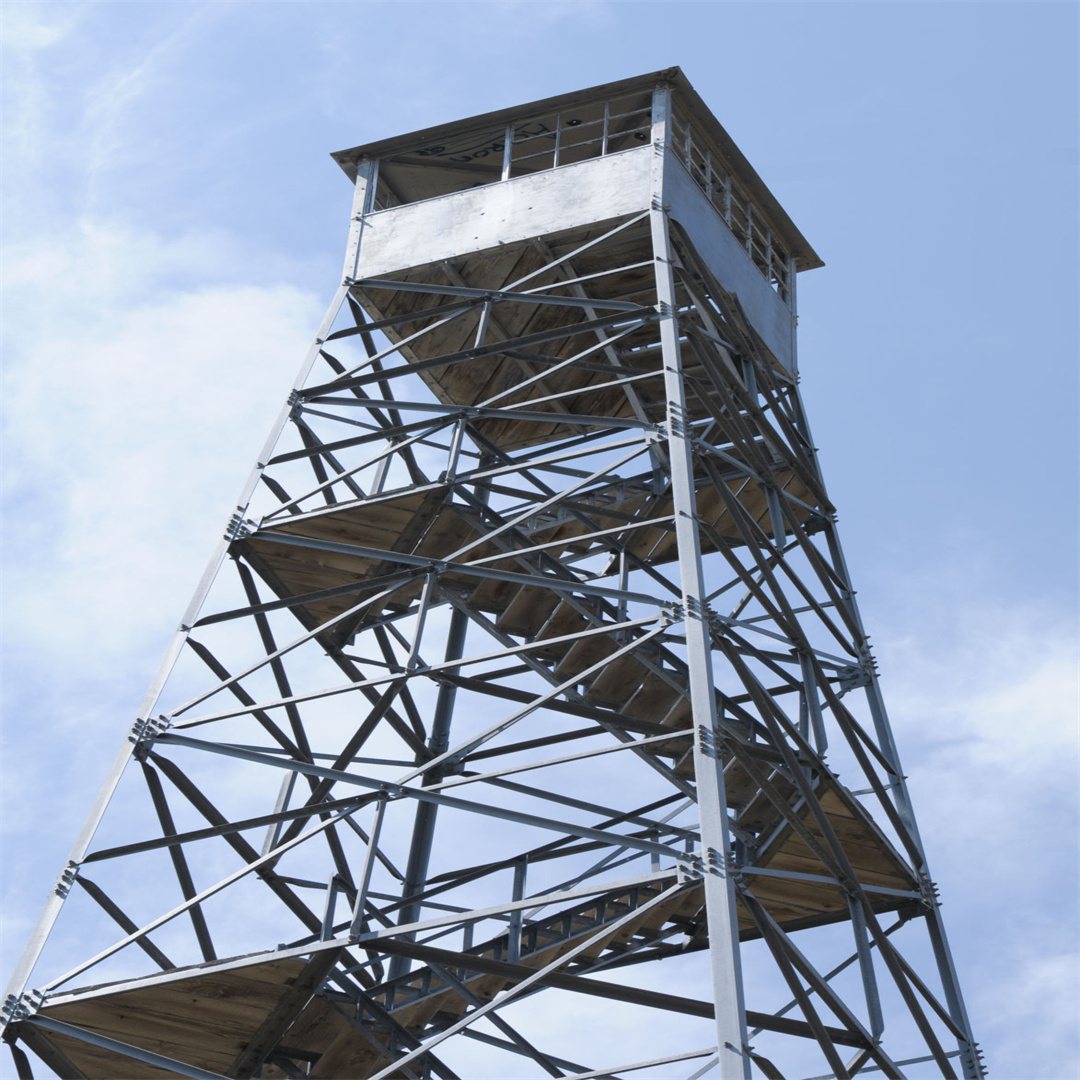
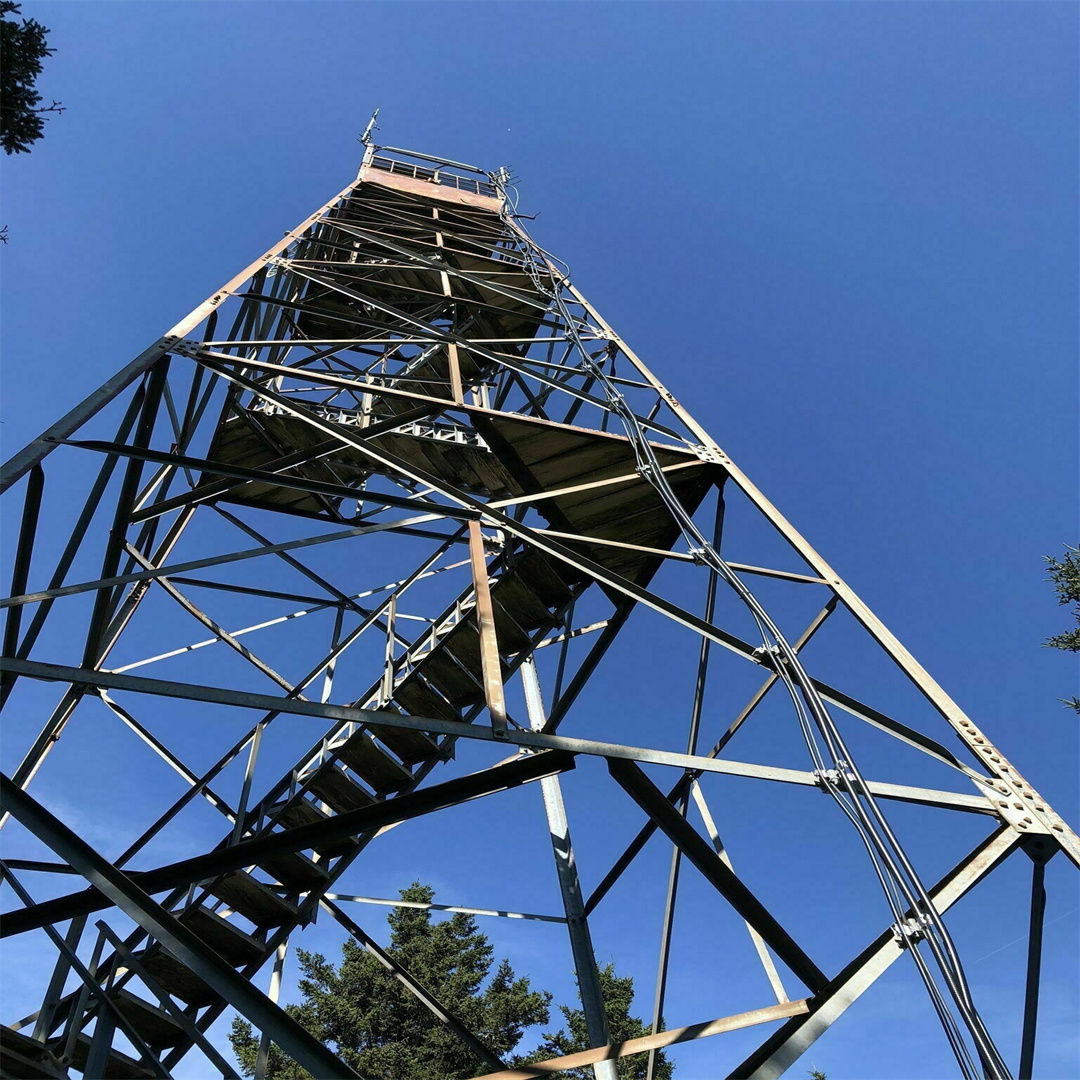
The lattice structure of a Solar Panel Tower is a crisscross, truss-like framework that connects the tower's four vertical angle steel legs. Composed of interconnected steel members (typically angular steel or lattice bars), it forms a web-like pattern that distributes loads—including the tower's own weight, equipment weight, wind, seismic forces, and ice loads—evenly across all four legs. This structure is integrated throughout the tower's height, complementing the tower's tapered design (wider at the base, narrower at the top) to enhance structural integrity and stability. The lattice configuration balances high strength with lightweight performance, minimizing material usage while maximizing load-bearing capacity and resistance to extreme environmental conditions. It also facilitates airflow, reducing wind resistance and further improving the tower's overall stability.
Marine Grade Solar Panel Antenna Tower Galvanized 16 26 36m 5g 4G Offshore Telecom Tower
Mounting a microwave (MW) dish on a Solar Panel Tower follows a systematic, safety-compliant process:
1. Pre-installation Preparation: Verify the tower's load-bearing capacity to ensure it can support the MW dish's weight (including the dish, mounting bracket, and associated hardware). Check that the tower's design complies with relevant standards (e.g., TIA/EIA-222-G/F) for equipment mounting.
2. Bracket Installation: Attach dedicated antenna/microwave brackets (provided with the tower or custom-fabricated) to pre-designated mounting points on the tower's body or equipment platform. These brackets are secured using high-strength bolts (complying with ISO 898 grade 6.8/8.8) to ensure a firm connection to the lattice structure or tower legs.
3. Dish Lifting and Positioning: Use cranes or specialized lifting equipment to hoist the MW dish to the target height (typically on the upper sections of the tower or a dedicated equipment platform). Ensure the dish is aligned with the intended point-to-point communication path (adjust for azimuth and elevation as required).
4. Securing the Dish: Fasten the MW dish to the pre-installed brackets using compatible hardware, tightening bolts to the specified torque with calibrated tools. Ensure the dish is level and stable, with no wobble or movement.
5. Cable Routing and Integration: Route the dish's signal cables through the tower's integrated cable trays to protect them from environmental damage. Connect the cables to the appropriate equipment (e.g., transmitters/receivers) at the tower base or intermediate platform, ensuring proper insulation and waterproofing.
6. Final Inspection: Conduct a visual check to confirm the dish is securely mounted, brackets are intact, and cables are properly organized. Test the dish's signal transmission to verify alignment and functionality, adhering to safety protocols throughout the process.
Marine Grade Solar Panel Antenna Tower Galvanized 16 26 36m 5g 4G Offshore Telecom Tower
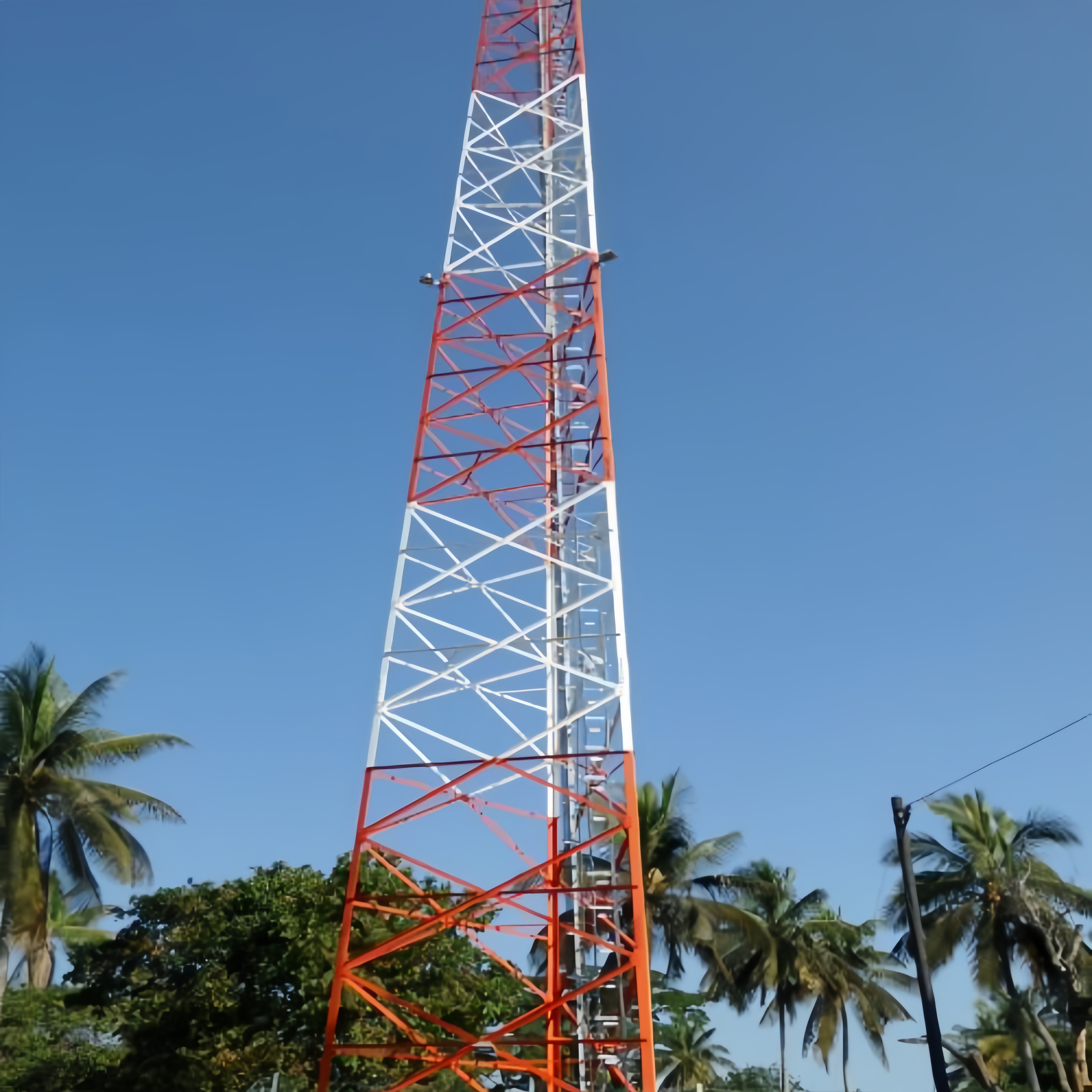
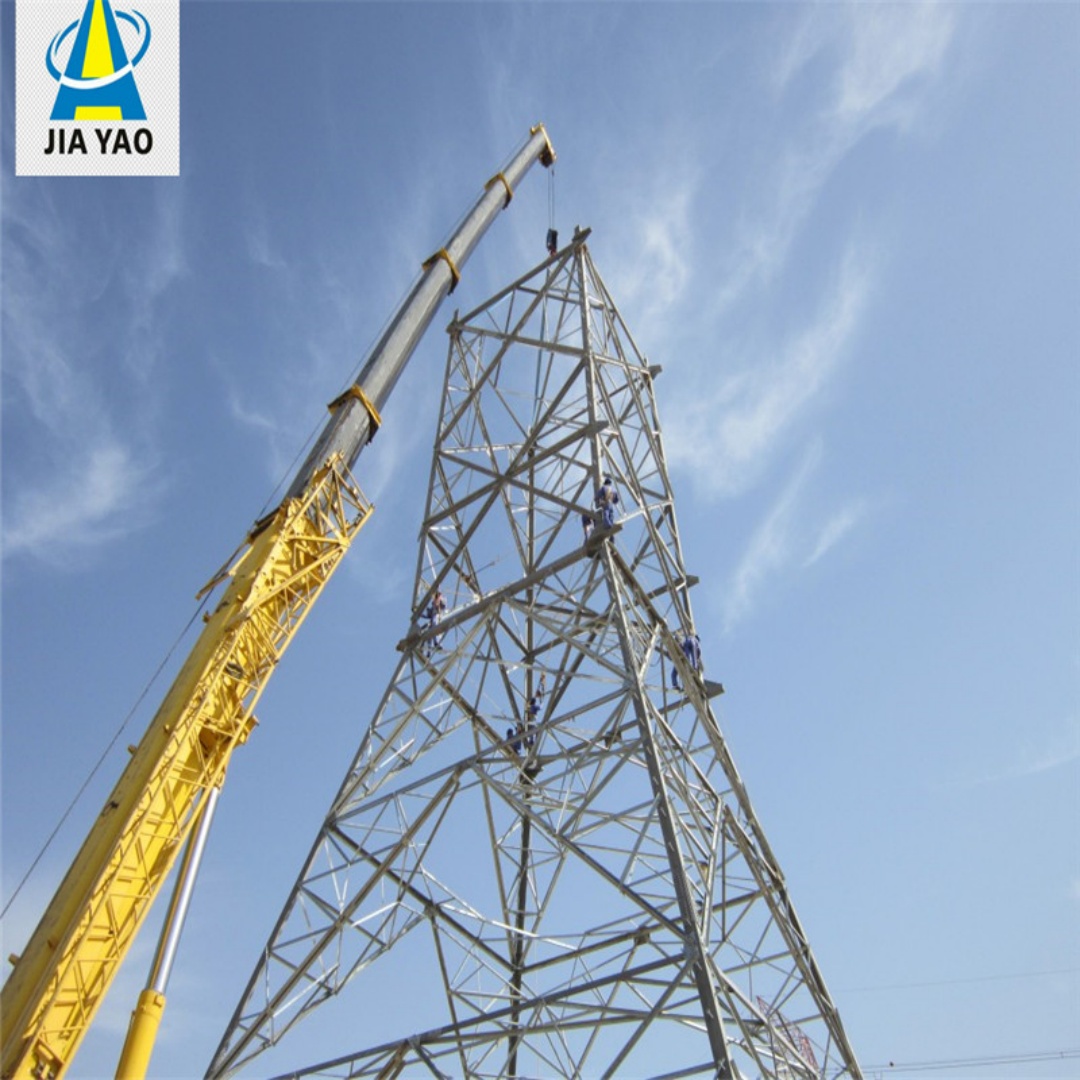
The main structure of a Solar Panel Tower is a self-supporting framework designed for stability and load-bearing, consisting of three core components:
· Four Vertical Angle Steel Legs: The primary load-bearing elements, made of high-quality structural steel (e.g., Q235B, Q345B, Q420; compliant with ASTM A36/A572) and arranged in a square base configuration. These legs transfer the tower's total weight (including equipment and environmental loads) to the foundation.
· Lattice Truss Connections: Crisscross steel members (angular steel or lattice bars) that link the four legs horizontally and diagonally. This truss system distributes loads evenly across the structure, enhances rigidity, and resists lateral forces (wind, seismic activity), forming the tower's characteristic lattice pattern.
· Tapered Frame Design: The tower narrows gradually from the base to the top (wider at the bottom, narrower at the top), optimizing structural integrity by concentrating material where loads are heaviest (at the base) and reducing wind resistance at higher elevations.
Supplementary structural elements (e.g., equipment platforms, climbing ladders, and cable trays) are integrated into the main framework to support practical functionality, but the four vertical legs and lattice truss connections form the tower's structural backbone.
Marine Grade Solar Panel Antenna Tower Galvanized 16 26 36m 5g 4G Offshore Telecom Tower
Standout Advantages
Green & Cost-Effective: Reduces reliance on fossil fuels (diesel generators) and grid electricity, cutting long-term energy costs and lowering carbon footprints.
Self-Sustaining Operation: Generates and stores its own energy, ensuring uninterrupted communication even in extreme off-grid scenarios.
Low Maintenance: Solar panels and batteries require minimal upkeep (annual cleaning and inspection), with a service life of 25+ years for panels and 5–8 years for batteries.
Scalable Energy Capacity: Additional solar panels or batteries can be added to meet growing power demands (e.g., upgrading to 5G equipment), without rebuilding the tower.
Fast Deployment: Modular design allows simultaneous installation of the tower and solar system, shortening project timelines by 20–30% compared to separate deployments.
 
Maintenance Guidelines
Quarterly Solar Panel Checks: Clean dust, leaves, or bird droppings from panels to maintain energy generation efficiency; inspect for cracks or water damage.
Semi-Annual Battery Inspections: Monitor battery voltage, temperature, and capacity; replace faulty cells to avoid power supply failures.
Annual Structural Inspections: Check the tower frame, solar brackets, and fasteners for corrosion or loosening; verify wind load resistance.
Remote System Monitoring: Regularly review data from the intelligent management system to detect abnormalities (e.g., low energy generation, battery degradation) and address issues promptly.
Marine Grade Solar Panel Antenna Tower Galvanized 16 26 36m 5g 4G Offshore Telecom Tower
Galvanizing angular steel tower testing
Galvanizing is a vital surface treatment for 4-legged angular steel lattice towers, providing long-term corrosion resistance to withstand harsh outdoor conditions and extend the tower's service life beyond 20 years. Below is a simplified overview of its galvanizing testing:
1. Core Testing Objectives
Ensure sufficient coating thickness for durable corrosion protection.
Verify zinc coating uniformity and strong adhesion (prevent peeling/flaking).
Check for no critical defects (e.g., bare steel, cracks, pits).
Comply with international standards (ASTM A123, ISO 1461).
2. Key Testing Methods (Conducted post-factory and post-installation)
Coating Thickness: Use magnetic thickness gauges (non-destructive) or micrometers (sample-only destructive); minimum 85–120 μm (thicker for harsh environments).
Adhesion: Bend test (180°), hammer test, or knife cross-hatch test—no coating detachment allowed.
Visual Inspection: Check for bare steel, cracks, uneven zinc buildup, or contamination; minor irregularities are acceptable if non-impacting.
Corrosion Resistance: Salt spray test (ASTM B117/ISO 9227) for 100–500 hours (resist red rust); optional long-term field exposure.
Optional Chemical Analysis: AAS/XRF to confirm ≥98% zinc purity and detect impurities.
3. Compliance Standards
Adhere to ASTM (A123, B117, A572), ISO (1461, 9227, 898), tower design codes (TIA/EIA-222-G/F), and local regulations.
4. Post-Installation Spot-Checks
Re-measure thickness at critical joints.
Inspect for damage (scratches, dents) and touch up with zinc-rich paint if needed.
Verify coating integrity at bolt holes and high-wear areas.
This testing ensures the galvanized coating's reliability, supporting the tower's performance in infrastructure applications.
Packaging & Shipping
Marine Grade Solar Panel Antenna Tower Galvanized 16 26 36m 5g 4G Offshore Telecom Tower
We normally send the towers by sea. For small orders, the tower can be delivered within 15 days
Cooperation Customers
Marine Grade Solar Panel Antenna Tower Galvanized 16 26 36m 5g 4G Offshore Telecom Tower
Certifications
JIAYAo CO., LTD.is a professional telecom tower manufacturer and approved by ISO 9001.
Marine Grade Solar Panel Antenna Tower Galvanized 16 26 36m 5g 4G Offshore Telecom Tower
Company Profile
JAYA0 CO. LTD.speclalize in desilgning and manutacturer of angle steel tower,tube steeltower,monopole tower,pine tree tower,guyed tower and guard tower. Our departiments include design,R&D.inspection,laboratory. QC.gaivanization and steel towerdepartments. Our raw materials come from famous steel mills in China: HBIS Group.Baowu Steel Group. Shougang Group.
Marine Grade Solar Panel Antenna Tower Galvanized 16 26 36m 5g 4G Offshore Telecom Tower
Our Services
Marine Grade Solar Panel Antenna Tower Galvanized 16 26 36m 5g 4G Offshore Telecom Tower
FAQ
Q: Is your communication tower structural standard ANSI / TIA / EIA-222-G?
A: Yes.
Q:Hot dip galvanizing standard is ASTM A 123/153?
A:Yes
Q:Can you provide a calculation book?
A:Yes, but you need to pay for the calculation book.
Q:What is your payment method?
A:30% by T/T as deposit, balance by T/T or L/C at sight.
Q:How long is your product life?
A:50 years
Q: What is your delivery time?
A:within 25 days after receiving deposit.


Contact Us
Follow Us

Copyright © JIAYAO CO., LTD. All Rights Reserved   

| Sitemap