As
global 5G network densification accelerates, telecom operators and
engineering contractors face a critical decision: selecting the optimal
self-supporting tower type to balance coverage performance, cost
efficiency, land use, and public acceptance. Monopole towers and
tri-tubular towers (also known as 3-legged tubular towers) are two of
the most widely used self-supporting communication tower solutions in
JiaYao’s core product portfolio, exported to over 55 countries and
regions worldwide.
Unlike
guyed towers that require external cable support, both variants are
fully self-supporting, eliminating the need for extensive land for
anchor points. However, their structural design, load capacity, cost
profile, and environmental adaptability differ dramatically, making each
suited for distinct deployment scenarios. This guide breaks down the
core characteristics, head-to-head performance comparison, advantages
and limitations, and evidence-based selection best practices for both
tower types, to support data-driven decision-making for your telecom
infrastructure projects.
The
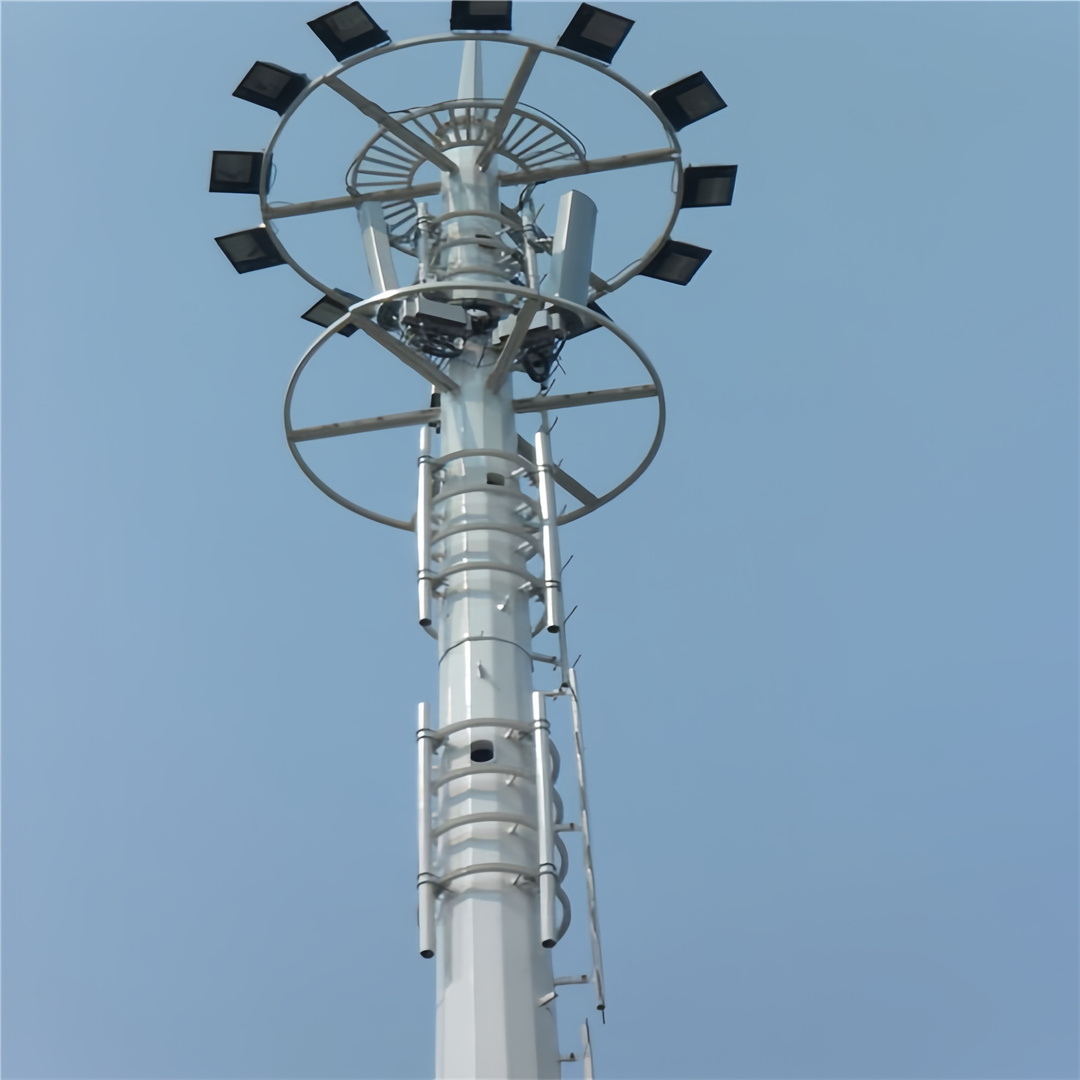
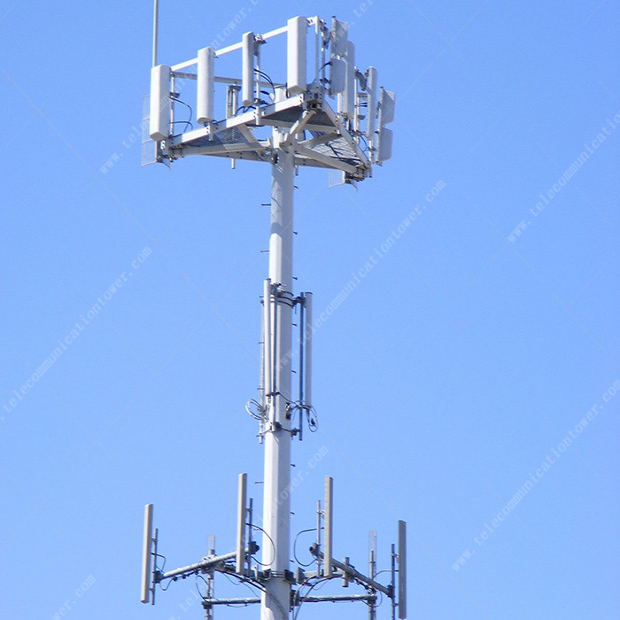
monopole tower is a compact, self-supporting tapered steel structure,
constructed from a single seamless or welded steel shaft with a
polygonal (typically 12-sided or 16-sided) or circular cross-section. As
one of JiaYao’s flagship urban telecom solutions, it is the industry
standard for dense urban 5G deployment, with a typical height range of
10m to 60m, customizable for ground-mounted, rooftop-mounted, and
landscape-integrated applications.
Its
core design priority is minimal space occupation and low visual impact.
All antenna feeders, cables, and auxiliary equipment are hidden inside
the hollow shaft, with no exposed components. The tower base has a
footprint of ≤2㎡, making it suitable for installation in narrow urban
spaces, including sidewalk medians, park green belts, residential
community landscapes, and building rooftops.
The
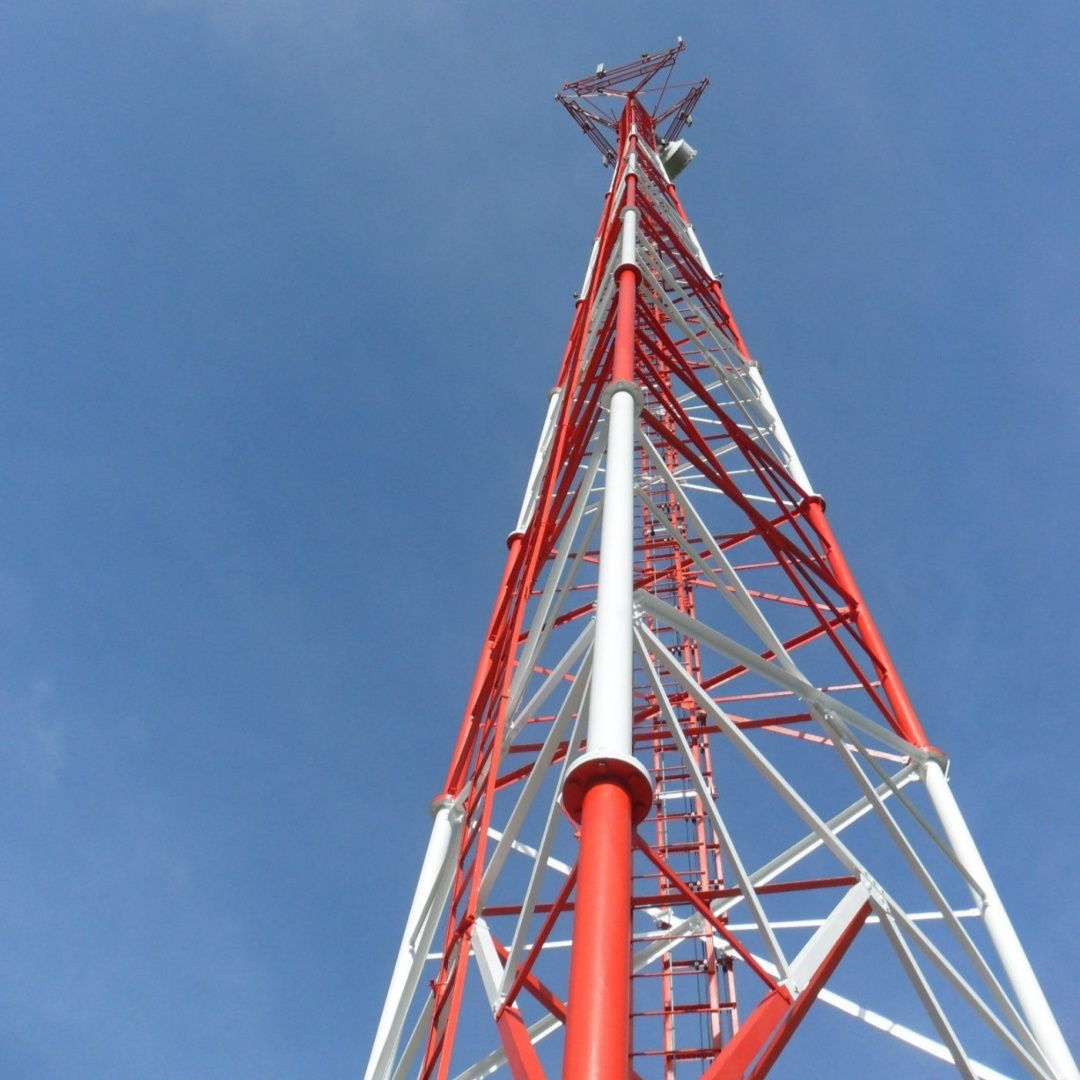
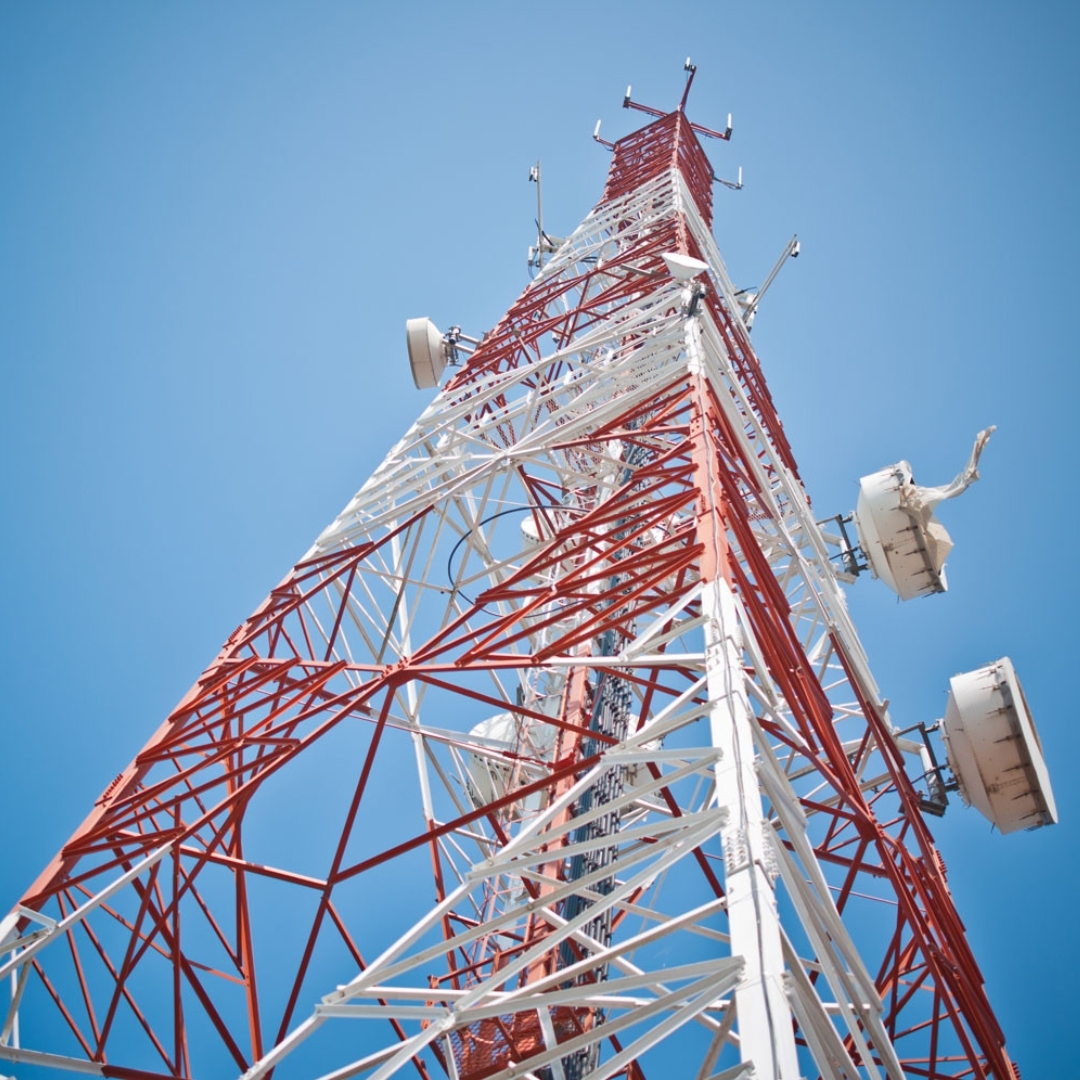
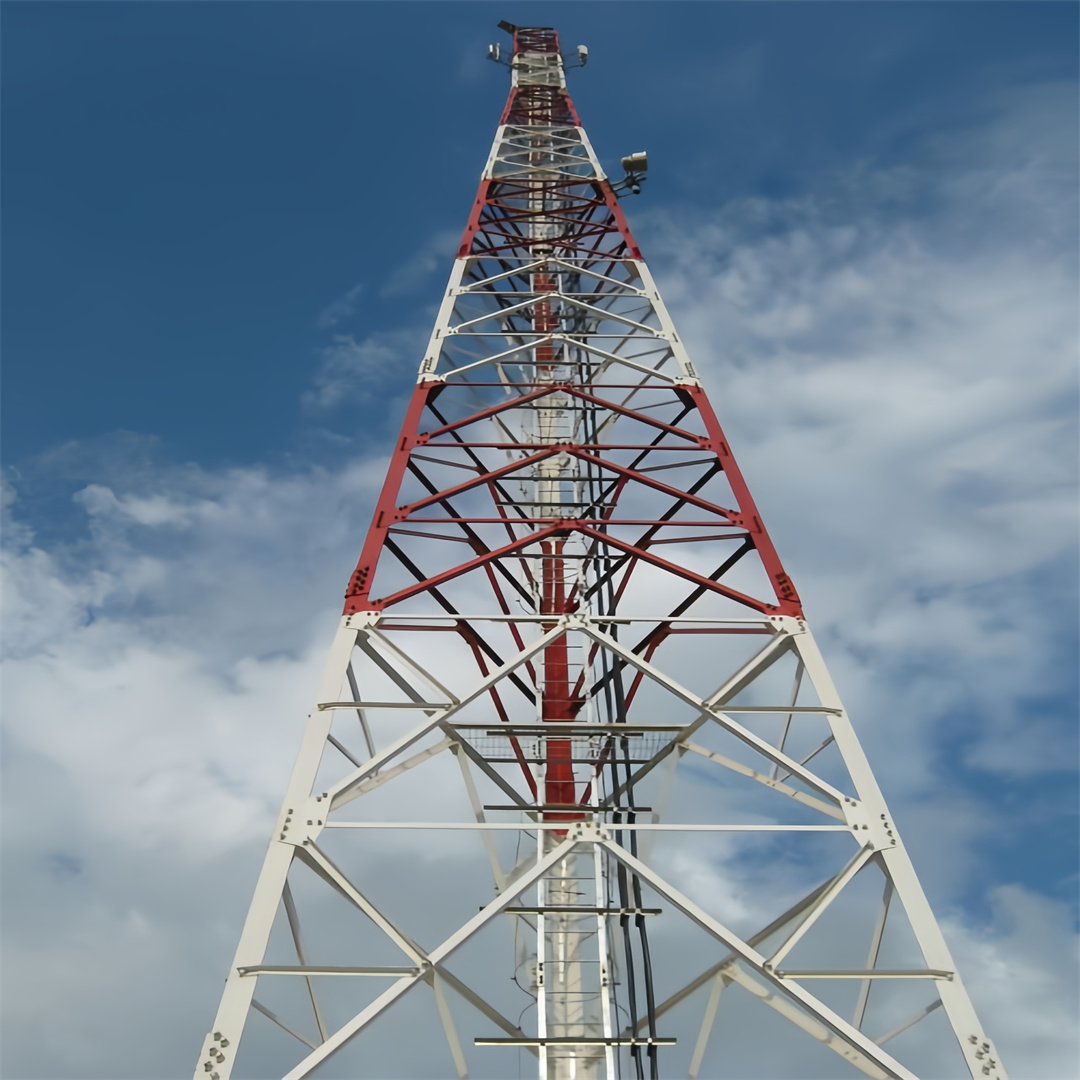
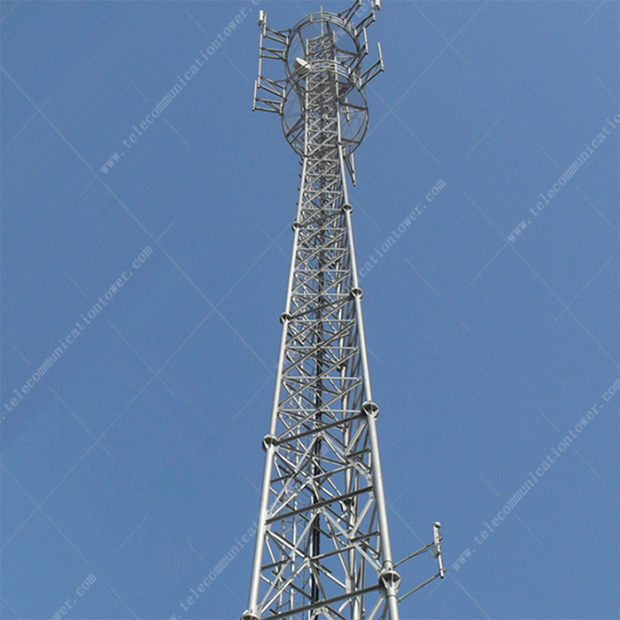
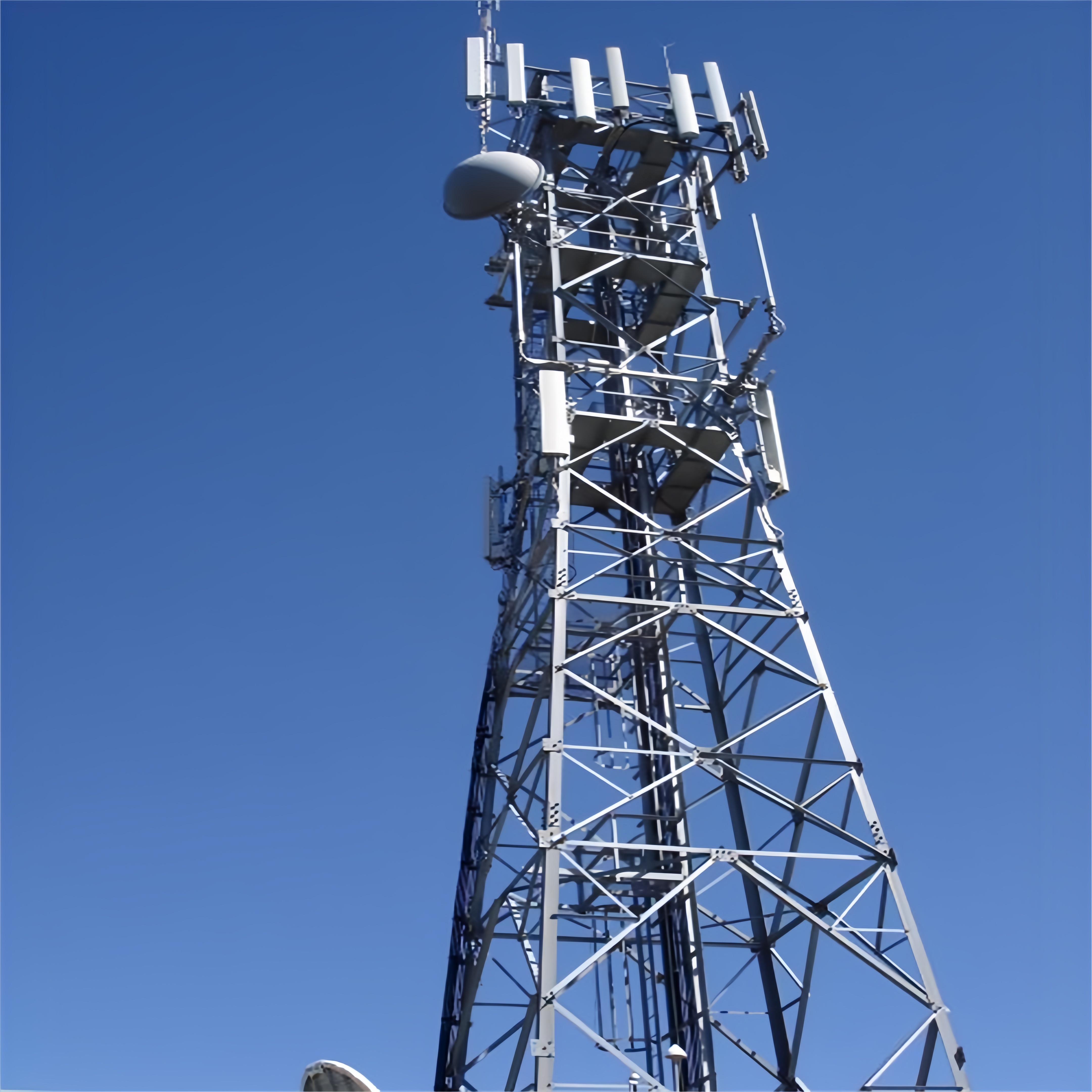
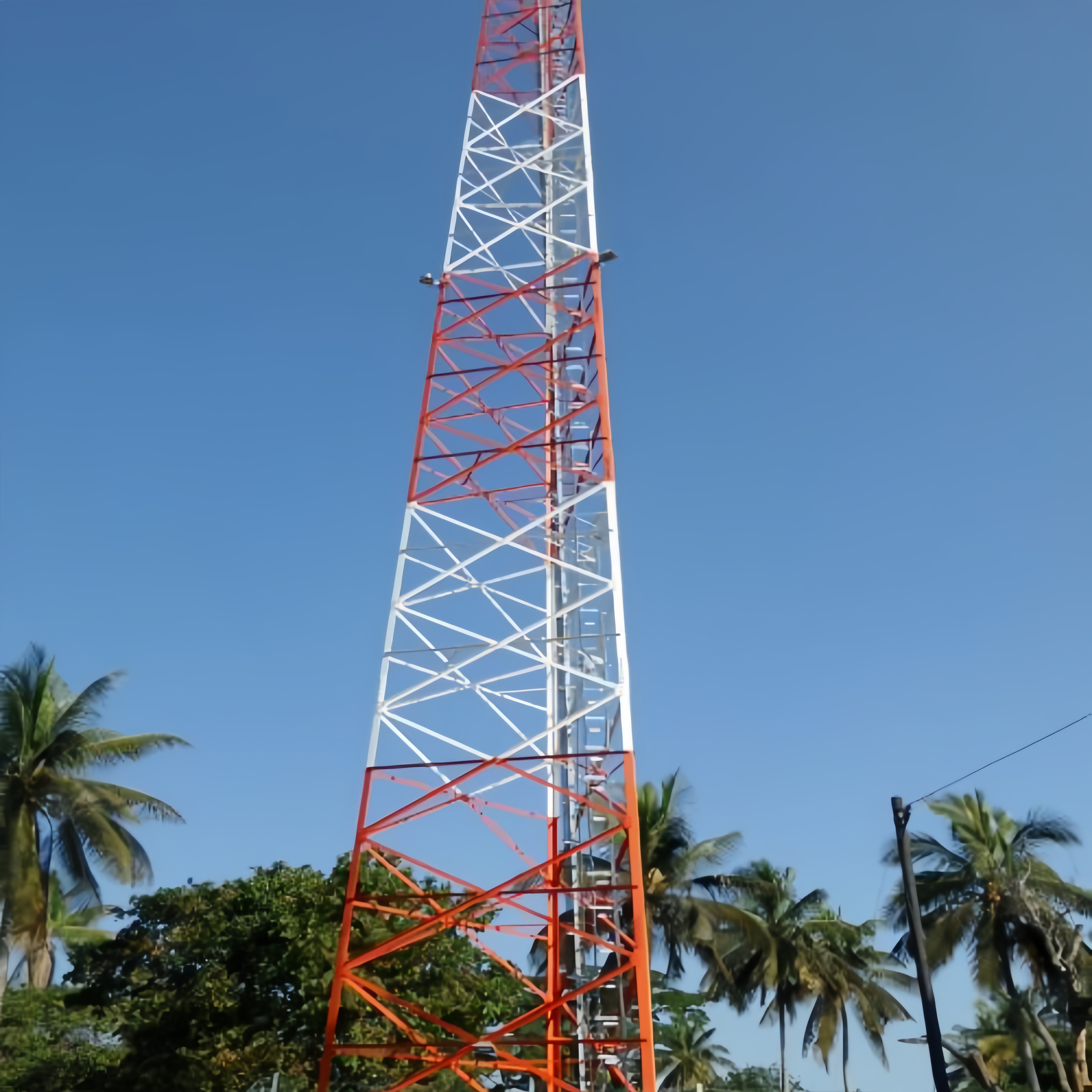
tri-tubular tower is a self-supporting lattice structure built from
three vertical seamless steel tubes as its main legs, connected by
horizontal and diagonal steel bracing to form a rigid triangular
cross-section frame. It is a middle-ground solution between bulkier
4-legged angular steel lattice towers and compact monopole towers, with a
typical height range of 20m to 70m. As a top-selling product for JiaYao
in South American, Southeast Asian, and African markets, it balances
high load capacity, material efficiency, and ease of deployment in
remote areas.
Its
triangular lattice design delivers exceptional structural stability
with minimal steel consumption. The open tubular frame reduces wind drag
by 25% compared to angular steel lattice towers, while the three-point
support system provides higher load capacity than a monopole tower of
the same height. Modular prefabricated components enable easy
transportation and assembly in remote areas with limited construction
resources.
Unmatched Urban Compatibility: The ultra-compact
footprint and low visual impact make it the only viable tower type for
dense urban areas, where land is expensive and public acceptance of
telecom infrastructure is a critical barrier. It can be installed in
narrow sidewalks, street medians, and park green belts without
disrupting urban planning.
Rapid Deployment: Pre-fabricated single-shaft
design enables full installation in 1-2 days, minimizing disruption to
urban traffic and public life. Rooftop variants require no ground civil
works, further shortening deployment timelines.
Superior Security & Low Maintenance: The fully
enclosed shaft protects internal cables and equipment from vandalism,
theft, and weather damage. Daily maintenance is limited to quarterly
bolt checks and annual corrosion inspections, with 40% lower long-term
maintenance costs than lattice towers.
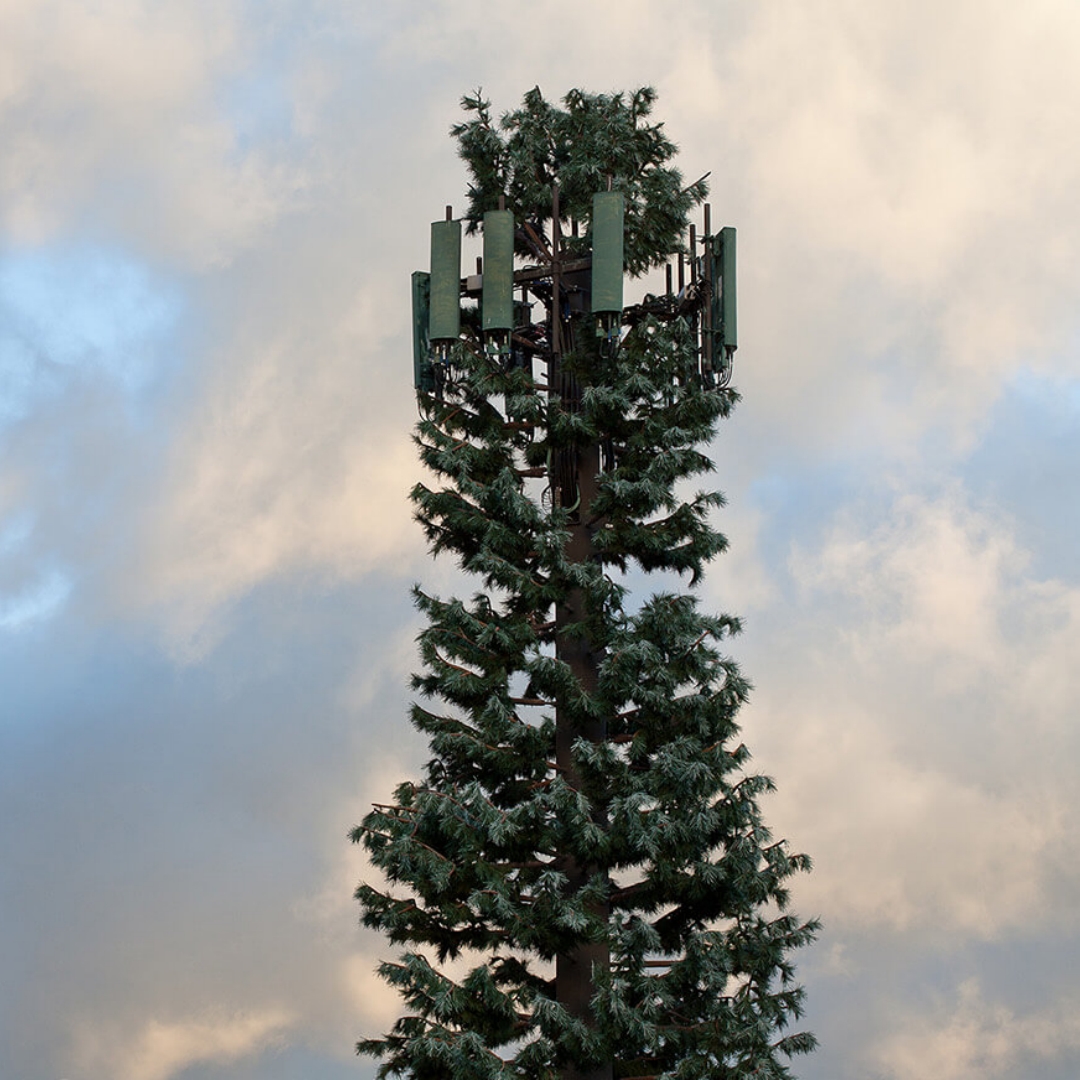
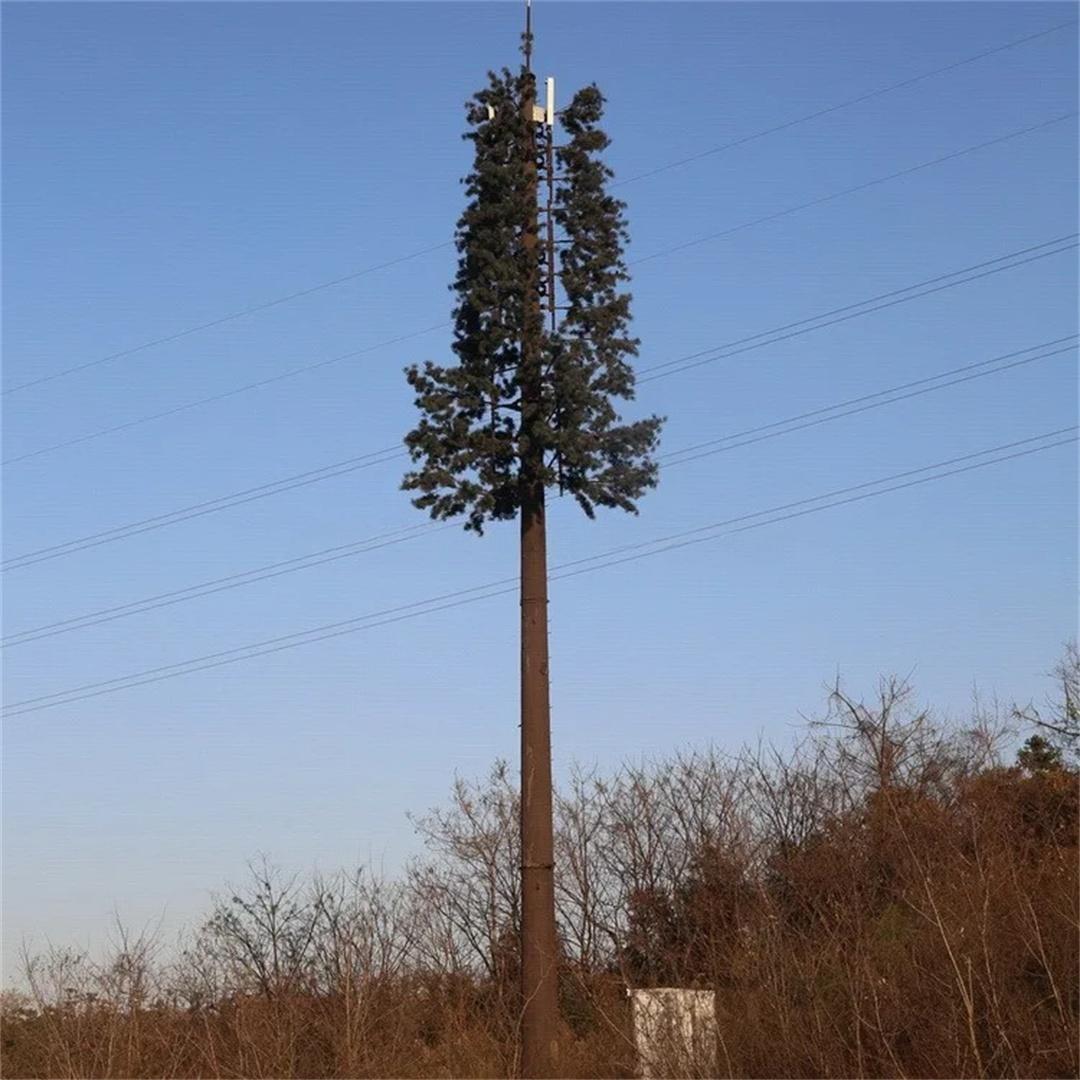
High Customization for Aesthetic Needs: Can be
customized with paint colors to match urban streetscapes, or wrapped in
bionic tree bark/foliage to form camouflaged landscape towers, ideal for
scenic areas and high-end residential communities.
Higher Material Cost: Requires thicker steel walls
to maintain structural stability as a single shaft, resulting in 30-40%
higher material costs than a tri-tubular tower of the same height.
Limited Load Capacity: The single-shaft design has a
lower maximum load capacity than lattice towers, making it unsuitable
for large-scale multi-antenna macro base stations that require multiple
microwave links.
Transportation Constraints: Full-length shaft
segments require specialized long-haul transportation, which can
increase logistics costs for remote or international projects.
Exceptional Cost Efficiency: Uses 30-40% less steel
than a monopole tower of the same height, reducing material,
transportation, and installation costs dramatically. It is the most
cost-effective self-supporting solution for large-scale rural network
rollouts.
High Load & Height Capability: The three-legged
lattice structure delivers superior load capacity and torsional
rigidity, supporting more antennas and microwave equipment, with a
higher maximum height than standard monopole towers.
Modular & Remote Deployment Friendly: Segmented
modular components fit into standard shipping containers, with no
long-length parts, making transportation easy to remote mountainous,
rural, and cross-border projects. No specialized heavy machinery is
required for on-site assembly.
Superior Extreme Environment Performance: The
aerodynamic tubular lattice design reduces wind drag and structural
stress, with better performance in high-wind, typhoon-prone, and seismic
areas than monopole towers of the same weight.
Larger Land Requirement: The three-point support
system requires a larger base footprint than monopole towers, making it
unsuitable for dense urban areas with limited and expensive land.
Higher Visual Impact: The lattice frame is more
visually prominent than a slim monopole shaft, facing higher public
opposition in residential and scenic areas.
Longer Installation Time: Modular assembly requires
more on-site labor and time than monopole towers, with a typical
installation window of 3-5 days for a standard 30m tower.