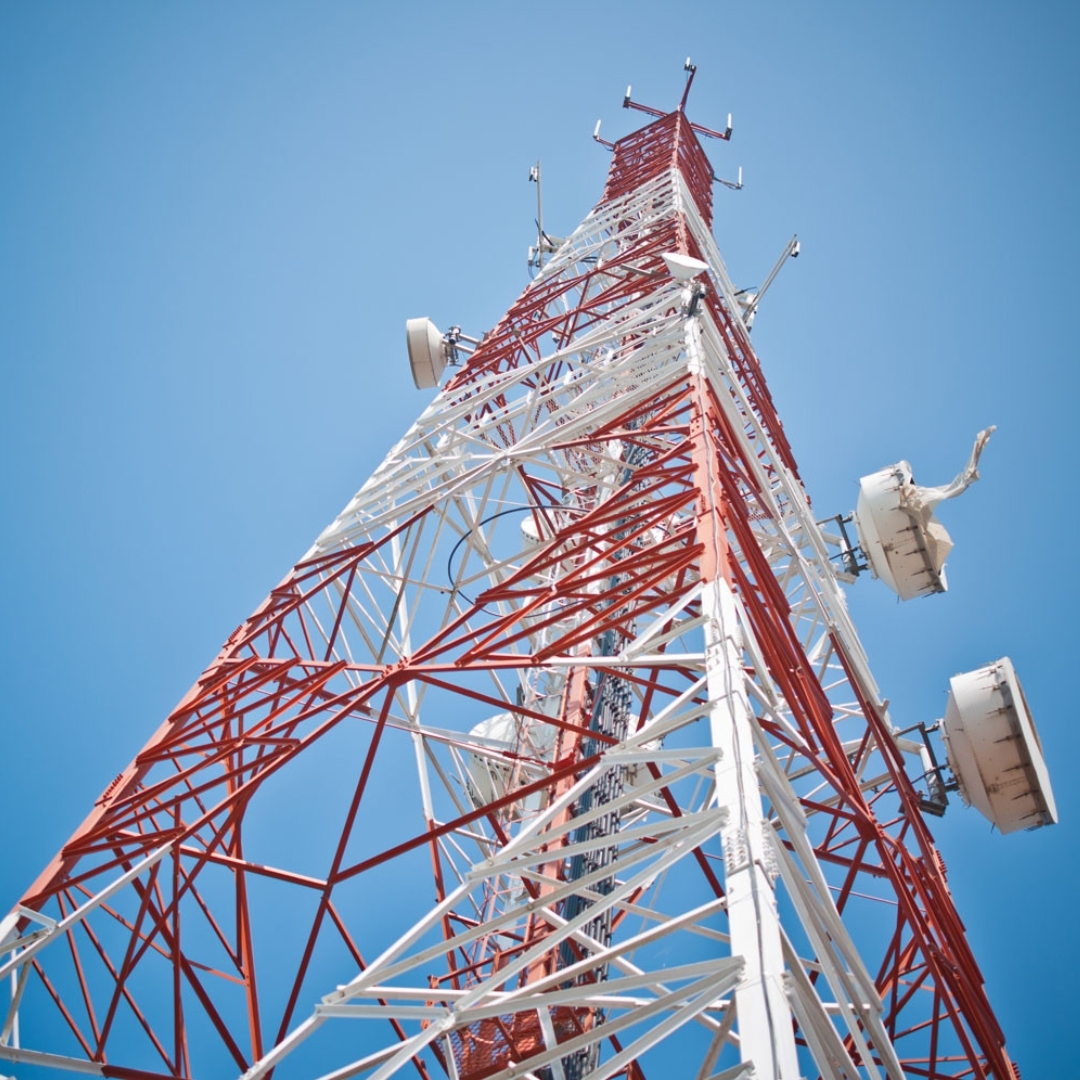
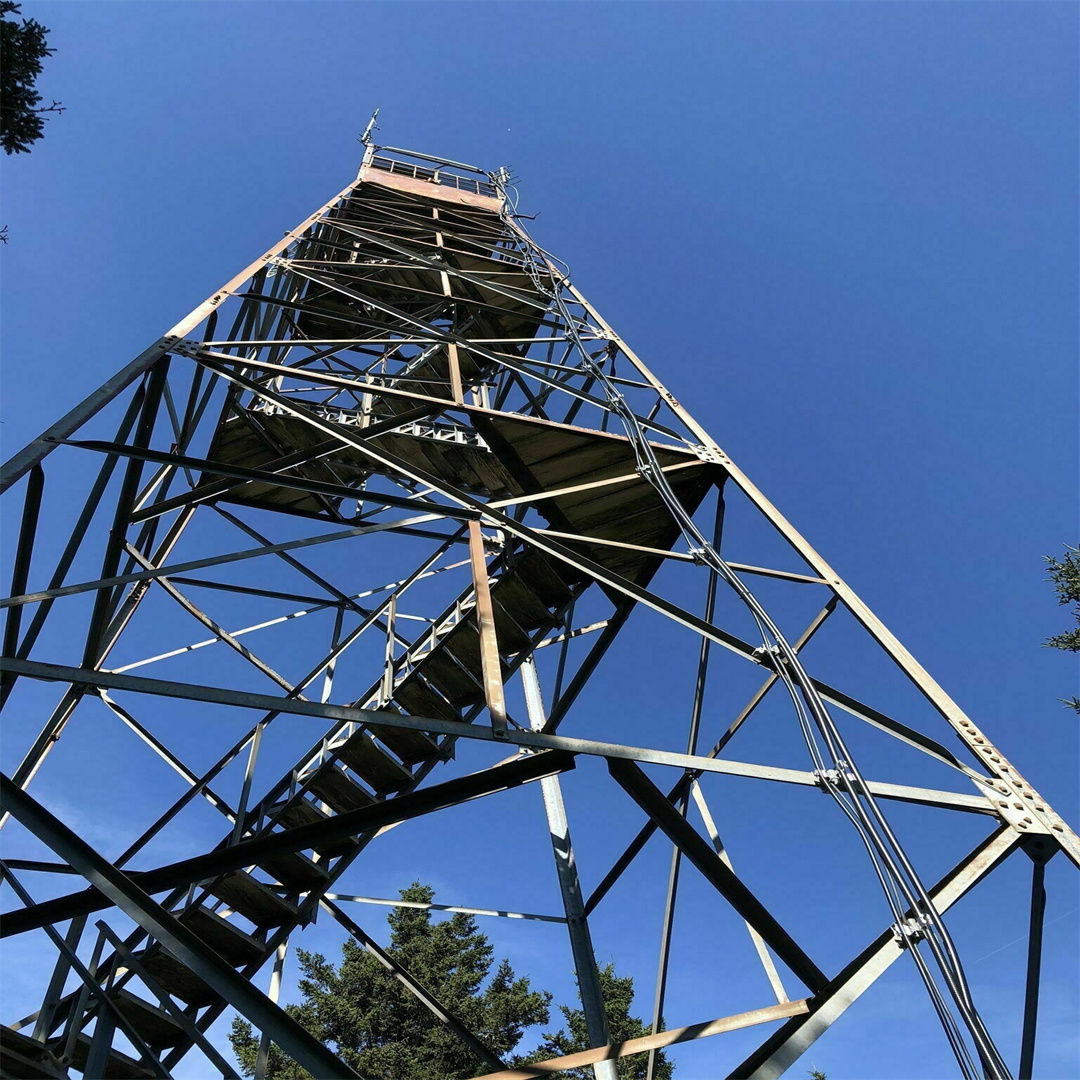
Angular
steel lattice communication towers are the most widely used type of
telecom tower in the world. They are made of hot-dip galvanized angle
steel components connected by high-strength bolts, forming a stable
triangular or quadrilateral lattice structure. For mobile signal
coverage, microwave transmission, broadcast, and public communication
networks, angular steel towers remain the first choice for most
operators and contractors.
In this article, we summarize the key advantages of angular steel lattice communication towers to help you make better decisions for your communication projects.
Angular
steel lattice towers feature a rigid truss structure that evenly
distributes gravity, wind load, and equipment pressure. The open lattice
design reduces wind resistance while maintaining strong overall
rigidity.
These
towers can normally withstand wind speeds from 150 km/h to 250 km/h,
making them highly reliable in coastal, mountainous, and typhoon-prone
areas. Compared with solid poles, lattice structures perform better in
complex weather conditions.
Angular
steel towers use less material than tubular or monopole towers of the
same height. The standard angle steel is easy to produce, process, and
transport, greatly lowering manufacturing and logistics costs.
For large-scale network construction, using angular steel towers can save 20%–40% of total project cost, which is critical for telecom operators, engineering companies, and government projects.
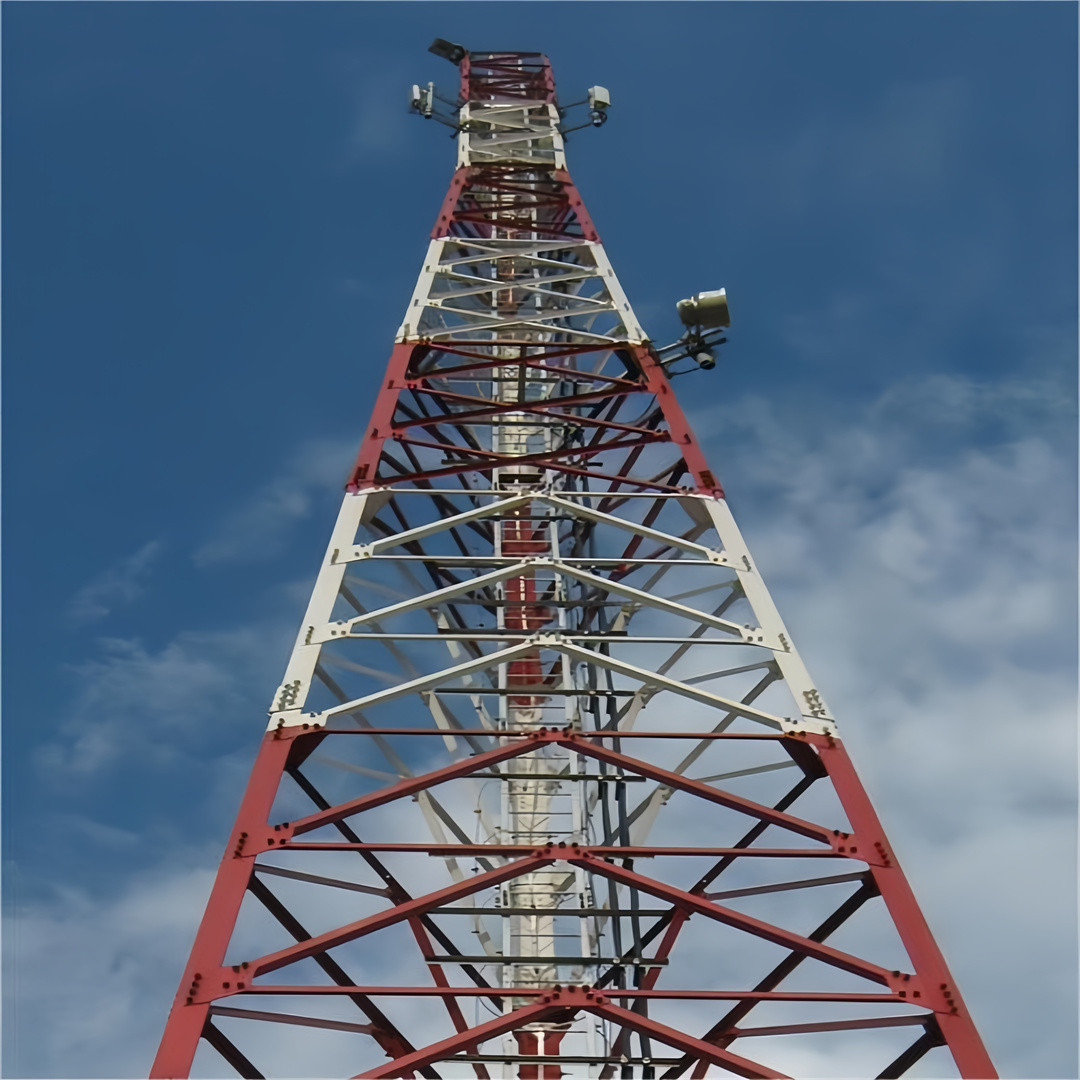
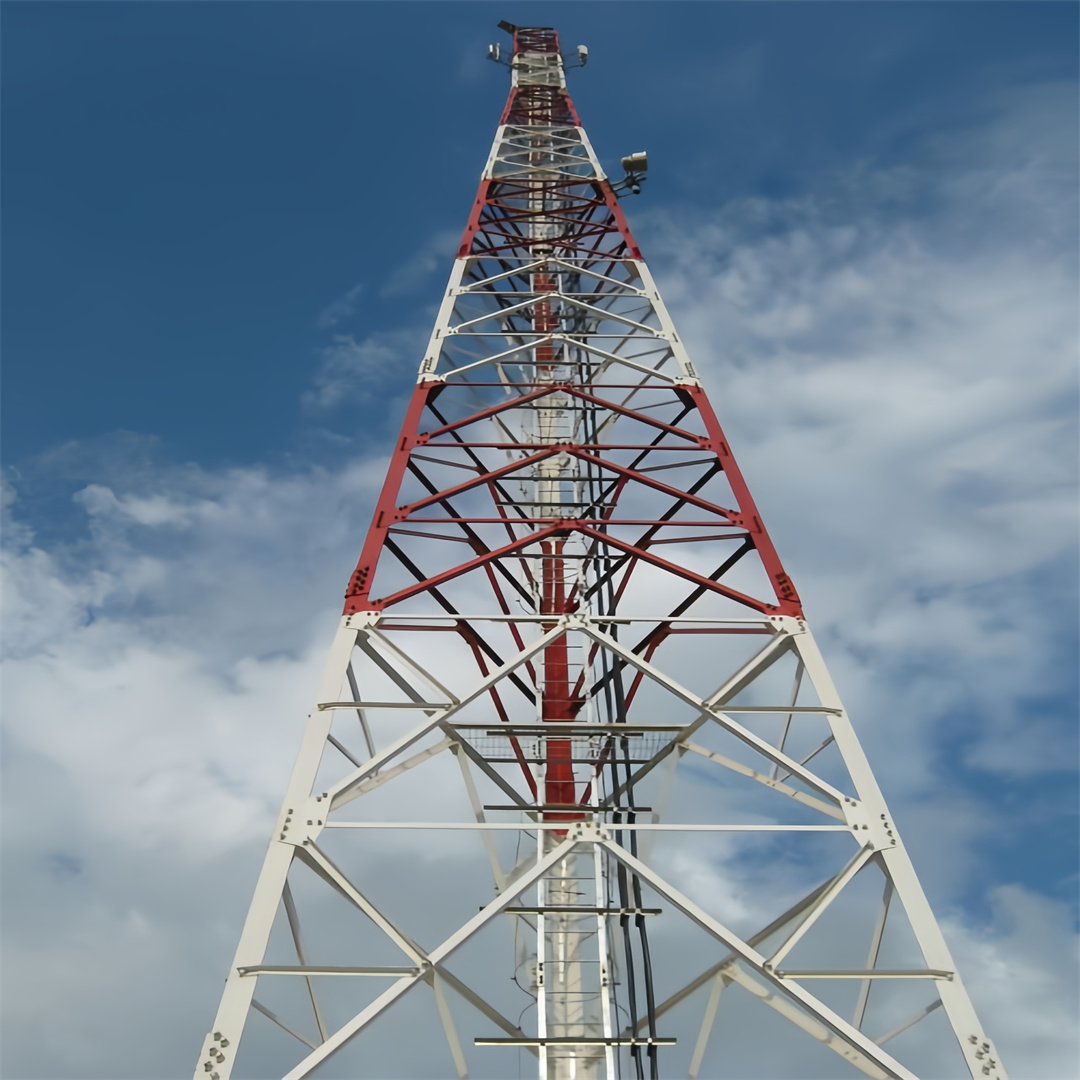
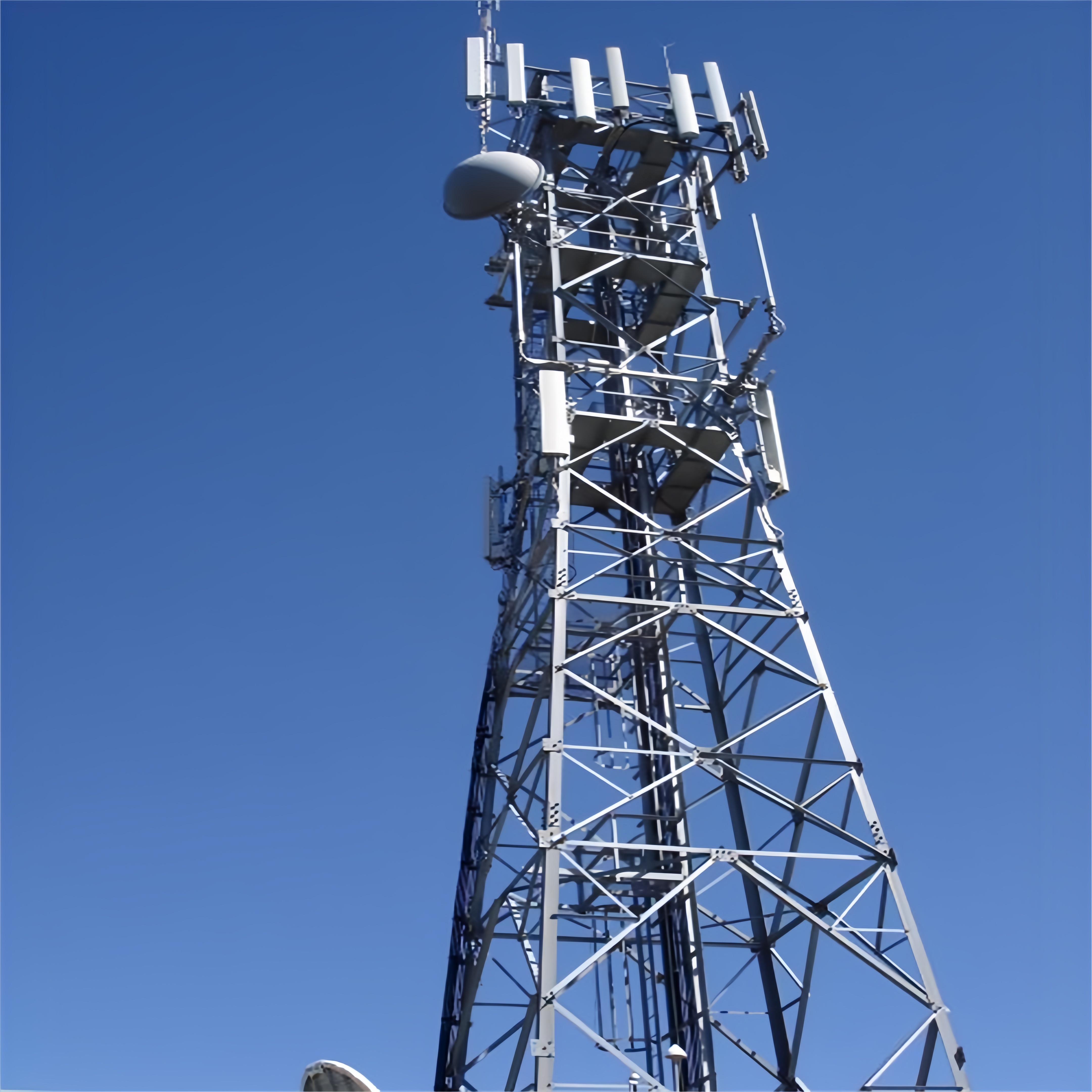
3 Legged Angular Steel Tower Triangular Wireless Communication Tower with ANSI TIA 222 Design Code and High Tensile Steel Materials
All
components are prefabricated in the factory and punched with standard
holes. On-site installation only requires bolt assembly—no on-site welding needed.
Modular
parts are small and light, making transportation convenient even in
remote mountainous or rural areas. A typical tower can be assembled in
3–7 days, greatly shortening construction periods.
Angular
steel lattice towers provide stable support for antennas, RRU,
microwave dishes, and other communication equipment. The multi-crossarm
design allows installing multiple antennas at the same time.
As
networks upgrade from 4G to 5G and even future technologies, these
towers can easily carry new equipment without major reconstruction,
offering long-term expandability.
High-quality angular steel towers use hot-dip galvanized surface treatment
that meets ASTM A123 and ISO 1461 standards. The anti-corrosion layer
protects the tower from rust, rain, snow, and ultraviolet rays for 30 years or longer.
Daily
maintenance is simple: only periodic bolt checks and surface touch-up
are needed. This greatly reduces long-term operating costs.
Angular steel lattice communication towers are widely used in:
Urban and rural 4G/5G base stations
Microwave and backhaul transmission links
Broadcast and TV signal transmission
Public security, emergency communication, and forest monitoring
Large-scale industrial park and new area network coverage
They adapt to plains, mountains, coasts, deserts, and other complex terrains.
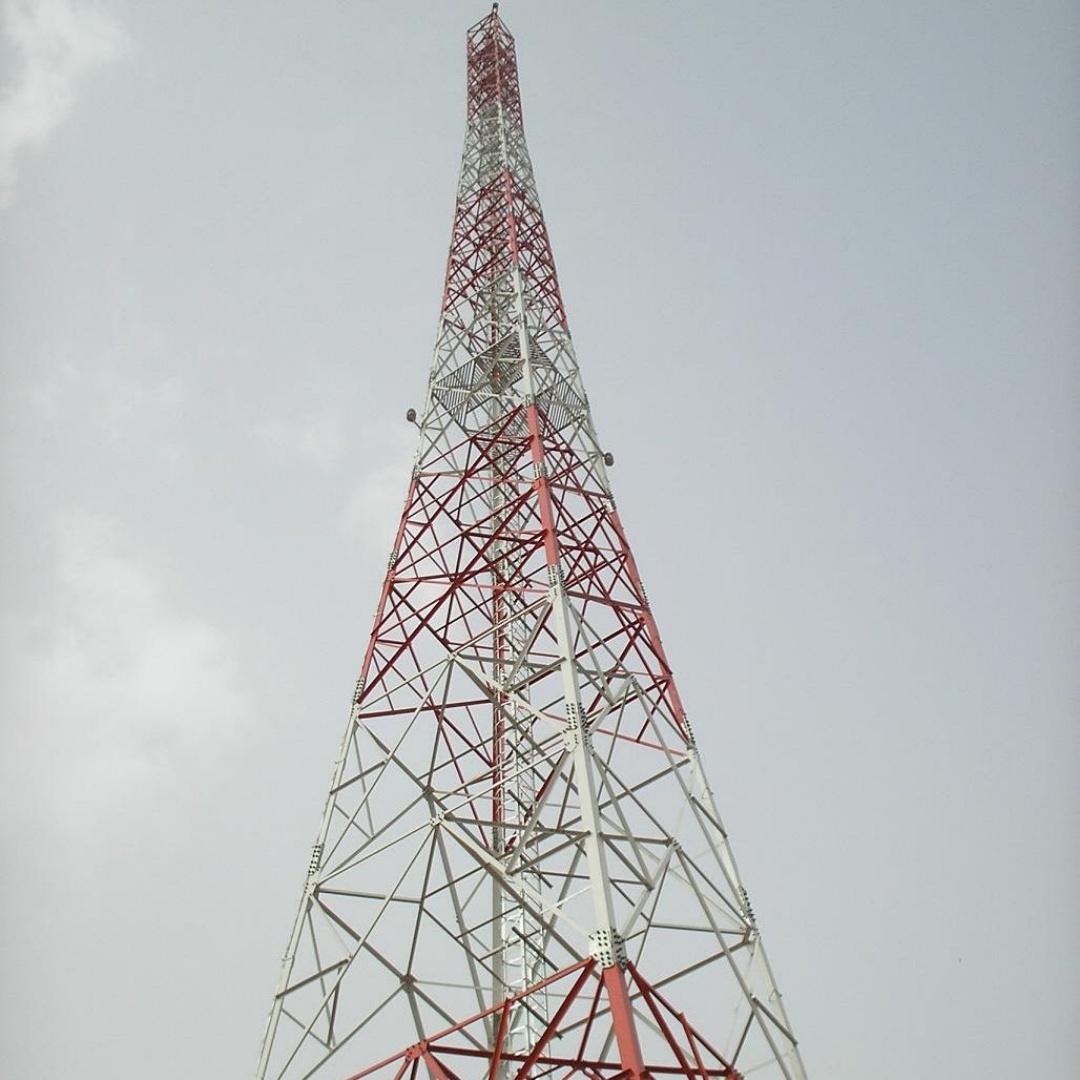
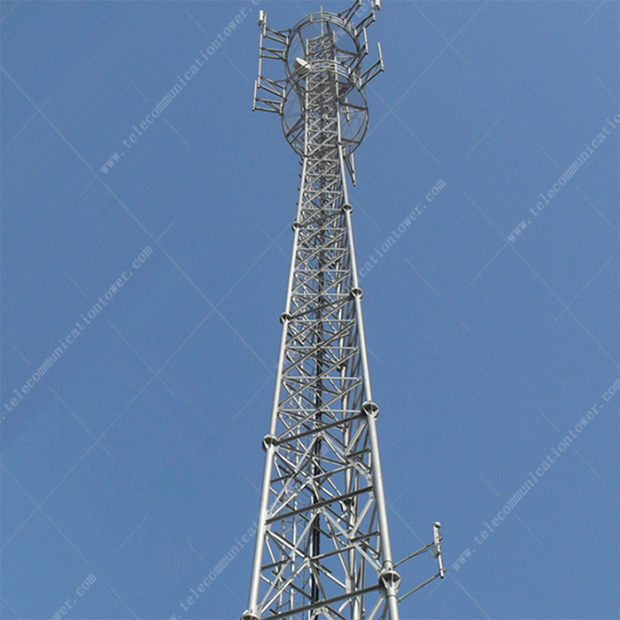
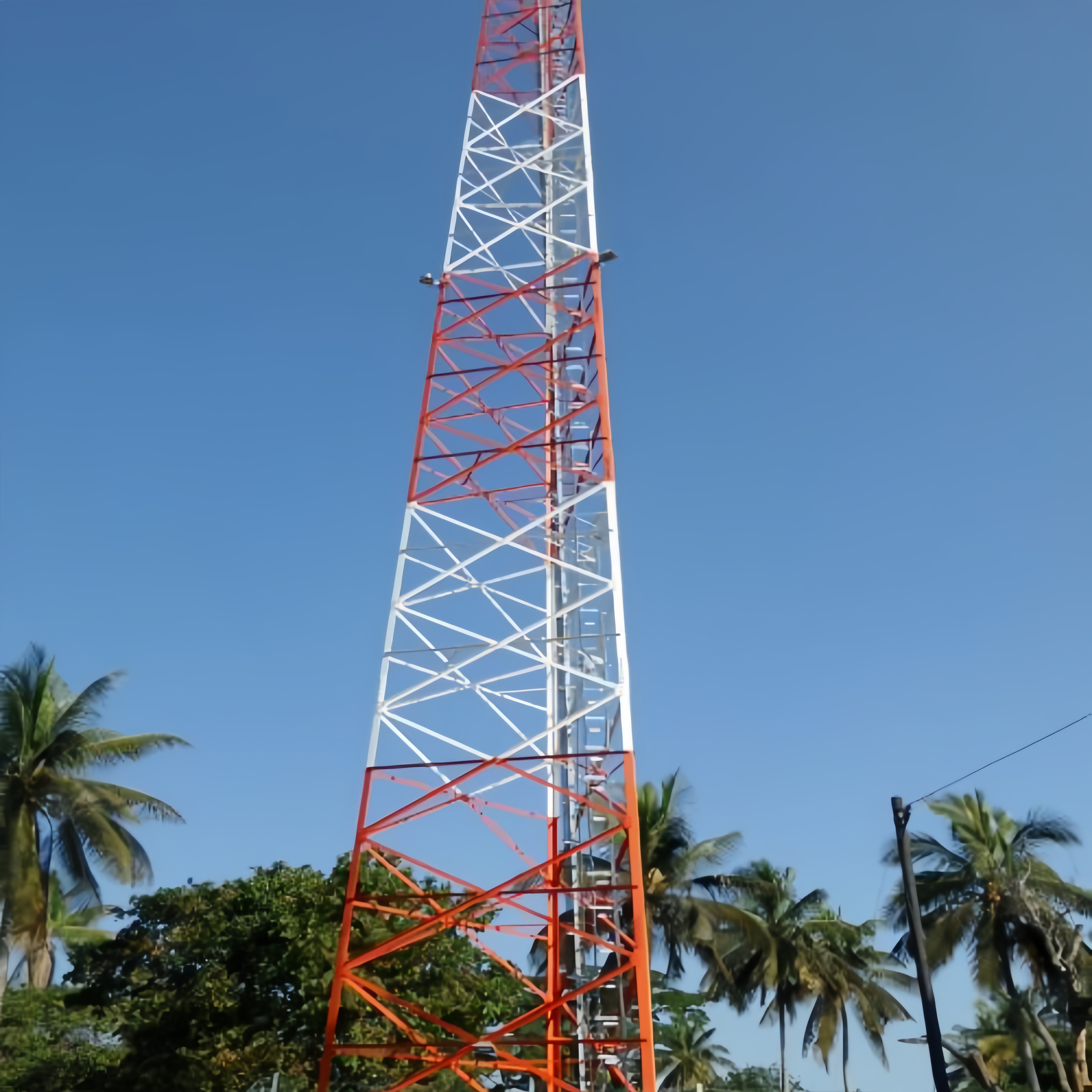
4 Leg Lattice Steel Tower For 5G GSM Telecom Base Station Use
Angular steel lattice communication towers are still the most practical, economical, and reliable solution
for global communication infrastructure. Their stability, cost
efficiency, easy installation, and long service life make them
irreplaceable in the 5G era.
As
a professional manufacturer with over 10 years of experience, JiaYao
produces high-quality angular steel communication towers that meet
international standards such as TIA-222-G, GB, and Eurocode. We provide
customized design, fast delivery, and full technical support for
customers in more than 55 countries.
Need a customized angular steel tower solution? Contact JiaYao today for professional design and best price.