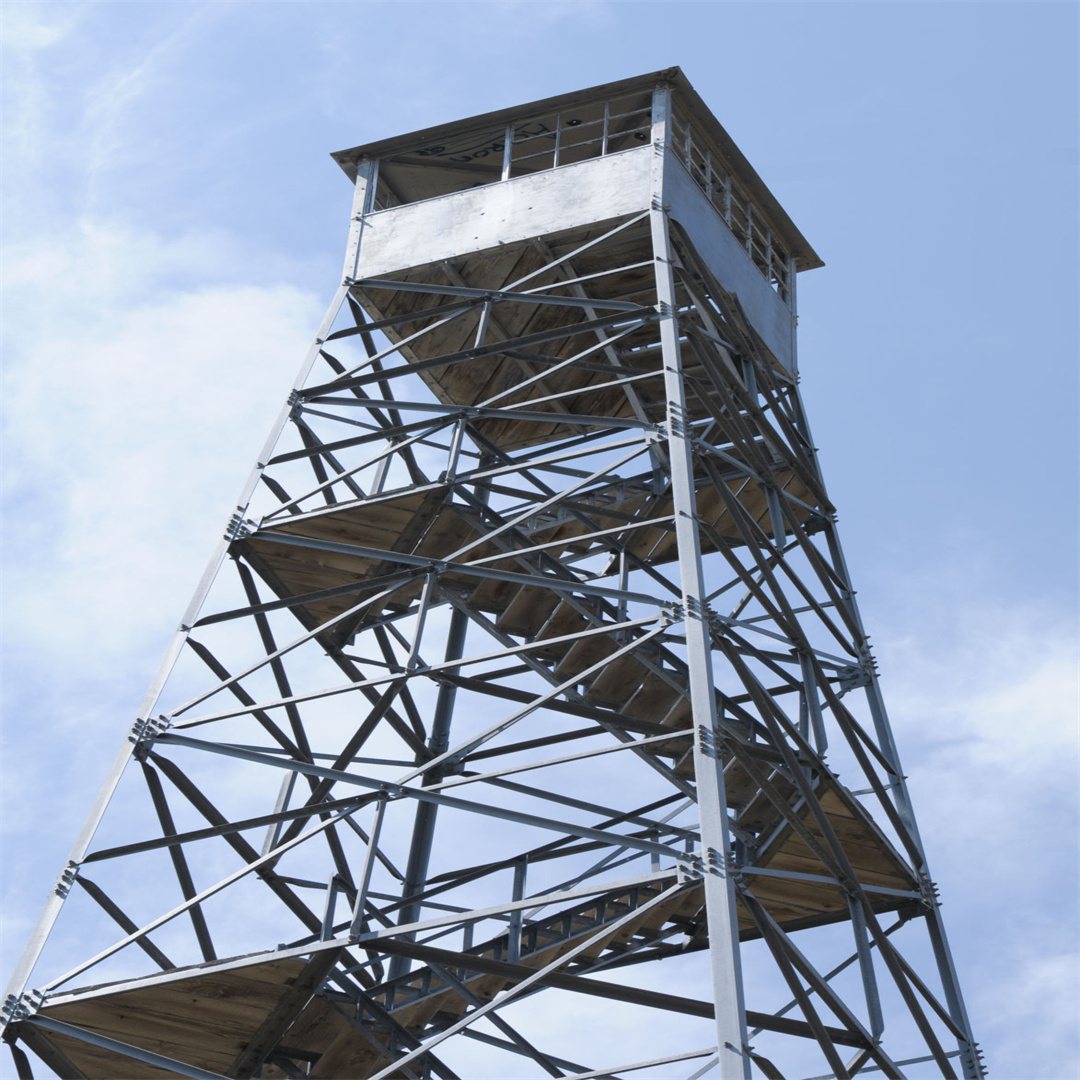
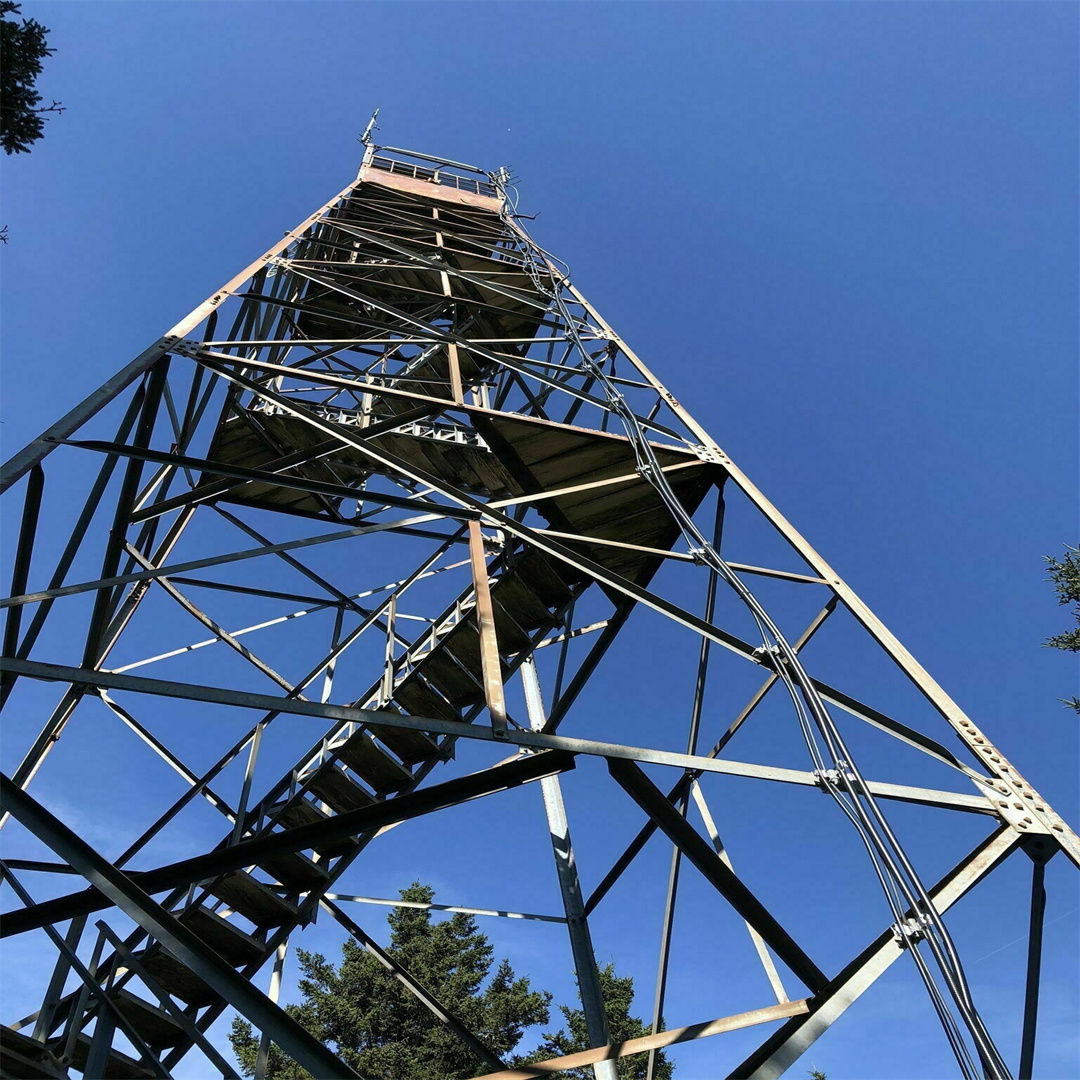
A
guyed mast tower (also called a guyed tower) is a tall, slender
structure that relies on external guy wires (high-strength steel cables)
for stability—unlike self-supporting towers that stand independently.
This design lets it reach greater heights with less structural material,
making it a cost-effective choice for applications needing extensive
coverage or elevation.
Slender Tower Body: Built as a tubular or lattice
steel structure (narrower than self-supporting towers), with a tapered
shape to optimize load distribution.
Guy Wire System: Multiple sets of steel cables
attach to the mast at 20–30m intervals, anchored to the ground at 45–60°
angles to resist wind/seismic forces.
Height Range: Extends from 30m to over 200m (taller than most self-supporting towers), customizable for specific needs.
Accessories: Includes climbing ladders, antenna mounts, cable trays, and aviation warning lights (for heights >60m).
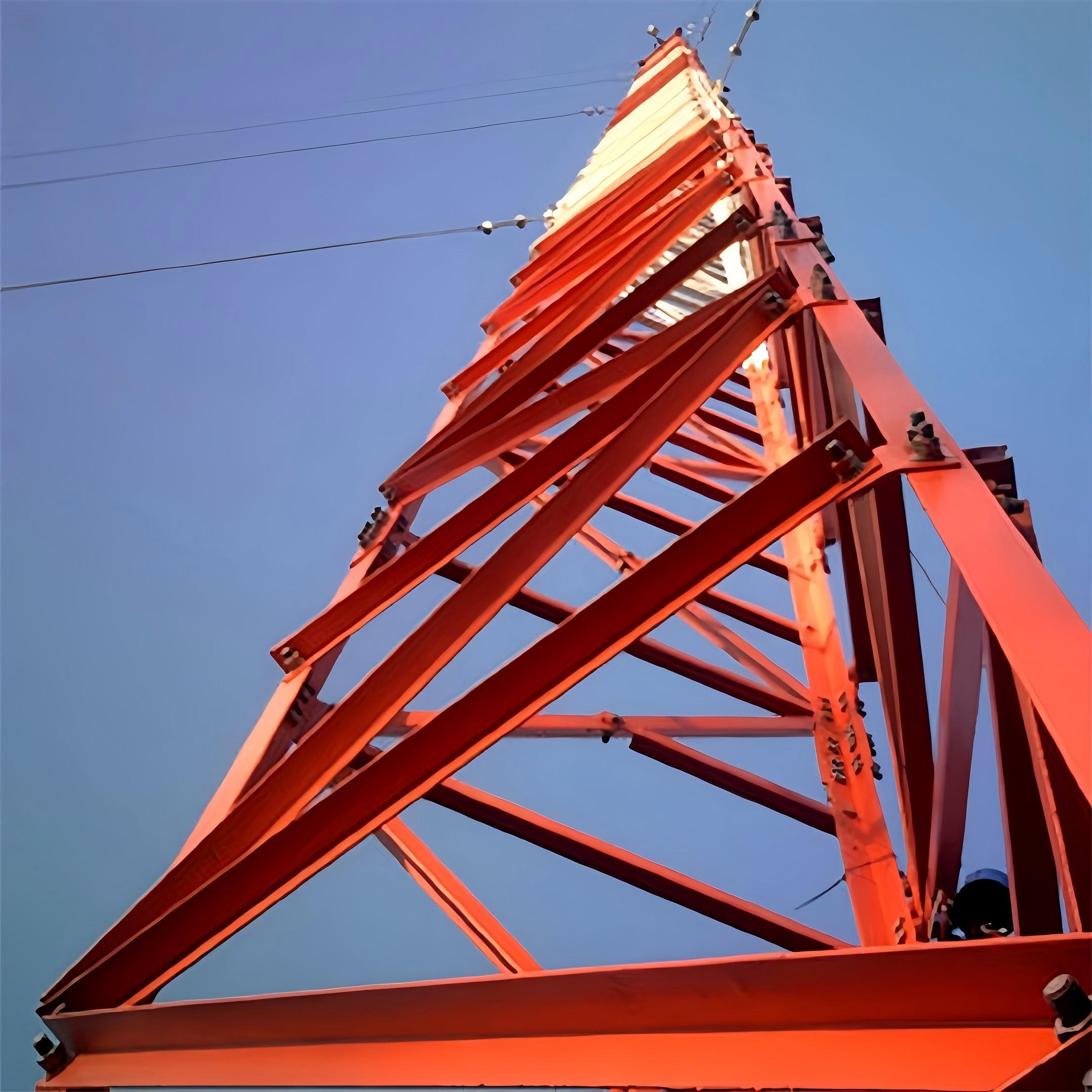
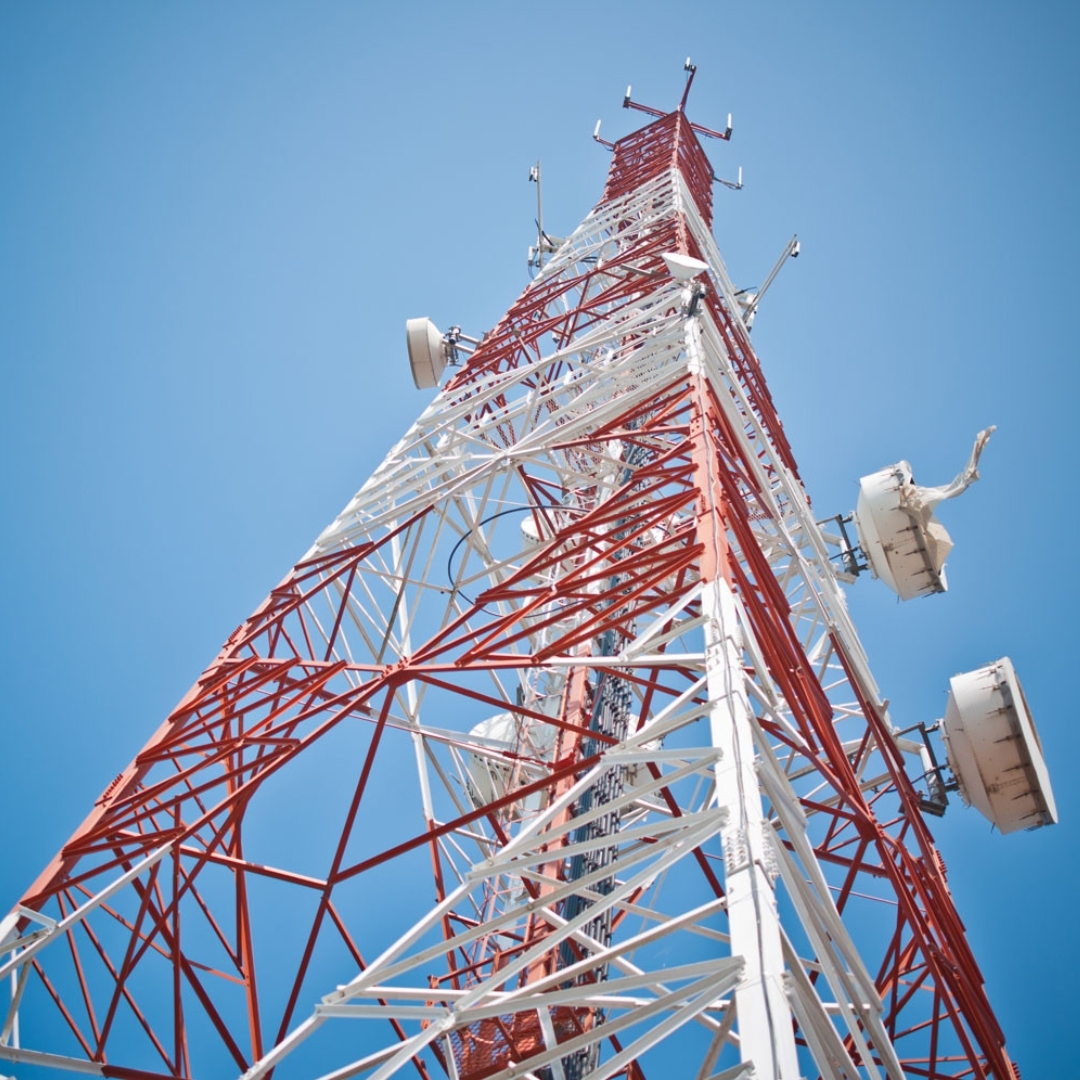
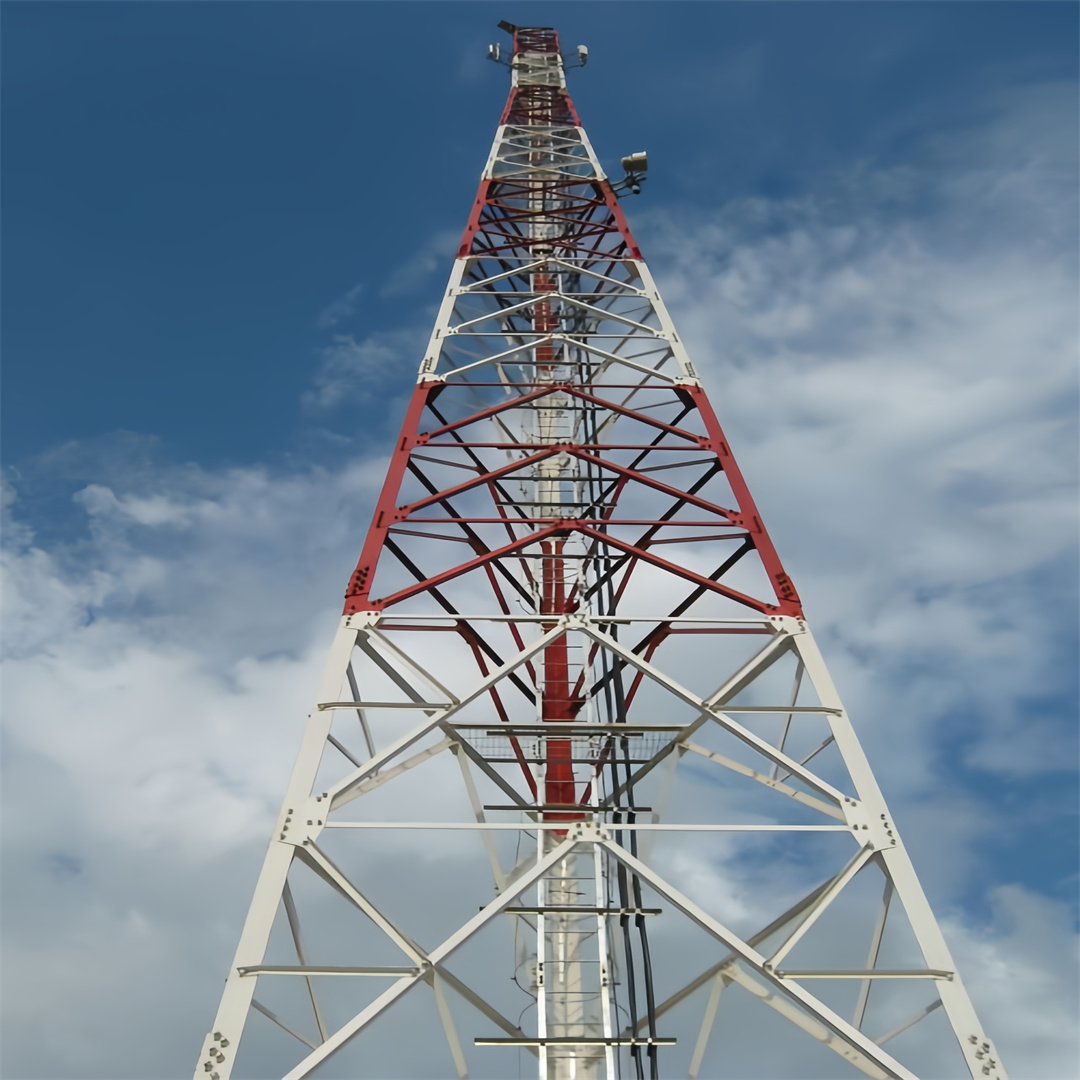
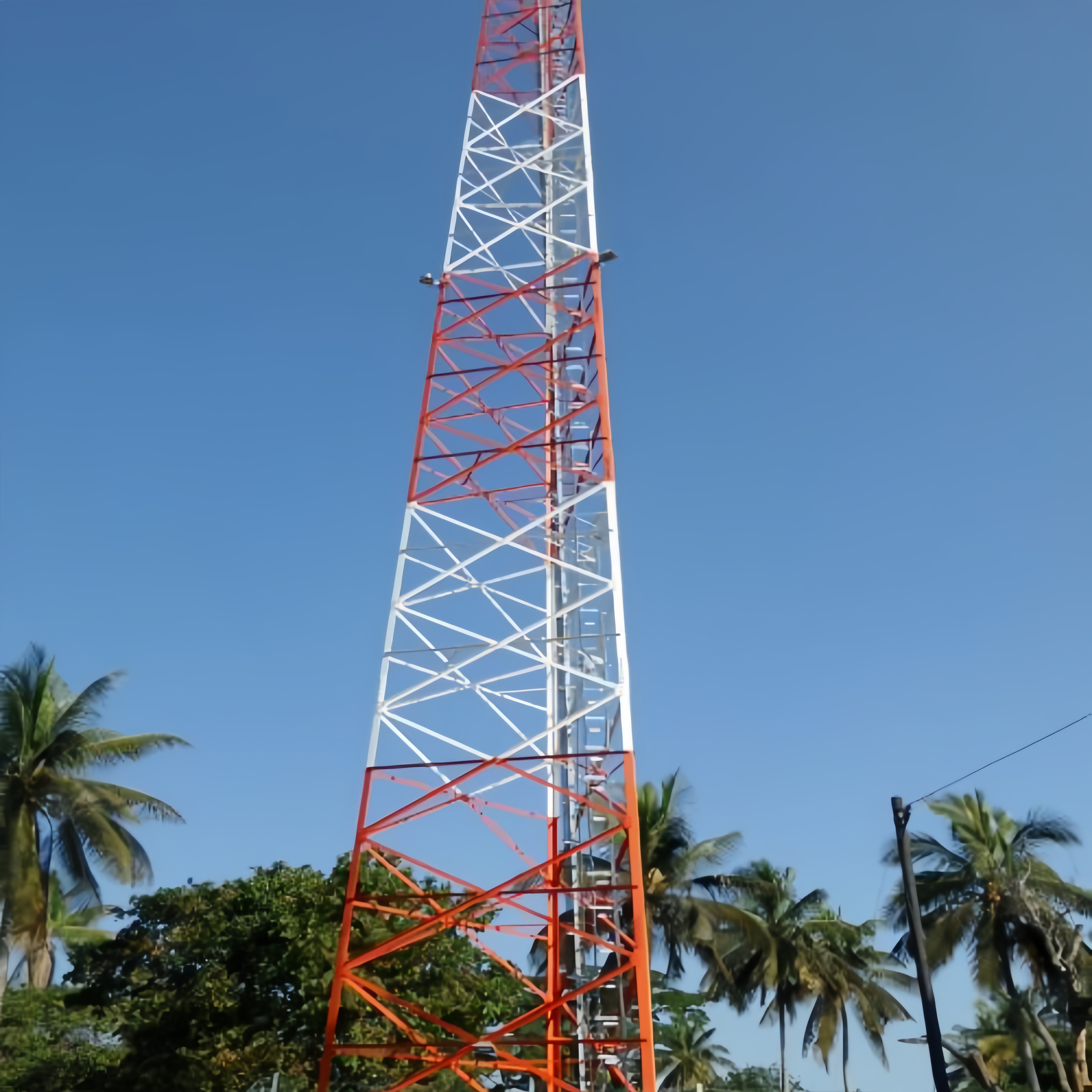
Guy Rope Cell Tower High Strength Steel 35m Mobile Network Suburban Zones Wind Resistant
Tower Body: Galvanized structural steel (ASTM A36/S235JR) for corrosion resistance and strength.
Guy Wires: High-tensile steel cables (ASTM A475) with zinc/polymer coatings for durability.
Anchors: Heavy-duty concrete/steel anchors to secure wires, designed for tension loads.
Compliance: Follows IEC 62305 (lightning protection) and local building safety codes.
Broadcasting/Telecom: Supports TV/radio antennas and long-distance microwave transmitters (maximizes signal coverage via height).
Meteorological Monitoring: Hosts weather sensors/radar at high elevations for accurate atmospheric data.
Aviation Navigation: Mounts aviation beacons in remote areas (mountains, coasts).
Scientific Research: Deploys atmospheric instruments (ozone monitors) above ground interference.
Cost Efficiency: Uses less steel than self-supporting towers, cutting material/manufacturing costs.
Height Capability: Reaches >200m (ideal for long-range transmission).
Installation Flexibility: Modular parts simplify transport/assembly in remote locations.
Space Requirement: Needs a large ground footprint (2–3x mast height in diameter) — poor for urban areas.
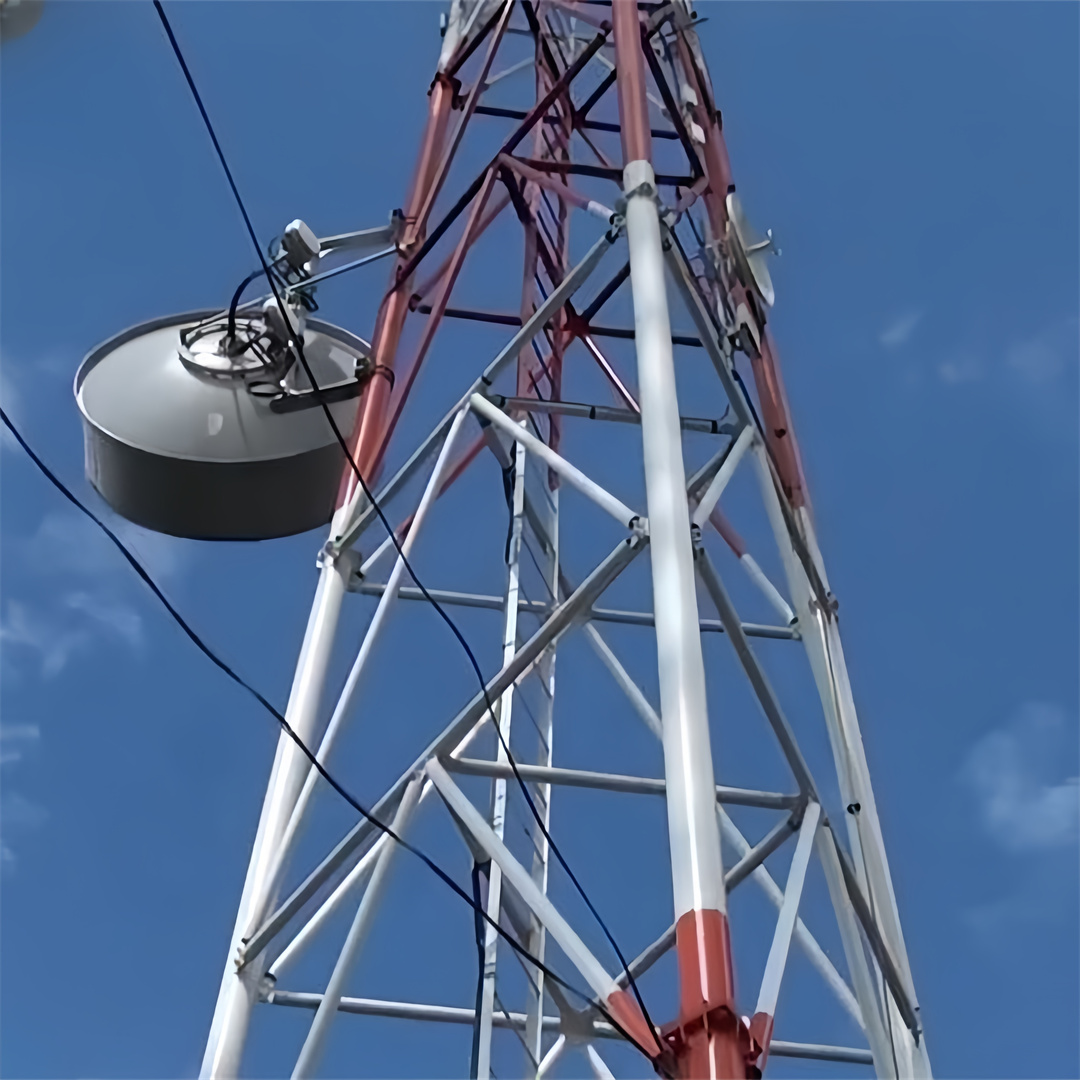
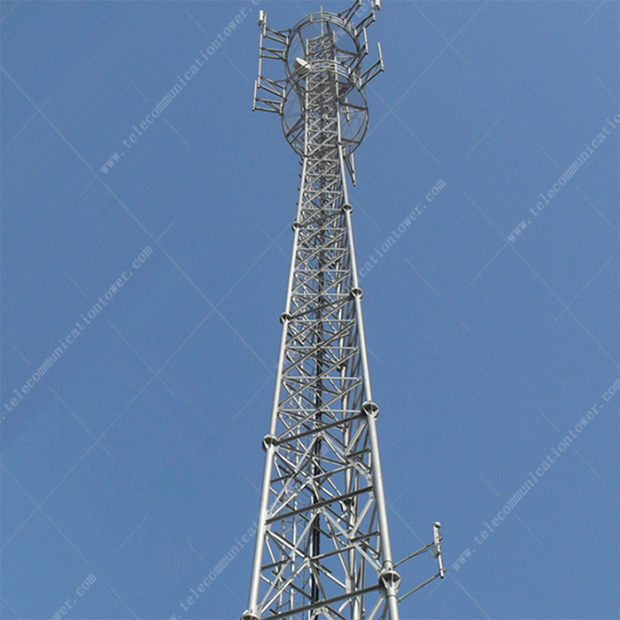
Hot Dip Galvanized Guyed Wire 3 Legged Steel Pipe structure Telecommunication Tower
Inspect guy wire tension and tower corrosion every 6–12 months.
Verify anchor stability against soil erosion/ground movement.
Replace worn guy wires every 10–15 years.
Maintain functional aviation warning lights for safety compliance.
The
guyed mast tower balances height, cost, and versatility, making it
vital for large-scale broadcast, telecom, and monitoring projects. While
it needs ample space, its efficiency keeps it a popular choice for
elevated infrastructure needs.